Water
Keep the soil consistently moist but not waterlogged. Water when the top 2-3 cm of soil feels dry to the touch. Reduce watering frequency during cooler months or if the plant is in a dormant state.
Ensure good drainage to prevent root rot.
Also known as Eastern St Paul's-Wort · Eastern St. Paul's-Wort · Indian-Weed
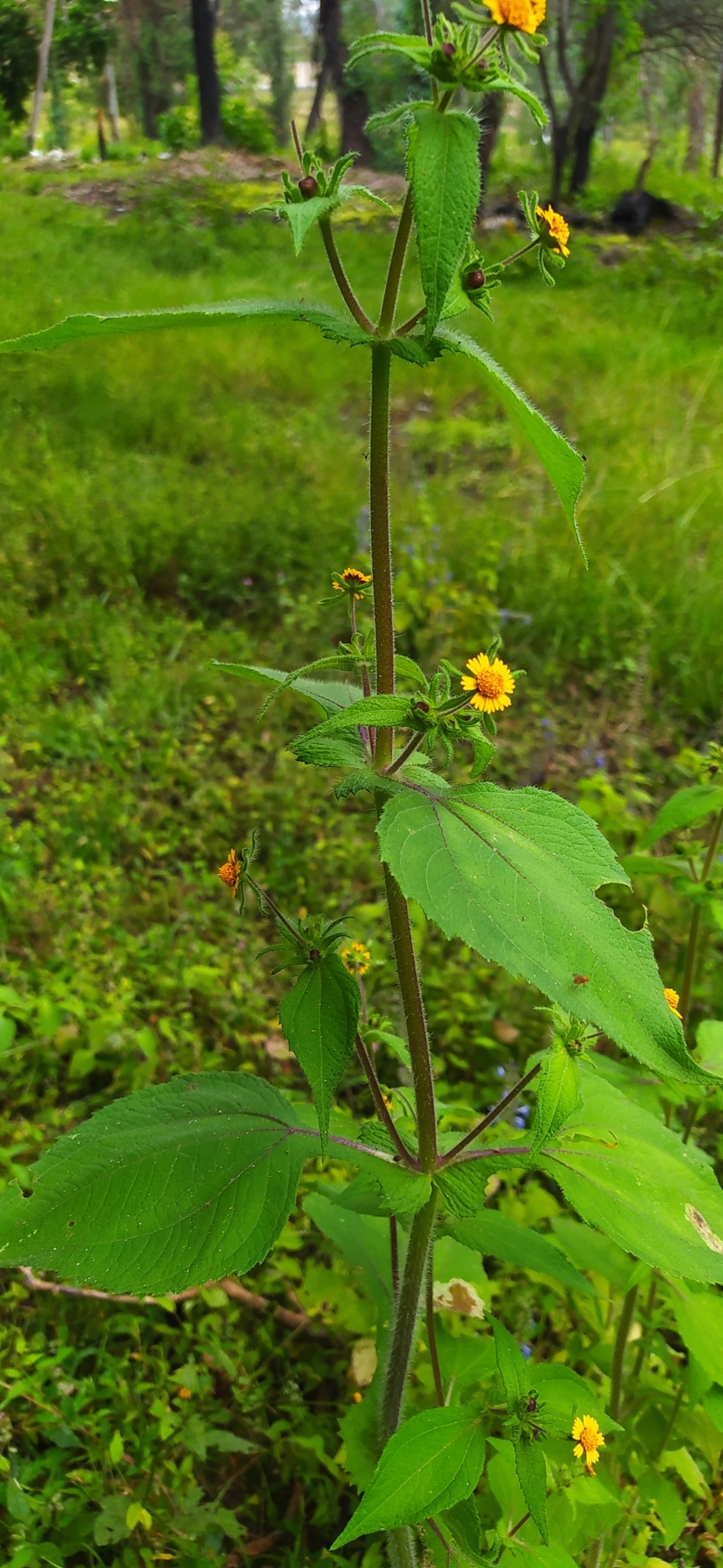
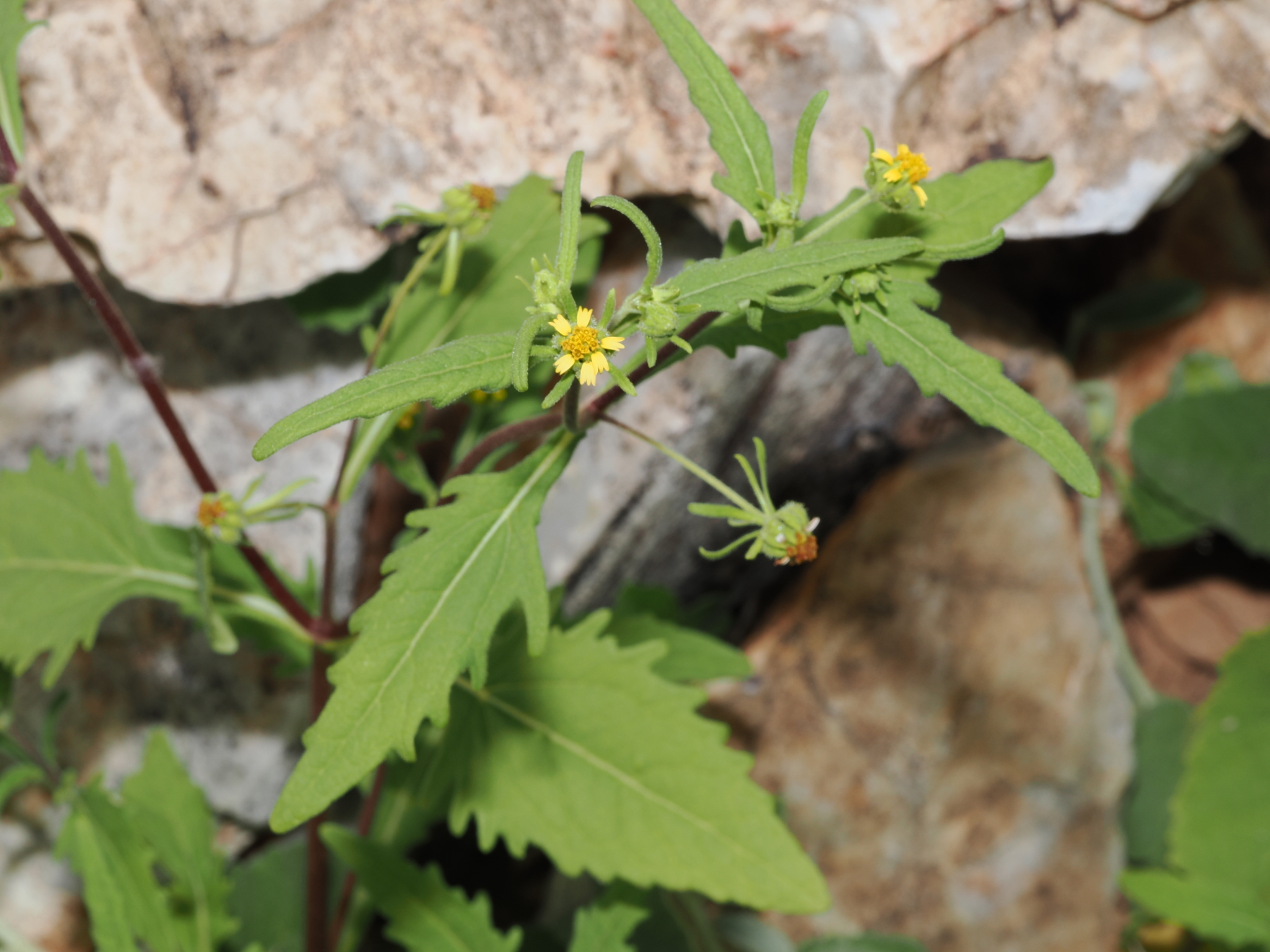
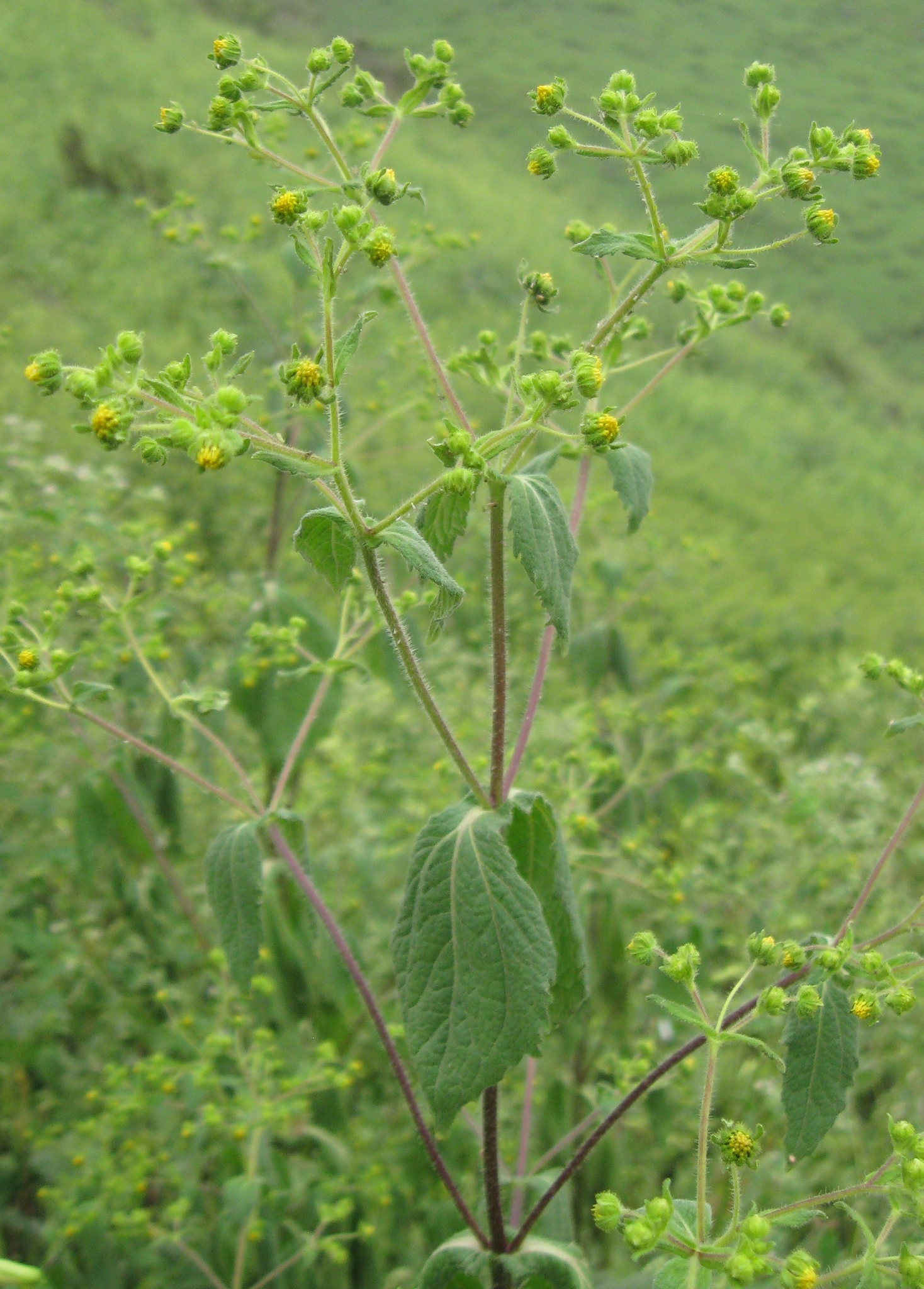
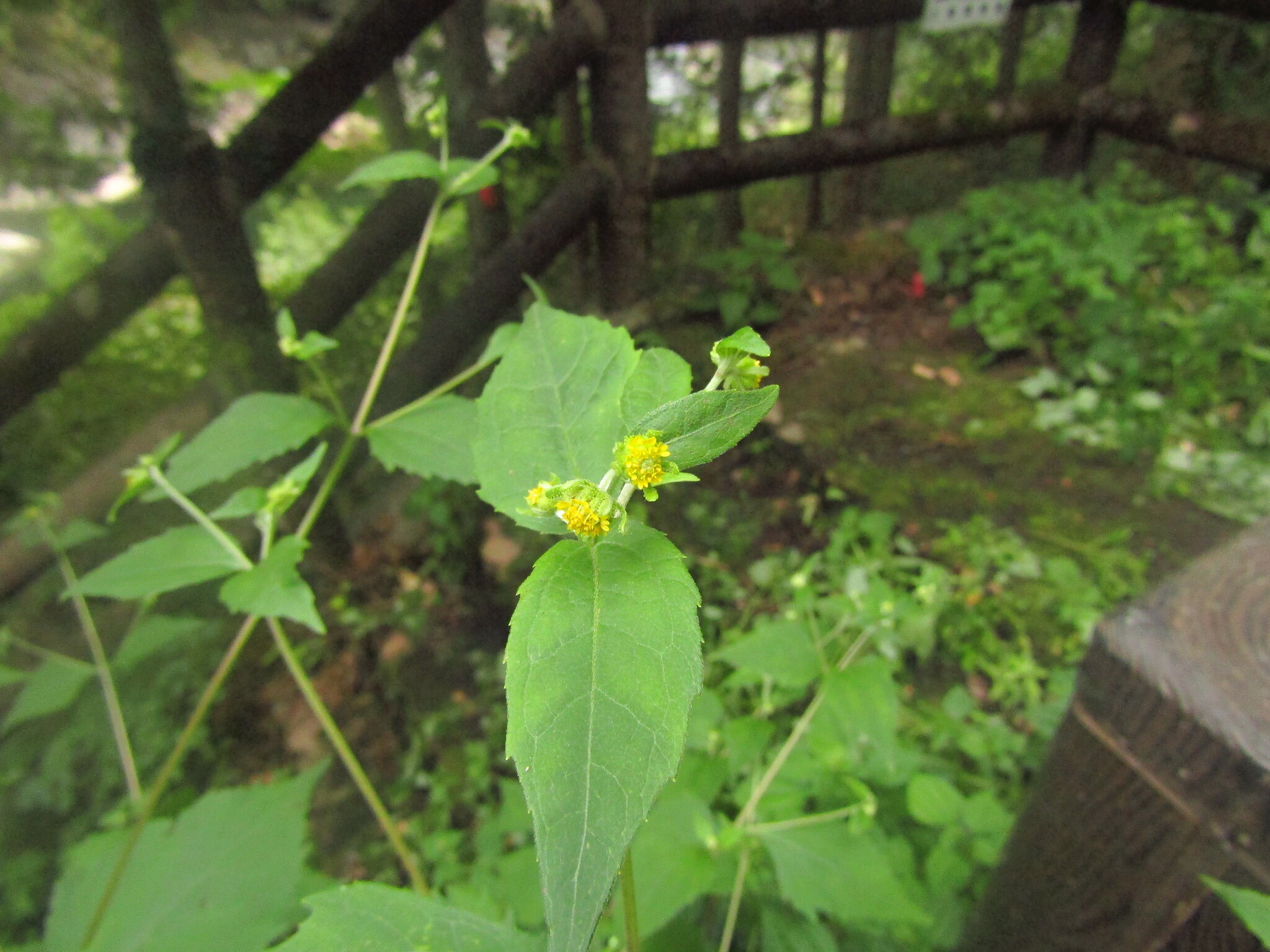
Common St. Paul's Wort (Sigesbeckia orientalis) is a widely distributed annual herb in the Asteraceae family, known for its traditional medicinal uses.
At-a-glance light, water, soil, and growing conditions from plant data
Moderate
50% intensity
Thrives in bright, indirect light. Can tolerate some direct morning sun but avoid harsh afternoon sun, which can scorch leaves.
Moderate
50% intensity
Prefers consistently moist soil, but avoid waterlogging. Allow top layer to dry slightly between waterings.
Well-drained
50% intensity
Moderate
50% intensity
Prefers average room temperatures between 18-24°C. Protect from frost and extreme cold. Avoid placing near drafty windows or heating vents.
Low
25% intensity
Feed with a balanced liquid fertilizer diluted to half strength every 4-6 weeks during the growing season. Reduce or stop in winter.
Safety information from plant toxicity data
| Attribute | Value |
|---|---|
| Toxic for humans | No 0/5 intensity |
| Toxic for pets | No 0/5 intensity |
| Edible | No |
Non-toxic to pets and humans.
Key traits and growing stats from plant data
Watering, pruning, propagation, and repotting details from plant data
Keep the soil consistently moist but not waterlogged. Water when the top 2-3 cm of soil feels dry to the touch. Reduce watering frequency during cooler months or if the plant is in a dormant state.
Ensure good drainage to prevent root rot.
Prune to maintain shape and encourage bushier growth. Pinch back young stems to promote branching. Remove any dead, damaged, or leggy stems as needed.
Light pruning can be done throughout the growing season, with heavier pruning in early spring.
Propagate by seeds sown in spring or by stem cuttings taken in late spring or early summer. Seeds can be sown directly into pots or trays and kept moist.
Cuttings should be rooted in a moist, well-draining medium, ideally in a warm environment.
Repot young plants annually in spring, or when they become root-bound. Mature plants can be repotted every 2-3 years. Use a good quality, well-draining potting mix.
Choose a pot that is slightly larger than the current one.
Identify plants like this with ePlant AI
Snap a photo to get care tips and match similar species on the go.
Monthly activity intensity for bloom and fruit across both hemispheres.
Flowering & fruiting calendar
Flowering & fruiting calendar
Photos of Common St. Paul's Wort (Sigesbeckia orientalis)
Where Common St. Paul's Wort (Sigesbeckia orientalis) is found

Density
Tap map to explore
Common names and botanical synonyms
Botanical classification
| Rank | Name |
|---|---|
| Kingdom | Plantae |
| Division | Tracheophyta |
| Class | Magnoliopsida |
| Order | Asterales |
| Family | Asteraceae |
| Genus | Sigesbeckia |
| Species | Sigesbeckia orientalis |
Similar in genus Sigesbeckia
Answers based on plant encyclopedia data