Cestrum Laevigatum (Cestrum laevigatum) – Growing Guide, Benefits & Care | ePlant AI
Cestrum Laevigatum (Cestrum laevigatum)
Cestrum laevigatum, Chilean Jessamine, is an evergreen shrub native to South America, known for its fragrant, tubular white flowers and fast growth.
Cestrum laevigatum is a species of flowering plant in the nightshade family, Solanaceae. This evergreen shrub or small tree is recognized for its attractive foliage and fragrant flowers, making it a notable component of its native ecosystems and a subject of horticultural interest.
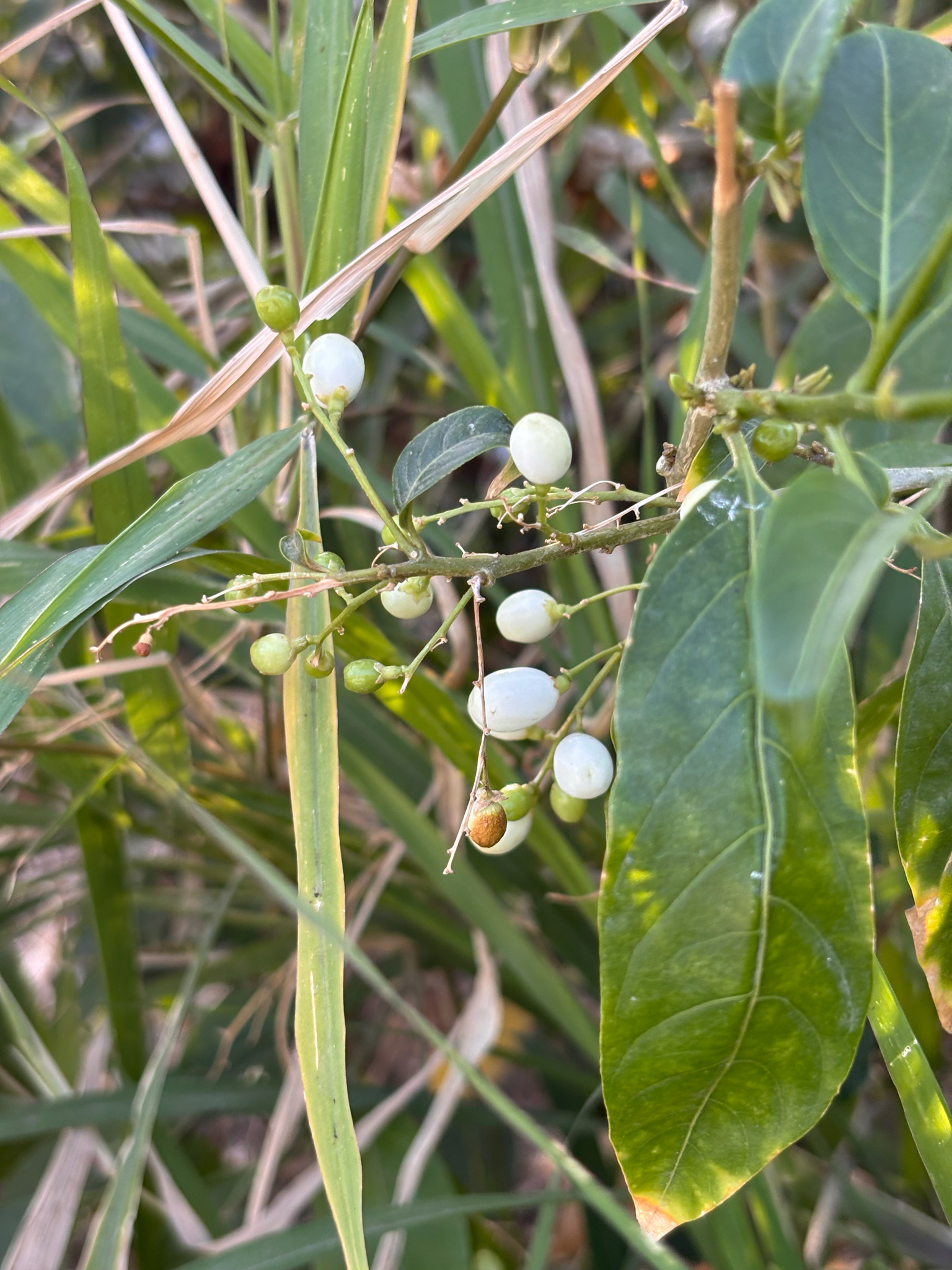
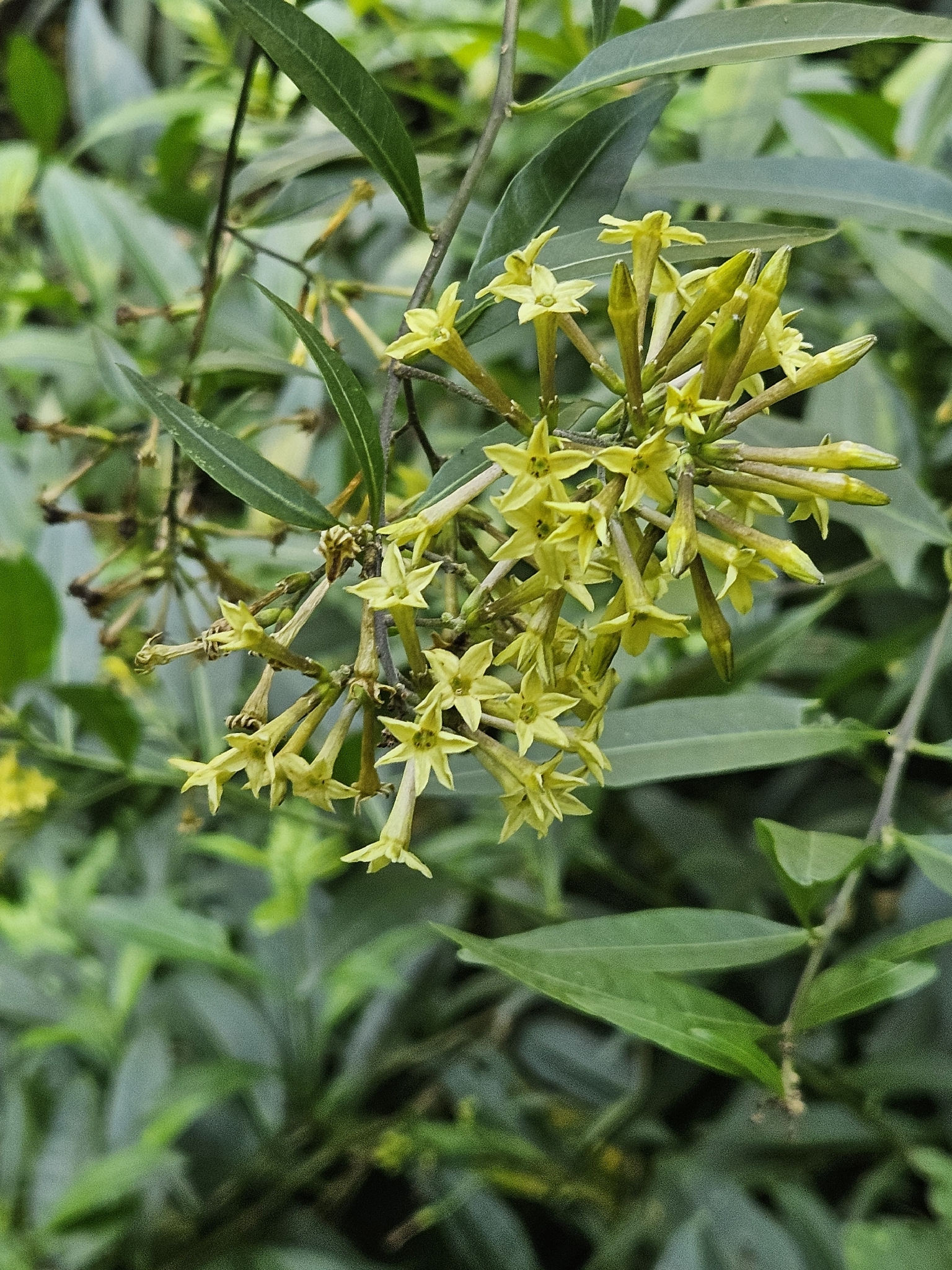
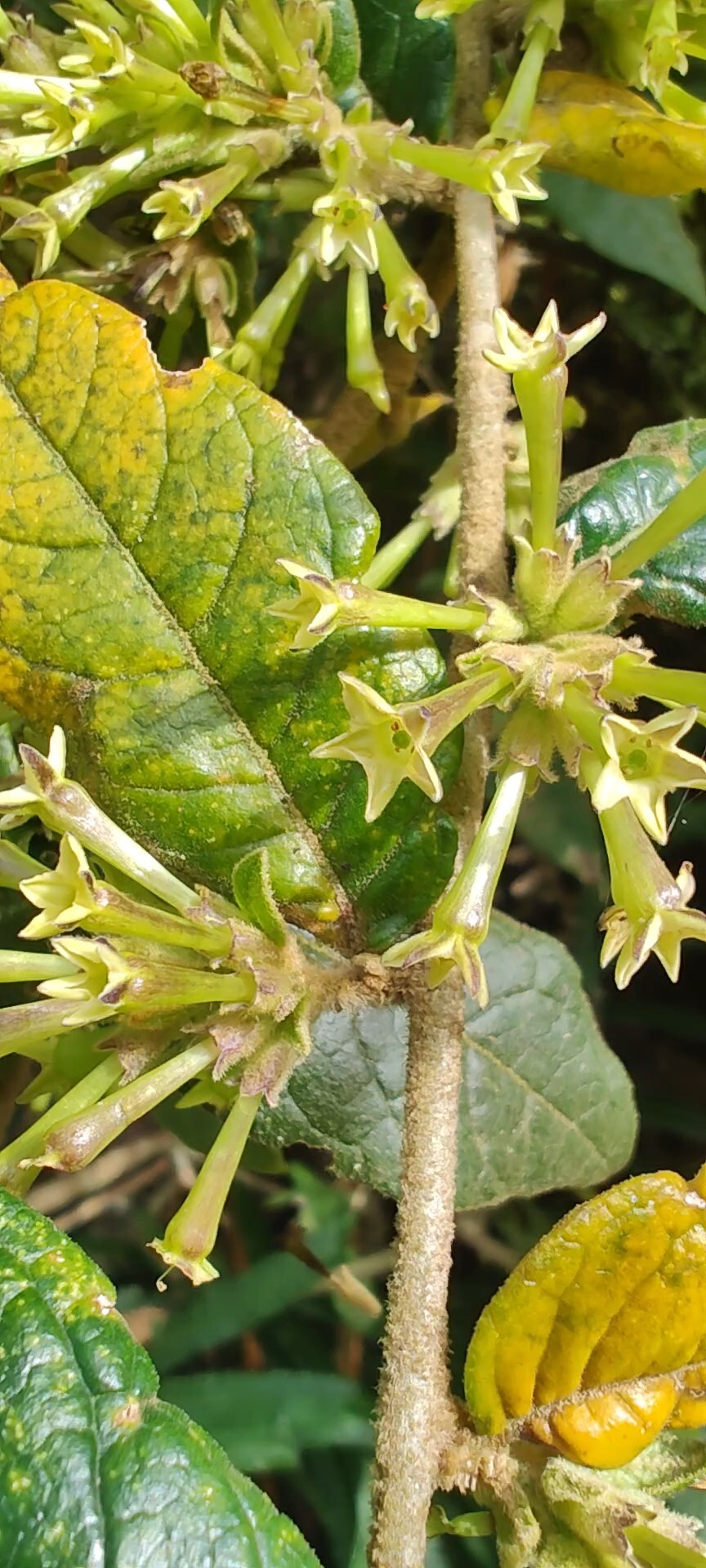
Physically, Cestrum laevigatum typically presents as an upright, multi-stemmed shrub or a small tree, often reaching heights of 2 to 5 meters, though it can occasionally grow taller. Its growth habit is generally dense and bushy. The leaves are arranged alternately along the stems and are simple, lanceolate to ovate in shape, and smooth-edged, measuring approximately 5 to 15 centimeters in length. The leaf surface is typically glossy and a vibrant green. The plant produces clusters of tubular, fragrant flowers, usually borne in terminal or axillary cymes. The corolla is typically a pale yellow to creamy white, with five fused petals that form a distinct tube. These flowers are often most fragrant in the evening, a characteristic shared by many members of the Cestrum genus. Following successful pollination, the plant develops small, berry-like fruits. These fruits are typically globose and mature to a dark purple or black color. The bark of Cestrum laevigatum is generally smooth and gray to brown.
The native distribution of Cestrum laevigatum is primarily within South America, with documented occurrences in countries such as Brazil, Argentina, and Uruguay. It thrives in a variety of natural habitats, often found in subtropical and temperate forests, woodlands, and along forest edges. It prefers well-drained soils and can tolerate a range of light conditions, from full sun to partial shade, although it often performs best with some protection from intense midday sun in hotter climates. Cultivation requirements generally align with its native habitat, emphasizing good drainage and moderate watering.
While specific documented uses for Cestrum laevigatum are not widely detailed in accessible scientific literature for medicinal, culinary, or economic purposes, its ornamental value is recognized. Its attractive foliage and fragrant, nocturnal blooming flowers make it a desirable plant for gardens, particularly in regions where it is well-adapted. The plant's ecological role within its native environment includes providing habitat and potential food sources for local fauna, though detailed studies on this aspect are limited.
An interesting characteristic of Cestrum laevigatum, shared with other species in the genus, is its nocturnal fragrance. The release of volatile organic compounds from its flowers in the evening is thought to attract nocturnal pollinators, such as moths. This adaptation is a common strategy among plants that rely on night-active insects for reproduction. The glossy leaves are also a notable feature, contributing to the plant's overall aesthetic appeal and potentially aiding in water management in its native environment.
Water regularly, keeping soil moist but not soggy.
Soil
Well-draining, fertile soil. Adaptable to various soil types but prefers slightly acidic to neutral pH.
Temperature
Ideal growing range is 15-25°C.
Habitat
Outdoor, Indoor
Fertilizer
Feed with a balanced liquid fertilizer during the growing season.
Care Requirements
Light
Prefers full sun to partial shade.
Protect from intense afternoon sun.
Water
Water regularly, keeping soil moist but not soggy.
Reduce watering in winter.
Soil
Well-draining, fertile soil. Adaptable to various soil types but prefers slightly acidic to neutral pH.
Temperature
Ideal growing range is 15-25°C.
Tolerates brief cooler periods but avoid frost.
Habitat
Outdoor, Indoor
Fertilizer
Feed with a balanced liquid fertilizer during the growing season.
Every 2-4 weeks.
Plant Overview
Plant Type
Shrub
Plant Category
Flowering, Ornamental
Plant Place Type
Ground, Garden, Pot
Plant Environment
Outdoor, Indoor
Lifespan
Perennials
Plant Height
2-4 m
Spread
2-4 m
Growth Rate
Fast
Dormancy
None
Leaf Color
Green
Leaf Type
Evergreen
Flower Size
1.5-2 cm
Image Gallery
Flowering & Fruiting Cycles
Monthly activity intensity for bloom and fruit across both hemispheres.
Northern hemisphere
Flowering & fruiting calendar
Peak bloom · JunPeak fruit · Jun
FloweringFruiting
Southern hemisphere
Flowering & fruiting calendar
Peak bloom · NovPeak fruit · Nov
FloweringFruiting
Synonyms
Cestrum axillare Vell.
Cestrum bella-sombra Dunal
Cestrum pendulinum Dunal
Taxonomy
kingdomPlantae
divisionTracheophyta
classMagnoliopsida
orderSolanales
familySolanaceae
genusCestrum
speciesCestrum laevigatum
Toxicity
Toxic for humans
Yes
Rating: 5/5
Toxic for pets
Yes
Rating: 5/5
Edible
No
Additional Care Tips
Water regularly during the growing season, allowing the top inch of soil to dry out between waterings. Reduce frequency in cooler months.
Prune after flowering to maintain shape and encourage bushier growth. Remove dead or damaged branches anytime. Light pruning can be done to control size.
Easily propagated from semi-hardwood cuttings taken in summer. Can also be grown from seed, though germination may be slow and variable.
Repot young plants annually in spring. Mature plants can be repotted every 2-3 years or when root-bound. Use a well-draining potting mix.
FAQs
Is Cestrum laevigatum poisonous to pets?
Yes, Cestrum laevigatum is considered toxic to pets. Ingestion of plant parts can cause gastrointestinal upset and other symptoms. Keep pets away from this plant.
What is the best way to prune Chilean Jessamine?
Prune Chilean Jessamine after its flowering period to maintain its shape and encourage denser growth. Remove any dead, diseased, or crossing branches to promote plant health.
How often should I water Cestrum laevigatum?
Water regularly during the growing season, allowing the top inch of soil to dry out between waterings. Reduce watering significantly in winter to prevent root rot.
Can Cestrum laevigatum be grown indoors?
Yes, Cestrum laevigatum can be grown indoors as a houseplant, provided it receives adequate light and is kept in a well-draining potting mix. It may not flower as profusely indoors.
What kind of soil does Cestrum laevigatum prefer?
This plant thrives in well-draining, fertile soil. It is adaptable to various soil types but performs best in slightly acidic to neutral pH conditions.