Water
Ivy Broomrape is a root parasite and does not require watering. Its host plant, English Ivy (Hedera helix), provides all the necessary moisture and nutrients.
Overwatering can harm the host plant and indirectly affect the broomrape.
Ivy Broomrape (Orobanche hederae) is a parasitic plant that lacks chlorophyll and relies on host plants, primarily ivy, for survival. It has a striking appearance and can
At-a-glance light, water, soil, and growing conditions from plant data
Indirect Sunlight
50% intensity
Prefers bright, indirect light. The host plant, English Ivy, typically thrives in such conditions.
Not Required
0% intensity
As a root parasite, it obtains water from its host, English Ivy. Overwatering the host can be detrimental.
Well-drained
50% intensity
Mild
50% intensity
Thrives in mild temperatures, generally between 15-25°C. Avoid extreme heat or frost.
Not Required
0% intensity
It is a parasite and derives nutrients from its host plant, English Ivy. Do not fertilize the broomrape directly.
Safety information from plant toxicity data
| Attribute | Value |
|---|---|
| Toxic for humans | No 0/5 intensity |
| Toxic for pets | No 0/5 intensity |
Non-toxic
Key traits and growing stats from plant data
Watering, pruning, propagation, and repotting details from plant data
Ivy Broomrape is a root parasite and does not require watering. Its host plant, English Ivy (Hedera helix), provides all the necessary moisture and nutrients.
Overwatering can harm the host plant and indirectly affect the broomrape.
Pruning is generally not required for Ivy Broomrape itself. Any removal should focus on managing the host plant, English Ivy, to ensure its health and prevent overgrowth that might suffocate the broomrape.
Remove dead or diseased sections of the host.
Ivy Broomrape propagates naturally via seeds which are dispersed by wind, water, or animals. These seeds require specific conditions to germinate, often needing the presence of host plant roots.
Artificial propagation is not practical or recommended.
Repotting is not applicable to Ivy Broomrape as it is a root parasite. It grows attached to the roots of its host plant, English Ivy. Attempts to separate or repot would be detrimental to both the broomrape and its host.
Identify plants like this with ePlant AI
Snap a photo to get care tips and match similar species on the go.
Monthly activity intensity for bloom and fruit across both hemispheres.
Flowering & fruiting calendar
Flowering & fruiting calendar
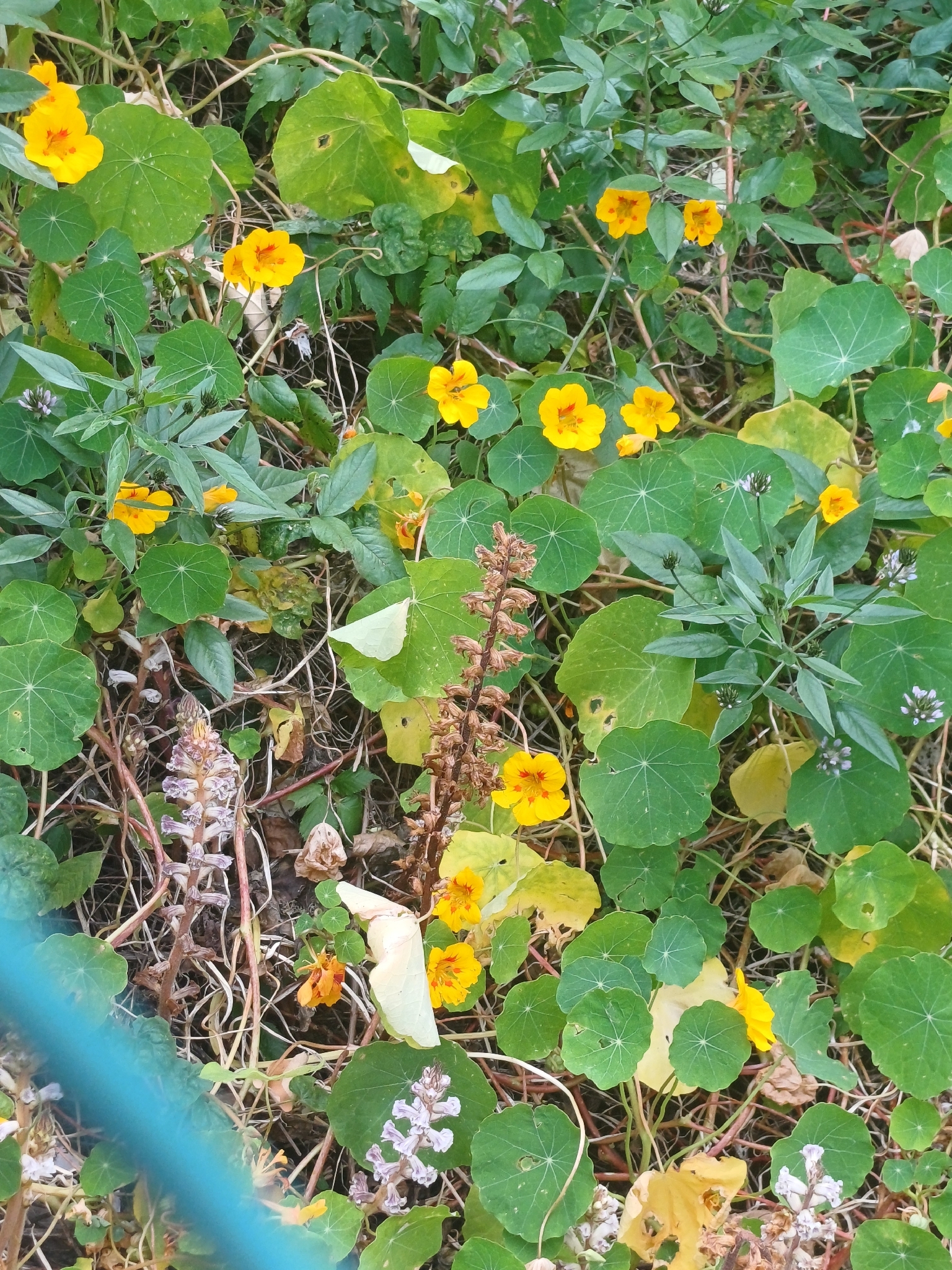
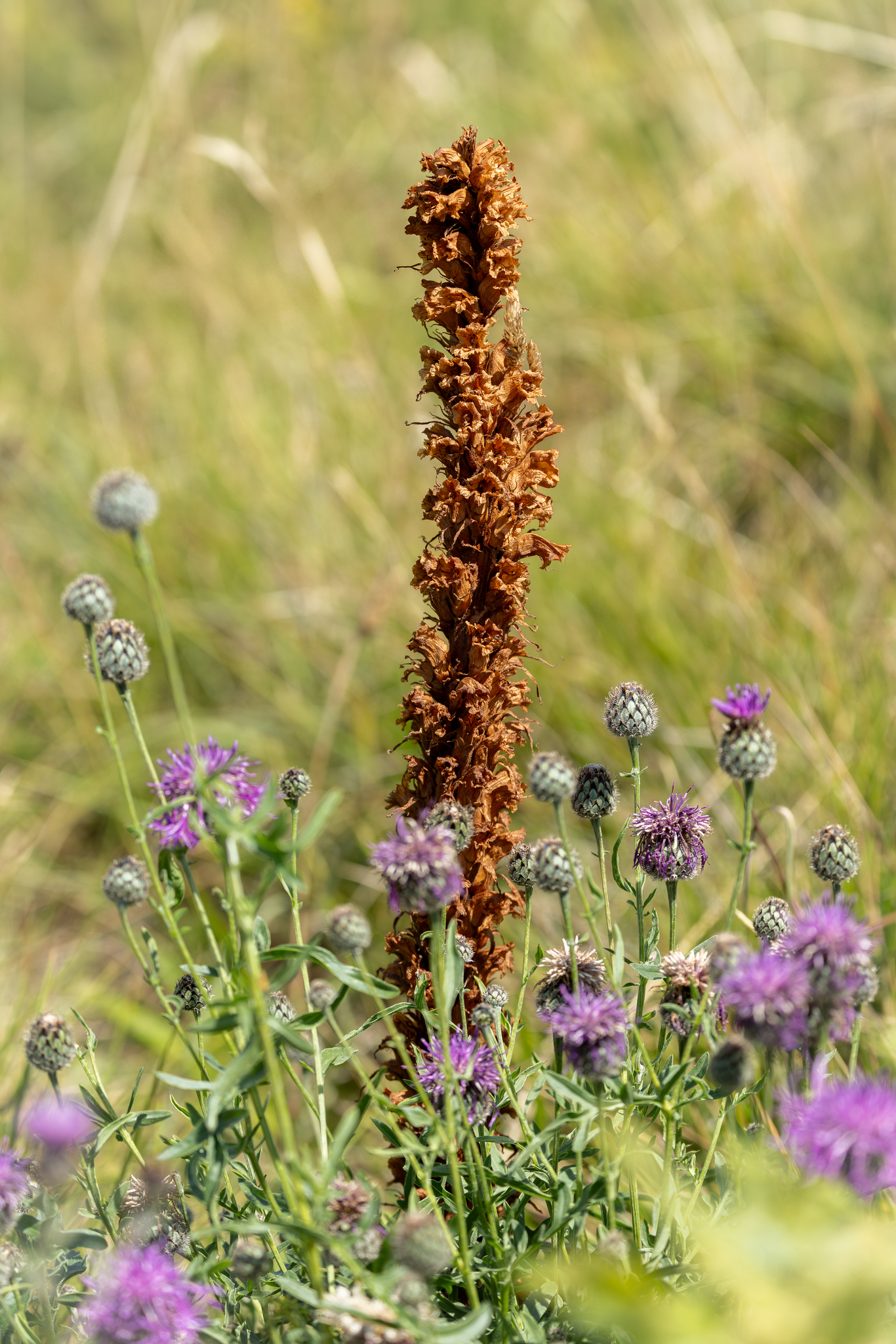
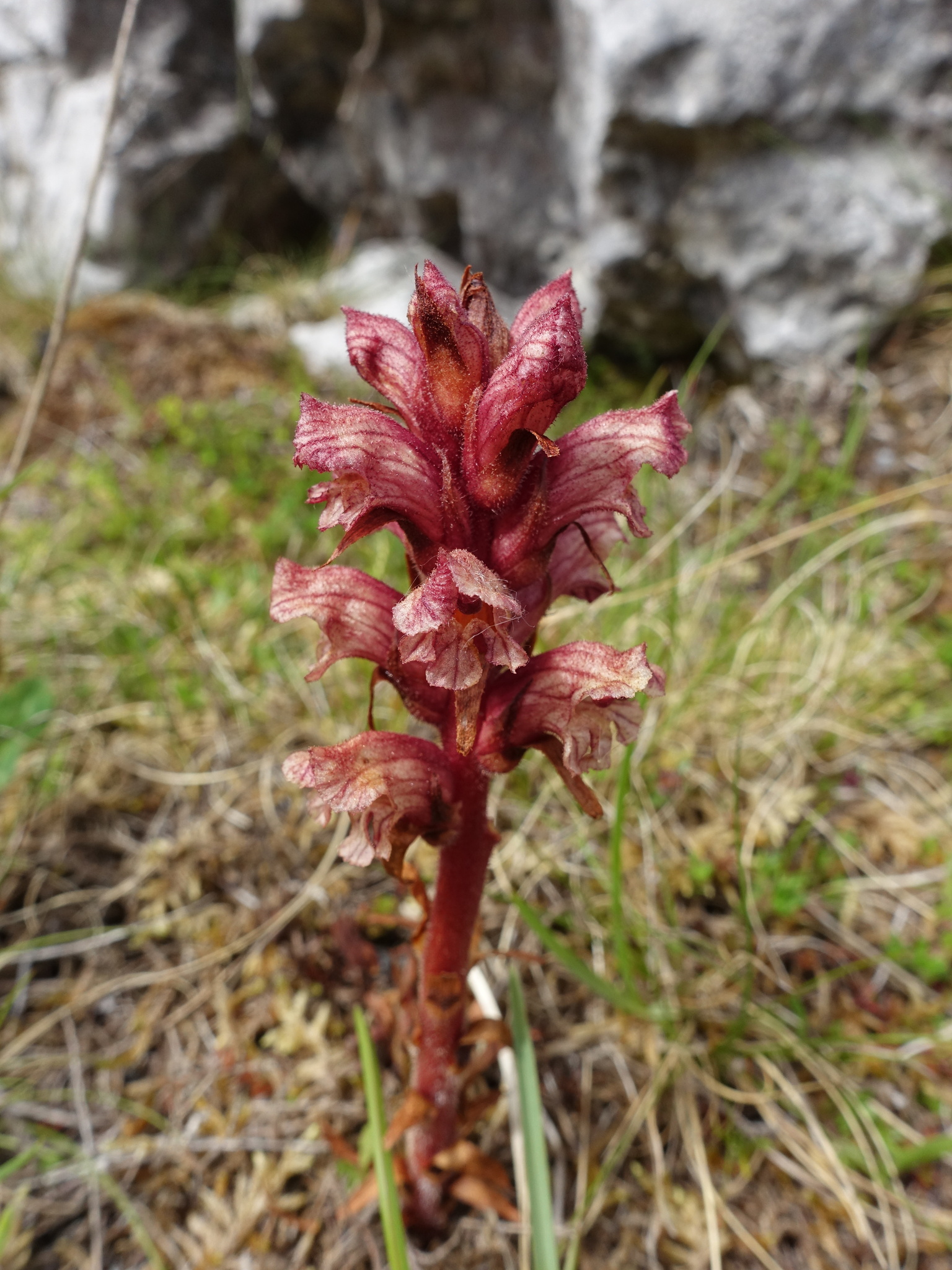
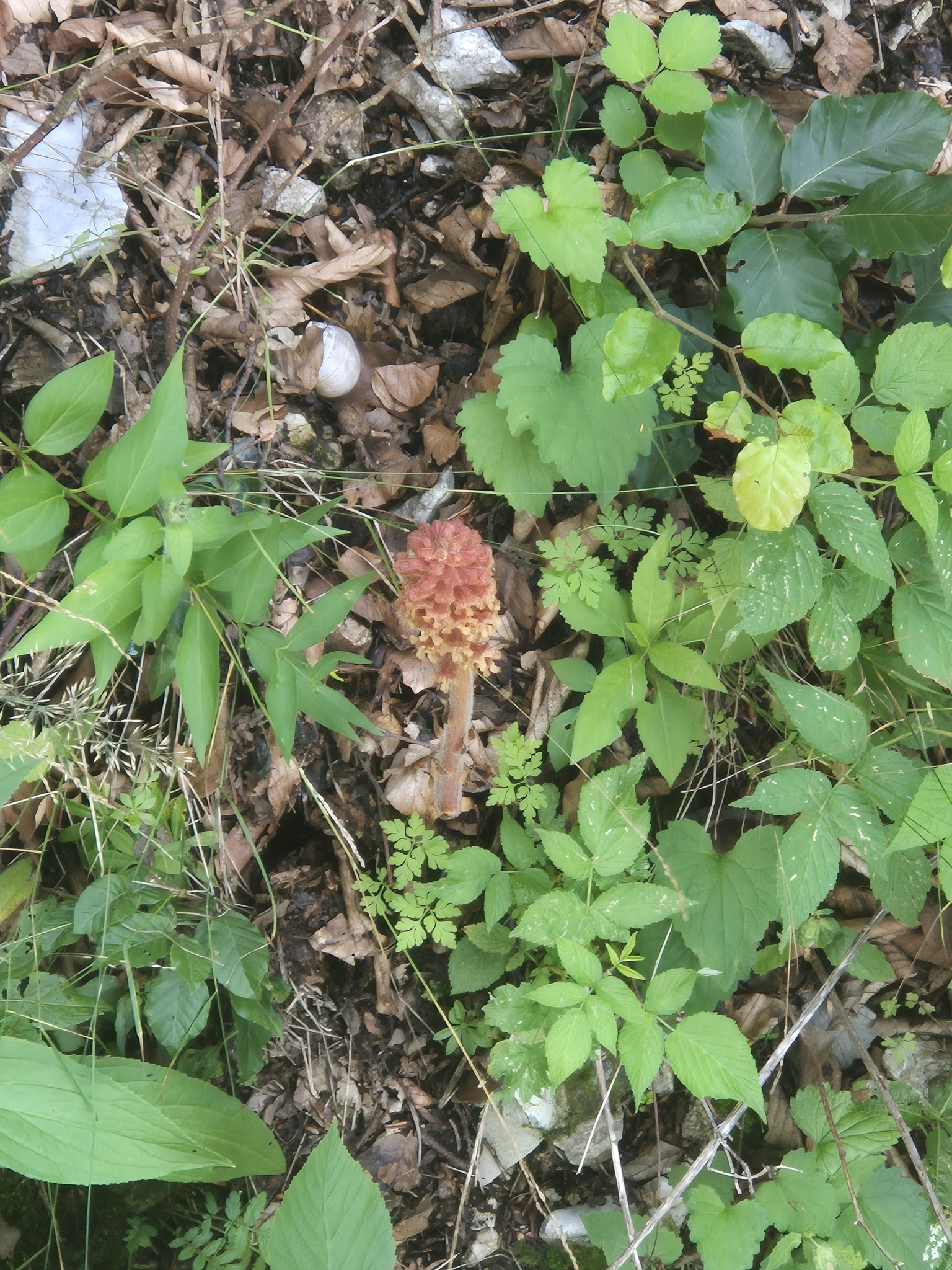
Photos of Ivy Broomrape (Orobanche hederae)
Where Ivy Broomrape (Orobanche hederae) is found

Density
Tap map to explore
Common names and botanical synonyms
Botanical classification
| Rank | Name |
|---|---|
| Kingdom | Plantae |
| Division | Tracheophyta |
| Class | Magnoliopsida |
| Order | Lamiales |
| Family | Orobanchaceae |
| Genus | Orobanche |
| Species | Orobanche hederae |
Similar in genus Orobanche
Answers based on plant encyclopedia data