Himatanthus Drasticus (Himatanthus drasticus)

Himatanthus drasticus is a striking tree native to Brazil, known for its vibrant flowers and medicinal properties, often used in traditional remedies.

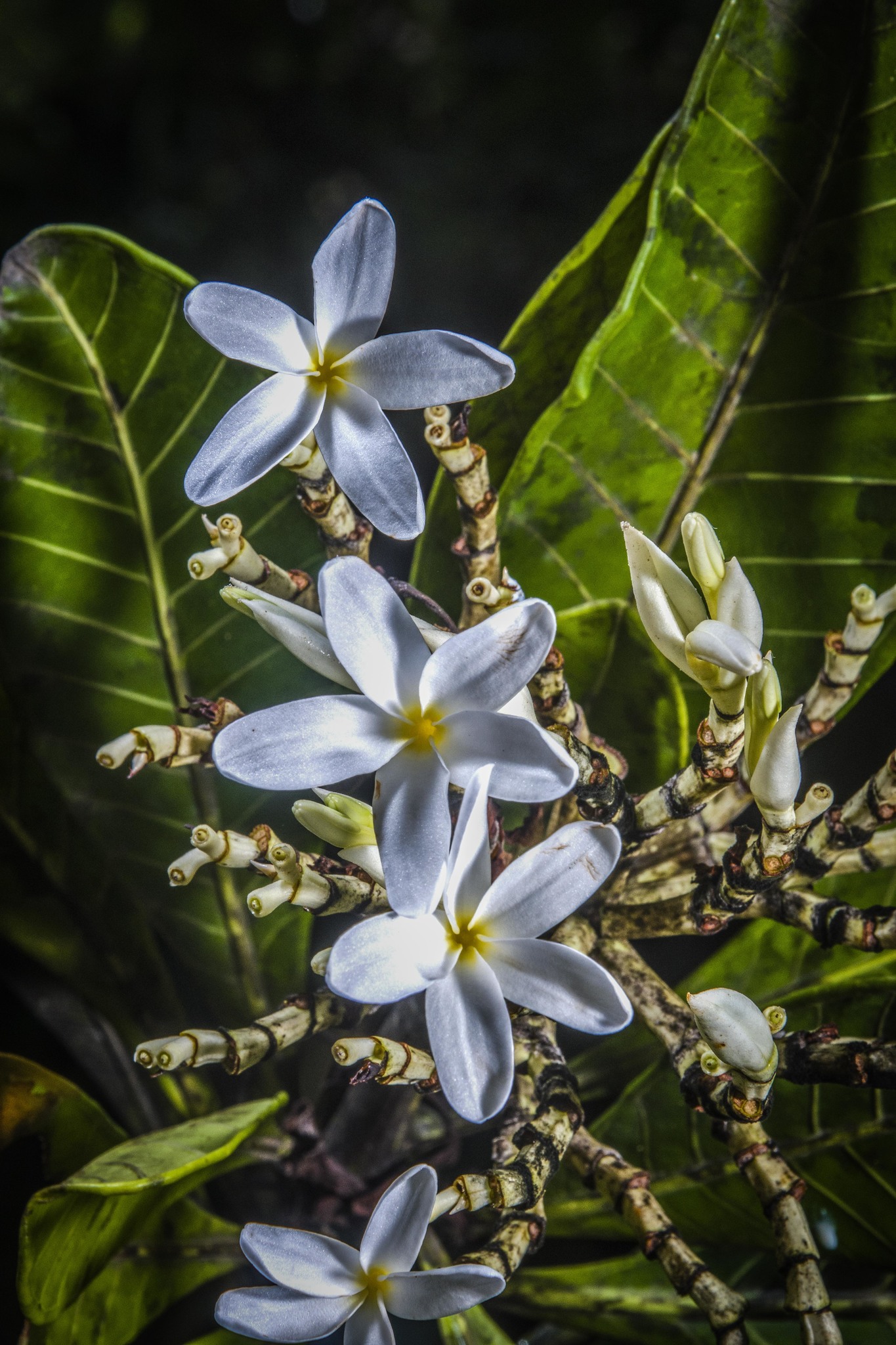
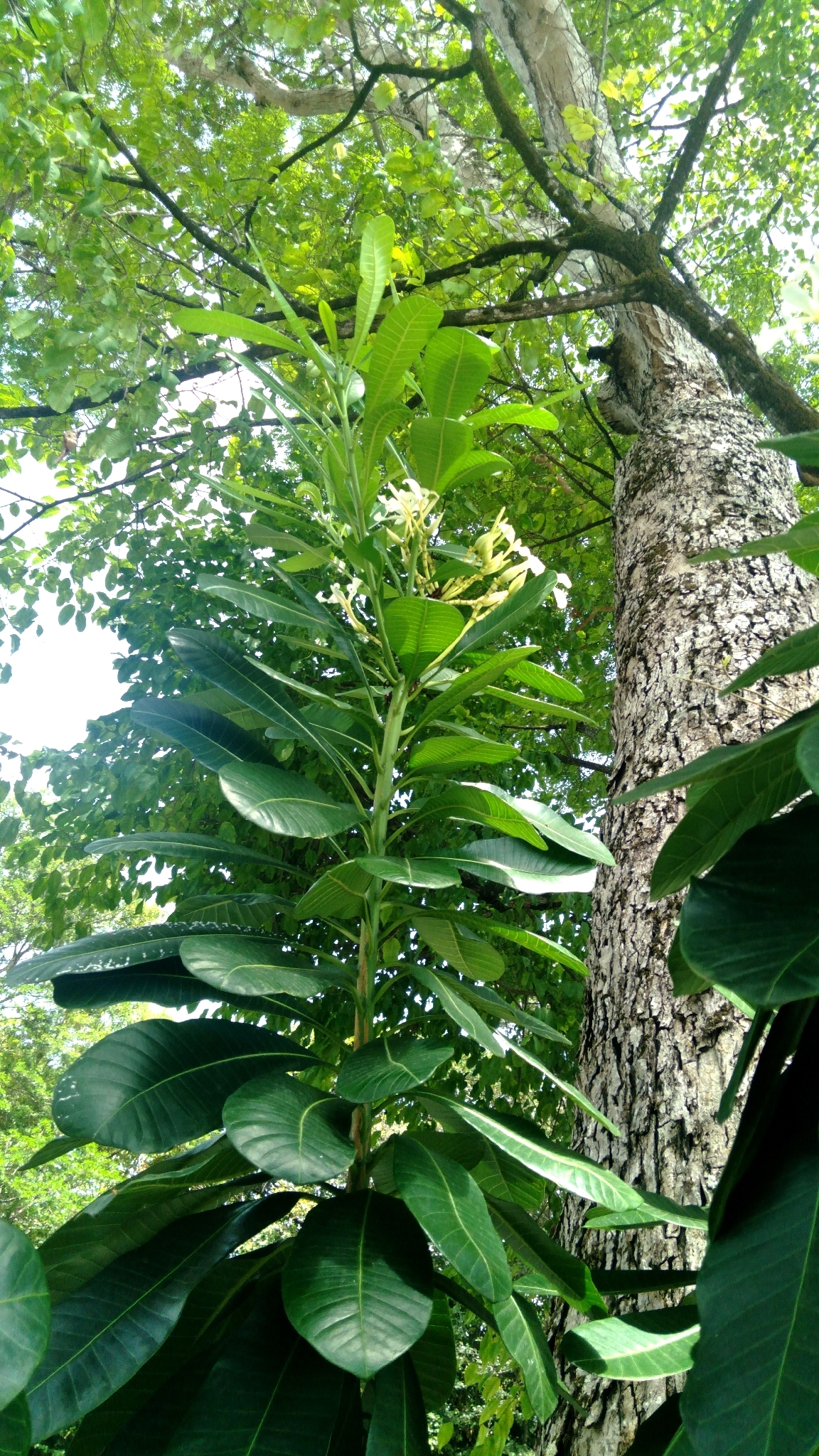
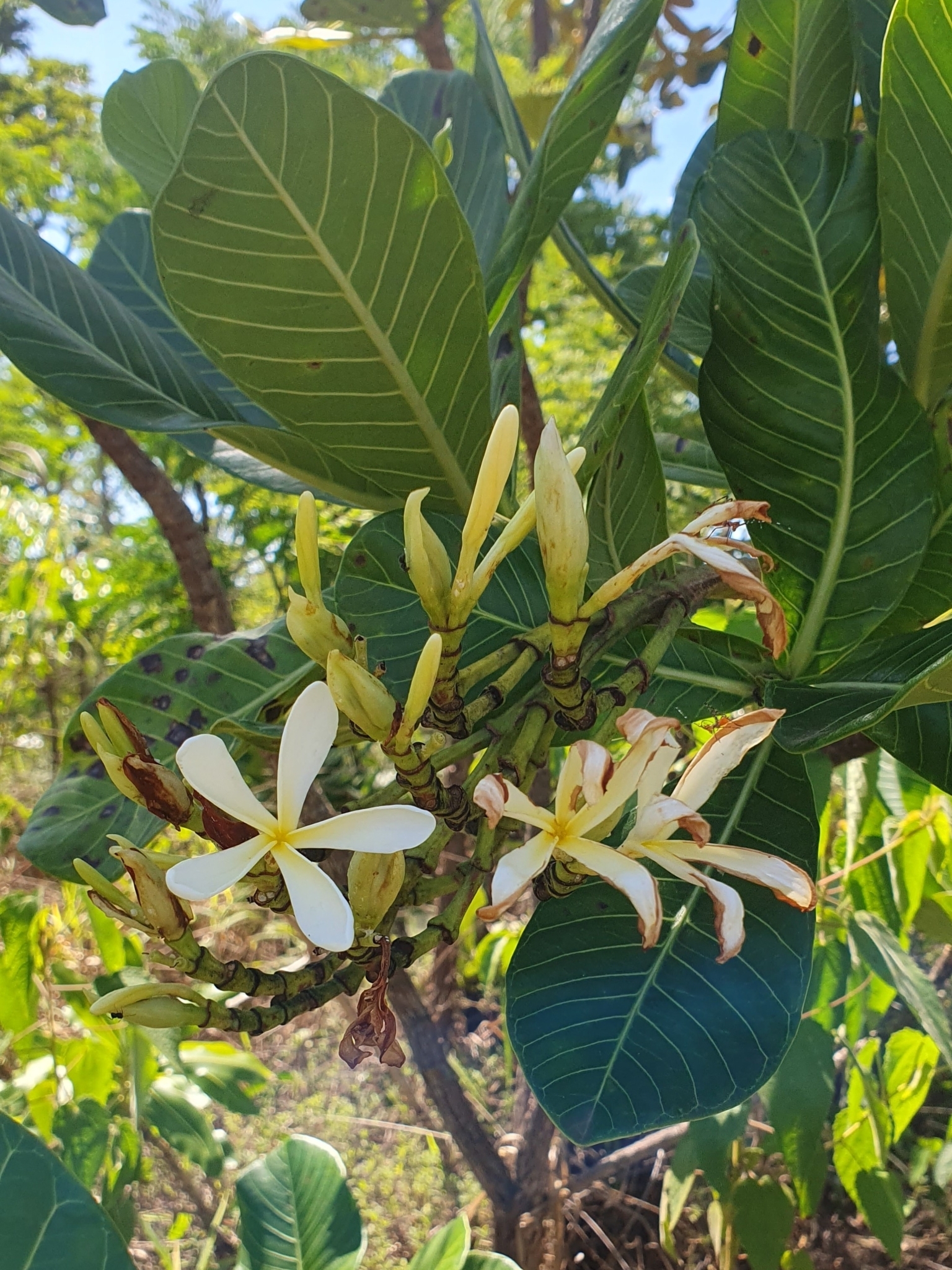
Himatanthus drasticus, commonly known by its scientific name, is a striking tree native to the Brazilian Cerrado. This species is recognized for its distinctive appearance and its role within its ecosystem. As a member of the Apocynaceae family, it shares characteristics with other dogbane relatives, often exhibiting milky latex and showy flowers. The growth habit of Himatanthus drasticus is typically that of a small to medium-sized tree, often reaching heights of up to 10 meters, though it can sometimes grow larger. Its trunk is usually singular and can be somewhat tortuous, contributing to its unique silhouette. The bark is generally smooth and grayish. The leaves are arranged in whorls at the apex of branches, a characteristic feature that aids in its identification. These leaves are simple, obovate to elliptic, and leathery in texture, often with a glossy adaxial surface. During its flowering season, Himatanthus drasticus produces abundant, large, trumpet-shaped flowers. These blossoms are typically white or pale yellow, with a prominent corolla tube and spreading lobes, emitting a pleasant fragrance. The inflorescences are terminal, bearing multiple flowers. Following successful pollination, the plant develops fruits, which are usually elongated follicles containing numerous seeds. The seeds are often winged, facilitating wind dispersal. Himatanthus drasticus is primarily found in the Cerrado biome of Brazil, a vast tropical savanna region characterized by a mosaic of grasslands, savannas, and woodlands. It thrives in well-drained soils, often found in open areas or at the edges of gallery forests. Its natural habitat is adapted to the distinct wet and dry seasons characteristic of the Cerrado. While it is a significant component of its native flora, information regarding its widespread cultivation outside its native range is less extensively documented. The ecological importance of Himatanthus drasticus lies in its contribution to the biodiversity of the Cerrado. Its flowers provide a nectar source for various pollinators, including insects and birds, and its fruits and seeds serve as food for frugative animals. Historically, the milky latex produced by the plant has been a subject of interest. Indigenous communities and local populations have utilized this latex for various purposes, though scientific documentation of specific medicinal or economic uses requires careful verification. One of the most interesting characteristics of Himatanthus drasticus is its adaptation to fire, a common ecological factor in the Cerrado. The thick bark offers some protection to the trunk, and the plant possesses the ability to resprout from its root system after fires. The striking visual appeal of its abundant floral displays also makes it a noteworthy species within its natural landscape, attracting attention during its blooming period.

Above information is sourced from Wikipedia

Sunlight

Full Sun

Watering

Moderate

Soil

Well-drained

Temperature

Warm

Fertilizer

Moderate

Care Requirements

Light

Full Sun

Prefers bright, direct sunlight for optimal growth and flowering.

Watering

Moderate

Allow soil to dry slightly between waterings.

Soil

Well-drained

Temperature

Warm

Ideal temperatures are between 20-30°C. Protect from frost.

Fertilizer

Moderate

Feed during the growing season with a balanced liquid fertilizer.

Plant Overview

Plant Type

Tree

Plant Category

Ornamental

Plant Place Type

Garden, Pot

Lifespan

Perennial

Plant Height

500-1000 cm

Spread

200-400 cm

Growth Rate

Moderate

Dormancy

No

Leaf Color

Green

Leaf Type

Simple

Flower Size

3-4 cm

Optimal Sunlight Lux

60000

Image Gallery

Flowering & Fruiting Cycles

Monthly activity intensity for bloom and fruit across both hemispheres.

Northern hemisphere

Flowering & fruiting calendar

Peak bloom · JunPeak fruit · Aug
FloweringFruiting
02468JanFebMarAprMayJunJulAugSepOctNovDecActivity intensityMonths88
Southern hemisphere

Flowering & fruiting calendar

Peak bloom · DecPeak fruit · Jan
FloweringFruiting
02468JanFebMarAprMayJunJulAugSepOctNovDecActivity intensityMonths88
Synonyms
Himatanthus fallax (Müll.Arg.) Plumel
Plumeria drastica Mart.
Plumeria fallax Müll.Arg.
Taxonomy
  • kingdomPlantae
  • divisionTracheophyta
  • classMagnoliopsida
  • orderGentianales
  • familyApocynaceae
  • genusHimatanthus
  • speciesHimatanthus drasticus
Toxicity

The latex is irritating.

Additional Care Tips

Water generously when the top 2-3 cm of soil is dry, reducing frequency in cooler months. Avoid waterlogging, as Himatanthus drasticus prefers well-draining conditions. Ensure good drainage holes in the pot to prevent root rot, especially during periods of lower growth.

Prune to maintain desired shape and size, and to remove any dead, damaged, or crossing branches. The best time for pruning is after flowering. Himatanthus drasticus can tolerate heavier pruning to encourage bushier growth if needed.

Propagate from semi-hardwood cuttings taken in late spring or early summer. Dip the cut end in rooting hormone and plant in a well-draining potting mix. Keep the cuttings consistently moist and provide bottom heat for best results.

Repot every 2-3 years or when the plant becomes root-bound. Use a well-draining potting mix, such as a cactus or succulent blend. Choose a pot that is only slightly larger than the current one to avoid overwatering issues.

FAQs

What is the native habitat of Himatanthus drasticus?

Himatanthus drasticus is native to the Cerrado biome of Brazil.

What are the flowering characteristics of Himatanthus drasticus?

It produces large, showy white or yellow flowers, often with a sweet fragrance.

Is Himatanthus drasticus easy to grow?

It prefers well-drained soils and a sunny location. It is relatively drought-tolerant once established.

Does Himatanthus drasticus produce fruit?

Yes, it produces a fruit capsule containing seeds.

What is the medicinal use of Himatanthus drasticus?

Traditionally, the latex and bark have been used in folk medicine for various ailments, though scientific validation is ongoing.