Water
Keep the soil consistently moist but not waterlogged during the growing season. Reduce watering in winter, allowing the top layer of soil to dry out slightly between waterings.
Proper drainage is crucial to prevent root rot.
Also known as Chinese Apricot · Chinese Flowering Plum · Chinese New Year Plum
Japanese Apricot (Prunus mume) is a deciduous tree known for its fragrant spring blossoms and edible fruit, often used in culinary and medicinal applications.
At-a-glance light, water, soil, and growing conditions from plant data
Full Sun
100% intensity
Prefers at least 6-8 hours of direct sunlight daily for optimal flowering and fruiting.
Moderate
50% intensity
Ensure consistent moisture during the growing season, but avoid waterlogged conditions. Reduce watering in winter.
Well-drained, fertile soil
50% intensity
Moderate
50% intensity
Requires a period of winter chill for good flowering. Protect from extreme heat and frost during sensitive growth periods.
Moderate
50% intensity
Feed with a balanced fertilizer in spring and a lower-nitrogen one after flowering.
Safety information from plant toxicity data
| Attribute | Value |
|---|---|
| Toxic for humans | No 0/5 intensity |
| Toxic for pets | No 0/5 intensity |
| Edible | Yes |
None
Key traits and growing stats from plant data
Watering, pruning, propagation, and repotting details from plant data
Keep the soil consistently moist but not waterlogged during the growing season. Reduce watering in winter, allowing the top layer of soil to dry out slightly between waterings.
Proper drainage is crucial to prevent root rot.
Prune Japanese Apricots after flowering to shape the tree and remove any dead, damaged, or crossing branches. Summer pruning can be done to control size and improve air circulation, but avoid heavy pruning late in the season.
Japanese Apricots are typically propagated by grafting onto suitable rootstock. Seed propagation is possible but often results in variability.
Grafting is preferred for desired characteristics like disease resistance and fruit quality.
Young trees may need repotting every 2-3 years, while mature trees can be repotted less frequently. Repot in early spring before new growth begins. Use a well-draining soil mix and trim back some of the root system.
Identify plants like this with ePlant AI
Snap a photo to get care tips and match similar species on the go.
Monthly activity intensity for bloom and fruit across both hemispheres.
Flowering & fruiting calendar
Flowering & fruiting calendar
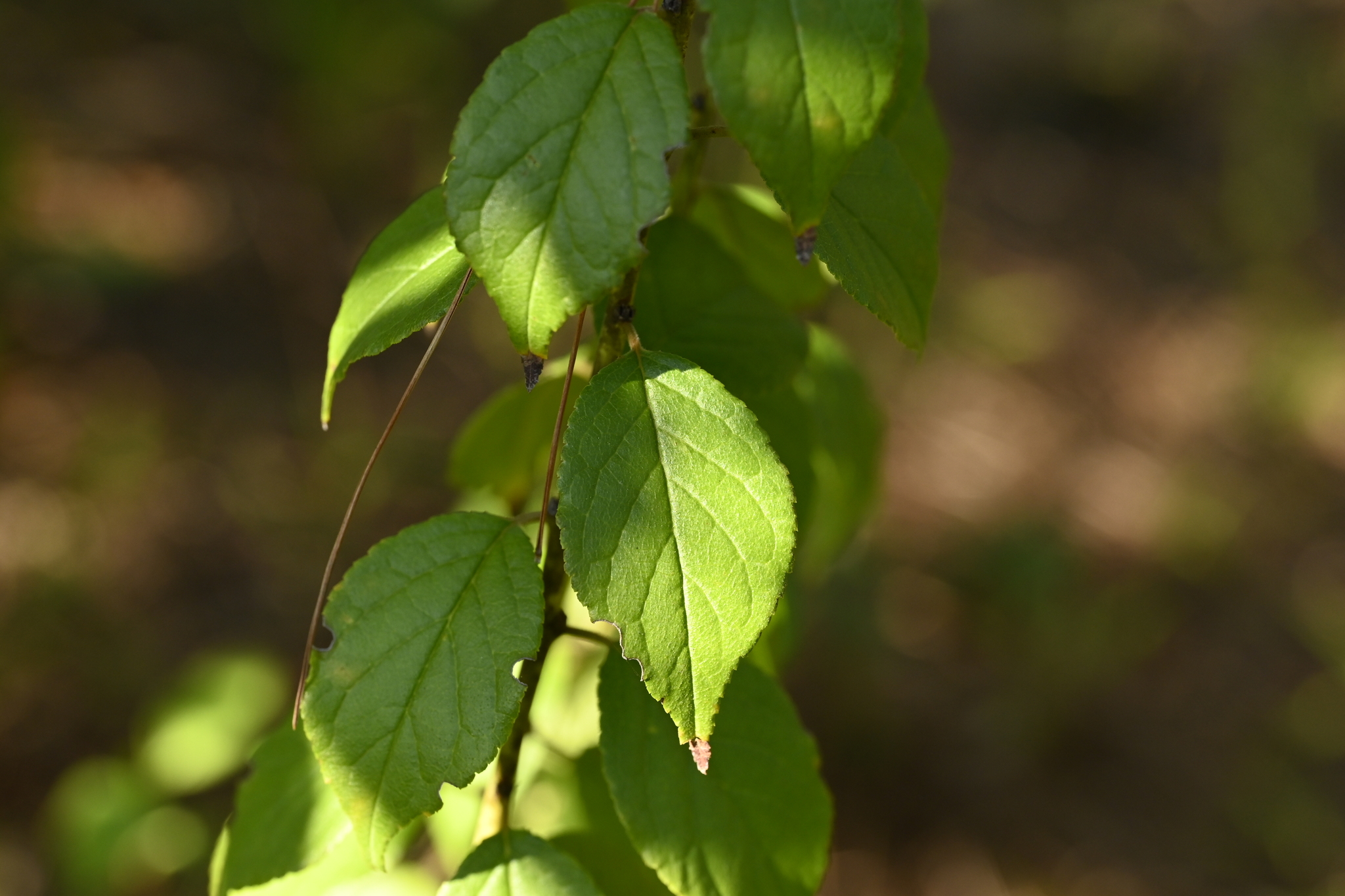
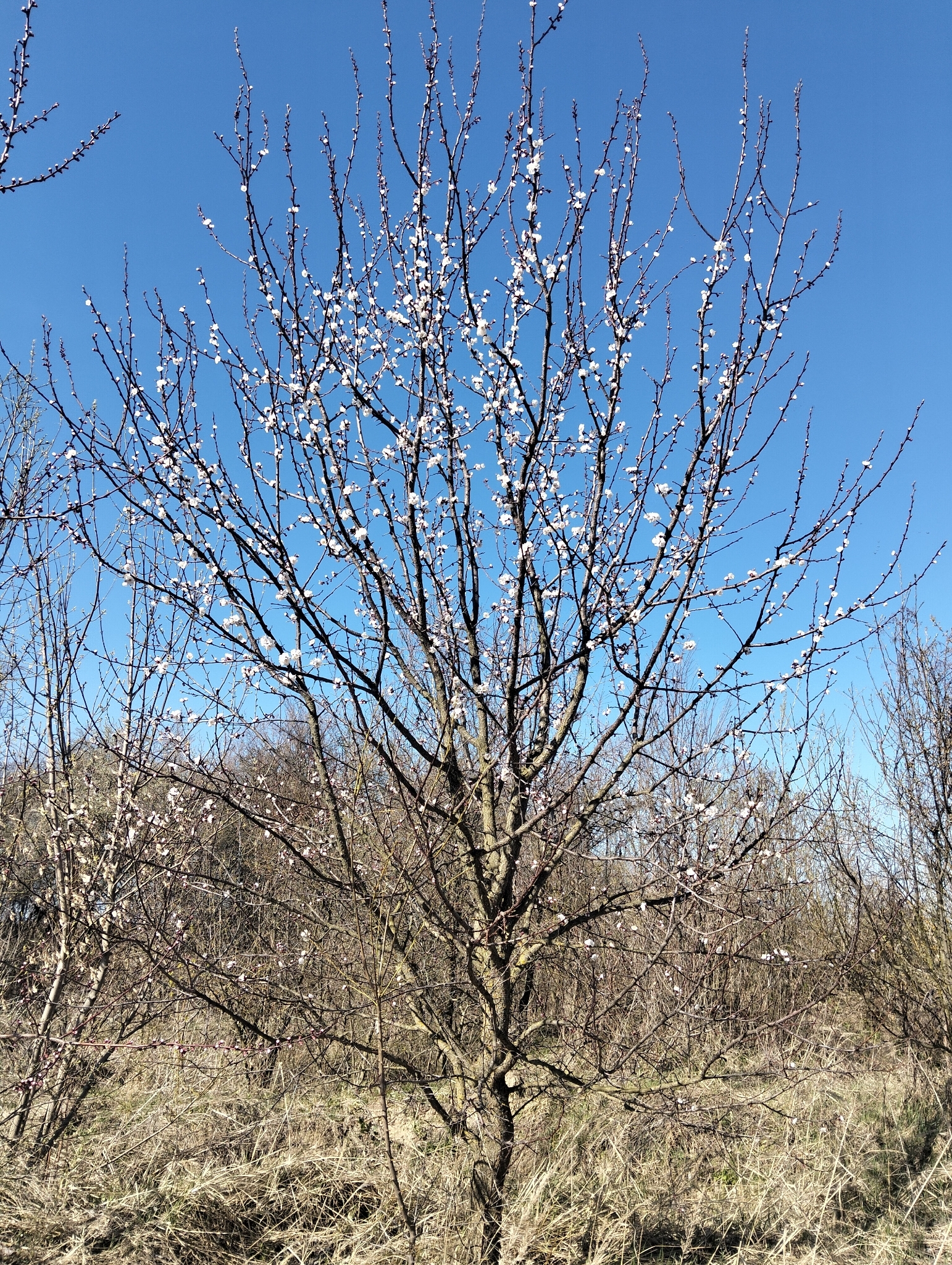
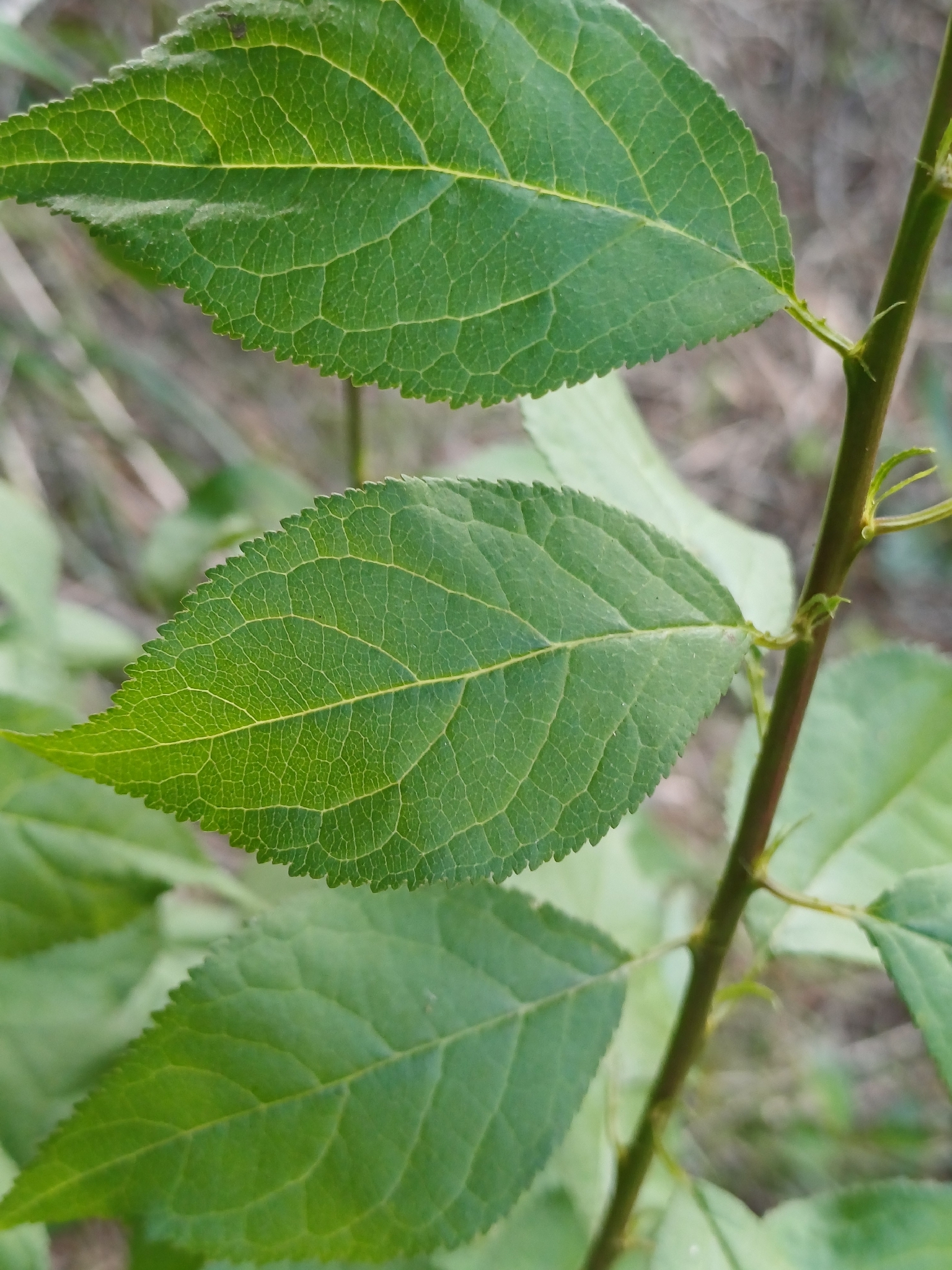
Photos of Japanese Apricot (Prunus mume)
Where Japanese Apricot (Prunus mume) is found

Density
Tap map to explore
Common names and botanical synonyms
Botanical classification
| Rank | Name |
|---|---|
| Kingdom | Plantae |
| Division | Tracheophyta |
| Class | Magnoliopsida |
| Order | Rosales |
| Family | Rosaceae |
| Genus | Prunus |
| Species | Prunus mume |
Similar in genus Prunus
Answers based on plant encyclopedia data