Water
Musa basjoo thrives in consistently moist soil. Water thoroughly when the top 2-3 cm of soil feels dry. Reduce watering during winter dormancy but do not allow the soil to dry out completely.
Ensure good drainage to prevent root rot.
Also known as Hardy Banana · Japanese Fibre Banana
Japanese banana (Musa basjoo) is a hardy, ornamental banana plant known for its large, lush foliage, offering a tropical feel to temperate gardens.
At-a-glance light, water, soil, and growing conditions from plant data
Full sun to partial shade
75% intensity
Prefers full sun for best growth and potential fruiting, but tolerates partial shade. Protect from intense afternoon sun in very hot climates.
Consistent moisture
75% intensity
Keep soil evenly moist, but not waterlogged. Water more frequently during hot, dry periods.
Well-drained, fertile soil
50% intensity
Warm
75% intensity
Thrives in temperatures between 20-30°C. Protect from frost; it can survive brief dips to around 0°C but will die back to the ground.
Outdoor
50% intensity
Heavy feeder
75% intensity
Requires regular feeding with a balanced, high-nitrogen fertilizer during the growing season for optimal growth.
Safety information from plant toxicity data
| Attribute | Value |
|---|---|
| Toxic for humans | No 0/5 intensity |
| Toxic for pets | No 0/5 intensity |
| Edible | No |
Non-toxic to humans and pets.
Key traits and growing stats from plant data
Watering, pruning, propagation, and repotting details from plant data
Musa basjoo thrives in consistently moist soil. Water thoroughly when the top 2-3 cm of soil feels dry. Reduce watering during winter dormancy but do not allow the soil to dry out completely.
Ensure good drainage to prevent root rot.
Remove any dead, damaged, or diseased pseudostems. After fruiting (which is rare in non-tropical climates), the mother pseudostem should be cut down to the ground to allow new pups to emerge.
Trim away any suckers not desired.
Musa basjoo is primarily propagated by division of rhizomes or by separating basal suckers (pups). Pups can be carefully dug up with roots attached and replanted. Ensure they have a good root system before separation.
Young plants may need repotting annually into larger containers. Mature plants in the ground rarely need repotting but can be divided if they become overcrowded.
Choose a large pot with excellent drainage if growing containerized.
Identify plants like this with ePlant AI
Snap a photo to get care tips and match similar species on the go.
Monthly activity intensity for bloom and fruit across both hemispheres.
Flowering & fruiting calendar
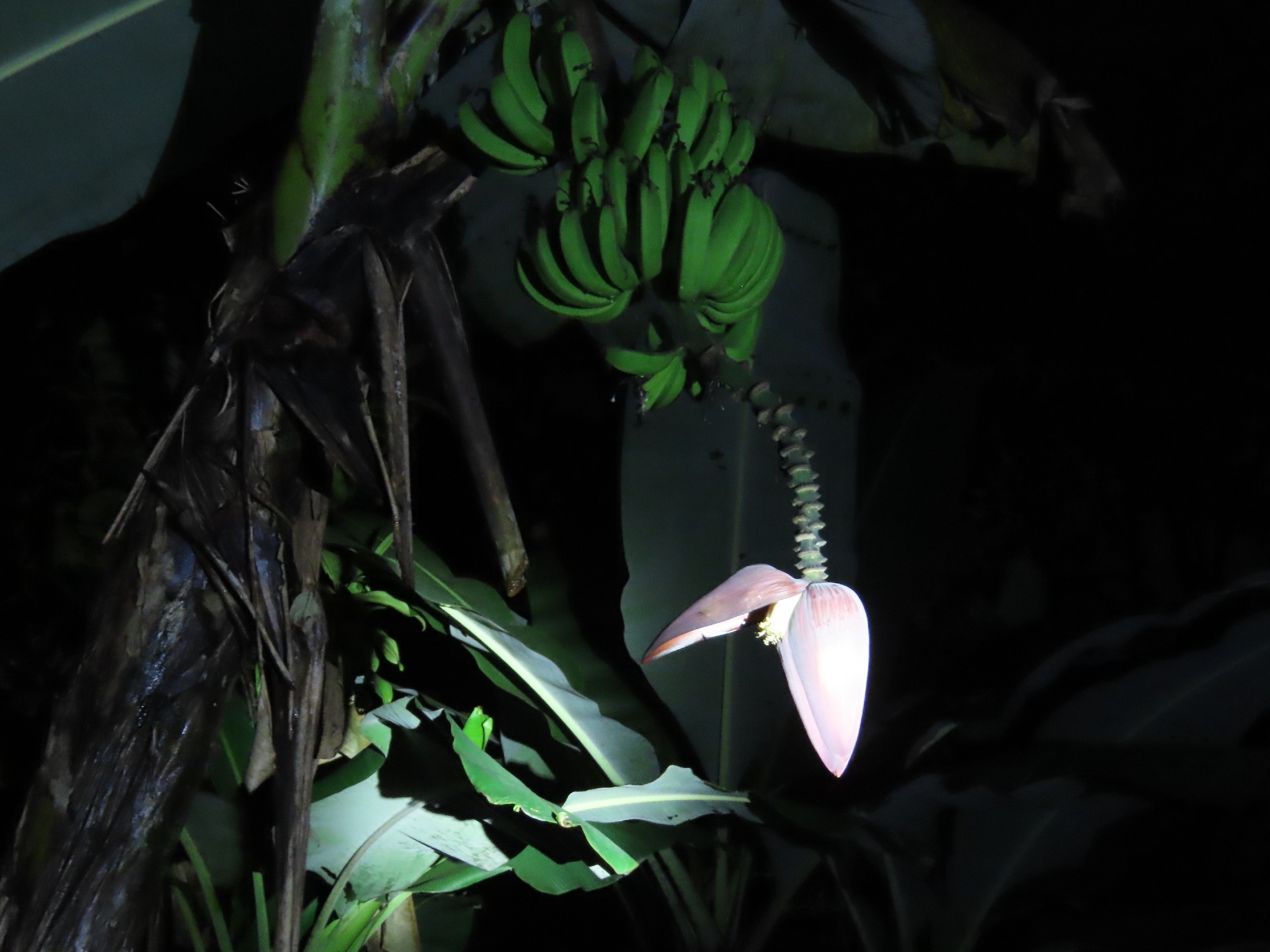
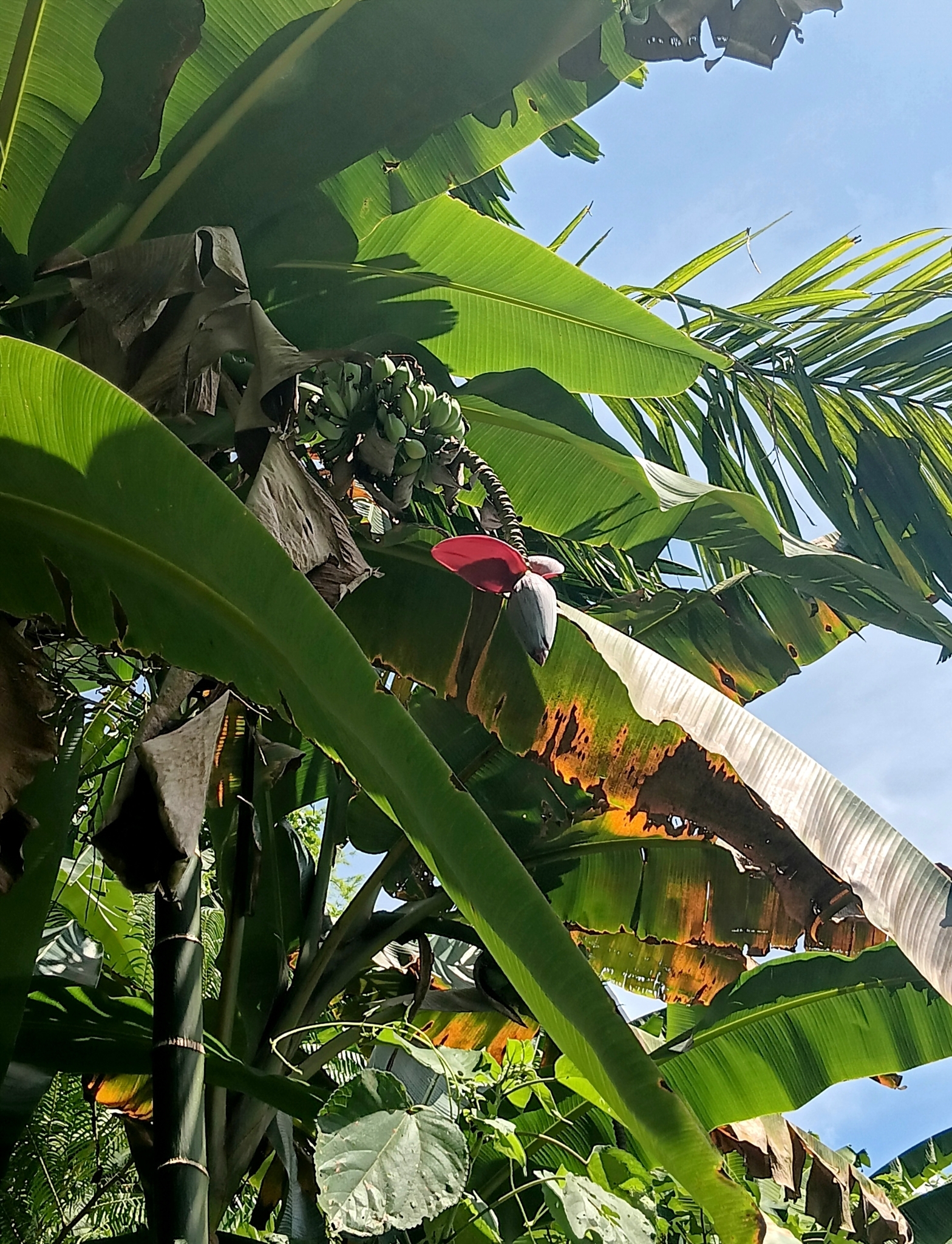
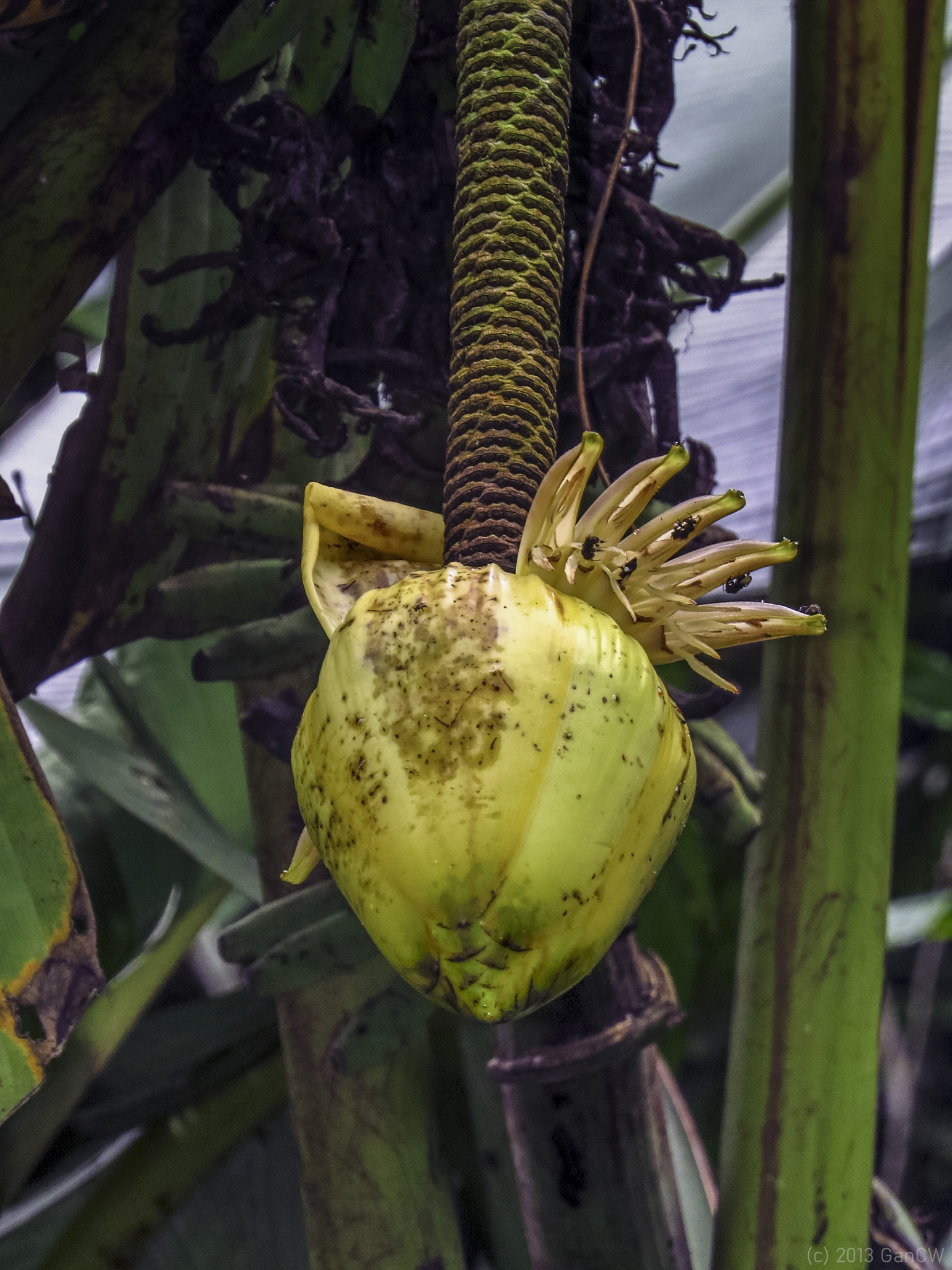
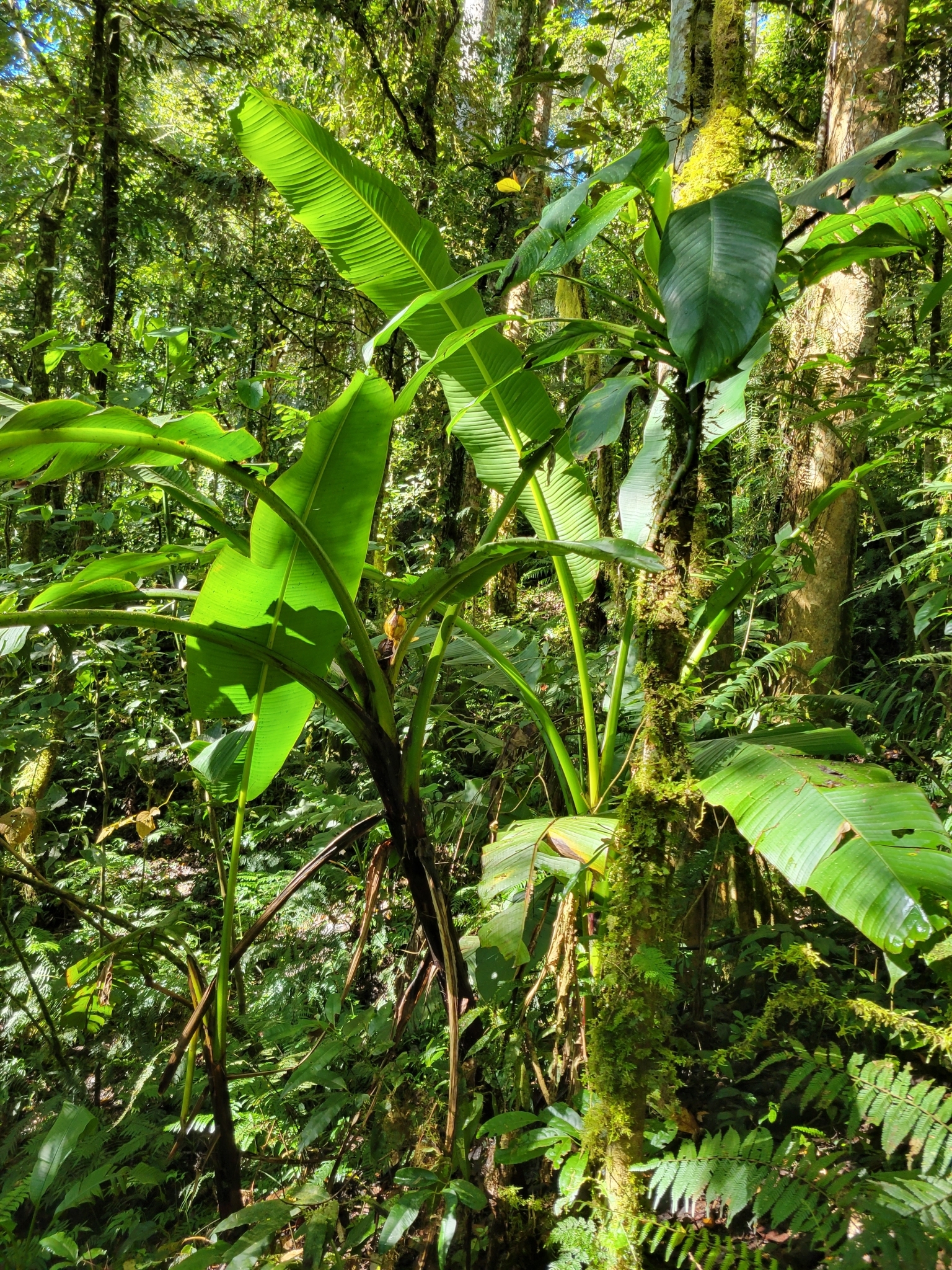
Photos of Japanese Banana (Musa basjoo)
Where Japanese Banana (Musa basjoo) is found

Density
Tap map to explore
Common names and botanical synonyms
Botanical classification
| Rank | Name |
|---|---|
| Kingdom | Plantae |
| Division | Tracheophyta |
| Class | Liliopsida |
| Order | Zingiberales |
| Family | Musaceae |
| Genus | Musa |
| Species | Musa basjoo |
Similar in genus Musa
Answers based on plant encyclopedia data