Water
Japanese dodder is a parasitic plant and does not require watering. It obtains all its water and nutrients from the host plant it infests. Avoid watering directly as it can promote disease spread on the host.
Also known as Asian Large Dodder
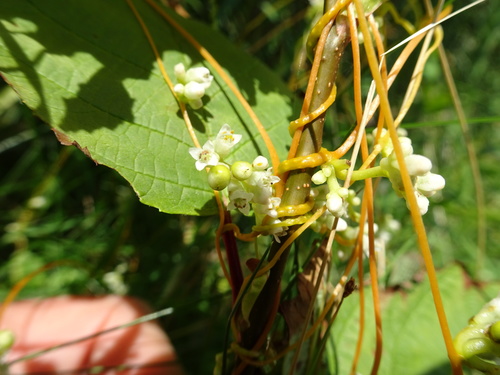
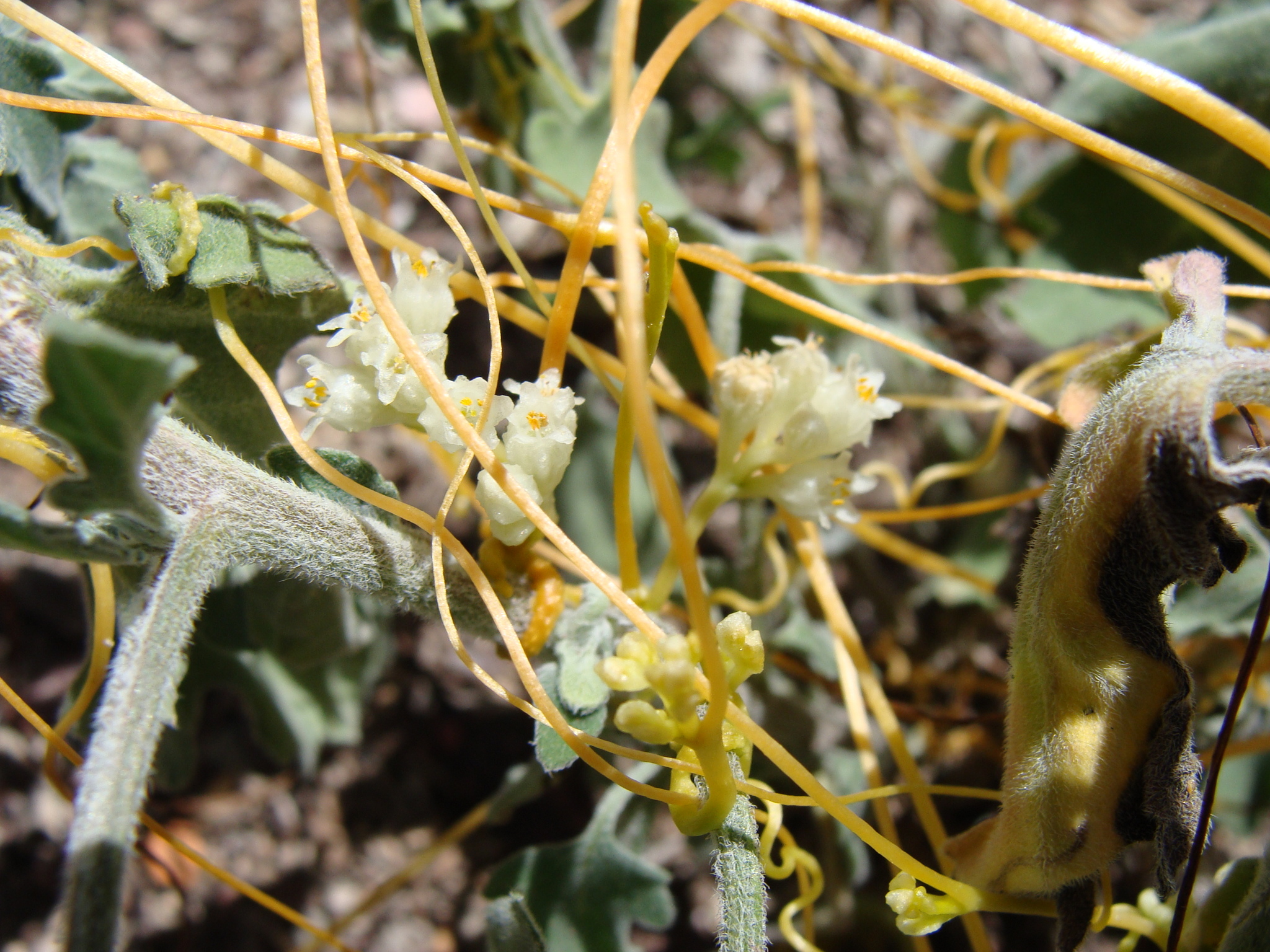
Japanese dodder (Cuscuta japonica) is an aggressive, parasitic vine lacking chlorophyll, harming host plants by draining nutrients and water. It's a serious agricultural
At-a-glance light, water, soil, and growing conditions from plant data
Indirect
50% intensity
Japanese dodder does not require direct sunlight for photosynthesis as it lacks chlorophyll. It thrives in conditions suitable for its host plant.
Not Applicable
0% intensity
As a holoparasitic plant, Cuscuta japonica derives all its water and nutrients from its host. Direct watering is unnecessary and can be detrimental.
Well-drained
50% intensity
Moderate
50% intensity
Grows best in moderate temperatures, typically between 18-25°C. Avoid extreme heat or frost which can damage the host plant and consequently the dodder.
Not Applicable
0% intensity
Does not require fertilizer. It is a parasite and absorbs nutrients directly from its host plant.
Safety information from plant toxicity data
| Attribute | Value |
|---|---|
| Toxic for humans | No 0/5 intensity |
| Toxic for pets | No 0/5 intensity |
| Edible | No |
None
Key traits and growing stats from plant data
Watering, pruning, propagation, and repotting details from plant data
Japanese dodder is a parasitic plant and does not require watering. It obtains all its water and nutrients from the host plant it infests. Avoid watering directly as it can promote disease spread on the host.
Pruning Japanese dodder involves removing the parasitic stems from the host plant. This is best done by physically pulling or cutting the dodder's tendrils away.
Regular removal is crucial to prevent its spread and protect the host.
Japanese dodder primarily propagates vegetatively through its stems. Pieces of stem can root and form new plants if they contact a suitable host.
Seed propagation also occurs, with seeds requiring scarification or stratification.
Repotting is not applicable to Japanese dodder. As a parasitic vine, it does not grow in soil or pots. Its life cycle is entirely dependent on finding and attaching to a living host plant.
Identify plants like this with ePlant AI
Snap a photo to get care tips and match similar species on the go.
Monthly activity intensity for bloom and fruit across both hemispheres.
Flowering & fruiting calendar
Flowering & fruiting calendar
Photos of Japanese Dodder (Cuscuta japonica)
Where Japanese Dodder (Cuscuta japonica) is found

Density
Tap map to explore
Common names and botanical synonyms
Botanical classification
| Rank | Name |
|---|---|
| Kingdom | Plantae |
| Division | Tracheophyta |
| Class | Magnoliopsida |
| Order | Solanales |
| Family | Convolvulaceae |
| Genus | Cuscuta |
| Species | Cuscuta japonica |
Similar in genus Cuscuta
Answers based on plant encyclopedia data