Skip to plant details

Chinese PhotiniaPhotinia serratifolia

Also known as Chinese Hawthorn · Japanese Photinia · Serrated-Leaf Chinese Hawthorn

  • Category: Ornamental
  • Type: Shrub, Tree
  • Sunlight: Full Sun to Partial Shade
  • Water: Moderate
  • Temperature: Moderate

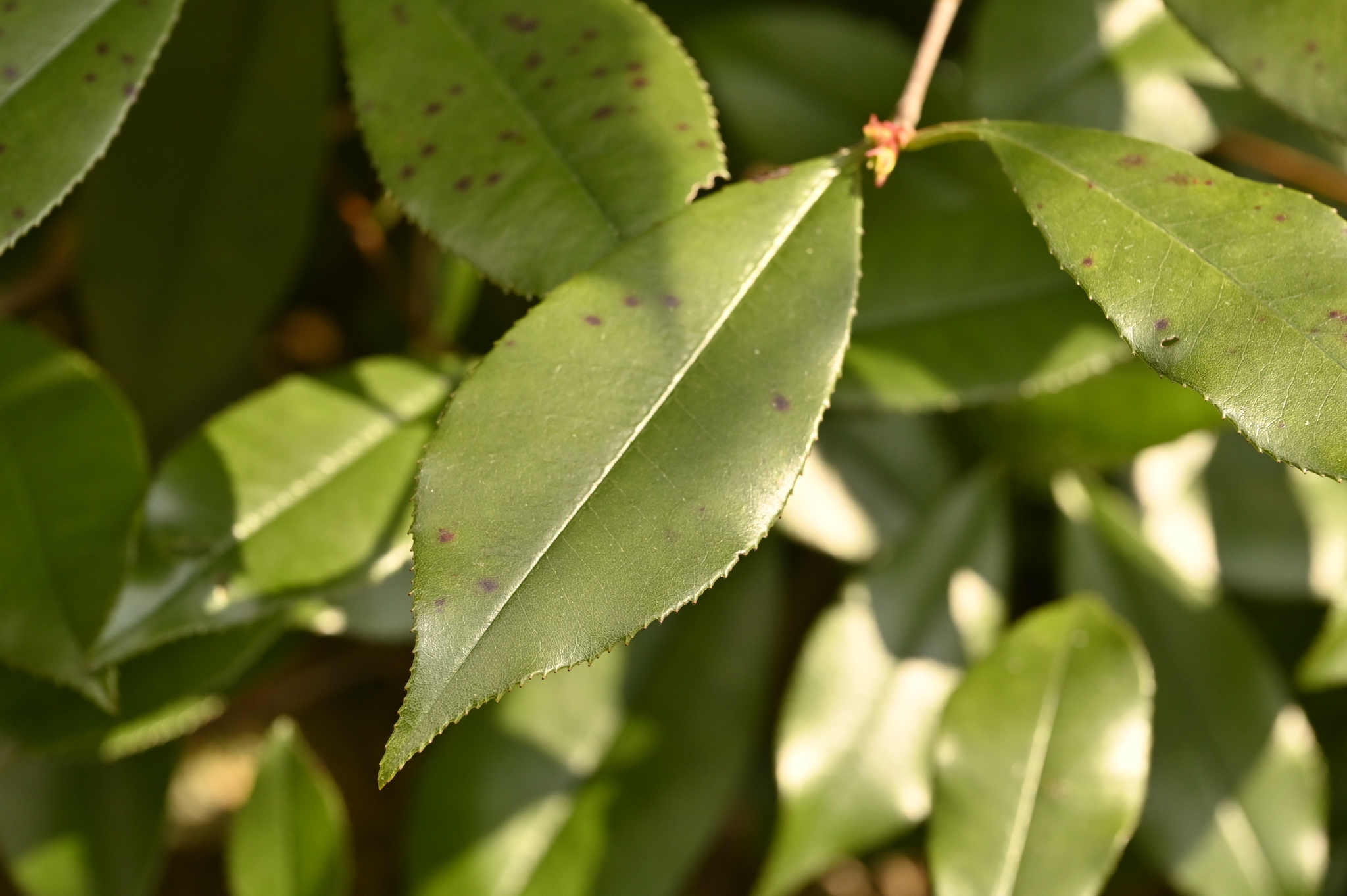
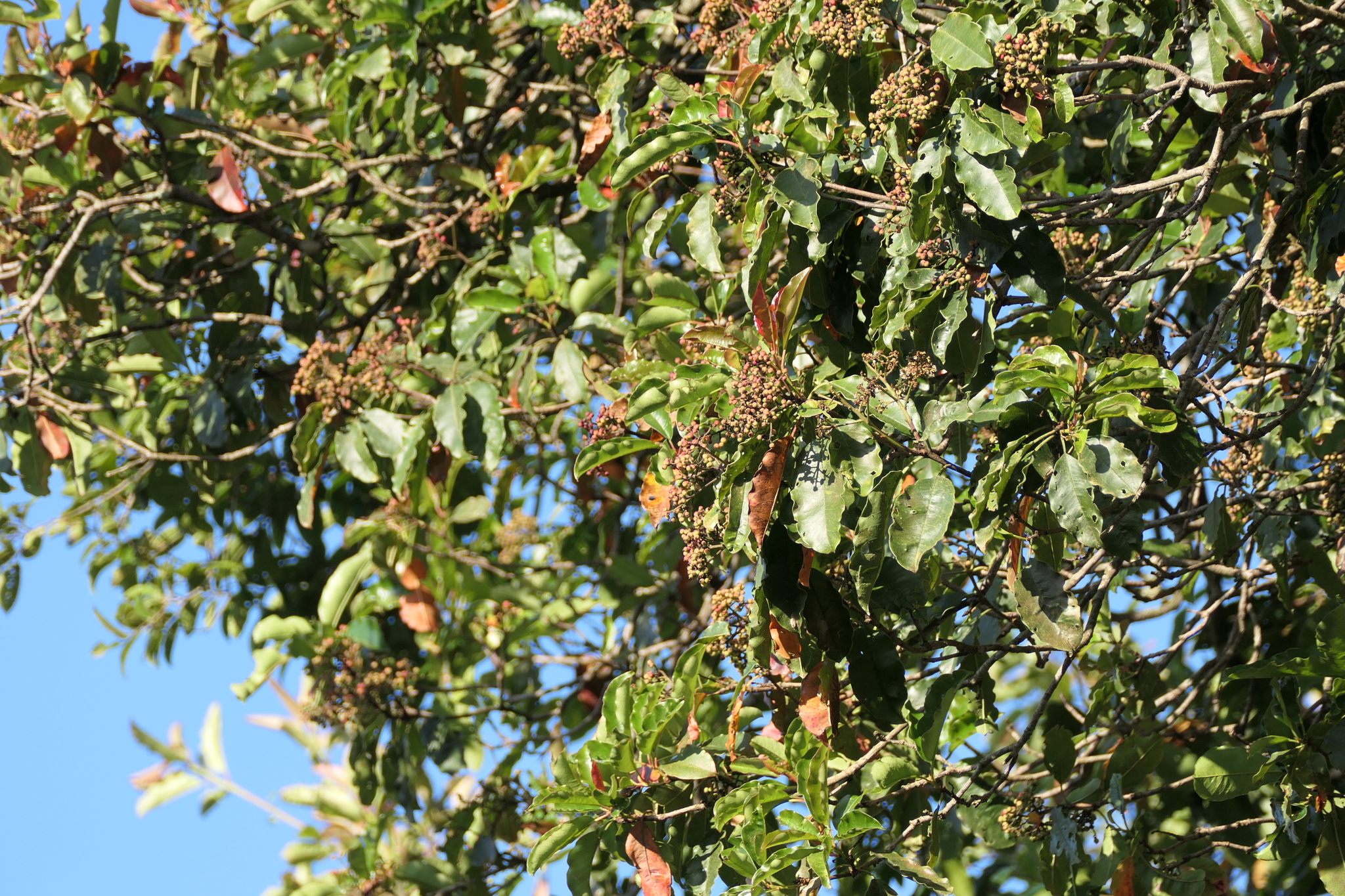
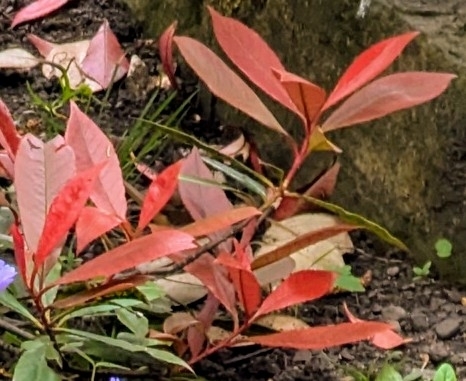
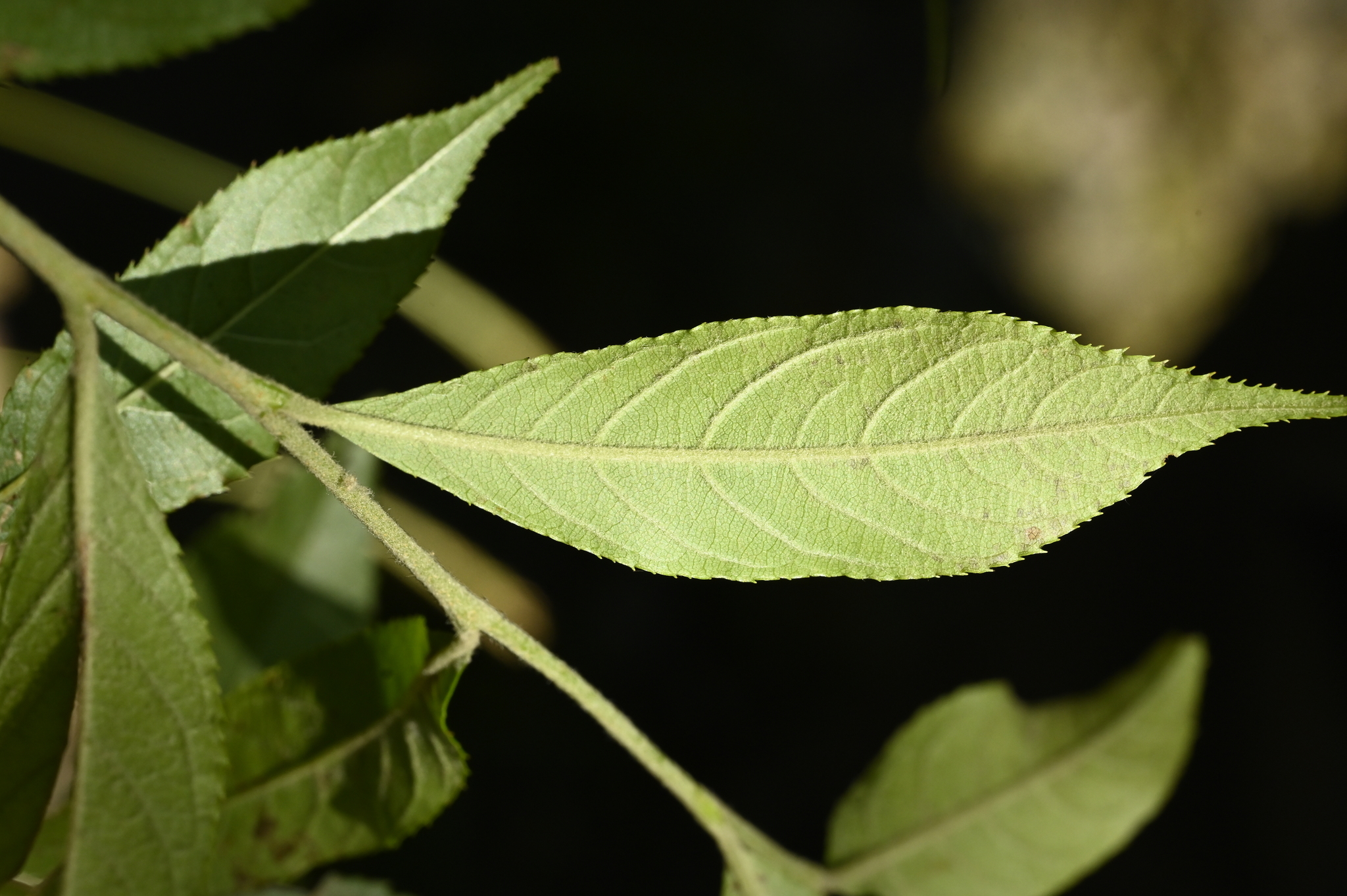
Chinese Photinia (Photinia serratifolia) is an evergreen shrub or small tree native to East Asia, known for its glossy foliage and clusters of white flowers, followed by

Photograph © hansoes · CC-BY-NC

Chinese Photinia Care Summary

At-a-glance light, water, soil, and growing conditions from plant data

Light

Full Sun to Partial Shade

75% intensity

Prefers full sun for best flowering and densest foliage, but tolerates partial shade.

Watering

Moderate

50% intensity

Keep soil consistently moist but not waterlogged.

Soil

Well-drained

50% intensity

Temperature

Moderate

50% intensity

Prefers temperatures between 15-25°C. Can tolerate light frost once established.

Fertilizer

Moderate

50% intensity

Feed annually in spring with a balanced, slow-release fertilizer.

Chinese Photinia Toxicity

Safety information from plant toxicity data

Toxicity details for Chinese Photinia
AttributeValue
Toxic for humansNo

0/5 intensity

Toxic for petsNo

0/5 intensity

EdibleNo

All parts, especially leaves and berries, contain cyanogenic glycosides which release hydrogen cyanide upon ingestion, causing gastrointestinal upset, respiratory issues, and potentially more severe symptoms.

Chinese Photinia Quick Facts

Key traits and growing stats from plant data

Plant Type
Shrub, Tree
Plant Category
Ornamental
Plant Place Type
Garden, Pot
Lifespan
Perennial
Plant Height
3 to 6 meters
Spread
2 to 4 meters
Growth Rate
Moderate
Dormancy
None
Leaf Color
Green, Red
Leaf Type
Evergreen
Flower Size
0.5-1 cm
Optimal Sunlight Lux
60000

Care guide for Chinese Photinia

Watering, pruning, propagation, and repotting details from plant data

Water

Water Chinese Photinia regularly, especially during dry spells, to maintain consistent soil moisture. Allow the top 2-3 cm of soil to dry out between waterings to prevent waterlogging, which can lead to root rot.

Reduce watering frequency in cooler months.

Pruning

Prune Chinese Photinia in late winter or early spring before new growth starts to shape the plant and remove any dead, damaged, or crossing branches.

Lightly prune in mid-summer after flowering to maintain shape and encourage denser foliage. Remove suckers from the base promptly.

Propagation

Propagate Chinese Photinia from semi-hardwood cuttings taken in mid to late summer. Select healthy shoots, cut them into 10-15 cm lengths, and dip the base in rooting hormone.

Insert cuttings into a well-draining potting mix and keep moist and warm until rooted.

Repotting

Repot Chinese Photinia every 2-3 years, or when root-bound, preferably in early spring before new growth begins. Choose a pot one size larger with good drainage. Use a well-draining, peat-based potting mix.

Trim back any overgrown roots during repotting.

Identify plants like this with ePlant

Snap a photo to get care tips and match similar species on the go.

Try for Free

Flowering & Fruiting Cycles

Monthly activity intensity for bloom and fruit across both hemispheres.

Northern hemisphere

Flowering & fruiting calendar

Peak bloom · AprPeak fruit · May
FloweringFruiting
02468JanFebMarAprMayJunJulAugSepOctNovDecActivity intensityMonths888
Southern hemisphere

Flowering & fruiting calendar

Peak bloom · AugPeak fruit · Jul
FloweringFruiting
02468JanFebMarAprMayJunJulAugSepOctNovDecActivity intensityMonths888

Chinese Photinia Names & Synonyms

Common names and botanical synonyms

Common Names

  • Chinese Hawthorn
  • Chinese Photinia
  • Japanese Photinia
  • Serrated-Leaf Chinese Hawthorn
  • Serrated-Leaf Photinia
  • Serrated-Leaved Chinese Hawthorn
  • Serrated-Leaved Photinia
  • Taiwanese Photinia
  • سه رنگ

Synonyms

  • Crataegus serratifolia Desf.
  • Pyrus serratifolia (Desf.) M.F.Fay & Christenh.

Chinese Photinia Taxonomy

Botanical classification

Taxonomic classification of Chinese Photinia
RankName
kingdomPlantae
divisionTracheophyta
classMagnoliopsida
orderRosales
familyRosaceae
genusPhotinia
speciesPhotinia serratifolia

Chinese Photinia FAQs

Answers based on plant encyclopedia data

What is the mature size of Chinese Photinia?

Chinese Photinia can grow to a height of 3 to 8 meters and a width of 2 to 5 meters, depending on the cultivar and growing conditions.

What are the light and soil requirements for Photinia serratifolia?

This plant prefers full sun to partial shade and well-drained soil. It is adaptable to various soil types but thrives in fertile, moist conditions.

How often should Chinese Photinia be watered?

Water regularly during the establishment period and during dry spells. Once established, it is moderately drought-tolerant but benefits from occasional watering.

Is Chinese Photinia susceptible to any common pests or diseases?

Chinese Photinia can be susceptible to leaf spot diseases, particularly in humid conditions. Good air circulation and avoiding overhead watering can help prevent issues.

When is the best time to prune Chinese Photinia?

Pruning is best done after flowering in late spring or early summer. This helps maintain shape and encourages new growth, which can be brightly colored.