Water
Water Japanese Red Pine thoroughly when the top 5-7 cm of soil feels dry. Avoid overwatering, as this can lead to root rot. Ensure good drainage.
Reduce watering frequency during winter dormancy, but do not let the soil dry out completely.
Also known as Dense-Flowered Pine · Japanese Pine · Japanese Umbrella Pine
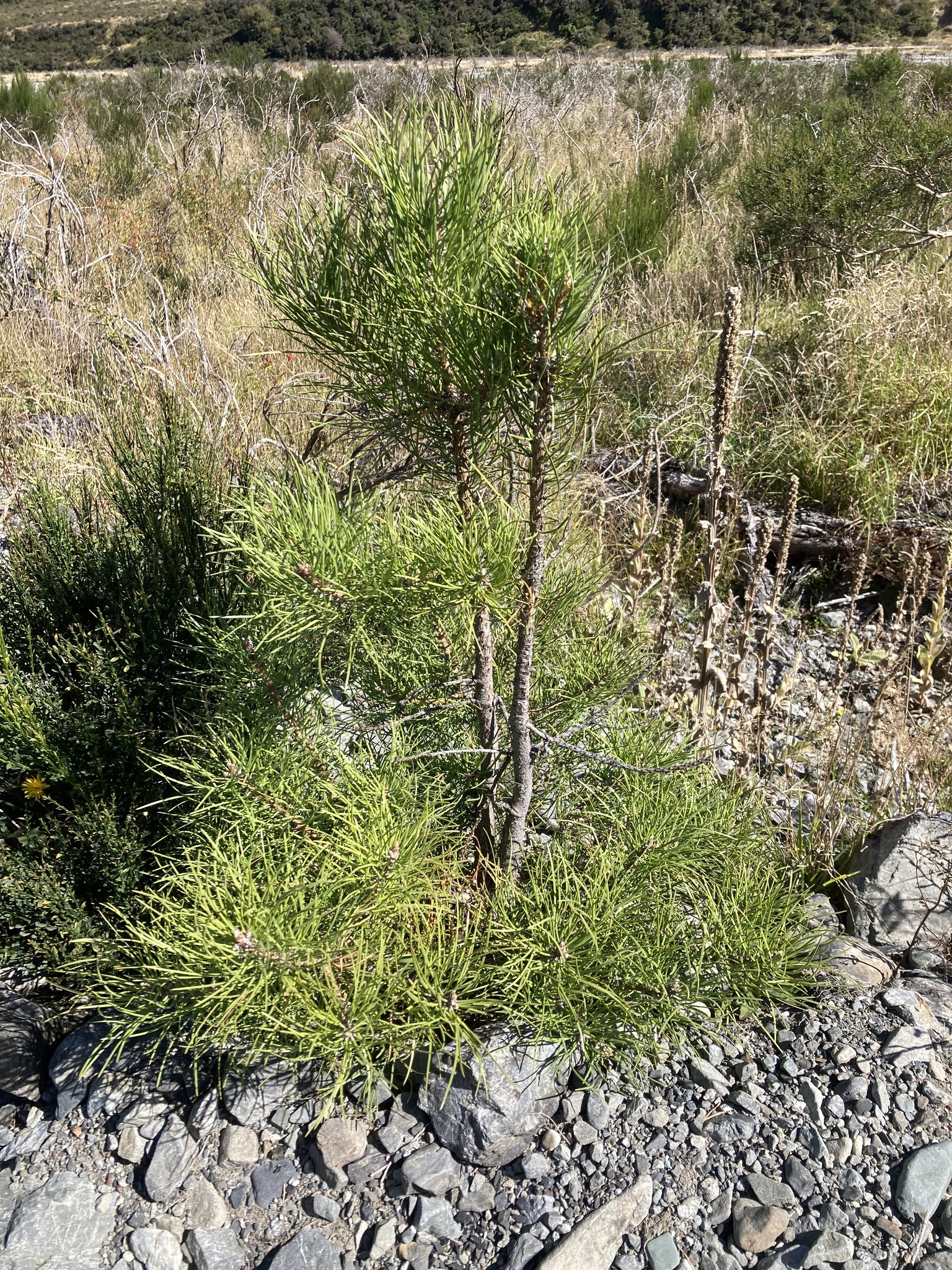
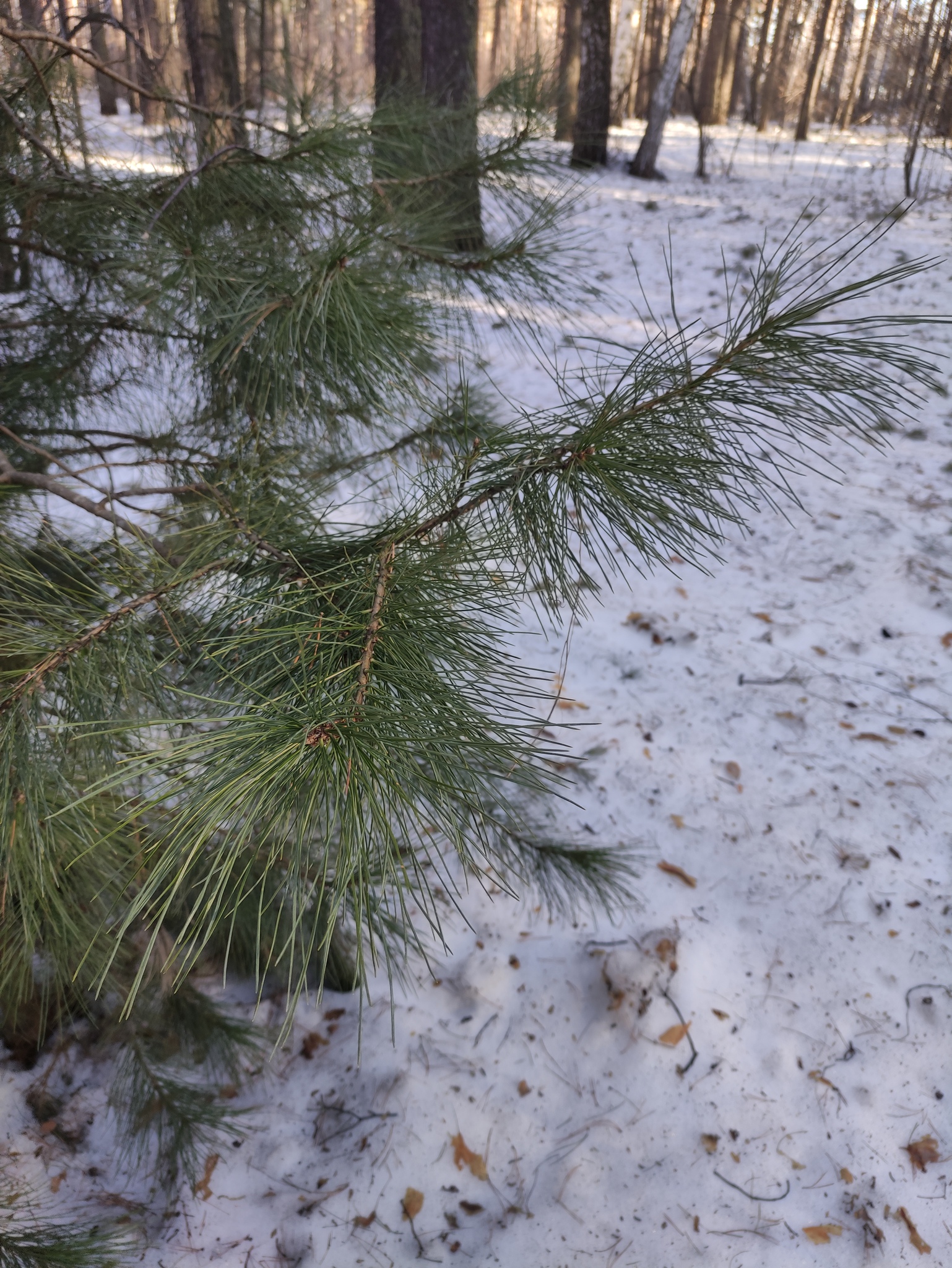
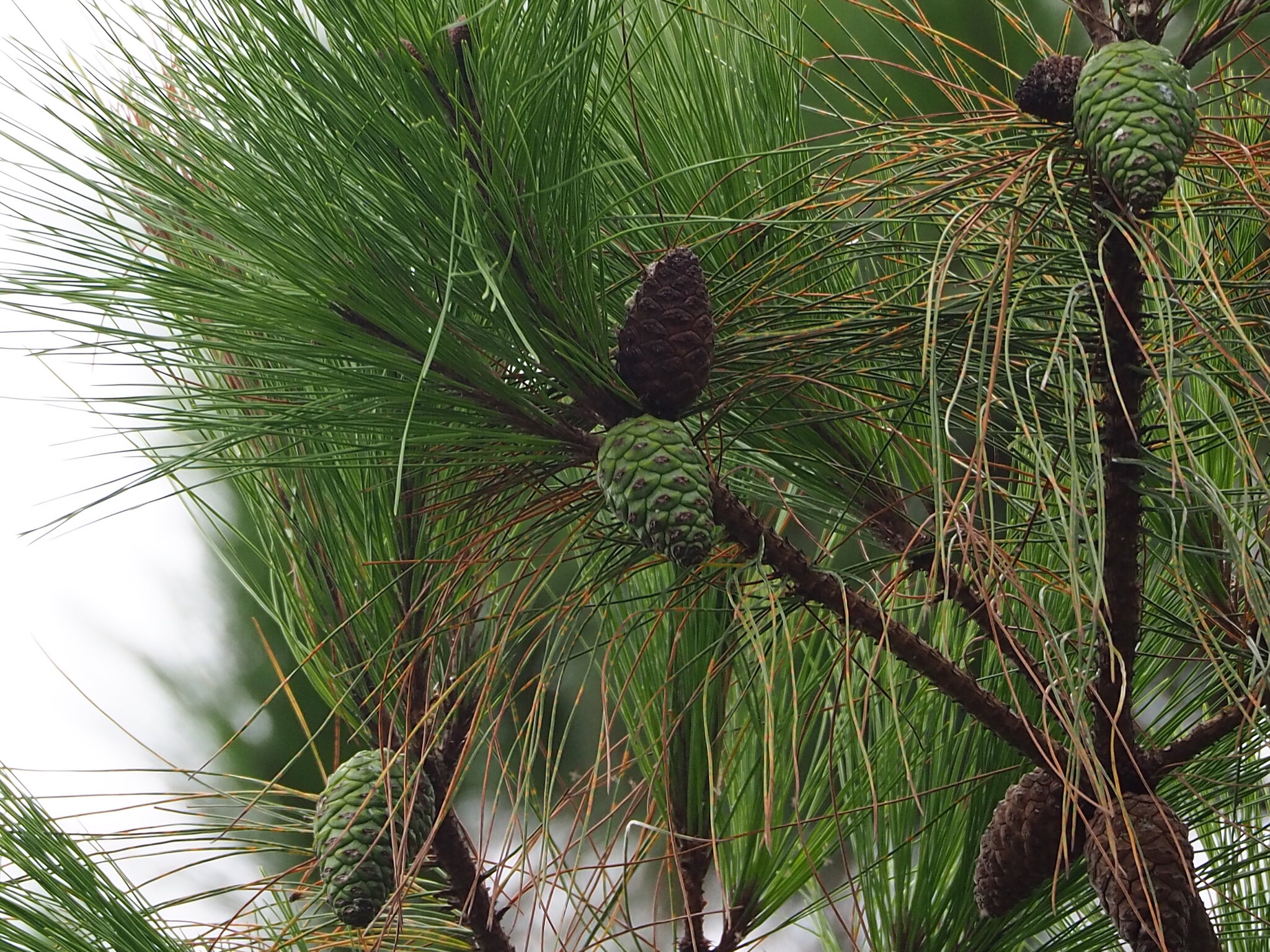
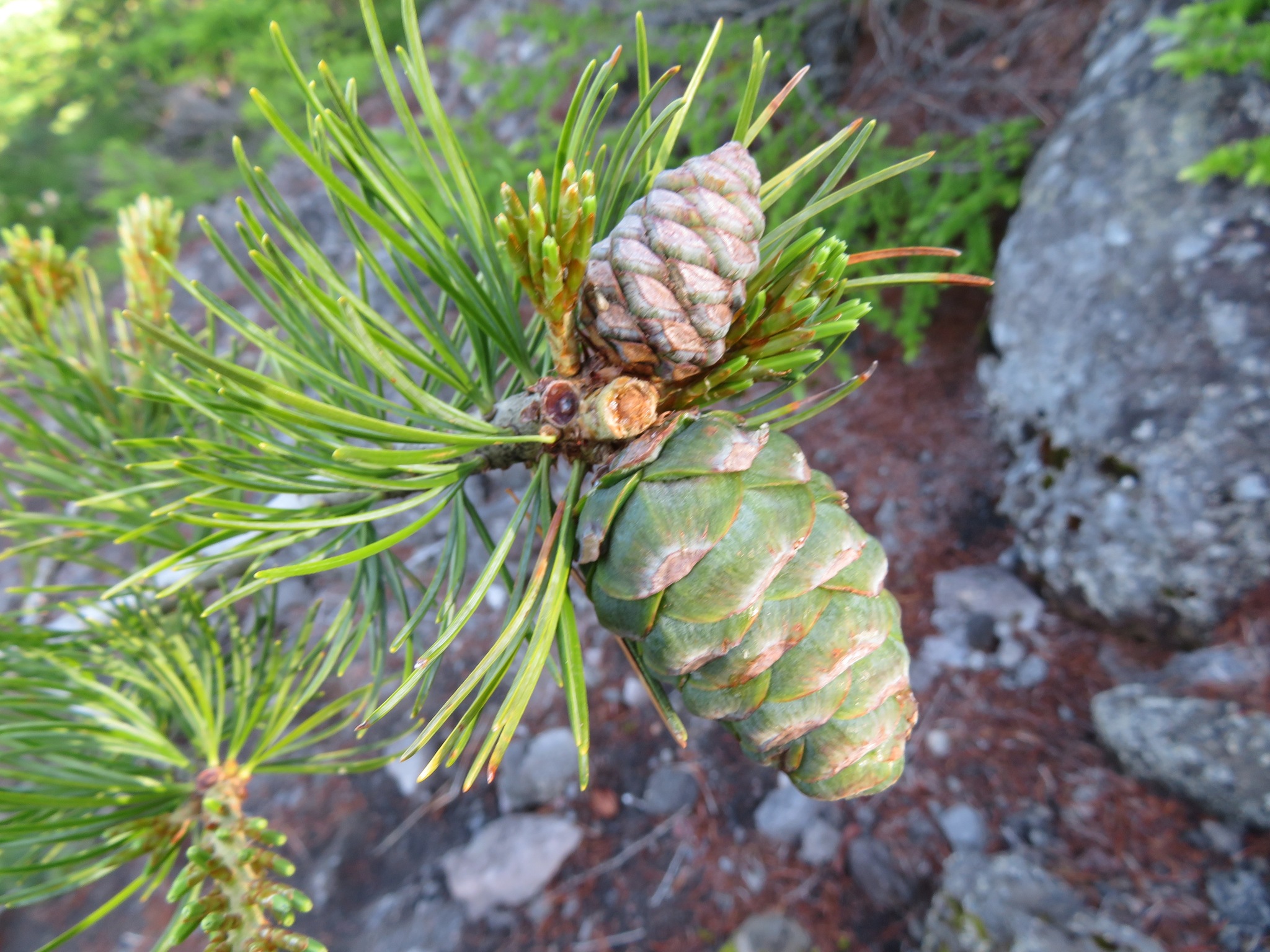
Japanese Red Pine (Pinus densiflora) is a striking conifer native to Japan, Korea, and northeastern China, prized for its distinctive red bark and elegant form.
At-a-glance light, water, soil, and growing conditions from plant data
Full sun is essential for optimal growth and health.
100% intensity
Requires at least 6-8 hours of direct sunlight daily.
Moderate watering needed, allowing soil to dry slightly between waterings.
50% intensity
Prefers well-drained soil and dislikes consistently wet conditions.
Well-drained
50% intensity
Hardy and adaptable to a range of temperatures.
50% intensity
Tolerates heat and is cold-hardy once established.
Benefits from regular feeding during the growing season.
50% intensity
Use a balanced evergreen fertilizer in spring and mid-summer.
Safety information from plant toxicity data
| Attribute | Value |
|---|---|
| Toxic for humans | No 0/5 intensity |
| Toxic for pets | No 0/5 intensity |
| Edible | No |
Non-toxic
Key traits and growing stats from plant data
Watering, pruning, propagation, and repotting details from plant data
Water Japanese Red Pine thoroughly when the top 5-7 cm of soil feels dry. Avoid overwatering, as this can lead to root rot. Ensure good drainage.
Reduce watering frequency during winter dormancy, but do not let the soil dry out completely.
Prune Japanese Red Pine in late winter or early spring before new growth begins to shape the tree and remove any dead, diseased, or crossing branches.
For bonsai, candle pruning is done in spring to control growth and encourage ramification. Remove approximately half to two-thirds of the new candle growth.
Propagation is typically done by grafting or from seed. Seeds require a period of cold stratification (moist chilling) for 60-90 days before sowing.
Grafting is more common for specific cultivars and is usually performed in late winter or early spring using softwood cuttings.
Repot young Japanese Red Pine every 2-3 years in early spring before new growth emerges. Mature trees can be repotted every 3-5 years. Use a well-draining soil mix, such as a blend of akadama, pumice, and lava rock.
Prune about one-third of the root mass during repotting.
Identify plants like this with ePlant AI
Snap a photo to get care tips and match similar species on the go.
Monthly activity intensity for bloom and fruit across both hemispheres.
Flowering & fruiting calendar
Flowering & fruiting calendar
Photos of Japanese Red Pine (Pinus densiflora)
Where Japanese Red Pine (Pinus densiflora) is found

Density
Tap map to explore
Common names and botanical synonyms
Botanical classification
| Rank | Name |
|---|---|
| Kingdom | Plantae |
| Division | Tracheophyta |
| Class | Pinopsida |
| Order | Pinales |
| Family | Pinaceae |
| Genus | Pinus |
| Species | Pinus densiflora |
Similar in genus Pinus
Answers based on plant encyclopedia data