Water
Keep the soil consistently moist, but not waterlogged. Water thoroughly when the top 2-3 cm of soil feels dry. Reduce watering in winter when the plant is less actively growing. Overwatering can lead to root rot.
Also known as Coral Cherry · False Capsicum · False Jerusalem-Cherry
Safety note: This plant may be toxic to humans and pets. See toxicity details.
Jerusalem cherry (Solanum pseudocapsicum) is an ornamental shrub prized for its vibrant, cherry-like fruits, though they are toxic and should be kept away from children a
At-a-glance light, water, soil, and growing conditions from plant data
Bright, indirect light
75% intensity
Prefers 4-6 hours of bright, indirect sunlight daily. Protect from intense, direct sun which can scorch leaves.
Keep soil consistently moist
50% intensity
Allow top 2-3 cm of soil to dry out between waterings.
Well-draining, fertile loam
50% intensity
Average room temperature
50% intensity
Thrives in temperatures between 18-24°C. Avoid cold drafts and temperatures below 10°C.
Outdoor
50% intensity
Moderate feeding during growth
50% intensity
Feed with a balanced liquid fertilizer diluted to half strength during spring and summer.
Safety information from plant toxicity data
| Attribute | Value |
|---|---|
| Toxic for humans | Yes 3/5 intensity |
| Toxic for pets | Yes 3/5 intensity |
| Edible | No |
Contains toxic glycosides (saponins) and solanine. Ingestion can cause gastrointestinal upset. The red fruits are the most toxic part.
Key traits and growing stats from plant data
Watering, pruning, propagation, and repotting details from plant data
Keep the soil consistently moist, but not waterlogged. Water thoroughly when the top 2-3 cm of soil feels dry. Reduce watering in winter when the plant is less actively growing. Overwatering can lead to root rot.
Prune after the berries have dropped or in late winter before new growth begins. Trim back stems to shape the plant and encourage bushier growth. Remove any dead or damaged branches to maintain plant health and vigor.
Propagate from seed sown in spring or from cuttings taken in late spring or early summer. Seeds require warmth for germination. Cuttings should be rooted in a well-draining potting mix in a warm environment.
Repot in spring every 1-2 years, or when the plant becomes root-bound. Use a slightly larger pot with fresh, well-draining potting mix. Ensure the new pot has adequate drainage holes to prevent water accumulation.
Identify plants like this with ePlant AI
Snap a photo to get care tips and match similar species on the go.
Monthly activity intensity for bloom and fruit across both hemispheres.
Flowering & fruiting calendar
Flowering & fruiting calendar
Photos of Jerusalem Cherry (Solanum pseudocapsicum)
Where Jerusalem Cherry (Solanum pseudocapsicum) is found
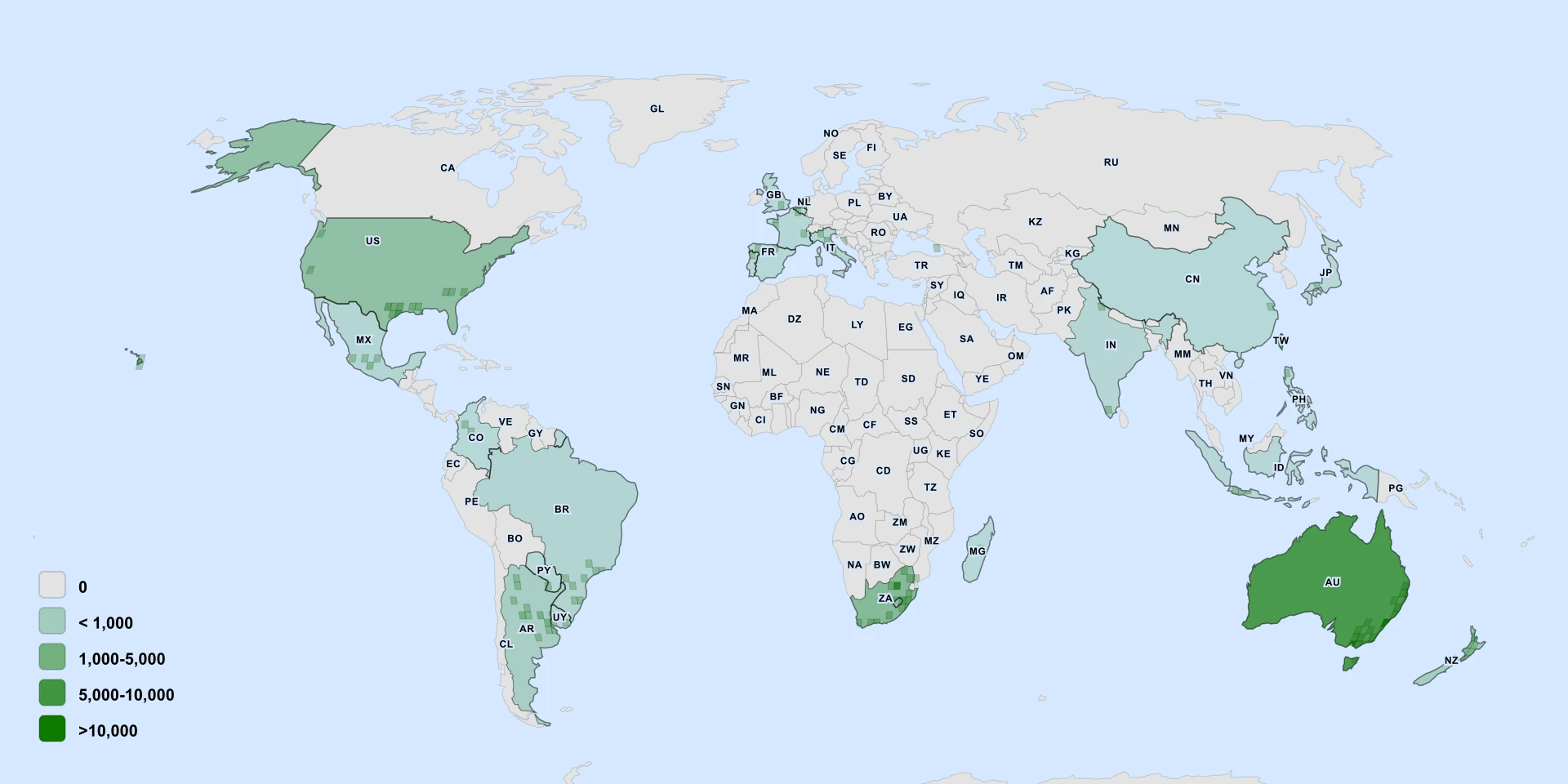
Density
Tap map to explore
17 known issues from plant disease data
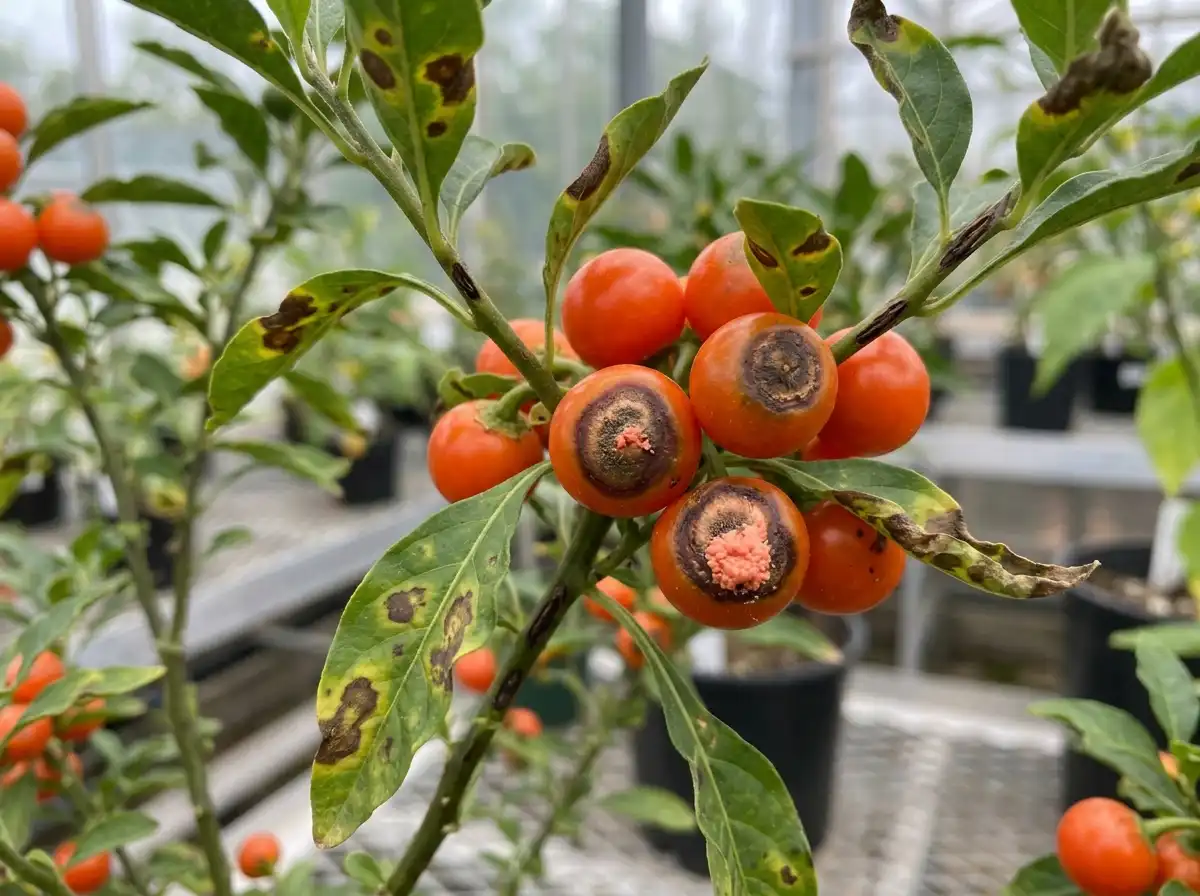
Anthracnose on Jerusalem Cherry causes dark sunken spots on leaves and stems, with blighting, spotting, and dieback of affected tissue.
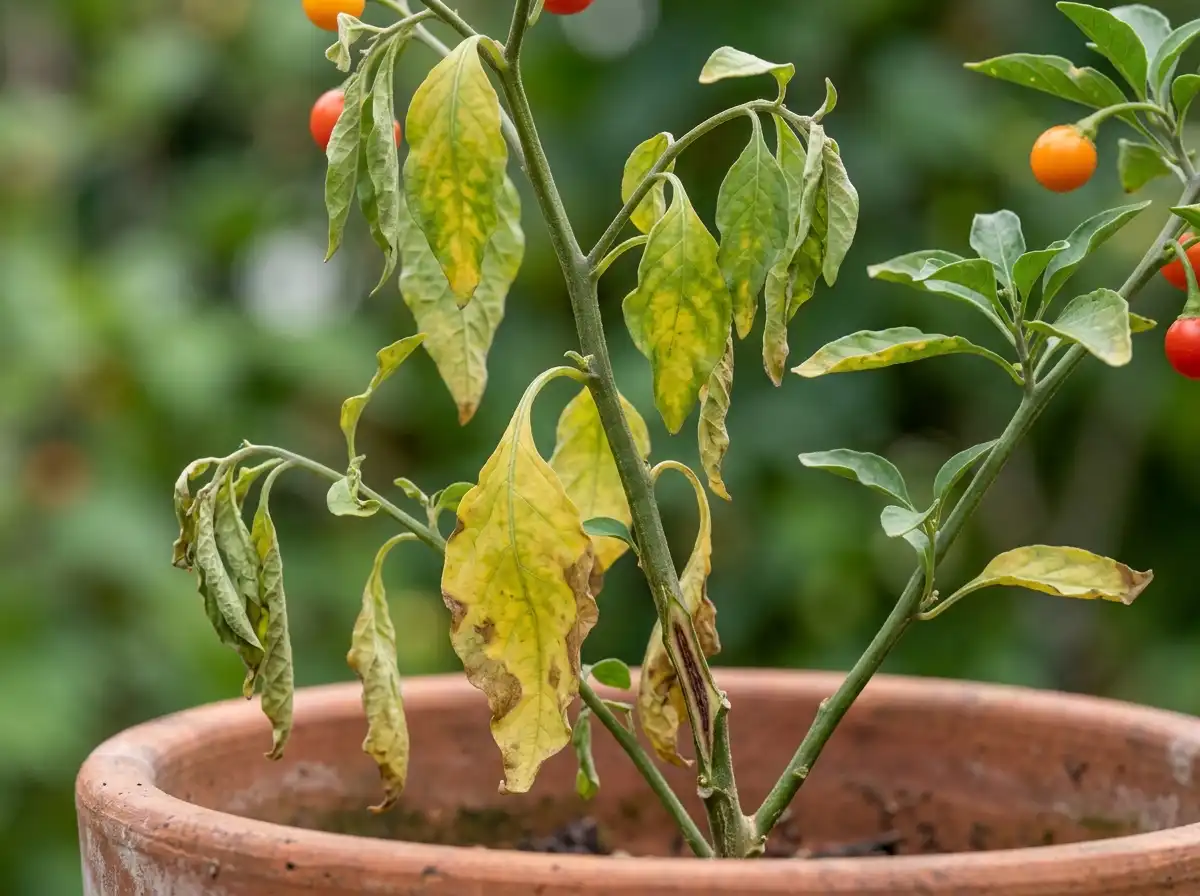
Verticillium wilt in Jerusalem Cherry causes leaf yellowing, one-sided wilting, browning inside stems, and gradual decline of the plant.
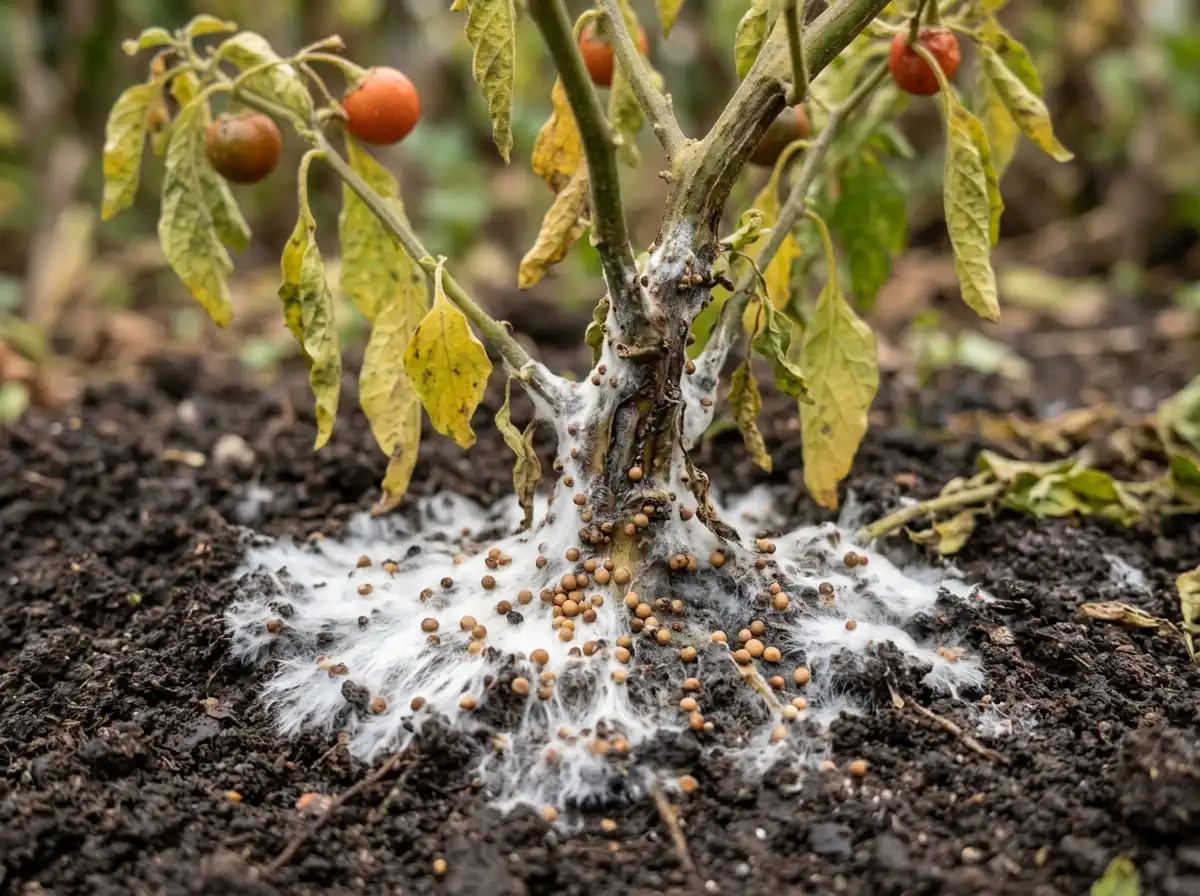
Southern blight on Jerusalem Cherry causes sudden wilt and stem collapse at soil level, often with white growth around the base.
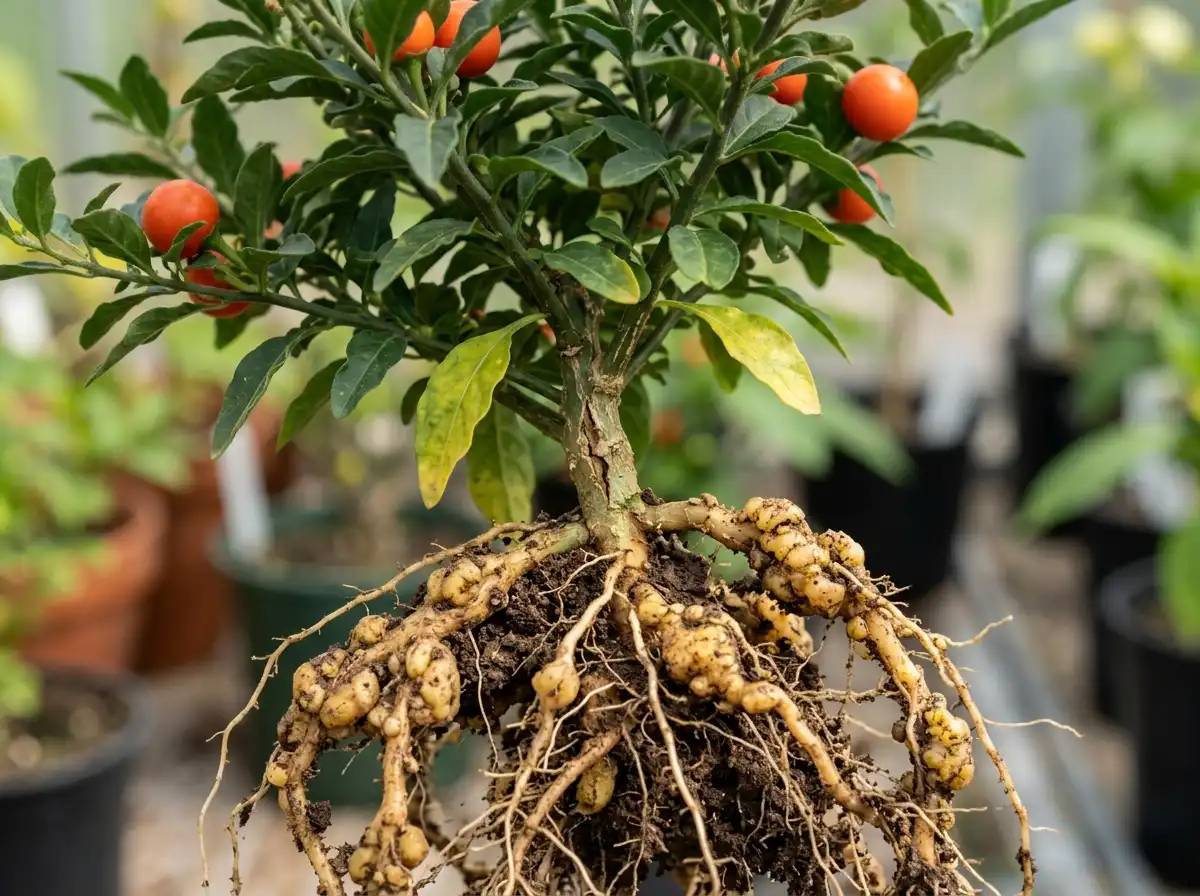
Root-knot nematode in Jerusalem Cherry causes swollen root galls, reduced vigor, yellowing, and poor growth above the damaged roots.
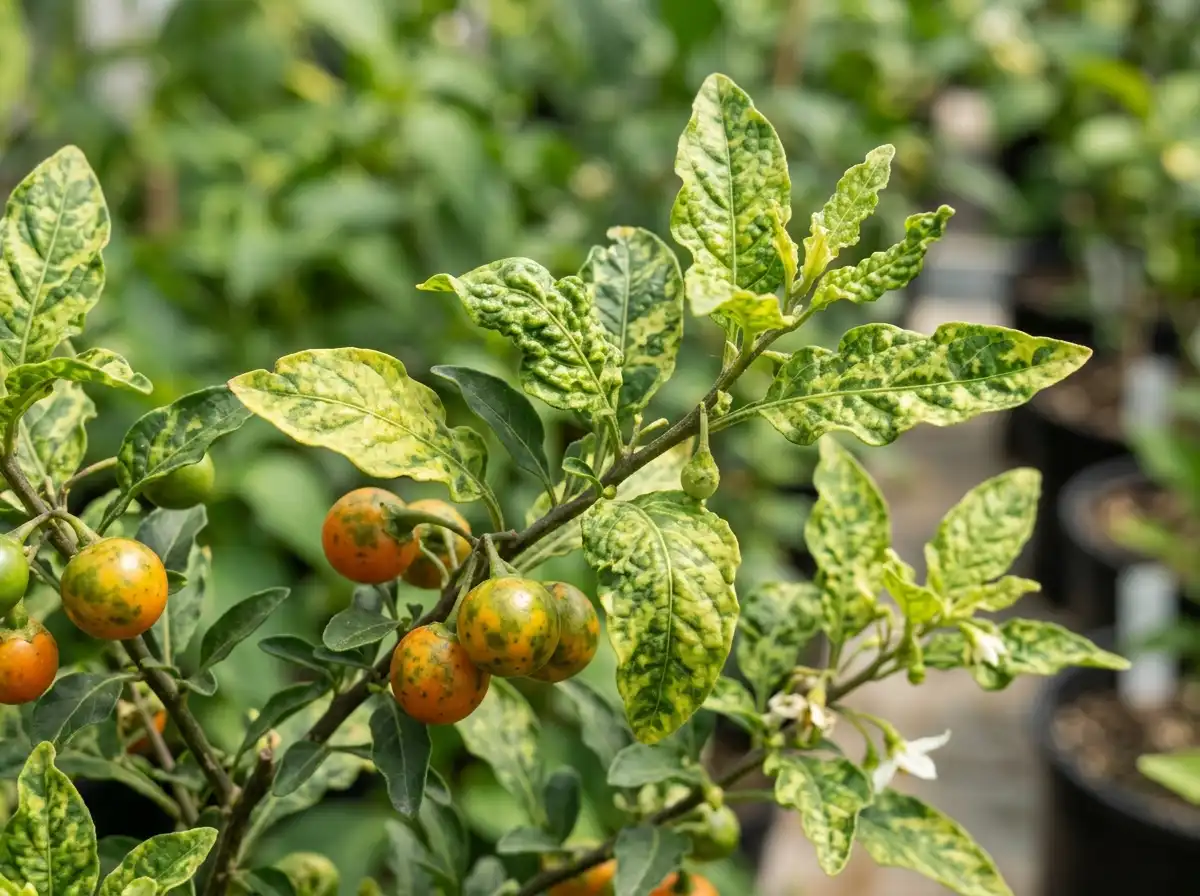
Tobacco mosaic in Jerusalem Cherry causes a mottled light and dark leaf pattern, puckering, and distorted growth on young shoots.
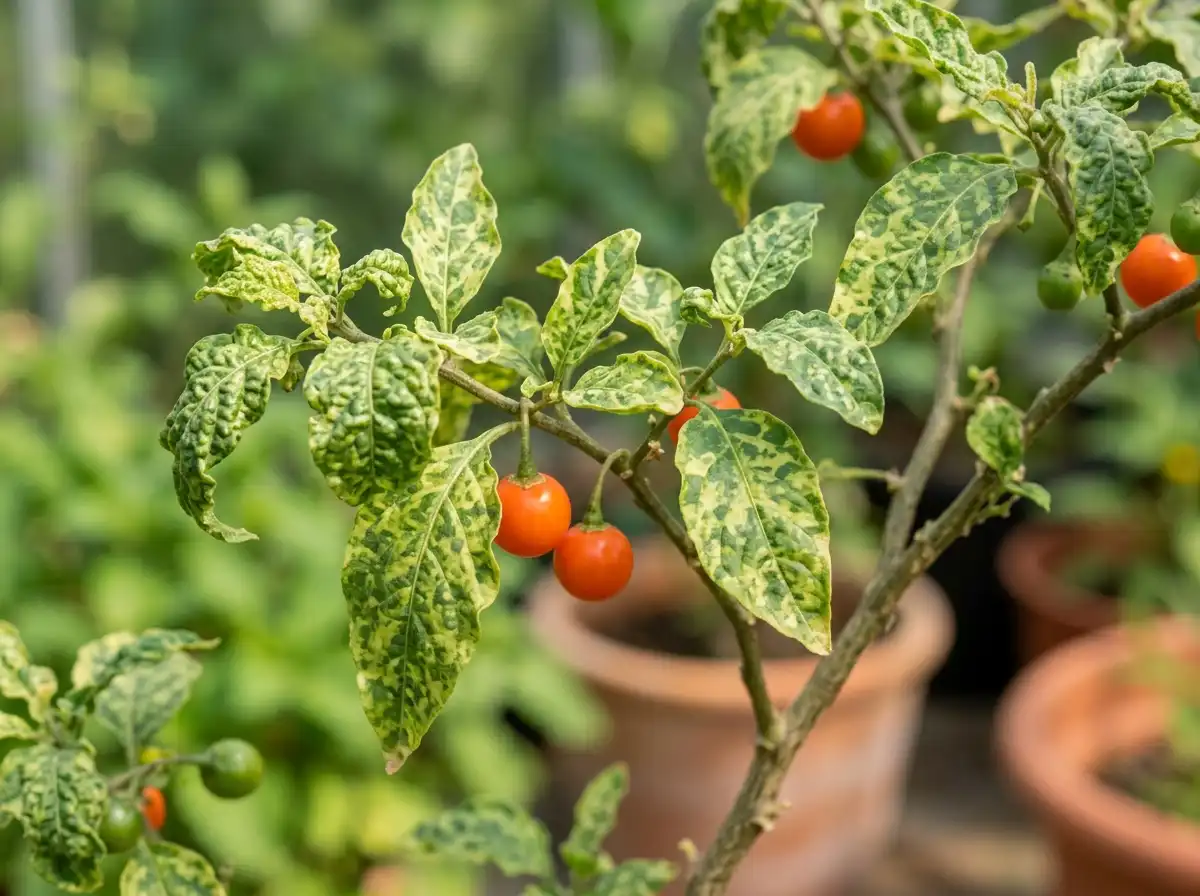
Cucumber mosaic on Jerusalem Cherry causes mottled leaves, distortion, stunting, and uneven growth that weakens the plant overall.
Common names and botanical synonyms
Botanical classification
| Rank | Name |
|---|---|
| Kingdom | Plantae |
| Division | Tracheophyta |
| Class | Magnoliopsida |
| Order | Solanales |
| Family | Solanaceae |
| Genus | Solanum |
| Species | Solanum pseudocapsicum |
Similar in genus Solanum
Answers based on plant encyclopedia data