Water
Water thoroughly when the potting medium is dry. Allow the water to drain completely to prevent root rot. For epiphytic growth, misting or soaking the plant for 20-30 minutes every 1-2 weeks is ideal.
Avoid water sitting in the central cup.
Also known as Giant Airplant · Giant Wild Pine · Jumbie-Pineapple
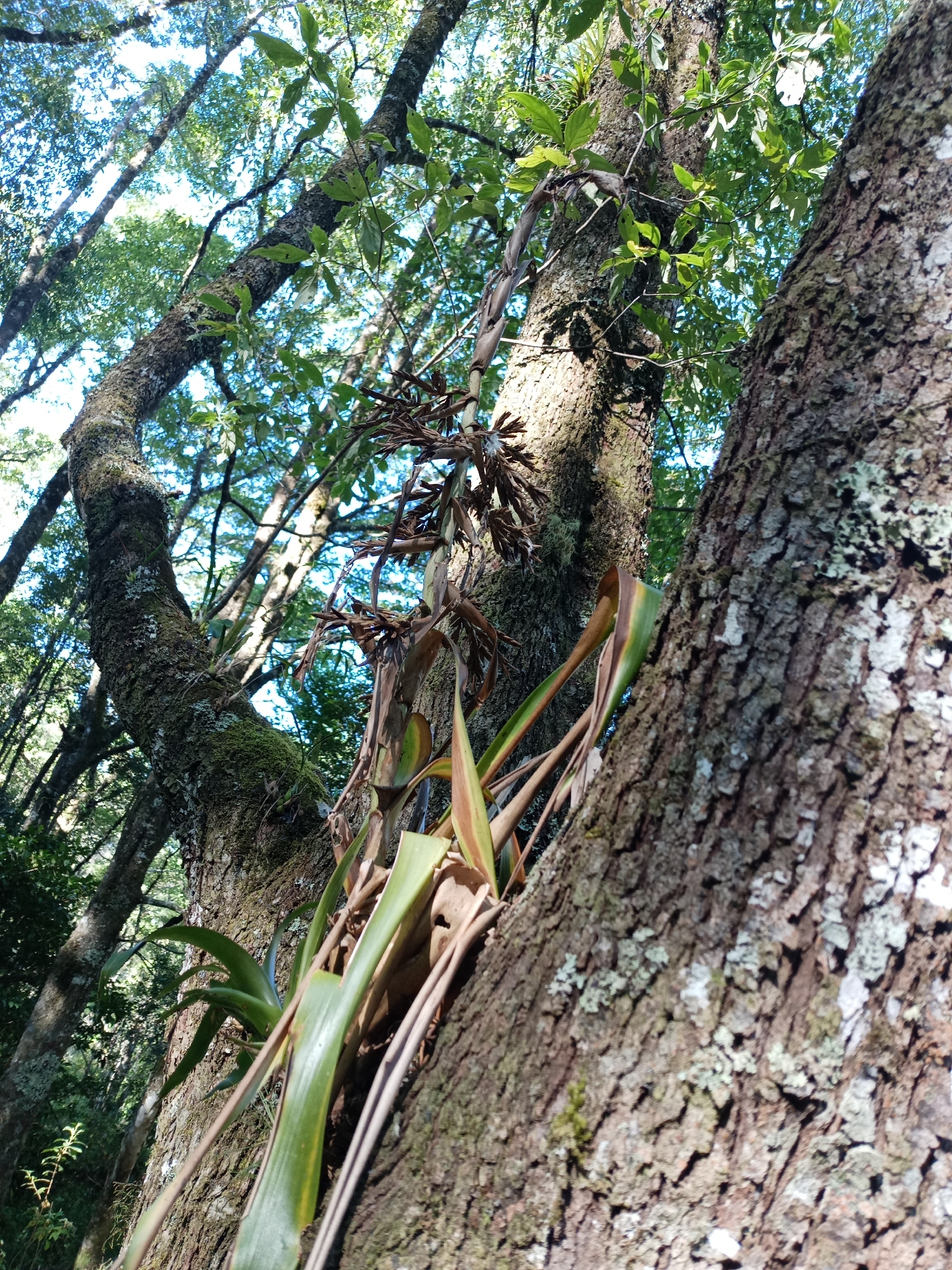
Spreading Airplant (Tillandsia utriculata) is a striking epiphyte with a rosette of silvery-green leaves, producing tall, branching flower stalks.
At-a-glance light, water, soil, and growing conditions from plant data
Bright indirect
75% intensity
Prefers bright, filtered light. Avoid direct, intense sunlight which can scorch leaves.
Moderate
50% intensity
Allow to dry out between waterings. Mist or soak periodically.
Epiphytic (requires excellent drainage, typically no soil)
50% intensity
Moderate
50% intensity
Ideal temperatures range from 18-24°C. Protect from frost and cold drafts.
Low
25% intensity
Feed lightly with a diluted bromeliad fertilizer during the growing season.
Safety information from plant toxicity data
| Attribute | Value |
|---|---|
| Toxic for humans | No 0/5 intensity |
| Toxic for pets | No 0/5 intensity |
| Edible | No |
None
Key traits and growing stats from plant data
Watering, pruning, propagation, and repotting details from plant data
Water thoroughly when the potting medium is dry. Allow the water to drain completely to prevent root rot. For epiphytic growth, misting or soaking the plant for 20-30 minutes every 1-2 weeks is ideal.
Avoid water sitting in the central cup.
Pruning is generally not required for Tillandsia utriculata. Remove any dead or brown leaf tips with sterile scissors to maintain a tidy appearance.
Trimming is primarily for aesthetic reasons and to prevent potential disease spread.
Propagation is primarily done through offsets (pups) that grow from the base of the mother plant. Once the pups are about one-third the size of the mother plant, they can be carefully separated and mounted or planted in a suitable medium.
Tillandsia utriculata is an epiphyte and does not require traditional repotting. It is best grown mounted on bark, driftwood, or in a well-draining epiphytic mix.
If it becomes too large, it can be divided or the pups can be separated.
Identify plants like this with ePlant AI
Snap a photo to get care tips and match similar species on the go.
Monthly activity intensity for bloom and fruit across both hemispheres.
Flowering & fruiting calendar
Flowering & fruiting calendar
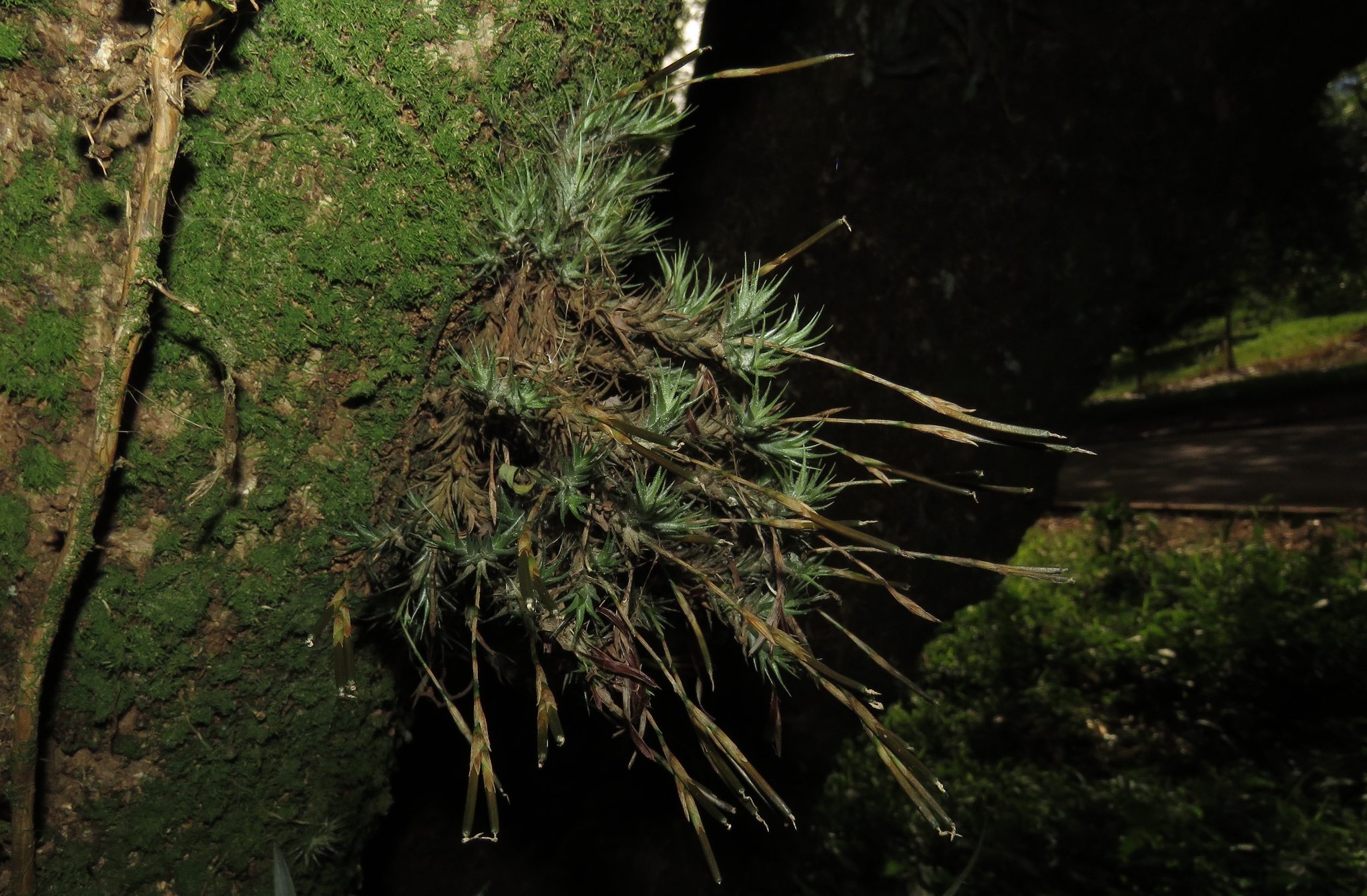
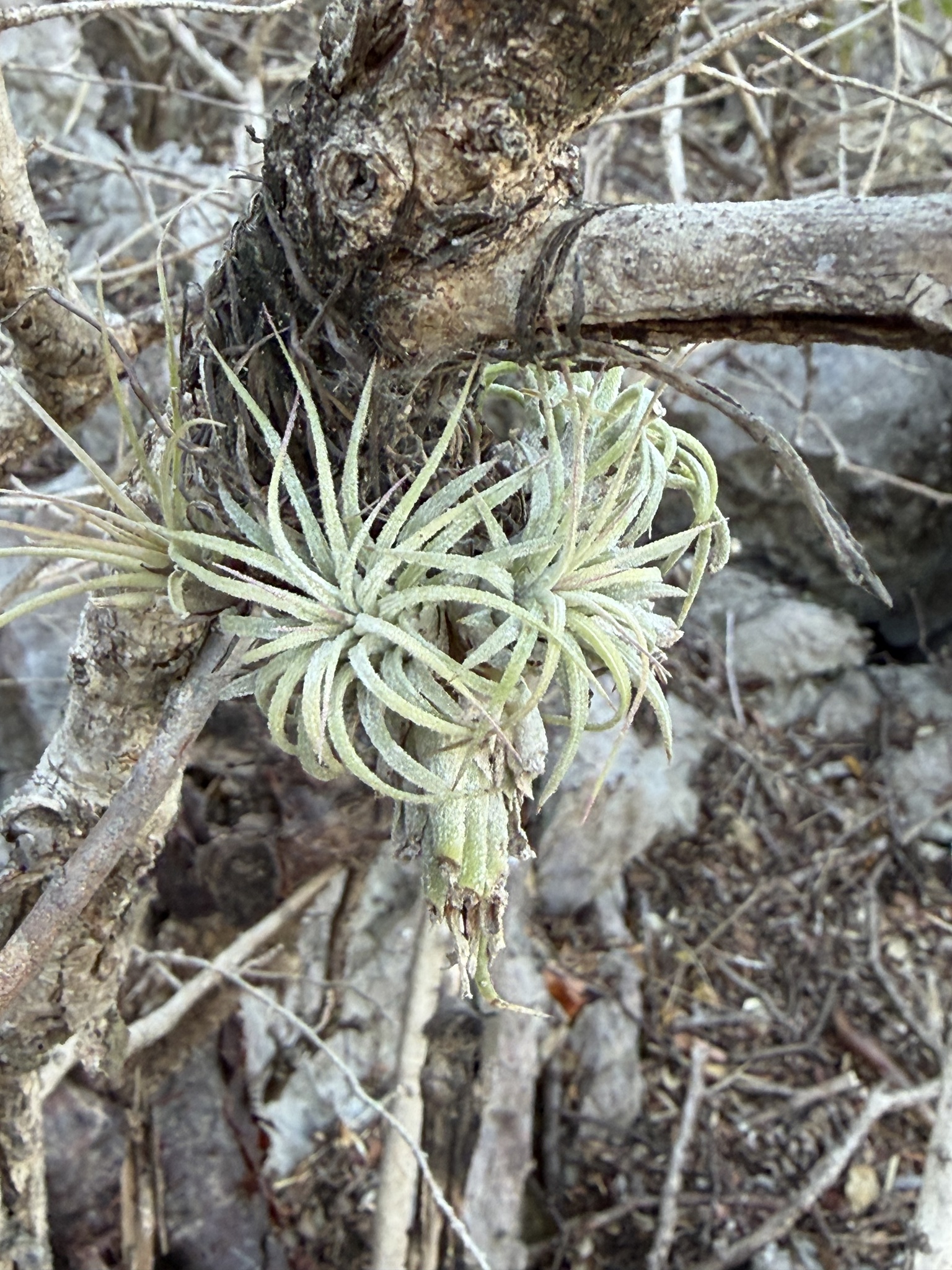
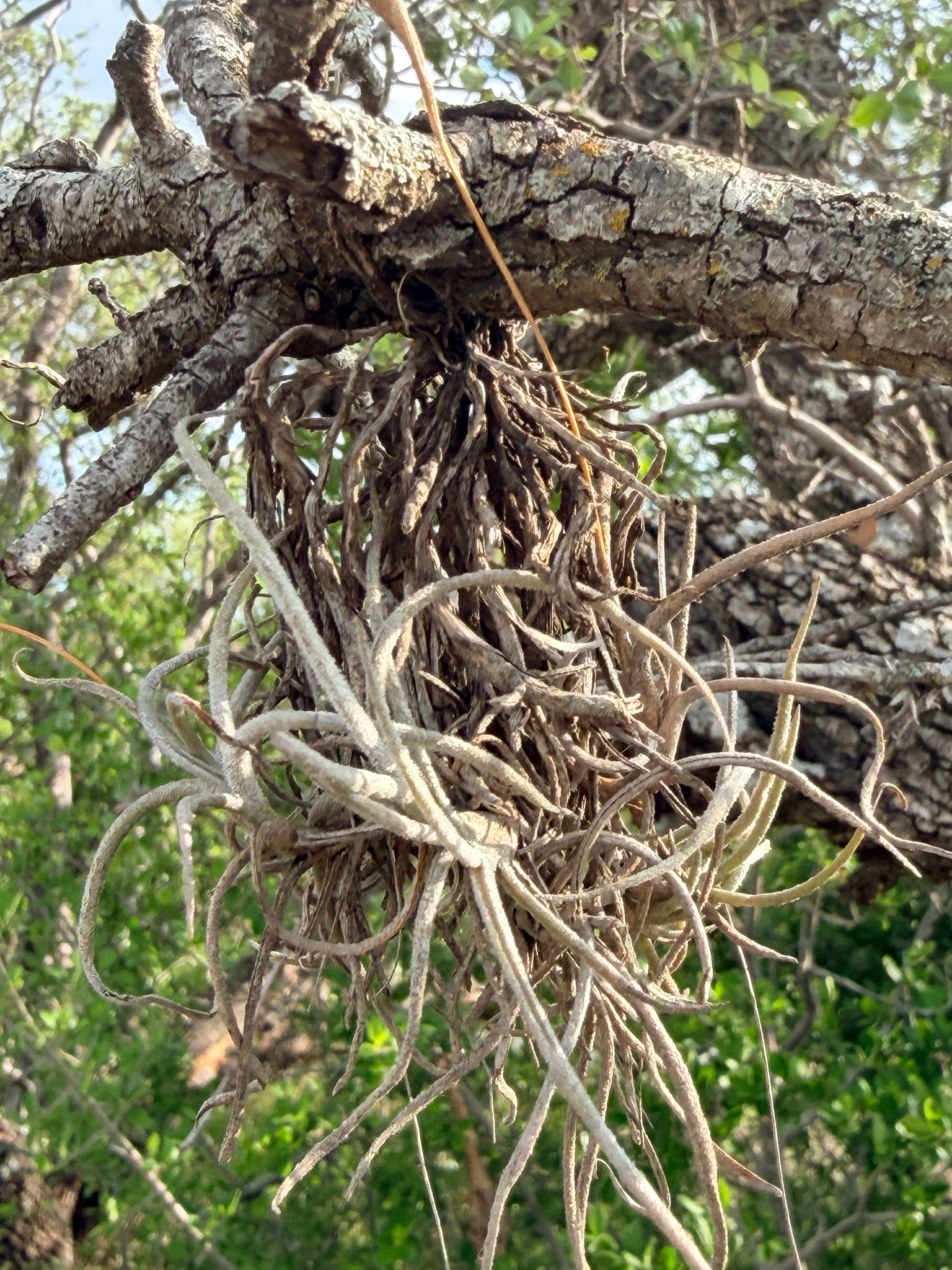
Photos of Spreading Airplant (Tillandsia utriculata)
Where Spreading Airplant (Tillandsia utriculata) is found

Density
Tap map to explore
Common names and botanical synonyms
Botanical classification
| Rank | Name |
|---|---|
| Kingdom | Plantae |
| Division | Tracheophyta |
| Class | Liliopsida |
| Order | Poales |
| Family | Bromeliaceae |
| Genus | Tillandsia |
| Species | Tillandsia utriculata |
Similar in genus Tillandsia
Answers based on plant encyclopedia data