Water
Prostrate knotweed prefers consistently moist soil but tolerates drought once established. Water deeply when the top 2-3 cm of soil feels dry. Avoid waterlogging, as it can lead to root rot.
Reduce watering in winter when the plant is dormant.
Also known as Armstrong · Birdgrass · Centinode
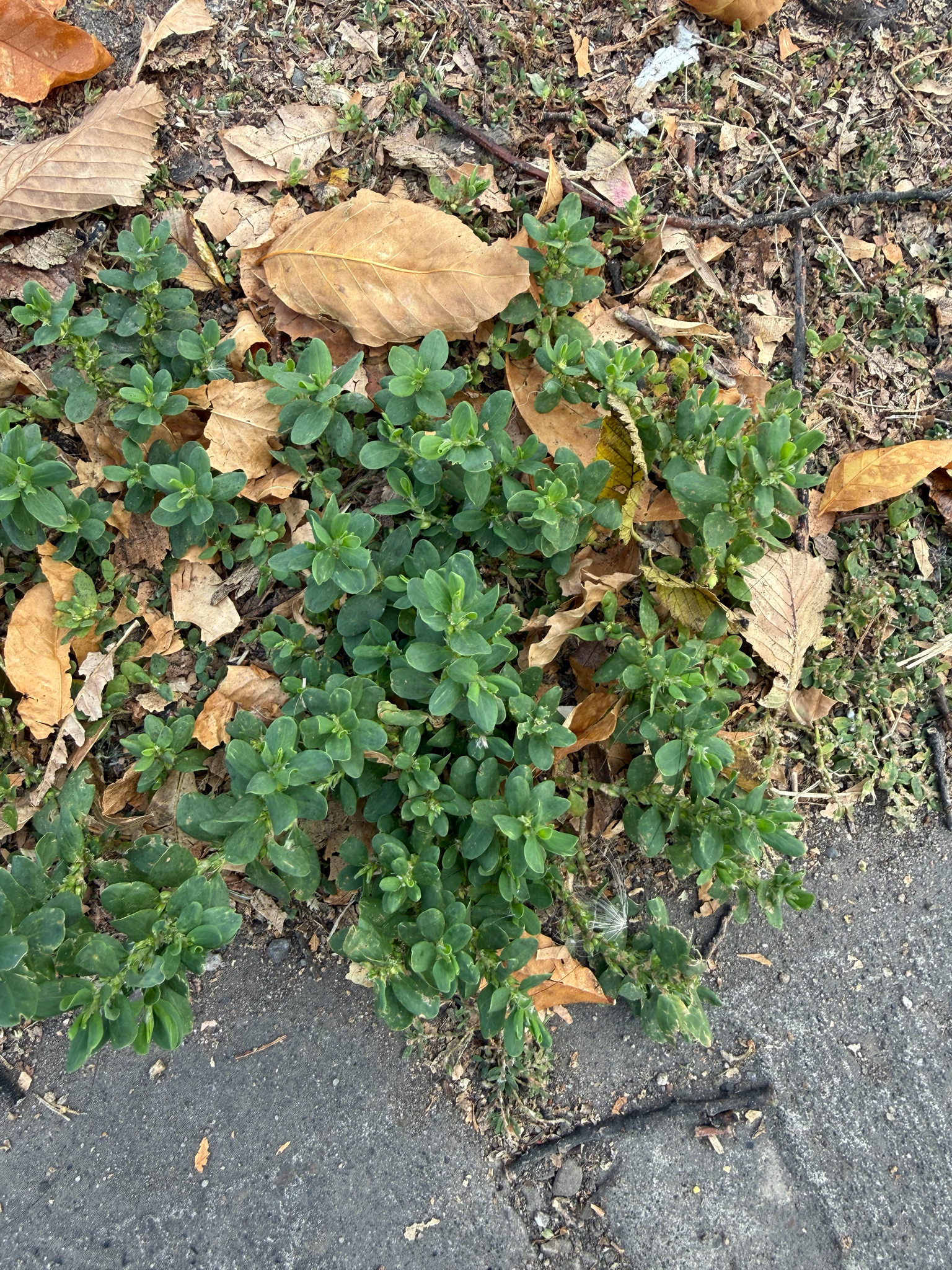
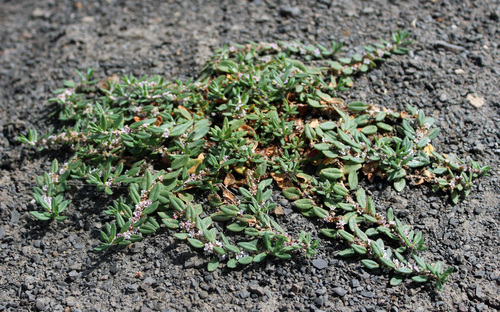
Prostrate Knotweed (Polygonum aviculare) is a widely distributed, low-growing annual plant often found in disturbed areas, paths, and lawns.
At-a-glance light, water, soil, and growing conditions from plant data
Full Sun
100% intensity
Prefers at least 6-8 hours of direct sunlight per day for optimal growth and flowering.
Moderate
50% intensity
Keep soil consistently moist, allowing top inch to dry between waterings. Reduce in dormancy.
Well-drained
50% intensity
Adaptable
25% intensity
Tolerates a wide range of temperatures. Hardy in most climates.
Low
25% intensity
Does not require frequent fertilization. A light feeding in spring is adequate.
Safety information from plant toxicity data
| Attribute | Value |
|---|---|
| Toxic for humans | No 0/5 intensity |
| Toxic for pets | No 0/5 intensity |
None
Key traits and growing stats from plant data
Watering, pruning, propagation, and repotting details from plant data
Prostrate knotweed prefers consistently moist soil but tolerates drought once established. Water deeply when the top 2-3 cm of soil feels dry. Avoid waterlogging, as it can lead to root rot.
Reduce watering in winter when the plant is dormant.
Pruning is typically not necessary for Polygonum aviculare, as it naturally forms a low, spreading mat.
If desired for aesthetic reasons or to control its spread in small areas, it can be trimmed back lightly after flowering. This helps maintain its compact form.
Propagation is easily achieved through seeds sown in spring or by division of established plants in early spring or autumn. Cuttings can also be taken in late spring or early summer and will root readily in moist soil or a propagation medium.
Repotting is rarely needed for Polygonum aviculare, as it is often grown as a groundcover or in containers where it can spread. If grown in a small pot and becomes root-bound, repot in spring to a slightly larger container with well-draining soil.
Identify plants like this with ePlant AI
Snap a photo to get care tips and match similar species on the go.
Monthly activity intensity for bloom and fruit across both hemispheres.
Flowering & fruiting calendar
Flowering & fruiting calendar
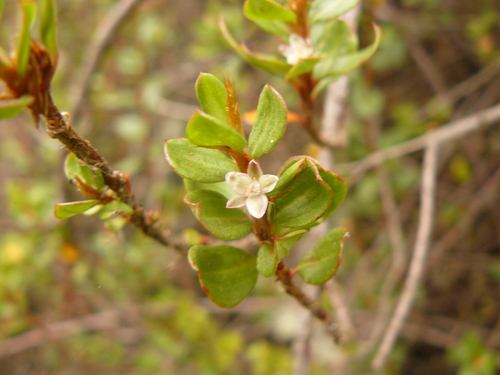
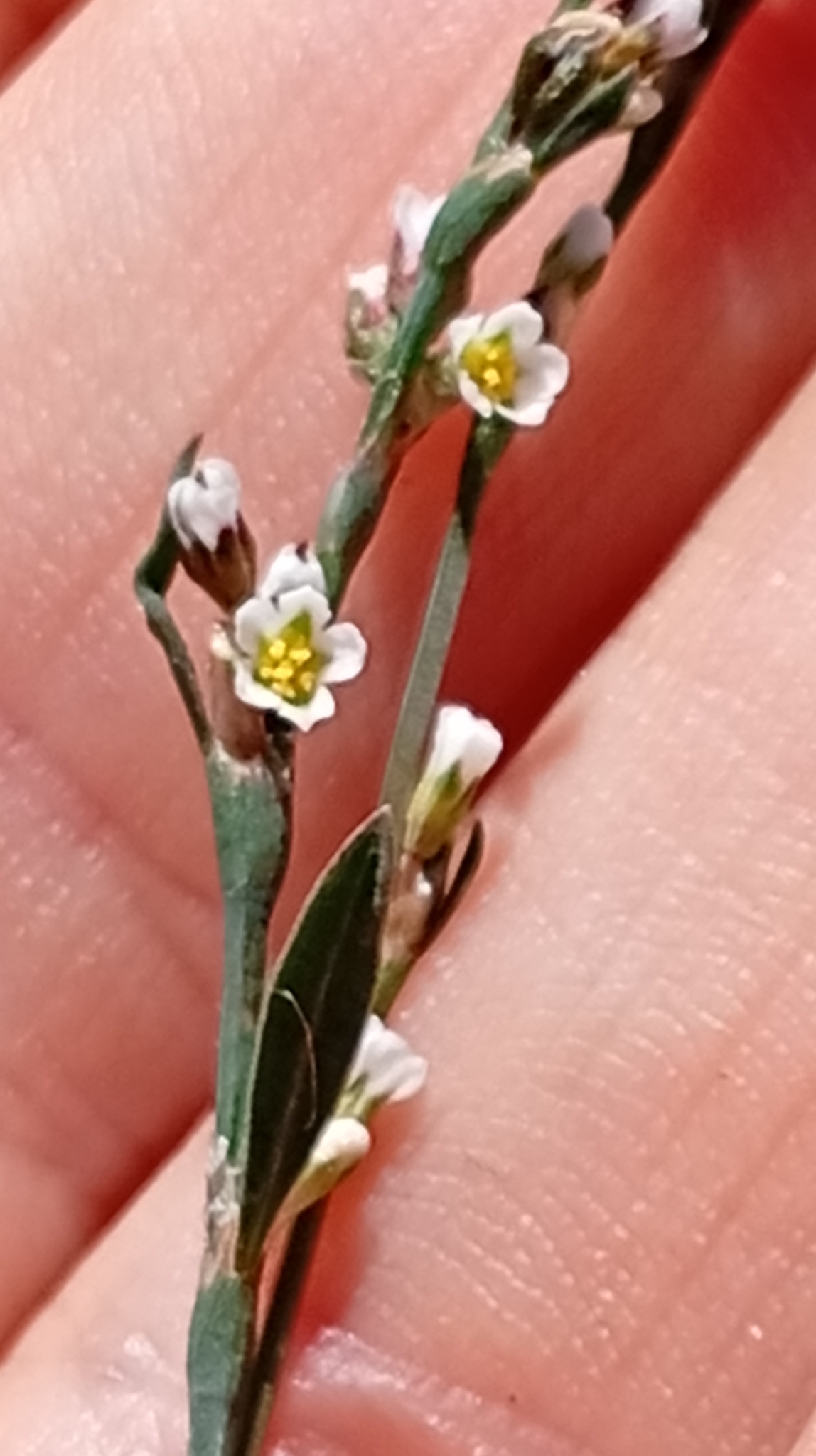
Photos of Prostrate Knotweed (Polygonum aviculare)
Where Prostrate Knotweed (Polygonum aviculare) is found

Density
Tap map to explore
Common names and botanical synonyms
Botanical classification
| Rank | Name |
|---|---|
| Kingdom | Plantae |
| Division | Tracheophyta |
| Class | Magnoliopsida |
| Order | Caryophyllales |
| Family | Polygonaceae |
| Genus | Polygonum |
| Species | Polygonum aviculare |
Similar in genus Polygonum
Answers based on plant encyclopedia data