Water
Water regularly, especially during dry periods, ensuring the soil remains consistently moist but not waterlogged. Allow the top inch of soil to dry out slightly between waterings, particularly once established.
Reduce watering in winter.
Also known as Korean Mountain Burnet · Lilac Squirrel
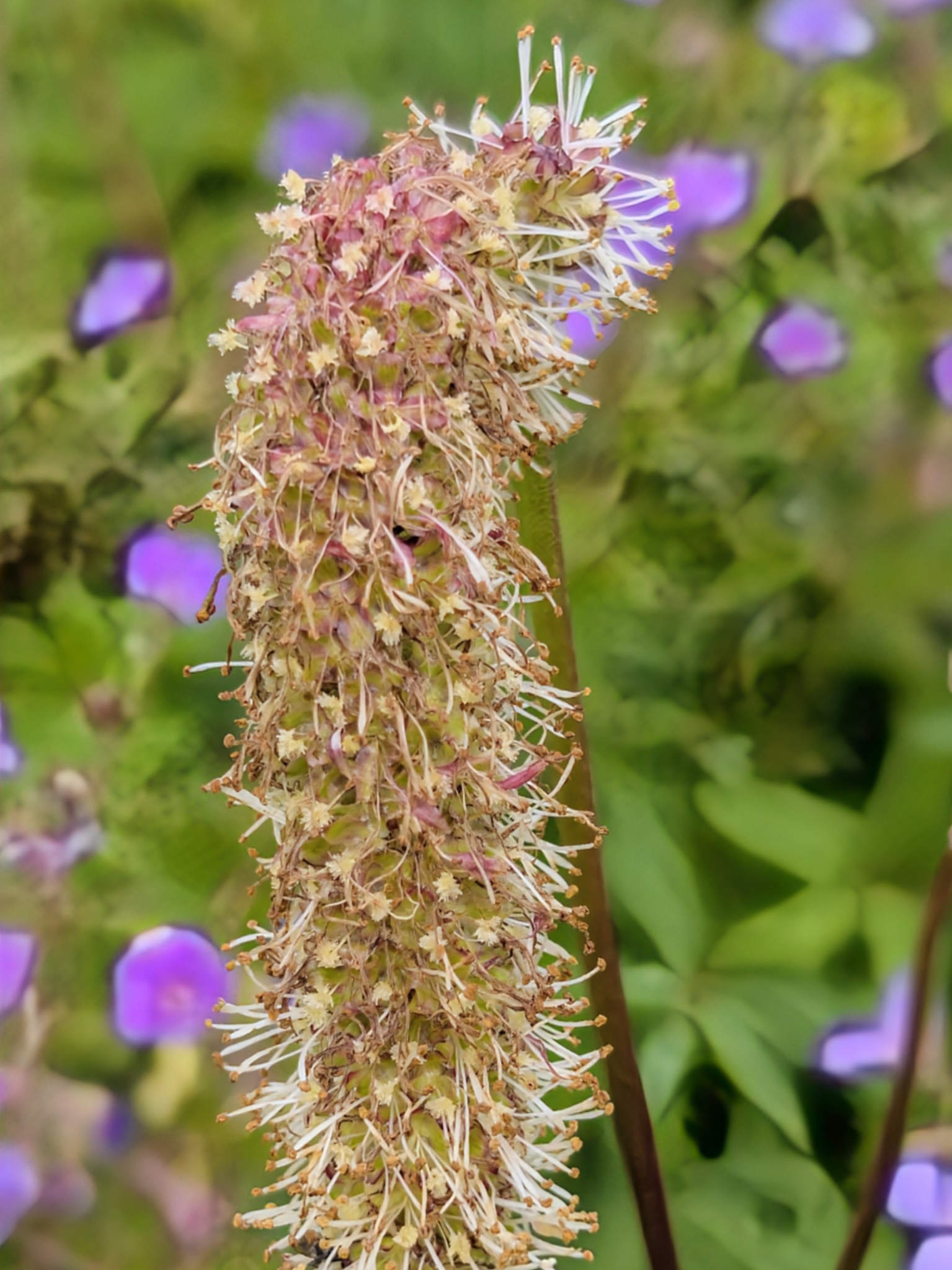
Sanguisorba hakusanensis, a striking perennial, features elegant bottlebrush-like flower spikes in shades of pink to deep crimson, blooming through summer and autumn.
At-a-glance light, water, soil, and growing conditions from plant data
Full Sun to Partial Shade
50% intensity
Thrives in full sun but can tolerate partial shade, especially in hotter climates. More sun generally leads to better flowering.
Consistent Moisture
50% intensity
Prefers consistently moist soil, but avoid waterlogging. Water deeply when the top layer of soil feels dry.
Well-drained
50% intensity
Cold Hardy
25% intensity
Prefers cooler temperatures and is hardy in most temperate climates. Protect from extreme heat.
Low Feed
25% intensity
Requires minimal feeding. Amend soil with compost annually or use a balanced, slow-release fertilizer in spring.
Safety information from plant toxicity data
| Attribute | Value |
|---|---|
| Toxic for humans | No 0/5 intensity |
| Toxic for pets | No 0/5 intensity |
Non-toxic
Key traits and growing stats from plant data
Watering, pruning, propagation, and repotting details from plant data
Water regularly, especially during dry periods, ensuring the soil remains consistently moist but not waterlogged. Allow the top inch of soil to dry out slightly between waterings, particularly once established.
Reduce watering in winter.
Deadhead spent flower spikes to encourage further blooming and maintain a tidy appearance. Cut back established plants in late autumn or early spring to remove dead foliage and promote new growth.
Divide overcrowded clumps every few years.
Easily propagated by division in early spring or autumn. Sow fresh seeds in autumn or spring in a cold frame. Softwood cuttings can be taken in late spring or early summer and rooted in moist, well-drained compost.
Repot container-grown plants every 2-3 years in spring, or when root-bound. Use a good quality, peat-free compost mixed with grit for drainage. Ensure the new pot is only slightly larger than the previous one.
Identify plants like this with ePlant AI
Snap a photo to get care tips and match similar species on the go.
Monthly activity intensity for bloom and fruit across both hemispheres.
Flowering & fruiting calendar
Flowering & fruiting calendar
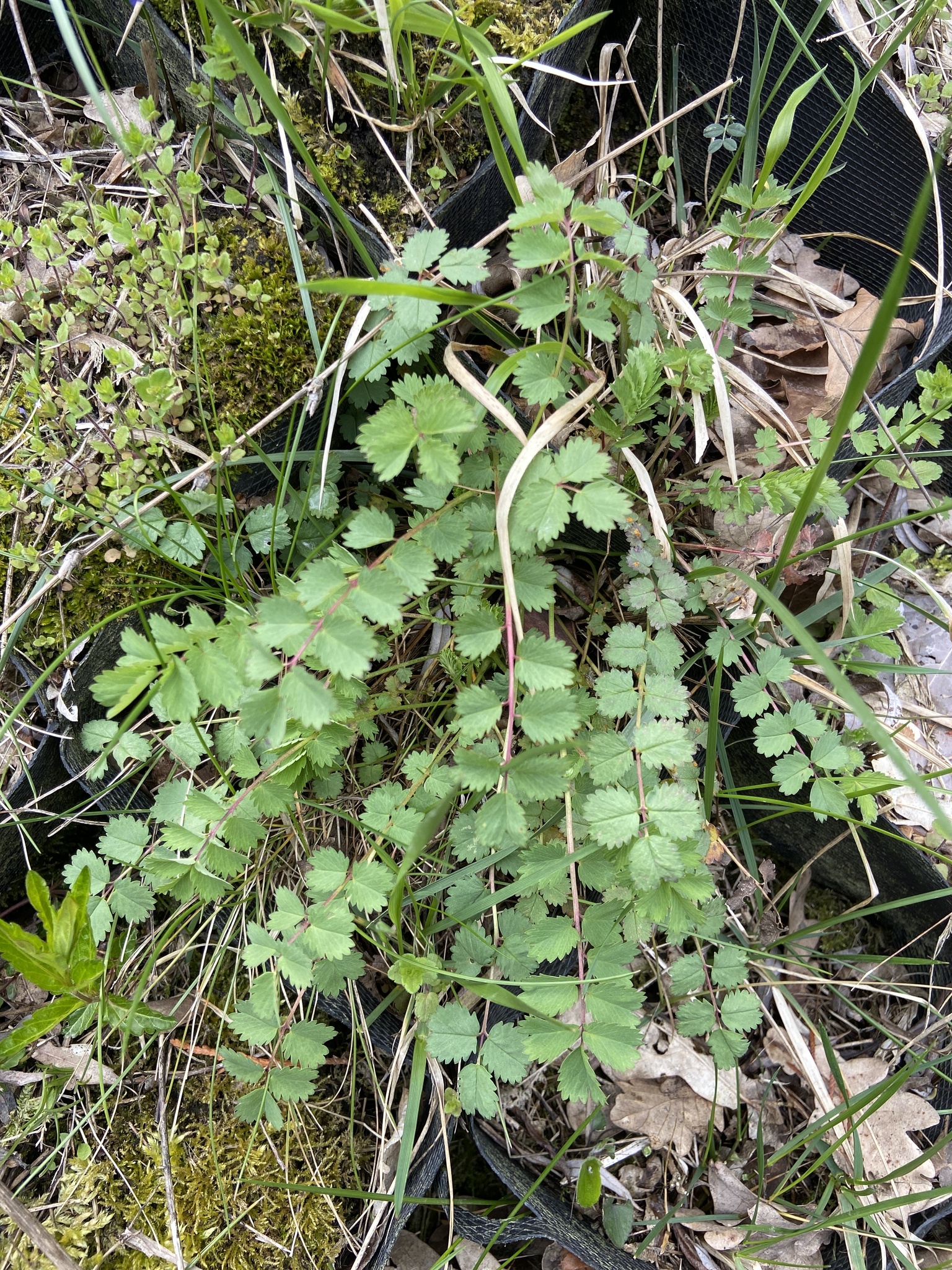
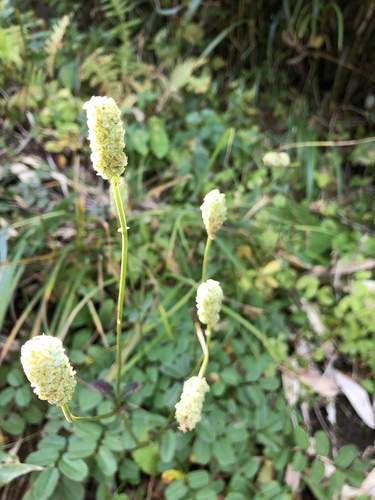
Photos of Sanguisorba Hakusanensis (Sanguisorba hakusanensis)
Where Sanguisorba Hakusanensis (Sanguisorba hakusanensis) is found

Density
Tap map to explore
Common names and botanical synonyms
Botanical classification
| Rank | Name |
|---|---|
| Kingdom | Plantae |
| Division | Tracheophyta |
| Class | Magnoliopsida |
| Order | Rosales |
| Family | Rosaceae |
| Genus | Sanguisorba |
| Species | Sanguisorba hakusanensis |
Similar in genus Sanguisorba
Answers based on plant encyclopedia data