Water
Kuril Bamboo prefers consistent moisture. Water deeply when the top 2-3 cm of soil feels dry. Avoid waterlogged conditions, which can lead to root rot.
During hot, dry periods, increase watering frequency to maintain optimal hydration.
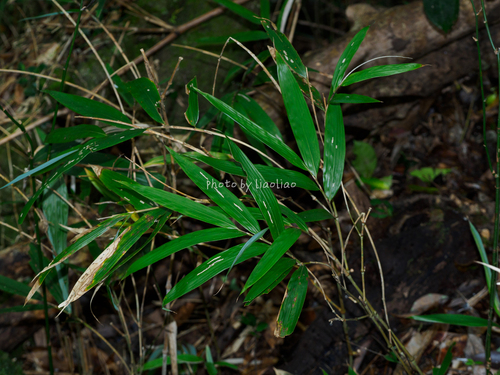
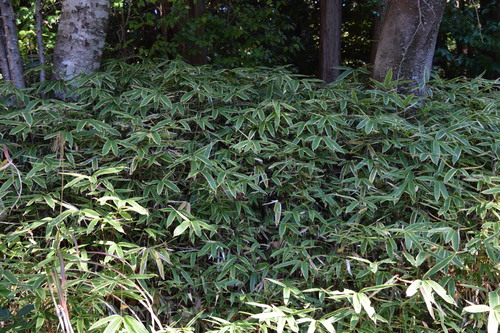
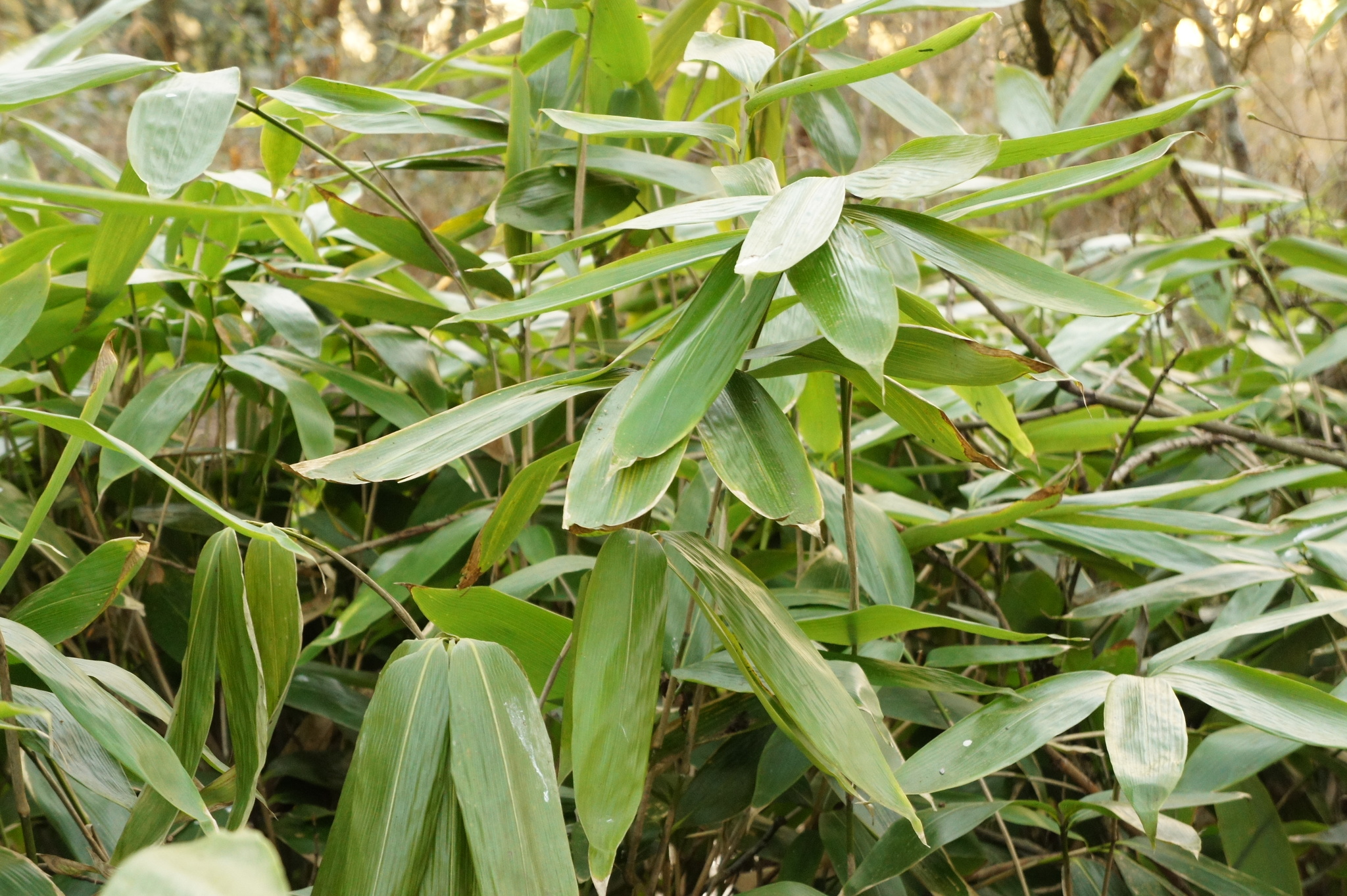
Kuril Bamboo (Sasa kurilensis) is a fast-growing, clumping bamboo known for its attractive, dense foliage and slender culms, forming a beautiful screen.
At-a-glance light, water, soil, and growing conditions from plant data
Partial to full sun
50% intensity
Prefers full sun to partial shade. Tolerates more shade but may grow less densely.
Regularly keep soil moist
75% intensity
Water deeply when topsoil is dry, avoid waterlogging.
Well-drained, moist, fertile
50% intensity
Hardy
50% intensity
Prefers cool to moderate temperatures. Tolerates a wide range, but protect from extreme heat and frost.
Moderate feeding
50% intensity
Feed in spring with a balanced fertilizer; organic matter is beneficial.
Safety information from plant toxicity data
| Attribute | Value |
|---|---|
| Toxic for humans | No 0/5 intensity |
| Toxic for pets | No 0/5 intensity |
Key traits and growing stats from plant data
Watering, pruning, propagation, and repotting details from plant data
Kuril Bamboo prefers consistent moisture. Water deeply when the top 2-3 cm of soil feels dry. Avoid waterlogged conditions, which can lead to root rot.
During hot, dry periods, increase watering frequency to maintain optimal hydration.
Pruning is primarily for aesthetic control and to manage spread. Remove dead, damaged, or overcrowded culms at ground level. Selective thinning can improve air circulation and light penetration.
Heavy pruning can be done in late winter or early spring before new growth emerges.
Kuril Bamboo is best propagated by division. In early spring, carefully dig up a mature clump and divide it into smaller sections, ensuring each section has roots and several culms.
Replant immediately at the same depth as the parent plant.
Repotting is typically only necessary for container-grown plants that have become root-bound. This can be done every 2-3 years in spring. Choose a pot that is only slightly larger than the current one.
Ensure good drainage and use a well-draining potting mix.
Identify plants like this with ePlant AI
Snap a photo to get care tips and match similar species on the go.
Monthly activity intensity for bloom and fruit across both hemispheres.
Flowering & fruiting calendar
Flowering & fruiting calendar
Photos of Kuril Bamboo (Sasa kurilensis)
Common names and botanical synonyms
Botanical classification
| Rank | Name |
|---|---|
| Kingdom | Plantae |
| Division | Tracheophyta |
| Class | Liliopsida |
| Order | Poales |
| Family | Poaceae |
| Genus | Sasa |
| Species | Sasa kurilensis |
Similar in genus Sasa
Answers based on plant encyclopedia data