Water
Maintain consistently moist soil, especially during the growing season. Use only distilled water, rainwater, or demineralized water to prevent mineral buildup.
Reduce watering slightly in winter but do not let the soil dry out completely.
Also known as Giant Butterwort
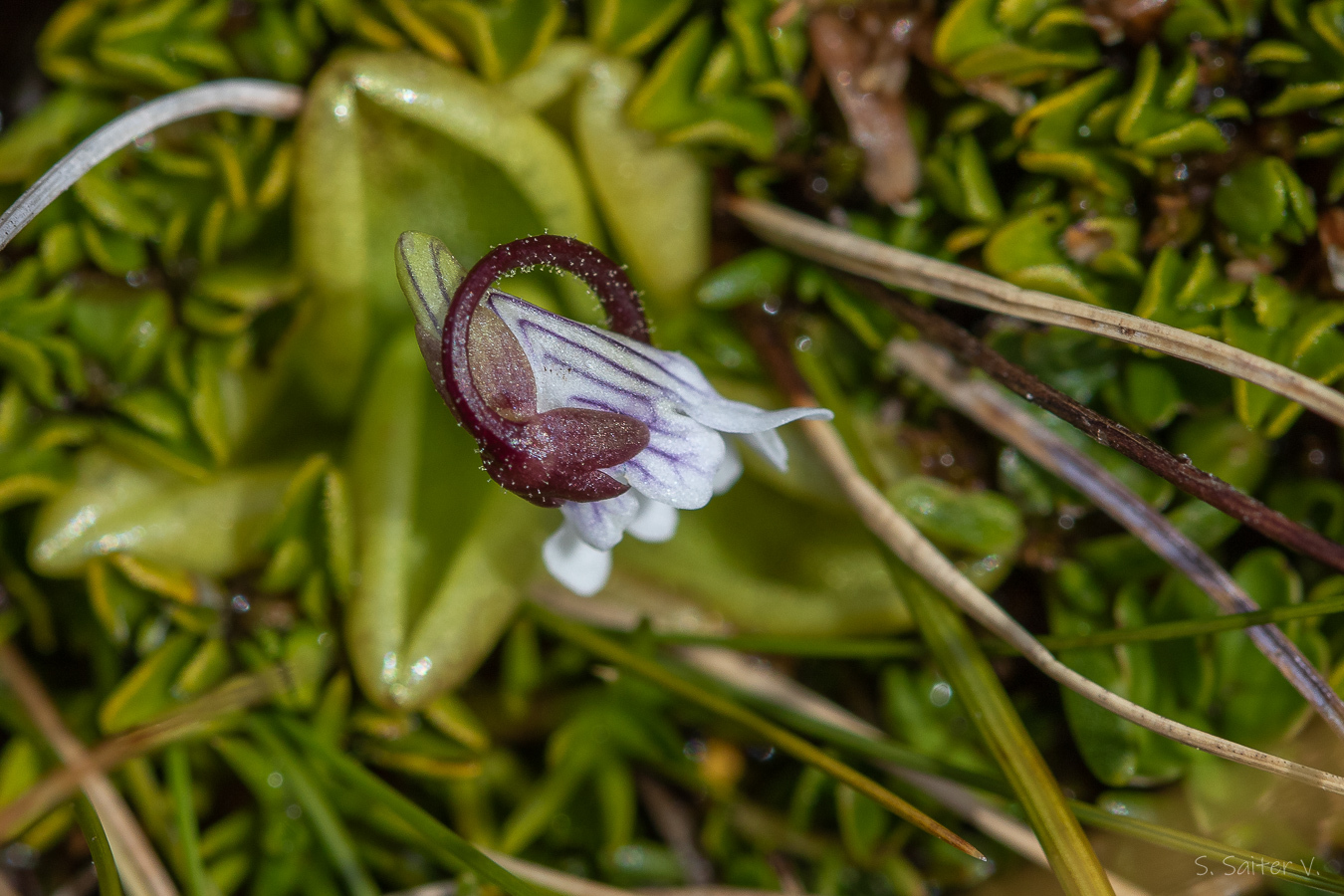
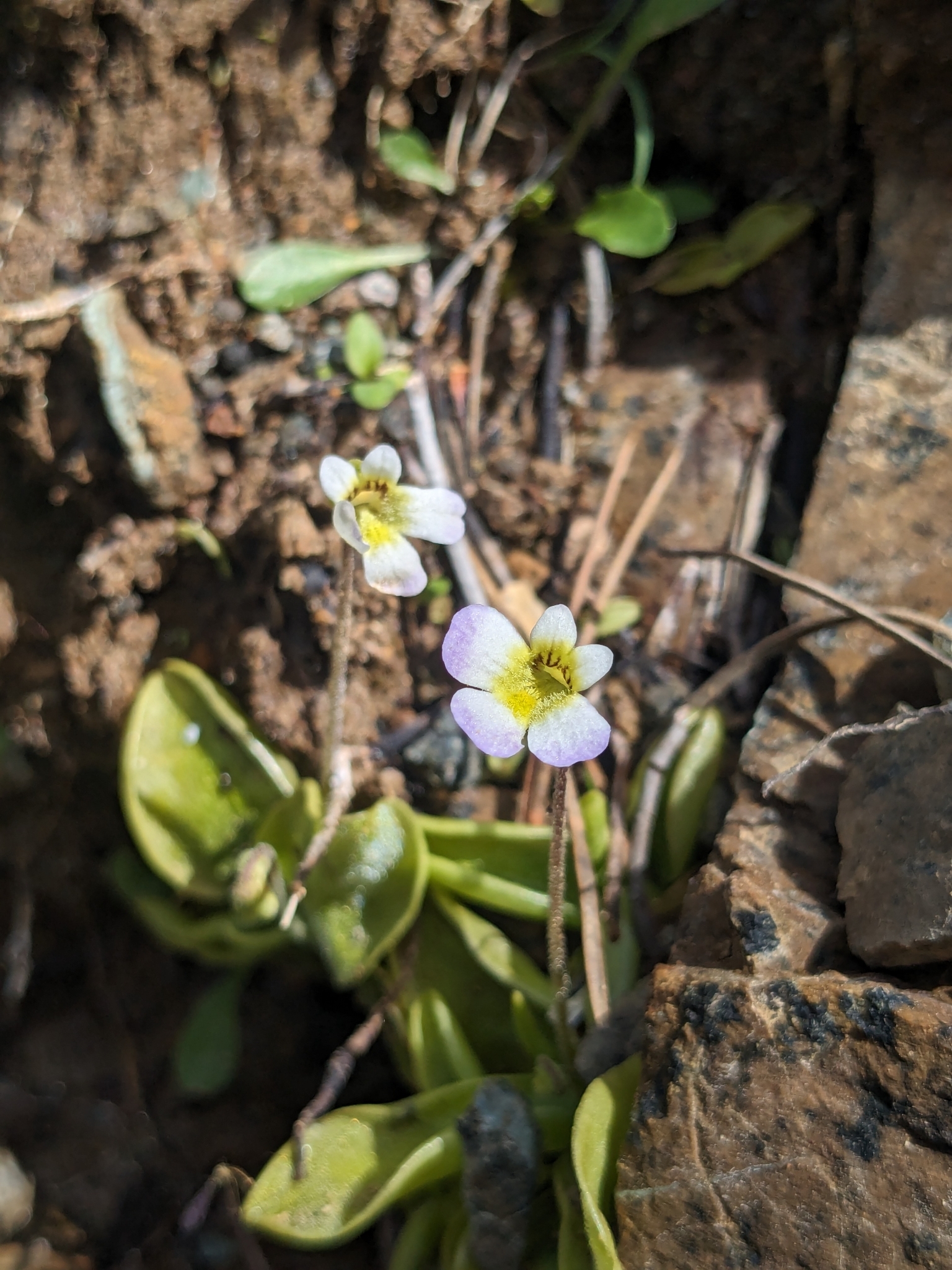
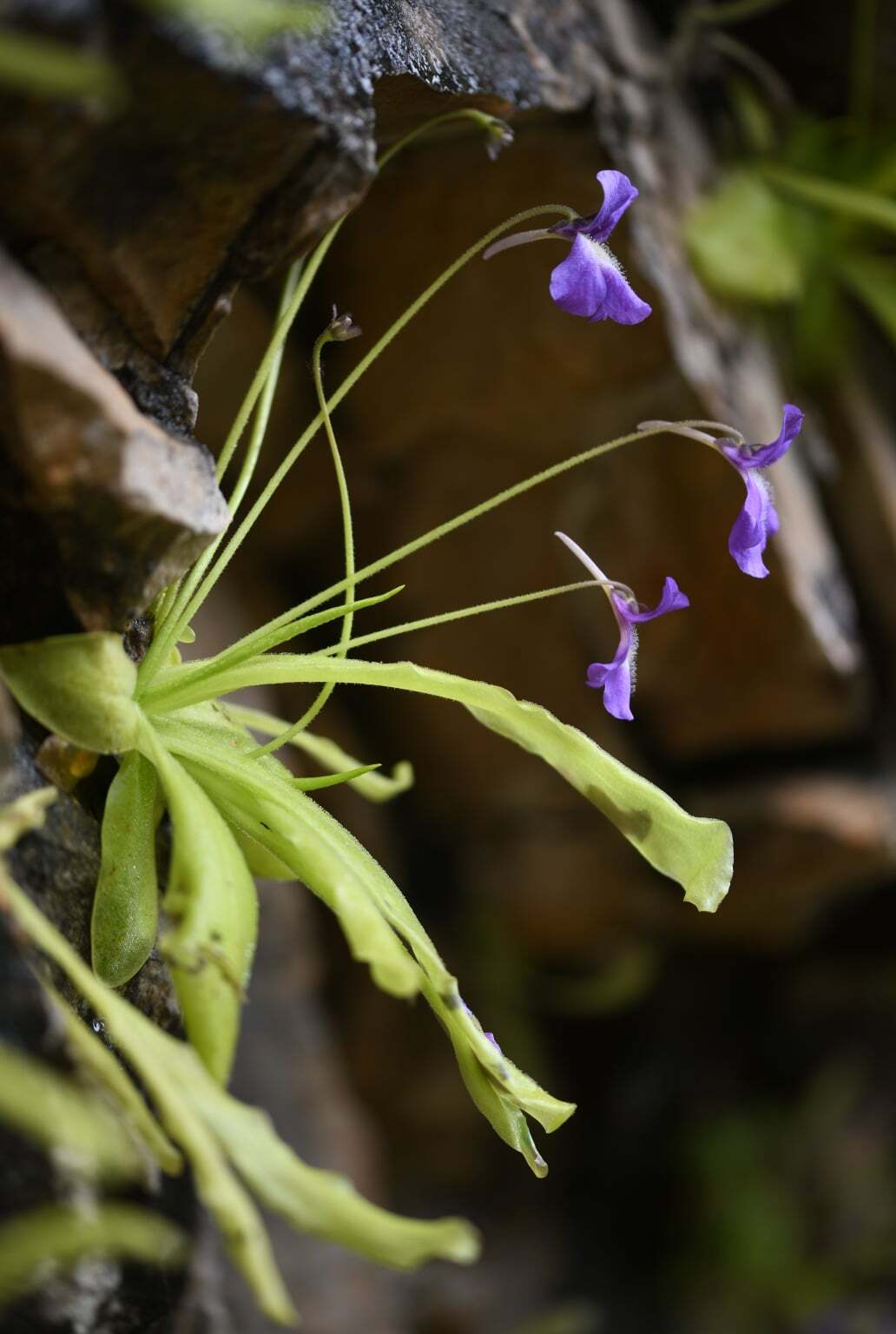
Large-Flowered Butterwort (Pinguicula grandiflora) is a carnivorous plant native to Europe, known for its vibrant purple flowers and sticky leaves that trap insects.
At-a-glance light, water, soil, and growing conditions from plant data
Prefers bright, indirect light. Protect from harsh direct sun.
70% intensity
Mimics natural habitat conditions.
Keep soil consistently moist with distilled or rainwater. Avoid tap water.
80% intensity
Essential for carnivorous plants to prevent mineral buildup.
Requires a nutrient-poor, acidic, and well-draining substrate, such as a mix of peat moss and sand or perlite.
50% intensity
Grows best in cool to moderate temperatures, with a winter dormancy period.
50% intensity
Avoid extreme heat.
Outdoor, Greenhouse
50% intensity
Does not require soil fertilization; obtains nutrients from insects.
10% intensity
Supplement with very dilute foliar feed if insect prey is scarce.
Safety information from plant toxicity data
| Attribute | Value |
|---|---|
| Toxic for humans | No 0/5 intensity |
| Toxic for pets | No 0/5 intensity |
| Edible | No |
Key traits and growing stats from plant data
Watering, pruning, propagation, and repotting details from plant data
Maintain consistently moist soil, especially during the growing season. Use only distilled water, rainwater, or demineralized water to prevent mineral buildup.
Reduce watering slightly in winter but do not let the soil dry out completely.
Remove dead or yellowing leaves and spent flower stalks to maintain plant health and appearance. This can be done as needed throughout the growing season. No heavy pruning is typically required for this species.
Easily propagated from leaf cuttings or by division of the plant during repotting. Seeds can also be sown but may take longer to germinate and establish. Ensure propagation medium is sterile and nutrient-poor.
Repot in spring every 1-2 years into a slightly larger pot using a suitable carnivorous plant mix. This helps to refresh the soil and provide more space for root growth.
Handle the delicate roots gently during the process.
Identify plants like this with ePlant AI
Snap a photo to get care tips and match similar species on the go.
Monthly activity intensity for bloom and fruit across both hemispheres.
Flowering & fruiting calendar
Flowering & fruiting calendar
Photos of Large-Flowered Butterwort (Pinguicula grandiflora)
Where Large-Flowered Butterwort (Pinguicula grandiflora) is found

Density
Tap map to explore
Common names and botanical synonyms
Botanical classification
| Rank | Name |
|---|---|
| Kingdom | Plantae |
| Division | Tracheophyta |
| Class | Magnoliopsida |
| Order | Lamiales |
| Family | Lentibulariaceae |
| Genus | Pinguicula |
| Species | Pinguicula grandiflora |
Similar in genus Pinguicula
Answers based on plant encyclopedia data