Skip to plant details

Broad-Leaved PondweedPotamogeton amplifolius

Also known as Large-Leaf Pondweed · Large-Leaved Pondweed · Largeleaf Pondweed

  • Type: Aquatic
  • Sunlight: Full sun to partial shade
  • Water: Always submerged
  • Temperature: Temperate
  • Habitat: Aquatic

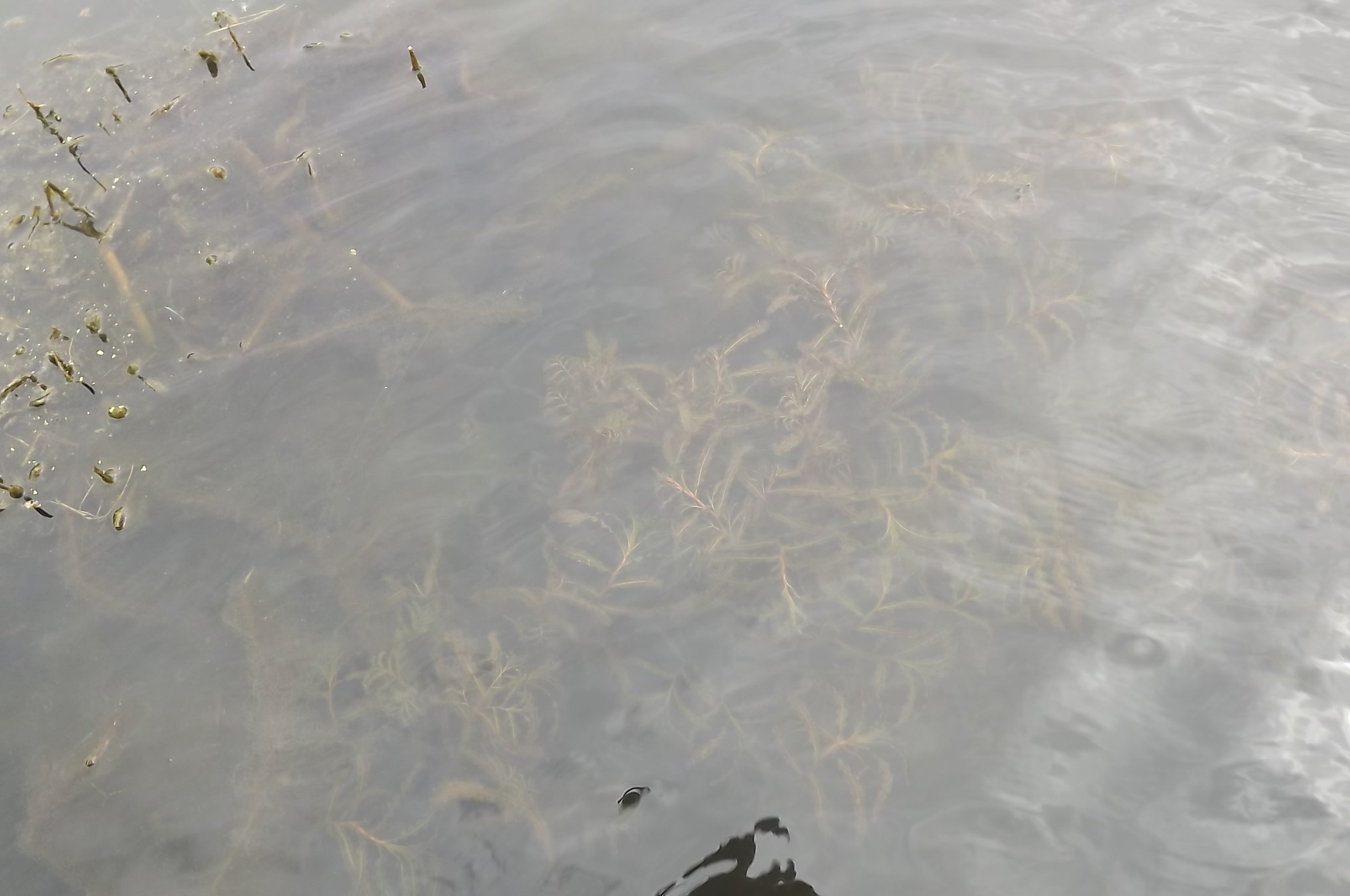
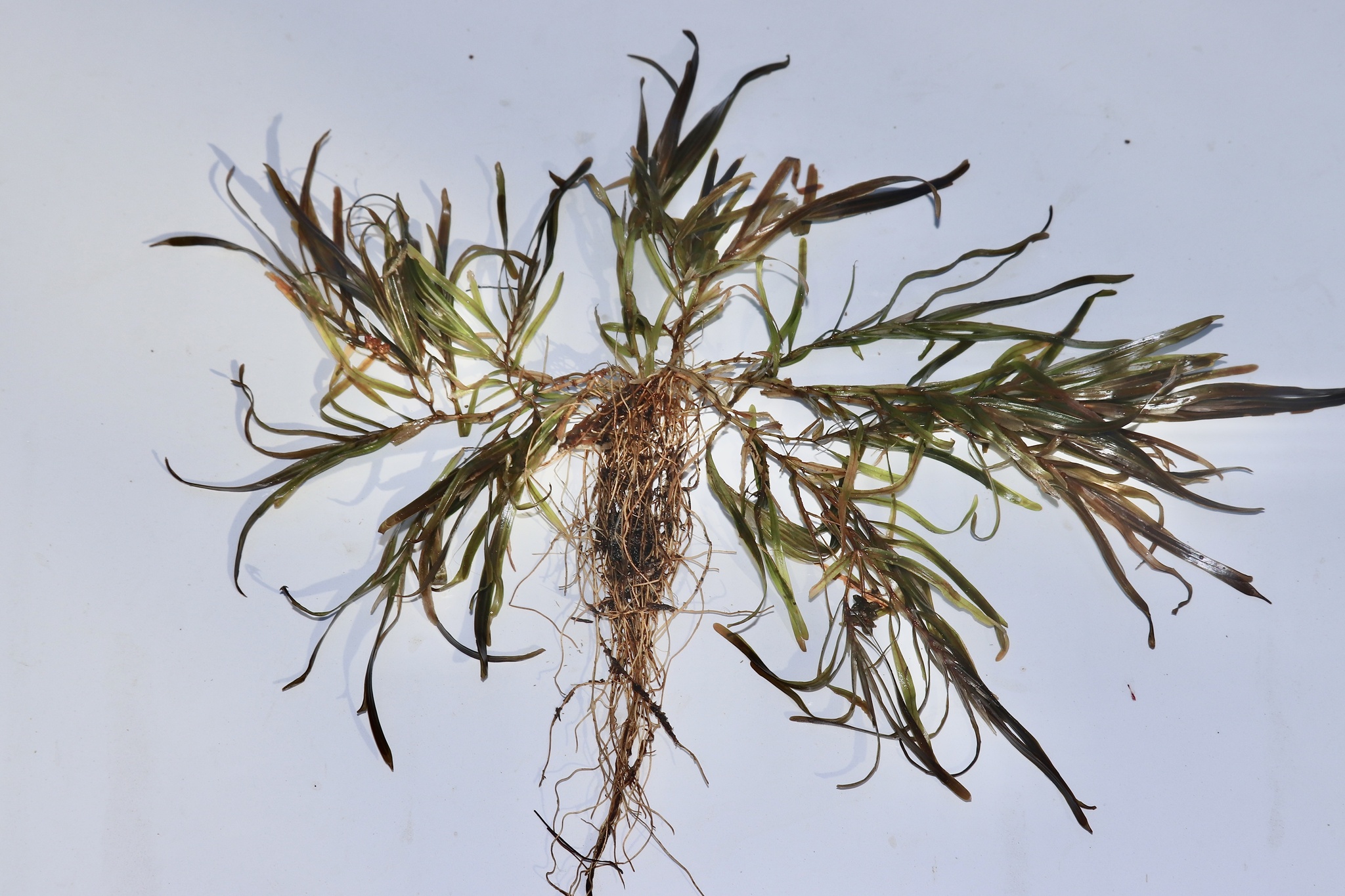
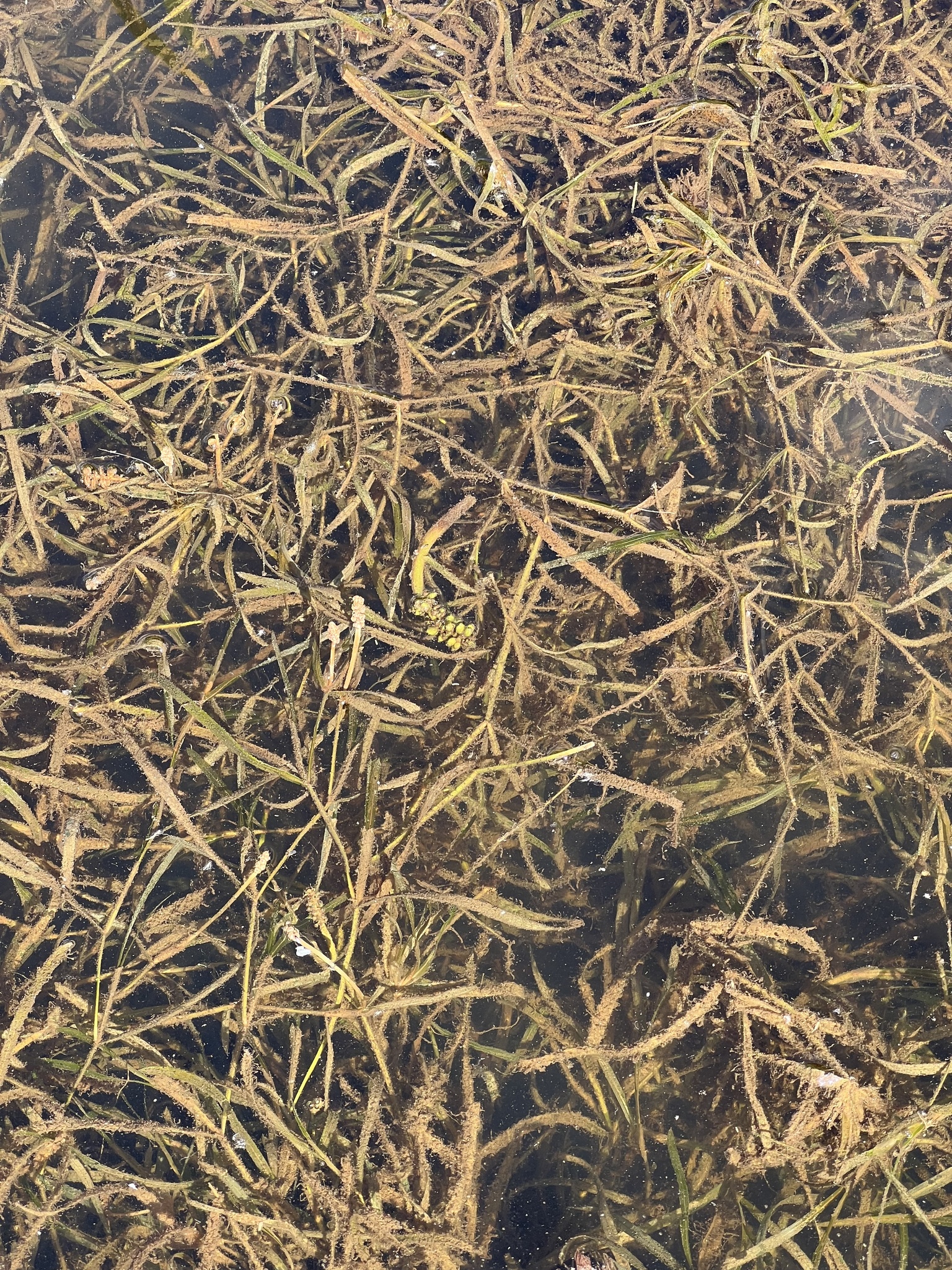
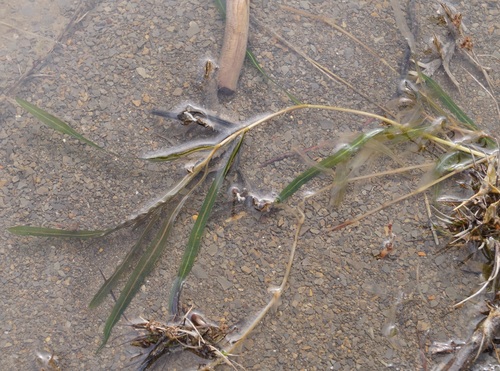
Potamogeton amplifolius, the Broad-leaved Pondweed, is an aquatic perennial herb with submerged and floating leaves, found in freshwater habitats.

Photograph © hollyyoung · CC-BY-NC

Broad-Leaved Pondweed Care Summary

At-a-glance light, water, soil, and growing conditions from plant data

Light

Full sun to partial shade

75% intensity

Prefers bright, indirect sunlight or partial shade. Direct, intense sun can sometimes lead to excessive algae growth in the pond.

Watering

Always submerged

100% intensity

Maintain consistent water levels, ensuring the entire plant is underwater. Use clean, still water. Avoid stagnant or polluted conditions.

Soil

Silty or sandy substrate in aquatic environments

50% intensity

Temperature

Temperate

50% intensity

Thrives in cool to moderate water temperatures, typically between 15-25°C (59-77°F). Protect from extreme heat and freezing.

Habitat

Aquatic

50% intensity

Fertilizer

Low

25% intensity

Rarely needs fertilization. Nutrients are usually obtained from the substrate and water. Over-fertilization can cause algal blooms.

Broad-Leaved Pondweed Toxicity

Safety information from plant toxicity data

Toxicity details for Broad-Leaved Pondweed
AttributeValue
Toxic for humansNo

0/5 intensity

Toxic for petsNo

0/5 intensity

None

Broad-Leaved Pondweed Quick Facts

Key traits and growing stats from plant data

Plant Type
Aquatic
Plant Environment
Aquatic
Lifespan
Perennial
Plant Height
0.3-1.0 m
Spread
0.5-1.5 m
Growth Rate
Moderate
Dormancy
Yes
Leaf Color
Green
Leaf Type
Simple
Flower Size
Small
Optimal Sunlight Lux
60000

Care guide for Broad-Leaved Pondweed

Watering, pruning, propagation, and repotting details from plant data

Water

Broad-leaved Pondweed is an aquatic plant, so it requires constant submersion in clean, still water. Ensure the entire plant, including roots and leaves, remains fully underwater.

Avoid stagnant or polluted water, as this can harm the plant and its environment. Maintain a consistent water level.

Pruning

Pruning for Broad-leaved Pondweed is minimal. Remove any dead, decaying, or yellowing leaves to maintain water quality and plant health. Overgrowth can be managed by gently thinning out excess foliage.

This is best done during the growing season to encourage new, healthy growth.

Propagation

Propagation is primarily achieved through vegetative means. The plant readily fragments, with sections of stem or rhizome capable of forming new plants. You can also divide larger plants by separating rooted sections.

Simply replant these fragments into suitable substrate in the pond.

Repotting

Repotting is generally not required for Potamogeton amplifolius.

If planted in a container or substrate that has become depleted or waterlogged, you can gently move it to a larger container with fresh, nutrient-rich aquatic soil.

Ensure the new location offers adequate depth and stable conditions.

Identify plants like this with ePlant

Snap a photo to get care tips and match similar species on the go.

Try for Free

Flowering & Fruiting Cycles

Monthly activity intensity for bloom and fruit across both hemispheres.

Northern hemisphere

Flowering & fruiting calendar

Peak bloom · JunPeak fruit · Aug
FloweringFruiting
02468JanFebMarAprMayJunJulAugSepOctNovDecActivity intensityMonths88
Southern hemisphere

Flowering & fruiting calendar

Peak bloom · JulPeak fruit · Sep
FloweringFruiting
02468JanFebMarAprMayJunJulAugSepOctNovDecActivity intensityMonths88

Broad-Leaved Pondweed Names & Synonyms

Common names and botanical synonyms

Common Names

  • Broad-Leaved Pondweed
  • Large-Leaf Pondweed
  • Large-Leaved Pondweed
  • Largeleaf Pondweed

Synonyms

  • Potamogeton subobtusus Hagstr.
  • Spirillus amplifolius (Tuck.) Nieuwl.

Broad-Leaved Pondweed Taxonomy

Botanical classification

Taxonomic classification of Broad-Leaved Pondweed
RankName
kingdomPlantae
divisionTracheophyta
classLiliopsida
orderAlismatales
familyPotamogetonaceae
genusPotamogeton
speciesPotamogeton amplifolius

Broad-Leaved Pondweed FAQs

Answers based on plant encyclopedia data

What are the habitat requirements for Potamogeton amplifolius?

Broad-leaved Pondweed thrives in still or slow-moving freshwater bodies such as lakes, ponds, and slow rivers, typically in moderately deep water with a substrate of mud or silt.

How does Potamogeton amplifolius reproduce?

Reproduction occurs both vegetatively through rhizomes and fragments, and sexually via seeds produced from its emergent flower spikes.

Is Potamogeton amplifolius a native species?

Potamogeton amplifolius is native to North America, widely distributed across much of the continent.

What are the ecological roles of Broad-leaved Pondweed?

It plays a vital role in oxygenating the water, providing habitat and food for aquatic organisms, and stabilizing sediments.

Can Potamogeton amplifolius be invasive?

In its native range, Potamogeton amplifolius is generally not considered invasive, but can form dense stands in suitable conditions.