Water
Water regularly during the first year to establish roots. Once established, lavender is drought-tolerant and requires infrequent watering, especially in hot, dry climates.
Also known as Lavender · Lavender Angustifolia
Lavender (Lavandula spp.) is a genus of flowering plants in the mint family, Lamiaceae, known for its aromatic foliage and flowers, widely used in perfumes, cosmetics, and aromatherapy.
At-a-glance light, water, soil, and growing conditions from plant data
Prefers full sun exposure for best growth and flowering.
100% intensity
Needs at least 6-8 hours of direct sunlight daily.
Allow soil to dry out between waterings. Drought tolerant once established.
30% intensity
Reduce watering in cooler months.
Requires well-drained soil, preferably lean and slightly alkaline. Sandy or gravelly soils are ideal; heavy clay soils should be amended.
50% intensity
Thrives in warm temperatures but can tolerate cooler conditions.
70% intensity
Ideal growing range is 15-25°C. Protect from hard frost.
Outdoor, Indoor
50% intensity
Requires minimal fertilization. Prefers lean soil.
20% intensity
A light feeding in spring is usually sufficient.
Safety information from plant toxicity data
| Attribute | Value |
|---|---|
| Toxic for humans | No 0/5 intensity |
| Toxic for pets | No 0/5 intensity |
| Edible | No |
Generally considered non-toxic to pets and humans. Some sources suggest potential mild digestive upset if large quantities are ingested.
Key traits and growing stats from plant data
Watering, pruning, propagation, and repotting details from plant data
Water regularly during the first year to establish roots. Once established, lavender is drought-tolerant and requires infrequent watering, especially in hot, dry climates.
Prune in early spring to shape the plant and remove any dead or damaged wood. A harder prune after flowering can encourage a second bloom and maintain a compact form. Avoid cutting into old wood.
Easily propagated from semi-hardwood cuttings taken in late spring or early summer. Seeds can be sown in spring, but germination can be slow and variable. Division of established clumps is also possible.
If grown in pots, repot every 2-3 years into a slightly larger container with fresh, well-draining potting mix. Ensure the new pot has adequate drainage holes to prevent waterlogging.
Identify plants like this with ePlant AI
Snap a photo to get care tips and match similar species on the go.
Monthly activity intensity for bloom and fruit across both hemispheres.
Flowering & fruiting calendar
Flowering & fruiting calendar
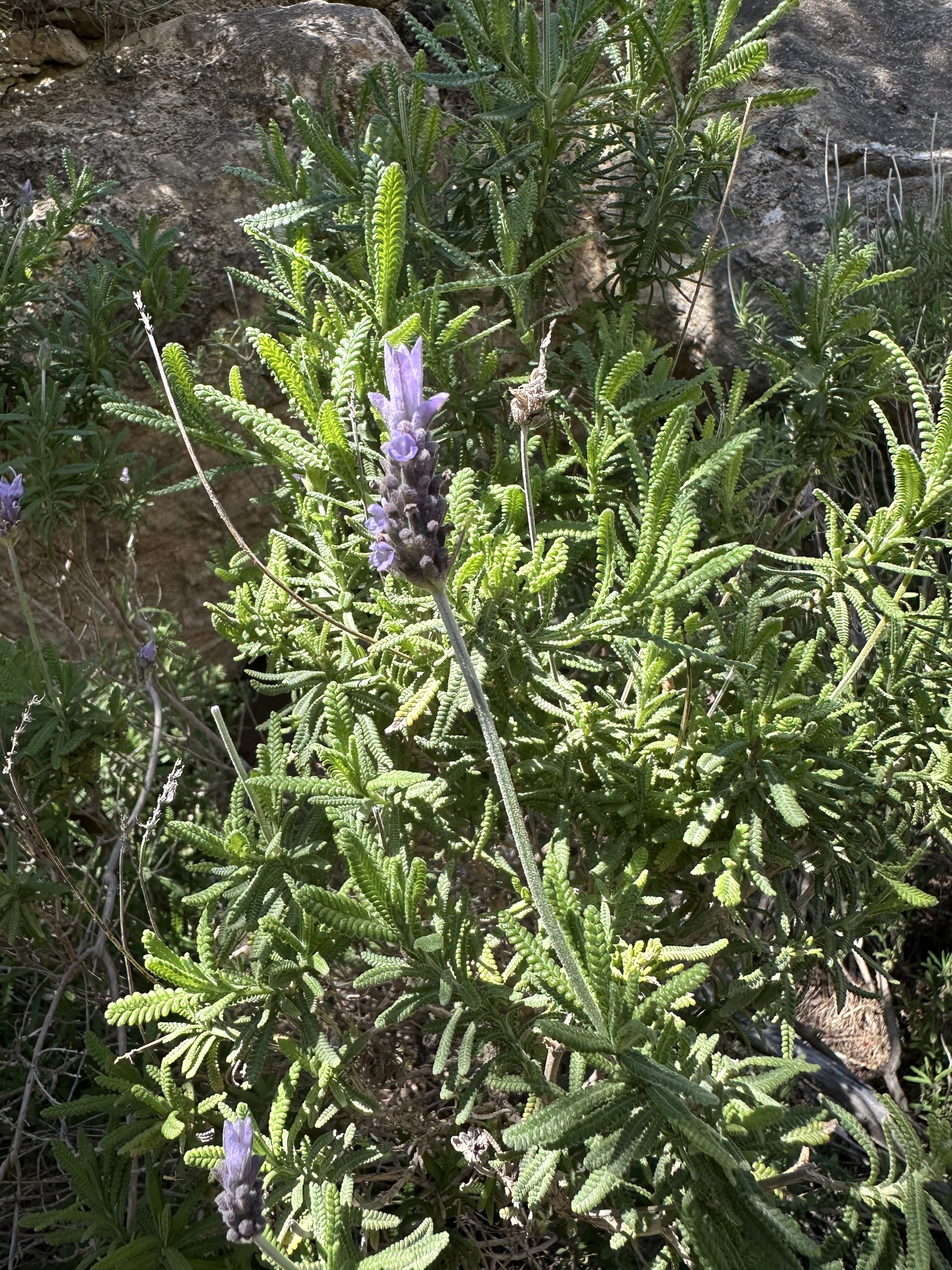
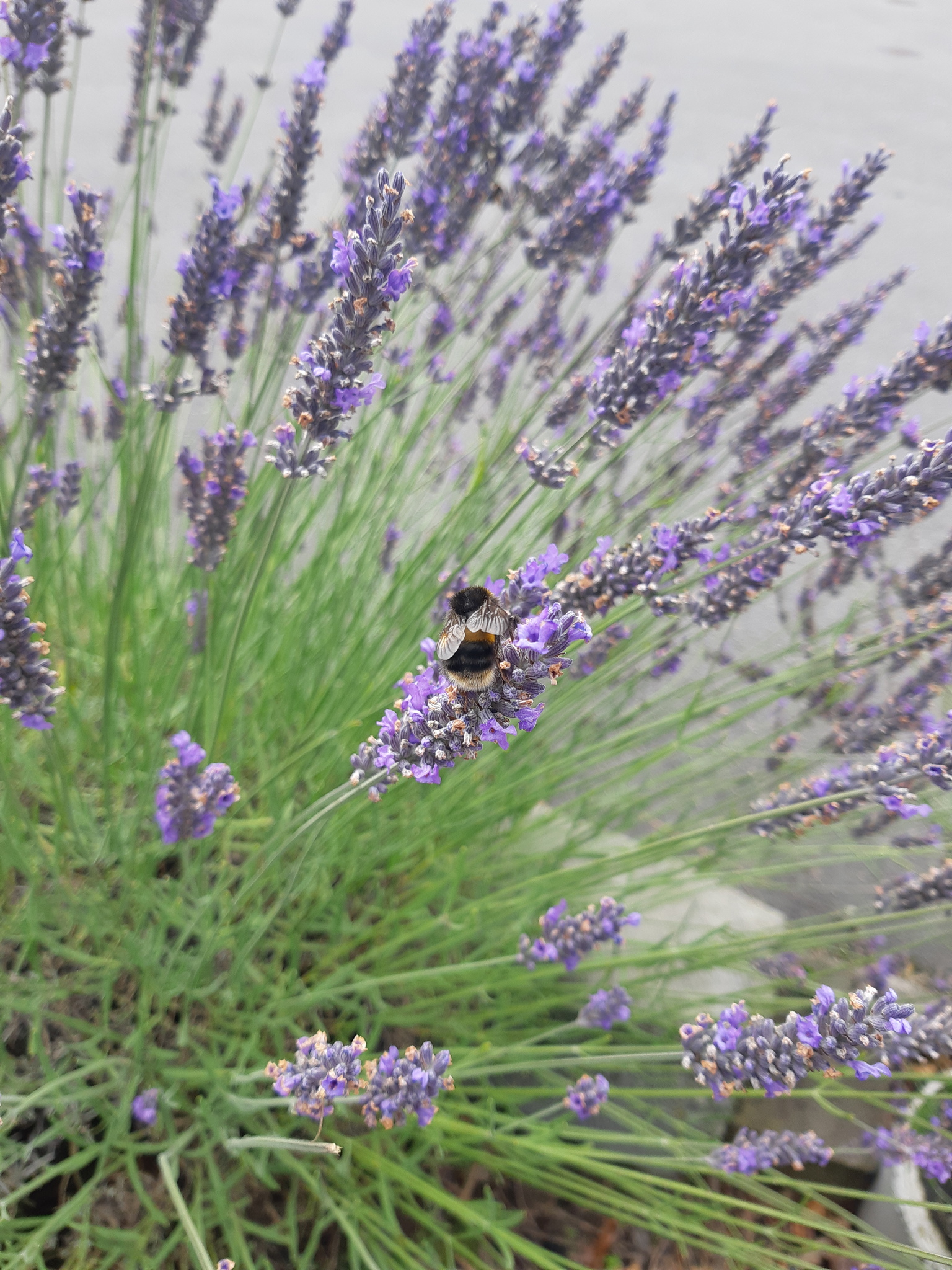
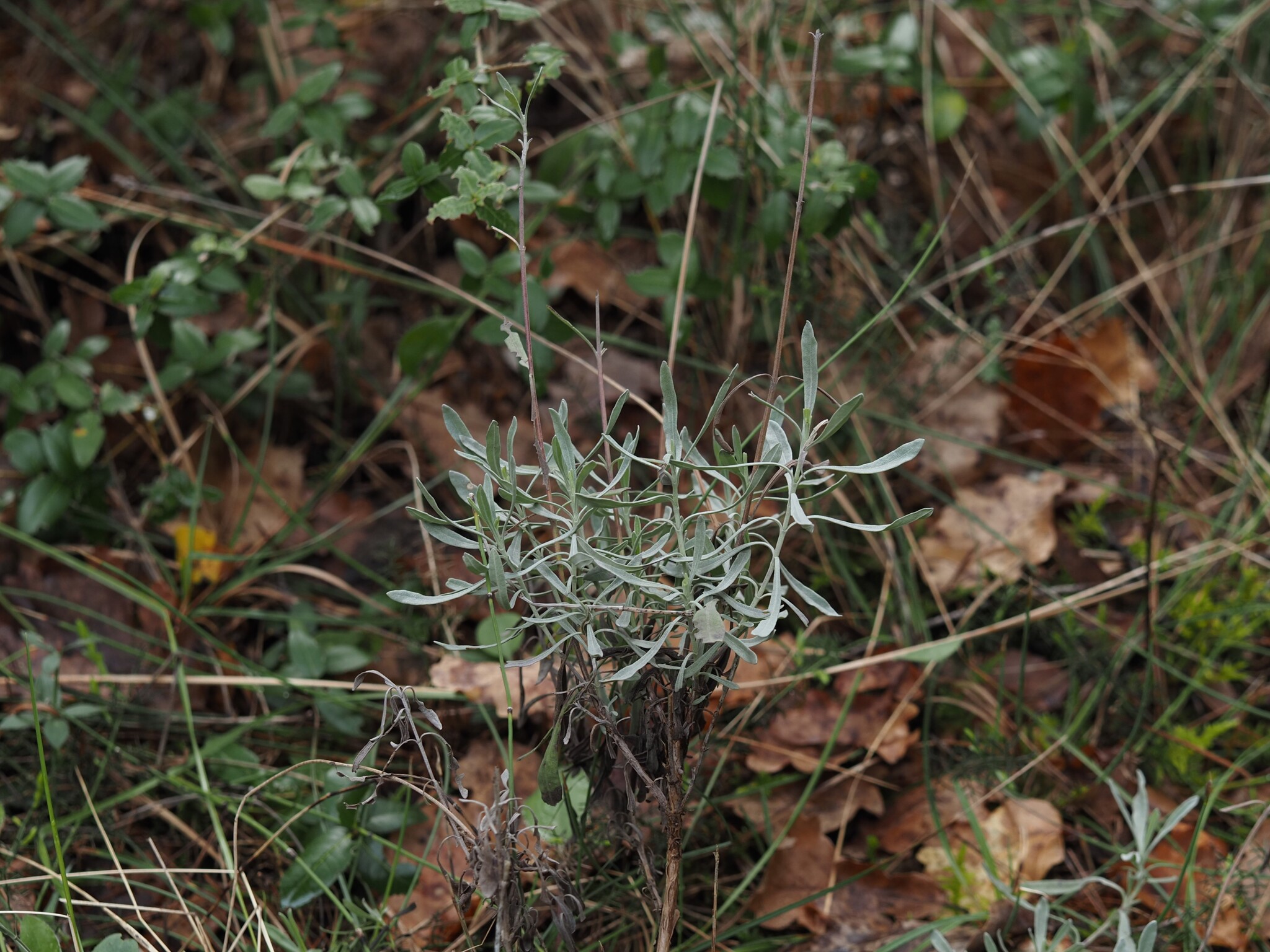
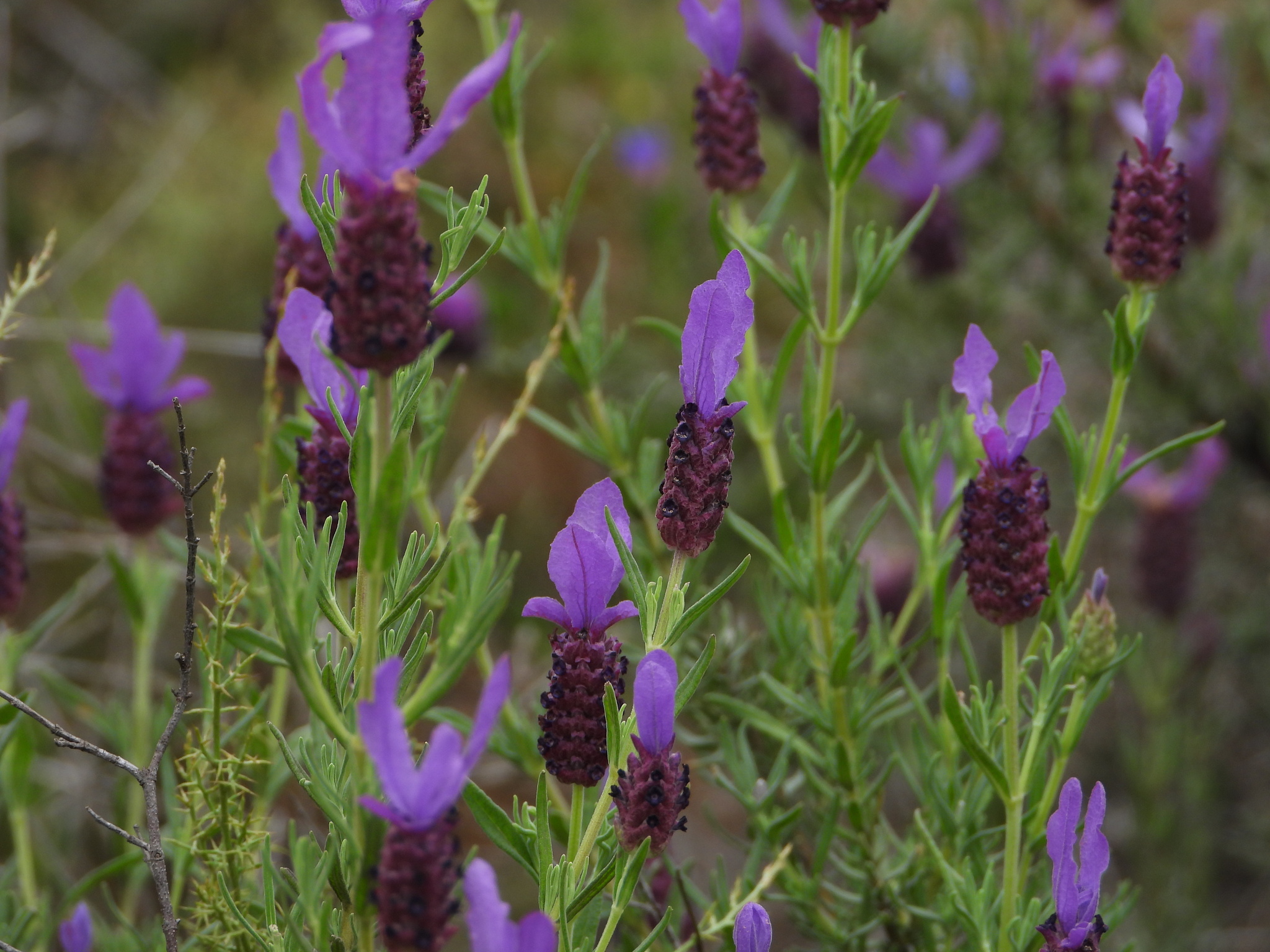
Photos of Lavandula Spp. (Lavandula spp.)
Common names and botanical synonyms
Botanical classification
| Rank | Name |
|---|---|
| Family | Lamiaceae |
| Genus | Lavandula |
| Species | Lavandula spp. |
Similar in genus Lavandula
Answers based on plant encyclopedia data