Ligustrum Delavayanum (Ligustrum delavayanum) – Benefits, Care & Growing Guide | ePlant AI
Ligustrum Delavayanum (Ligustrum delavayanum)
Ligustrum delavayanum is a dense evergreen shrub with glossy foliage and fragrant white flowers, commonly used for hedging.
Ligustrum delavayanum, commonly known as Delavay's privet, is a species of flowering plant in the olive family, Oleaceae. It is a woody evergreen shrub or small tree native to China. This species is recognized for its dense foliage and its ornamental value, often utilized in landscaping for hedges and screens due to its vigorous growth and adaptability.
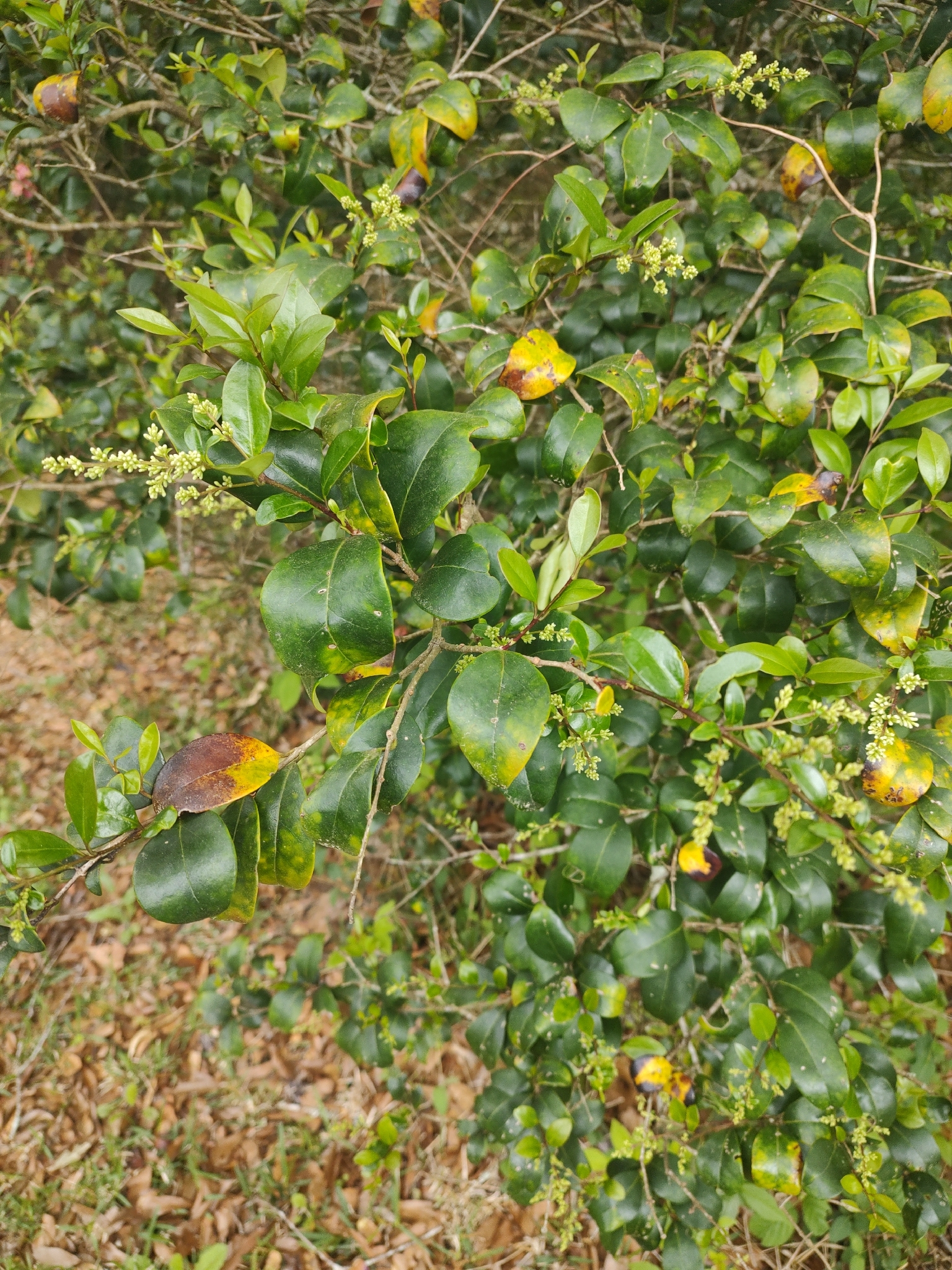
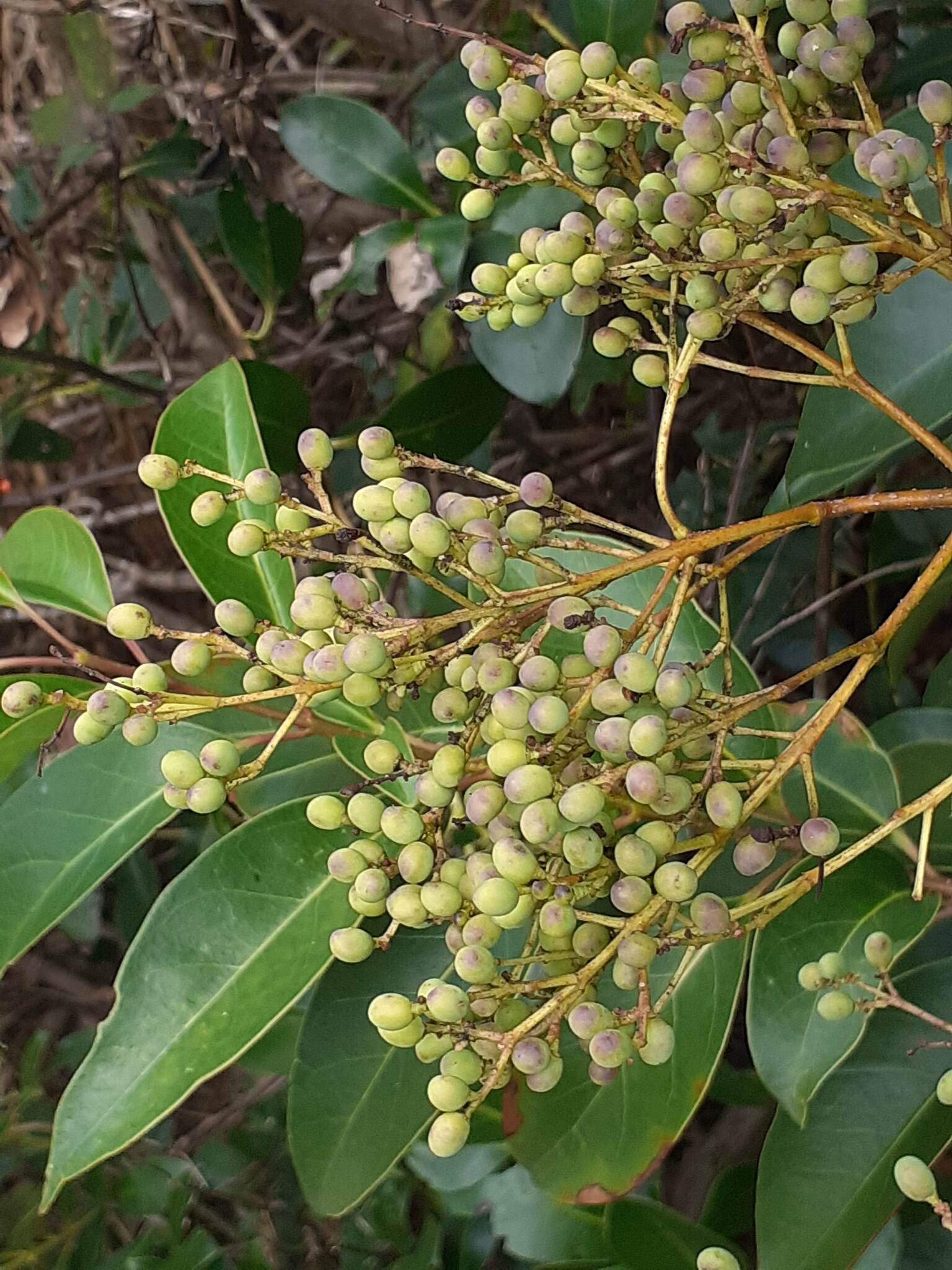
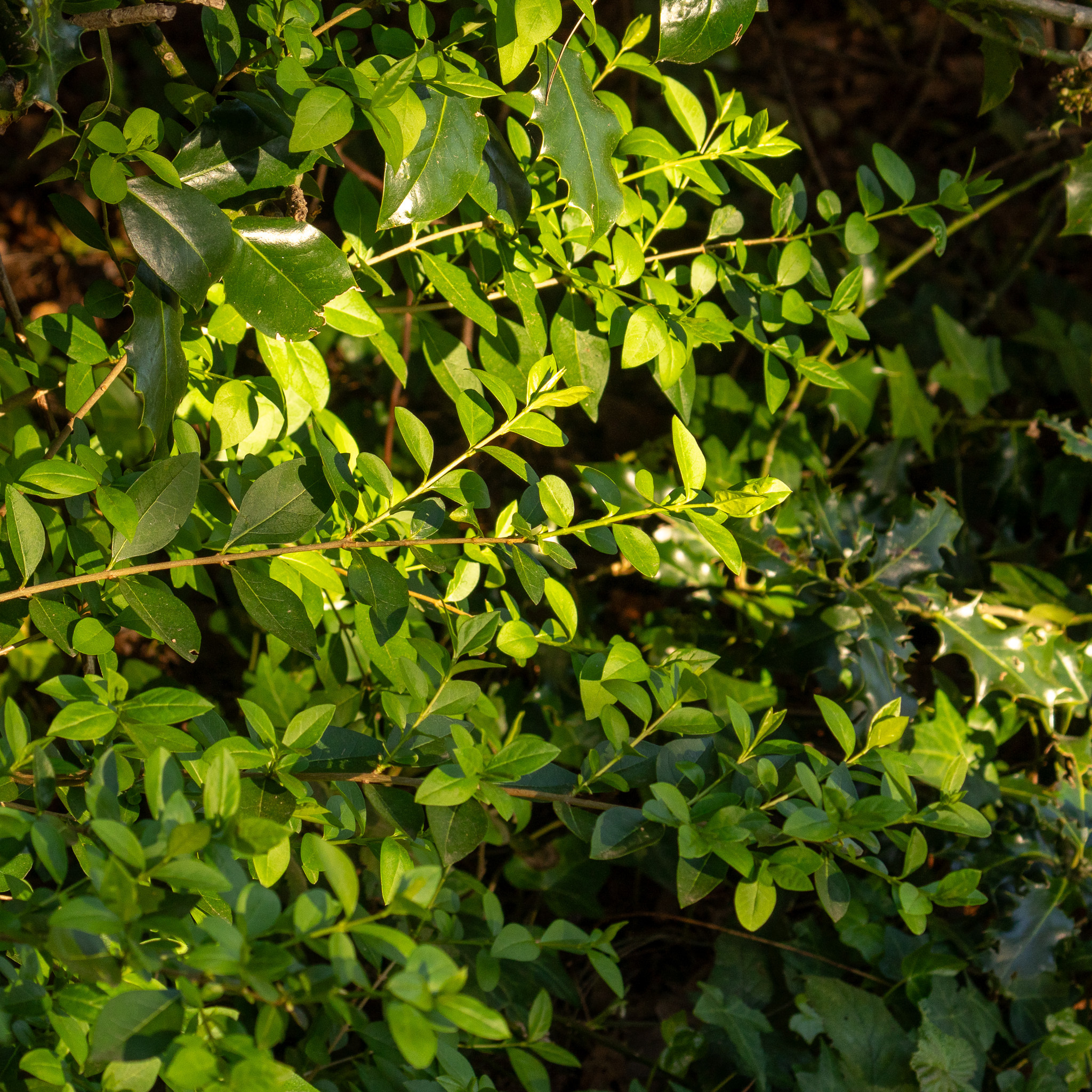
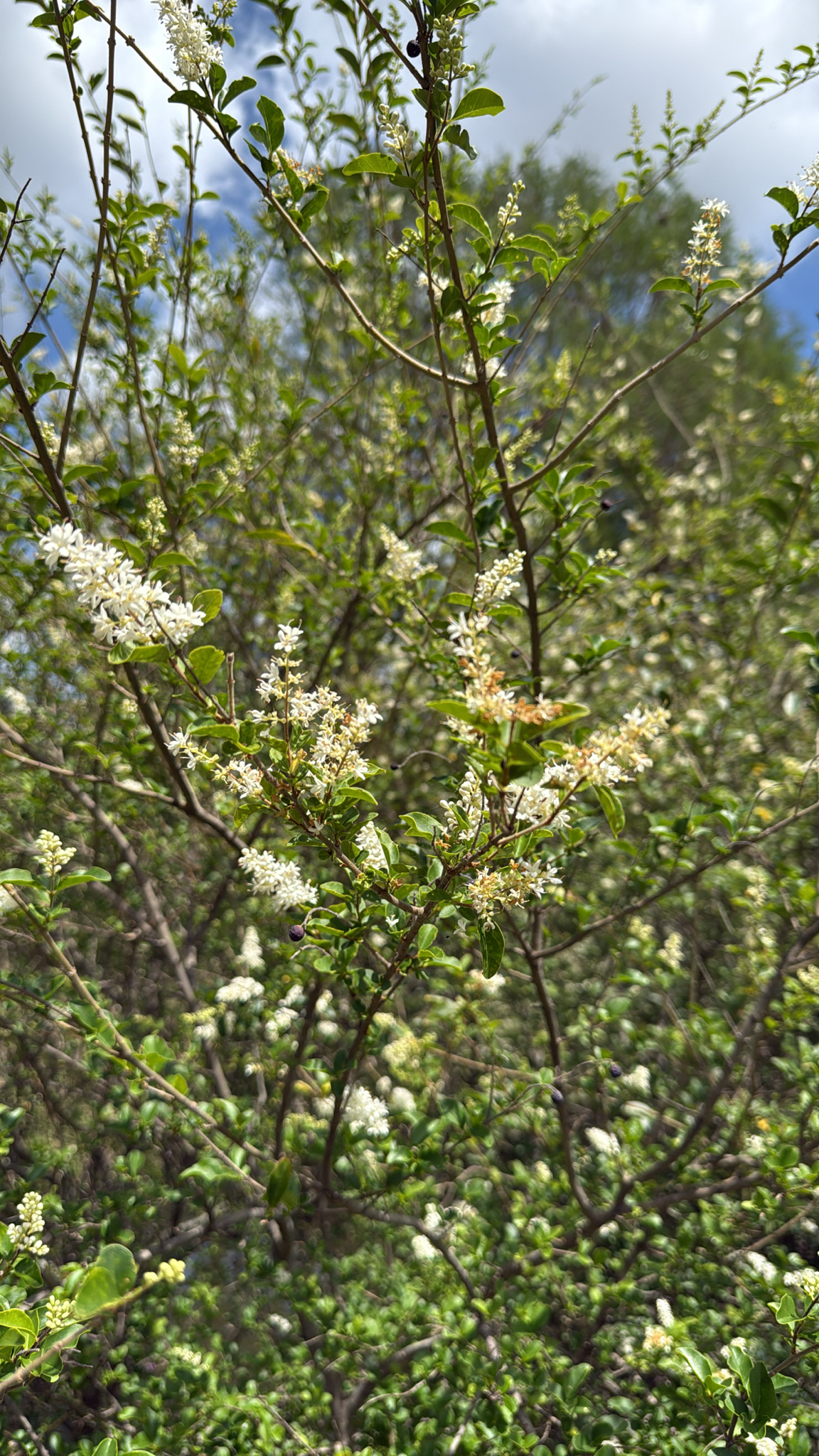
Physically, Ligustrum delavayanum typically forms a dense, bushy habit, reaching heights of up to 3 to 5 meters (10 to 16 feet) with a similar spread. Its leaves are opposite, ovate to elliptical in shape, measuring approximately 3 to 7 centimeters (1.2 to 2.8 inches) in length and 1.5 to 3 centimeters (0.6 to 1.2 inches) in width. The leaf surface is glossy and dark green, providing a consistent, attractive appearance throughout the year. In early summer, the plant produces terminal panicles of small, fragrant, white flowers. These flowers are typically borne in dense clusters and are a significant attractant to pollinators. Following flowering, Ligustrum delavayanum develops small, globose to ovoid drupes, which are dark purple to black when mature. These fruits persist on the plant into winter, offering visual interest and a food source for birds. The bark is generally smooth and grayish-brown.
The native distribution of Ligustrum delavayanum is primarily within the mountainous regions of China, where it thrives in diverse habitats, often found in forests, woodlands, and along stream banks at elevations ranging from moderate to high. In cultivation, it is known for its adaptability to a wide range of soil types, provided they are well-drained. It prefers full sun to partial shade, tolerating a variety of climatic conditions. Regular watering is beneficial, especially during establishment and dry periods, though established plants exhibit some drought tolerance. Pruning is often employed to maintain its desired shape and density, particularly when used for hedging.
Ligustrum delavayanum holds notable ornamental importance, widely appreciated for its suitability as a hedging plant. Its dense growth habit, evergreen foliage, and tolerance to pruning make it an excellent choice for creating formal or informal barriers and boundaries in gardens and public spaces. The fragrant flowers also contribute to its appeal, adding a sensory dimension to its landscape use. While not typically cultivated for culinary or medicinal purposes, its ecological role as a provider of habitat and food for wildlife, particularly birds that consume its fruits, is a recognized aspect of its presence in the environment.
An interesting characteristic of Ligustrum delavayanum, common to many privet species, is its resilience and ability to thrive in urban environments, tolerating pollution and compacted soils. This hardiness, combined with its attractive appearance, contributes to its enduring popularity in horticultural applications. The plant's ability to readily regenerate from pruning also makes it a forgiving choice for gardeners.
Moderate watering, allow soil to dry slightly between waterings.
Soil
Well-drained soil; adaptable to various soil types.
Temperature
Thrives in temperatures between 15-25°C.
Habitat
Outdoor, Indoor
Fertilizer
Feed with balanced fertilizer during growing season.
Care Requirements
Light
Prefers full sun but tolerates partial shade.
Best flowering in sun.
Water
Moderate watering, allow soil to dry slightly between waterings.
Reduce in winter.
Soil
Well-drained soil; adaptable to various soil types.
Temperature
Thrives in temperatures between 15-25°C.
Tolerates cooler temperatures.
Habitat
Outdoor, Indoor
Fertilizer
Feed with balanced fertilizer during growing season.
Avoid over-fertilizing.
Plant Overview
Plant Type
Shrub
Plant Category
Foliage, Flowering, Ornamental
Plant Place Type
Ground, Garden, Pot
Plant Environment
Outdoor, Indoor
Lifespan
Perennials
Plant Height
2-4 m
Spread
2-4 m
Growth Rate
Moderate
Dormancy
None
Leaf Color
Green
Leaf Type
Evergreen
Flower Size
0.5 cm
Image Gallery
Flowering & Fruiting Cycles
Monthly activity intensity for bloom and fruit across both hemispheres.
Northern hemisphere
Flowering & fruiting calendar
Peak bloom · JunPeak fruit · Nov
FloweringFruiting
Southern hemisphere
Flowering & fruiting calendar
Peak bloom · MayPeak fruit · Jan
FloweringFruiting
Synonyms
Ligustrum ionandrum Diels
Ligustrum prattii Koehne
Taxonomy
kingdomPlantae
divisionTracheophyta
classMagnoliopsida
orderLamiales
familyOleaceae
genusLigustrum
speciesLigustrum delavayanum
Toxicity
Toxic for humans
No
Rating: 0/5
Toxic for pets
Yes
Rating: 3/5
Edible
No
Additional Care Tips
Water consistently, especially during dry periods, to maintain moderate soil moisture. Avoid waterlogged conditions, which can lead to root rot. Reduce watering frequency in cooler months.
Prune in late spring or early summer after flowering to shape and encourage dense growth. Can be pruned hard to maintain size and shape for hedges.
Easily propagated from semi-hardwood cuttings taken in summer or from seed sown in autumn. Layering is also an effective method.
Repot young plants annually in spring. Mature plants can be repotted every 2-3 years or when root-bound, using a slightly larger pot with fresh potting mix.
FAQs
Is Ligustrum delavayanum poisonous to pets?
Yes, Ligustrum delavayanum is considered mildly toxic to pets. Ingestion of berries or leaves can cause gastrointestinal upset, such as vomiting and diarrhea.
How often should I water Privet?
Water Privet regularly, especially during dry spells, ensuring the soil remains consistently moist but not waterlogged. Reduce watering in winter.
What is the best soil for Ligustrum delavayanum?
This plant prefers well-drained soil and is adaptable to a variety of soil types, including clay, loam, and sandy soils.
When is the best time to prune Privet?
The best time to prune is in late spring or early summer after it has finished flowering. This helps maintain its shape and encourages dense growth.
Can Ligustrum delavayanum be grown indoors?
Yes, Ligustrum delavayanum can be grown indoors as a houseplant, provided it receives adequate light and is kept in a well-drained pot.