Riego
Riegue profundamente cuando la pulgada superior del suelo esté seca. Reduzca el riego en invierno. Una vez establecido, es bastante tolerante a la sequía.
También conocido como Abraham's Balm · Abraham's-Bush · Agnus Castus
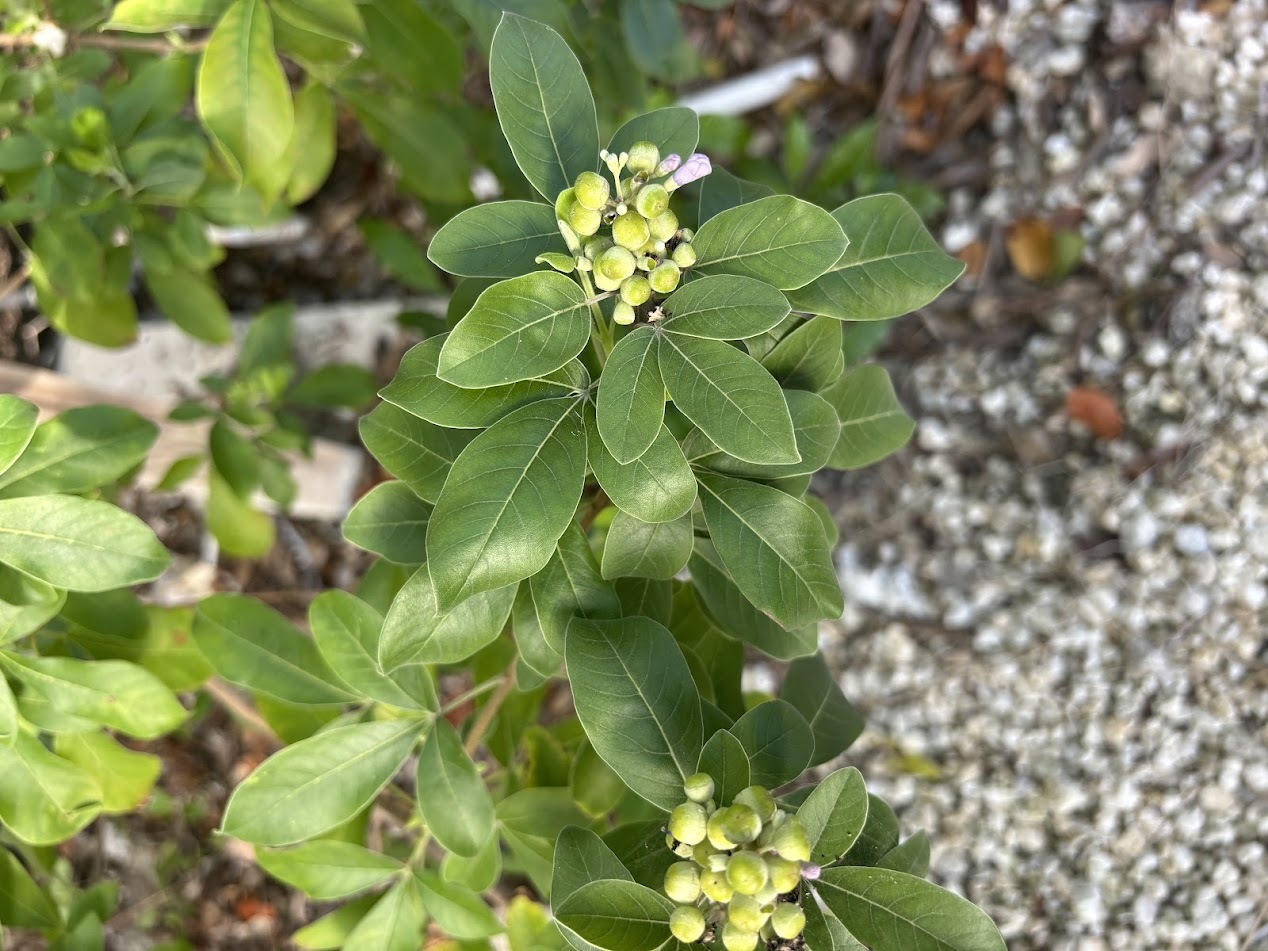
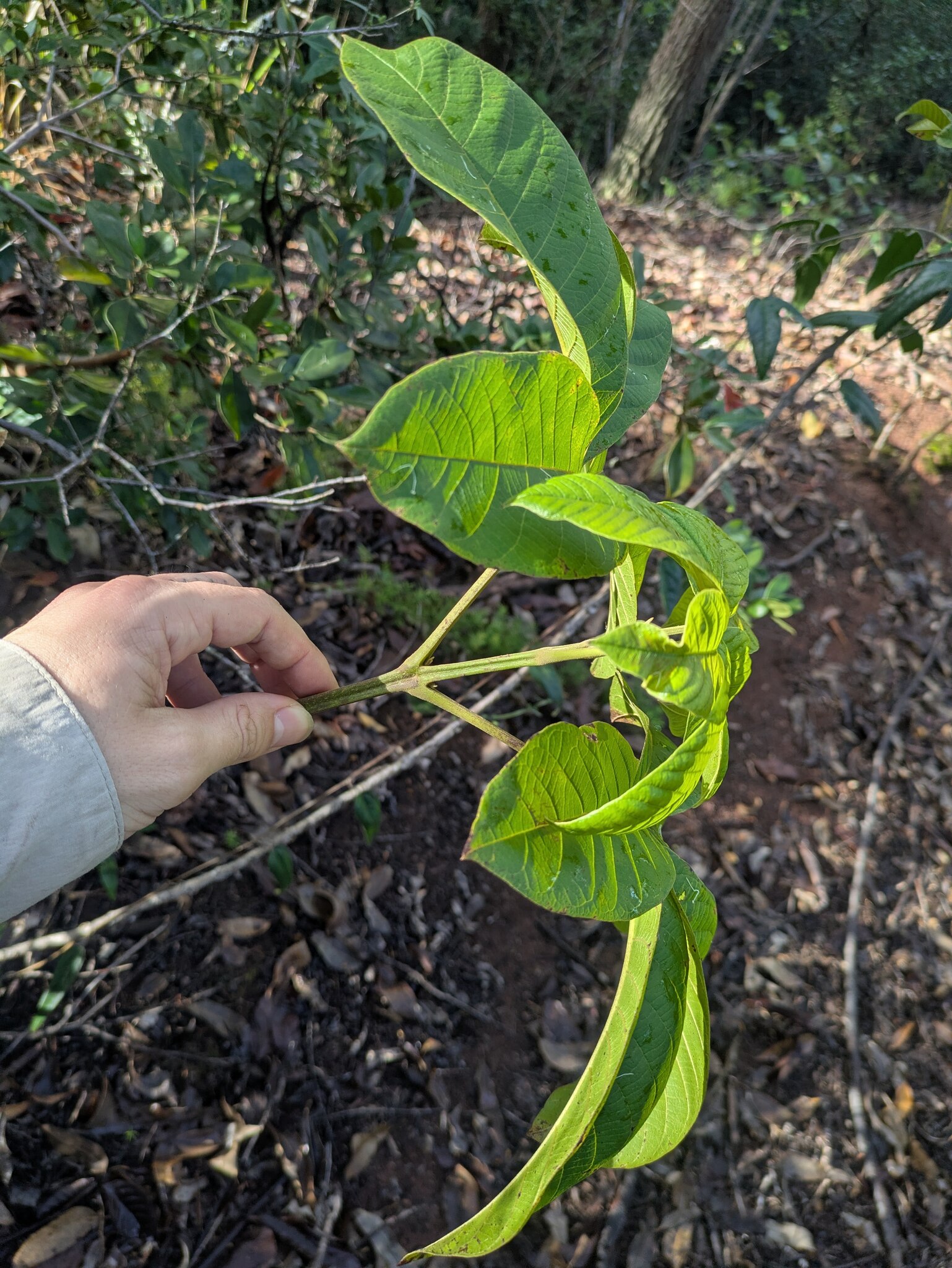
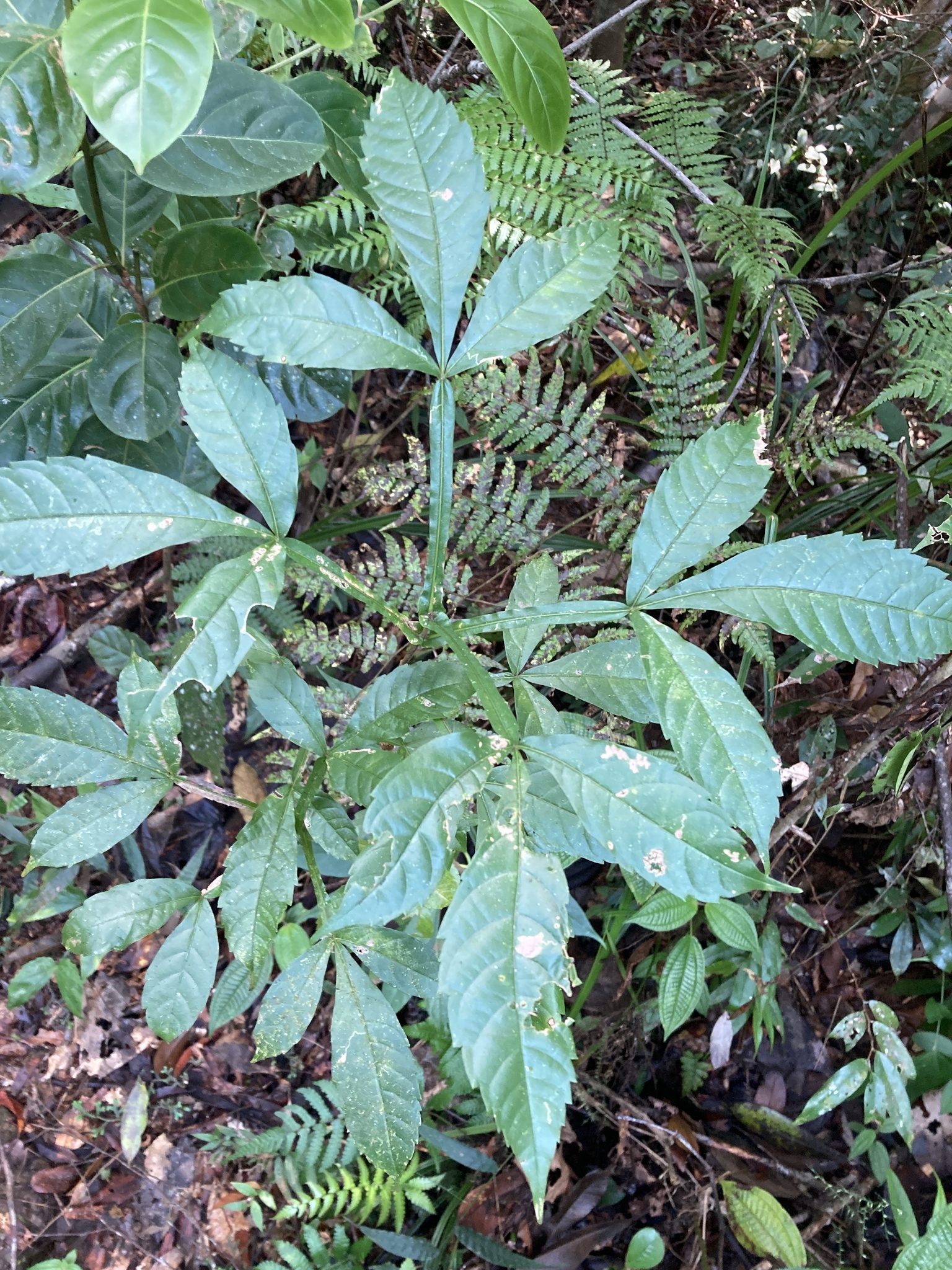
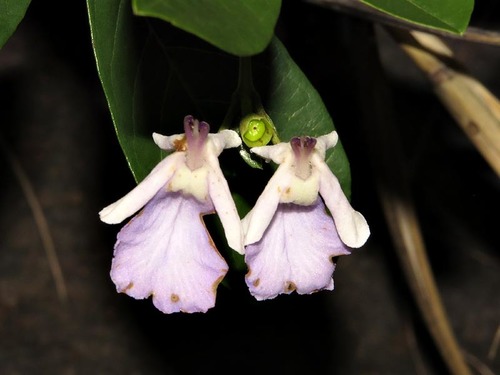
Abeul (Vitex agnus-castus) es un arbusto aromático conocido por sus espigas de flores azules o púrpuras y su follaje palmado.
A simple vista: luz, riego, suelo y condiciones de cultivo según los datos de la planta
Pleno sol
90% intensidad
Mínimo 6 horas de sol directo al día para una floración óptima.
Moderado
60% intensidad
Dejar secar la capa superior del suelo entre riegos.
Prefiere suelos bien drenados, desde arenosos hasta arcillosos. Tolera suelos pobres y alcalinos.
50% intensidad
Templado
70% intensidad
Ideal entre 15-25 °C, tolera heladas ligeras.
Baja a moderada
30% intensidad
Tolera condiciones secas, común en la mayoría de los hogares.
Ligero
40% intensidad
Fertilizar a principios de primavera con un fertilizante equilibrado.
Información de seguridad a partir de los datos de toxicidad de la planta
| Atributo | Valor |
|---|---|
| Tóxica para humanos | No 0/5 intensidad |
| Tóxica para mascotas | No 0/5 intensidad |
| Comestible | No |
Vitex agnus-castus is generally considered non-toxic to humans and pets. Its berries are used in herbal medicine but are not consumed as a food source.
Rasgos clave y estadísticas de cultivo a partir de los datos de la planta
Detalles de riego, poda, propagación y trasplante a partir de los datos de la planta
Riegue profundamente cuando la pulgada superior del suelo esté seca. Reduzca el riego en invierno. Una vez establecido, es bastante tolerante a la sequía.
Pode a finales de invierno o principios de primavera para dar forma y eliminar madera muerta o dañada. La poda puede estimular una floración más abundante y un crecimiento más compacto.
Se propaga fácilmente por esquejes semileñosos tomados a mediados de verano. También se puede propagar por semillas, aunque la germinación puede ser lenta e irregular.
Las plantas en maceta deben trasplantarse cada 2-3 años en primavera a una maceta ligeramente más grande con tierra fresca. Esto ayuda a mantener la salud de la planta y previene el apelmazamiento de las raíces.
Identifica plantas como esta con ePlant AI
Saca una foto para obtener consejos de cuidado y encontrar especies similares sobre la marcha.
Intensidad mensual de la actividad para flor y fruto en ambos hemisferios.
Calendario de floración y fructificación
Calendario de floración y fructificación
Fotos de Abeul (Vitex agnus-castus)
Dónde se encuentra Abeul (Vitex agnus-castus)

Density
Toca el mapa para explorar
Nombres comunes y sinónimos botánicos
Clasificación botánica
| Rango | Nombre |
|---|---|
| Reino | Plantae |
| División | Tracheophyta |
| Clase | Magnoliopsida |
| Orden | Lamiales |
| Familia | Lamiaceae |
| Género | Vitex |
| Especie | Vitex agnus-castus |
Similares en el género Vitex
Respuestas basadas en datos de la enciclopedia de plantas