Water
Water sparingly only when the substrate is completely dry. Overwatering is the most common cause of Lithops hookeri death. Allow soil to dry out thoroughly between waterings, especially during dormancy.
Reduce watering significantly in winter.
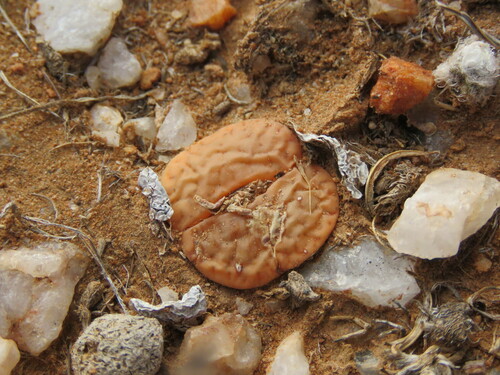
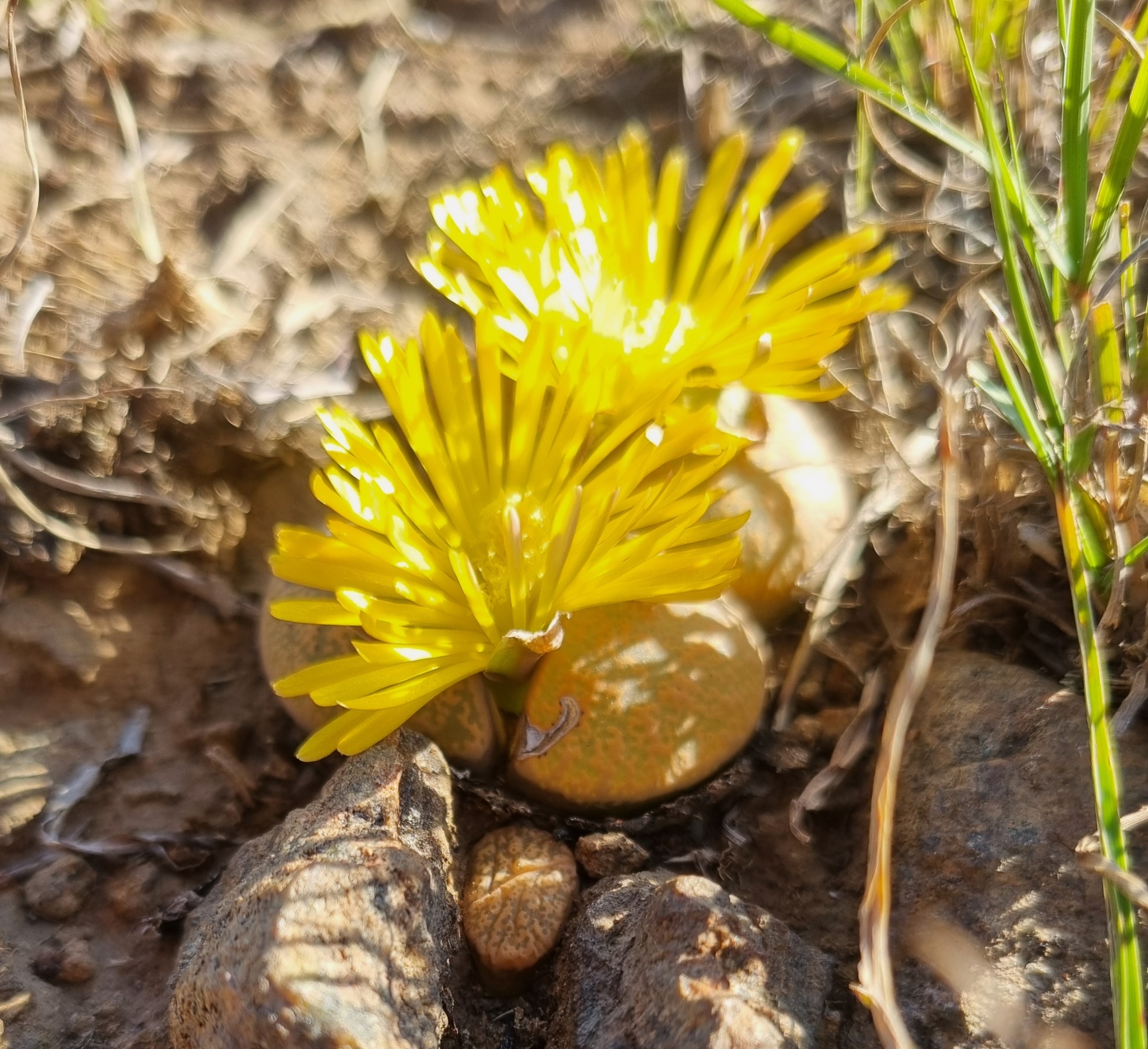
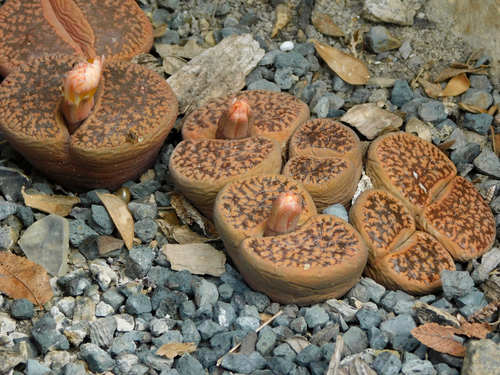
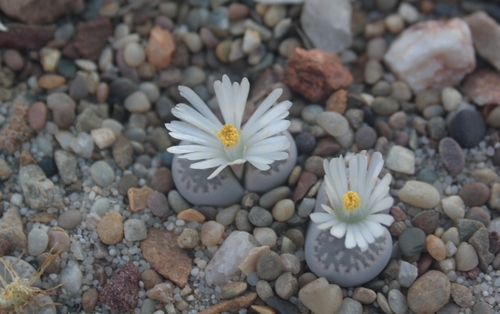
Lithops hookeri, also known as living stones, are small, stemless succulents native to Southern Africa. Their appearance mimics stones to avoid predation.
At-a-glance light, water, soil, and growing conditions from plant data
Provide bright, direct sunlight.
100% intensity
At least 6 hours of direct sun per day is ideal. Can tolerate partial shade, but flowering may be reduced.
Allow soil to dry out completely between waterings.
25% intensity
Water very sparingly, especially during dormancy periods.
Well-draining succulent or cactus mix
50% intensity
Warm during the growing season, cool during dormancy.
50% intensity
Prefers temperatures between 20-30°C during growth. Can tolerate cooler temperatures (10-15°C) during winter dormancy.
Outdoor, Indoor
50% intensity
Minimal to none.
10% intensity
A very diluted succulent fertilizer can be applied once during the active growing season, but is often not needed.
Safety information from plant toxicity data
| Attribute | Value |
|---|---|
| Toxic for humans | No 0/5 intensity |
| Toxic for pets | No 0/5 intensity |
| Edible | No |
Non-toxic
Key traits and growing stats from plant data
Watering, pruning, propagation, and repotting details from plant data
Water sparingly only when the substrate is completely dry. Overwatering is the most common cause of Lithops hookeri death. Allow soil to dry out thoroughly between waterings, especially during dormancy.
Reduce watering significantly in winter.
Pruning is generally not required for Lithops hookeri. Remove any dead or decaying leaves to prevent fungal issues. The plant naturally sheds old leaves as it grows new ones. Avoid cutting healthy tissue.
Propagation is primarily done through seed. Sow seeds in a well-draining, gritty mix and keep moist and warm.
Division is also possible by carefully separating offset pups from the parent plant, ensuring each has roots before repotting.
Repot Lithops hookeri every 2-3 years, or when the pot becomes too small. Use a very gritty, fast-draining succulent or cactus mix.
Repot after the plant has finished flowering and before new growth begins, usually in late summer or early autumn.
Identify plants like this with ePlant AI
Snap a photo to get care tips and match similar species on the go.
Monthly activity intensity for bloom and fruit across both hemispheres.
Flowering & fruiting calendar
Flowering & fruiting calendar
Photos of Lithops Hookeri (Lithops hookeri)
Common names and botanical synonyms
Botanical classification
| Rank | Name |
|---|---|
| Kingdom | Plantae |
| Division | Tracheophyta |
| Class | Magnoliopsida |
| Order | Caryophyllales |
| Family | Aizoaceae |
| Genus | Lithops |
| Species | Lithops hookeri |
Similar in genus Lithops
Answers based on plant encyclopedia data