Water
Keep the soil consistently moist, especially during the growing season. Allow the top inch of soil to dry slightly between waterings. Avoid waterlogged conditions, which can lead to root rot.
Reduce watering frequency during dormancy.
Also known as Early Wood Buttercup · Early Woodbuttercup · Kidney-Leaf Buttercup
Safety note: This plant may be toxic to humans and pets. See toxicity details.
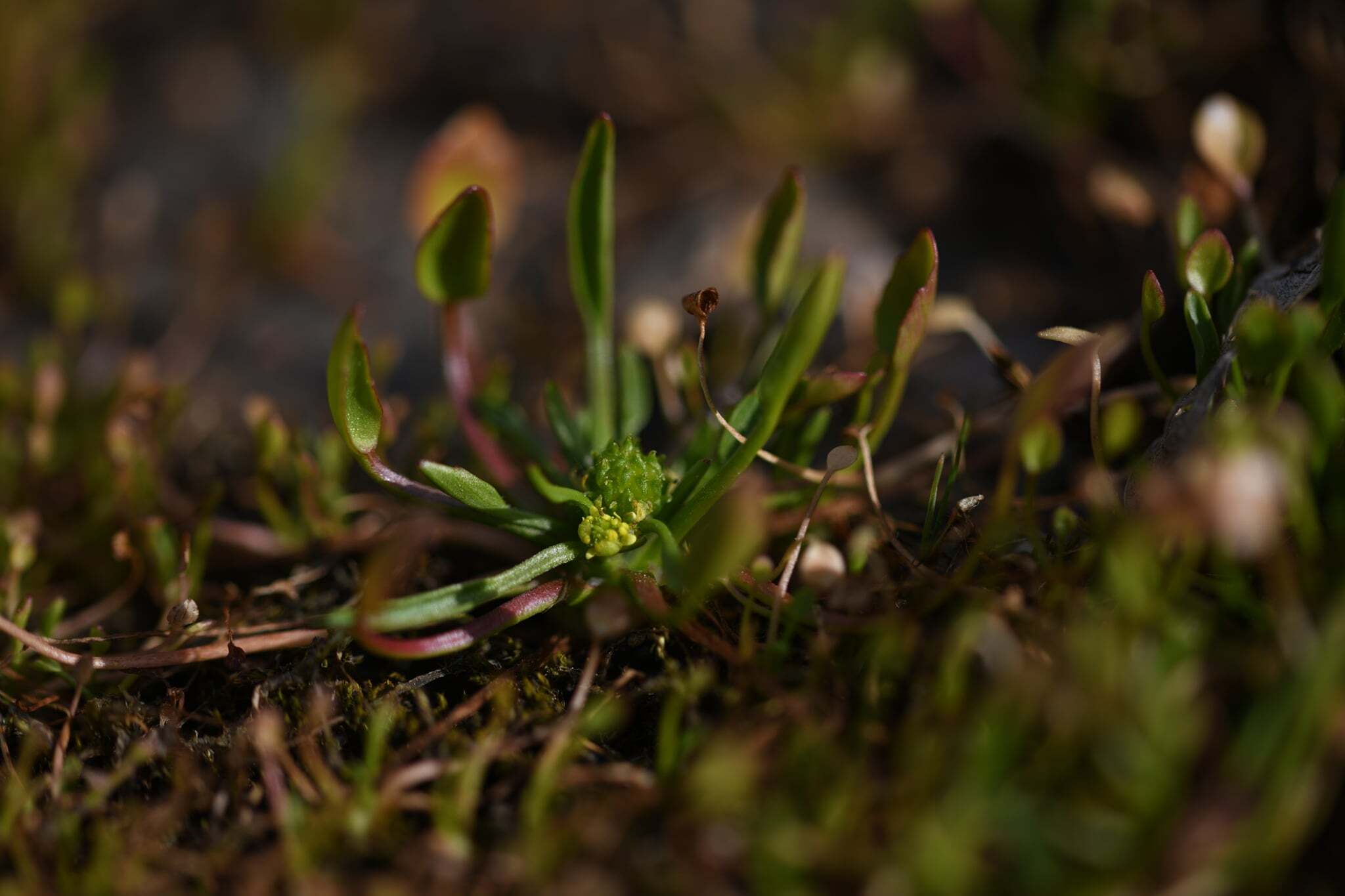
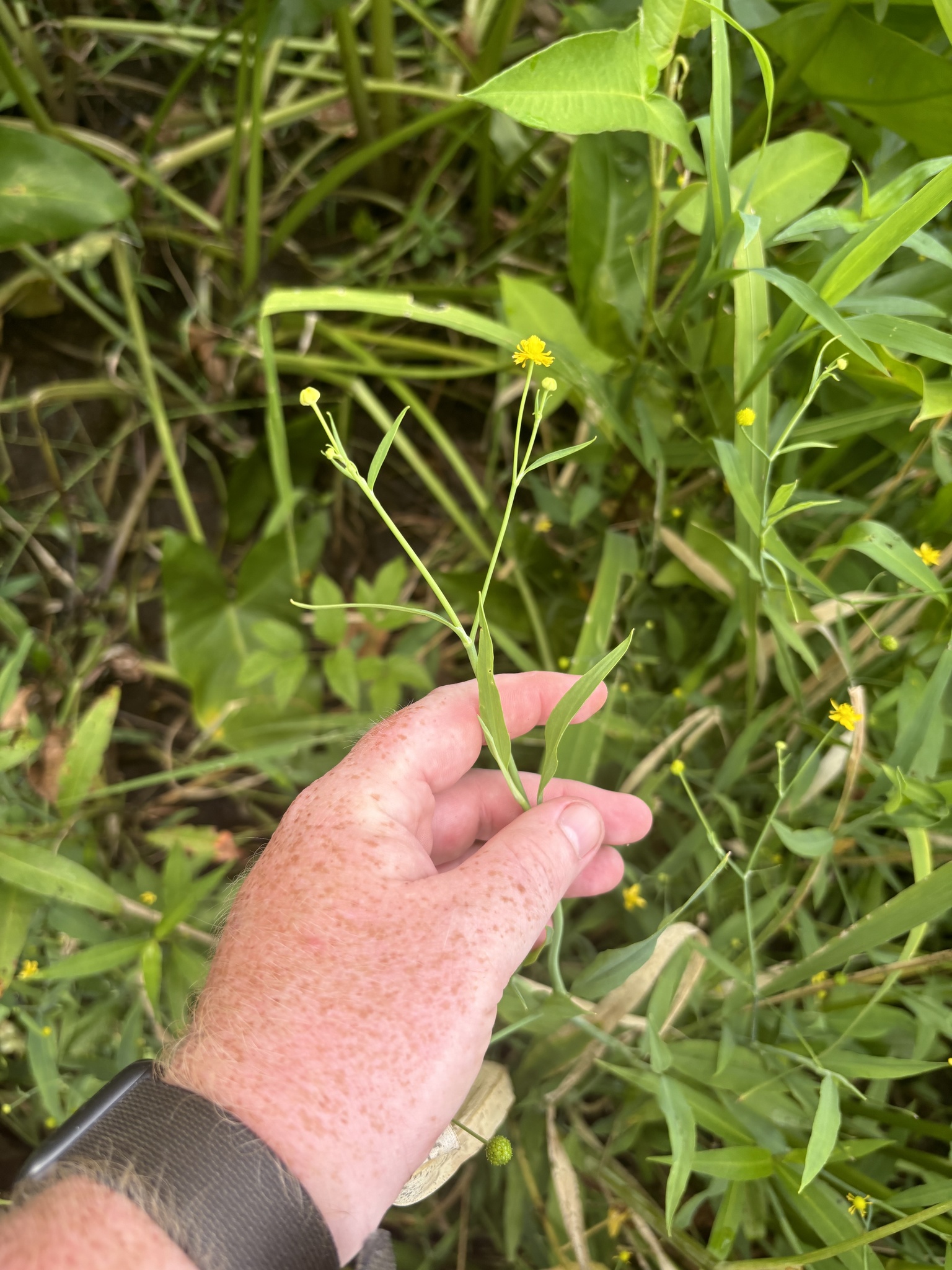
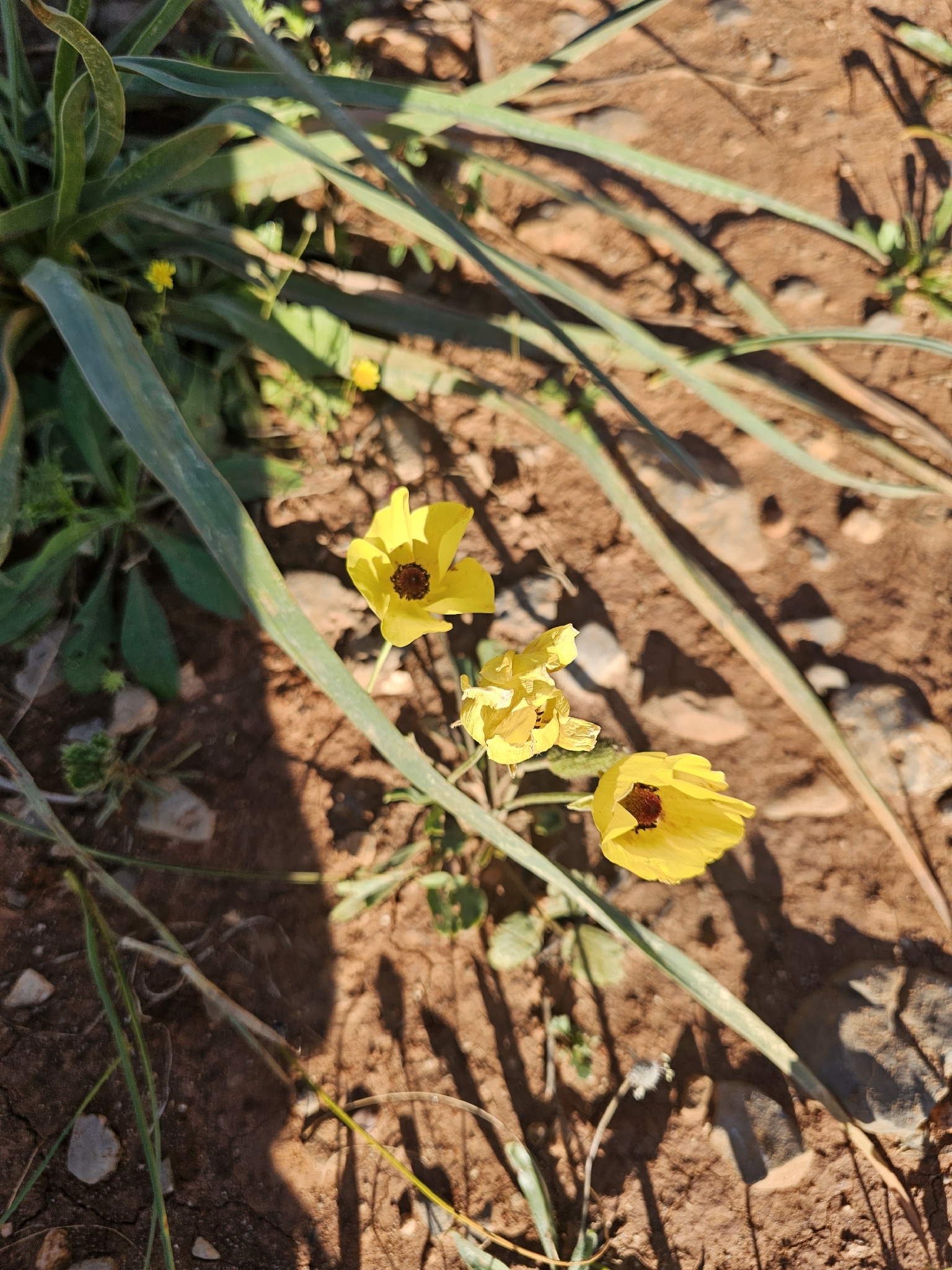
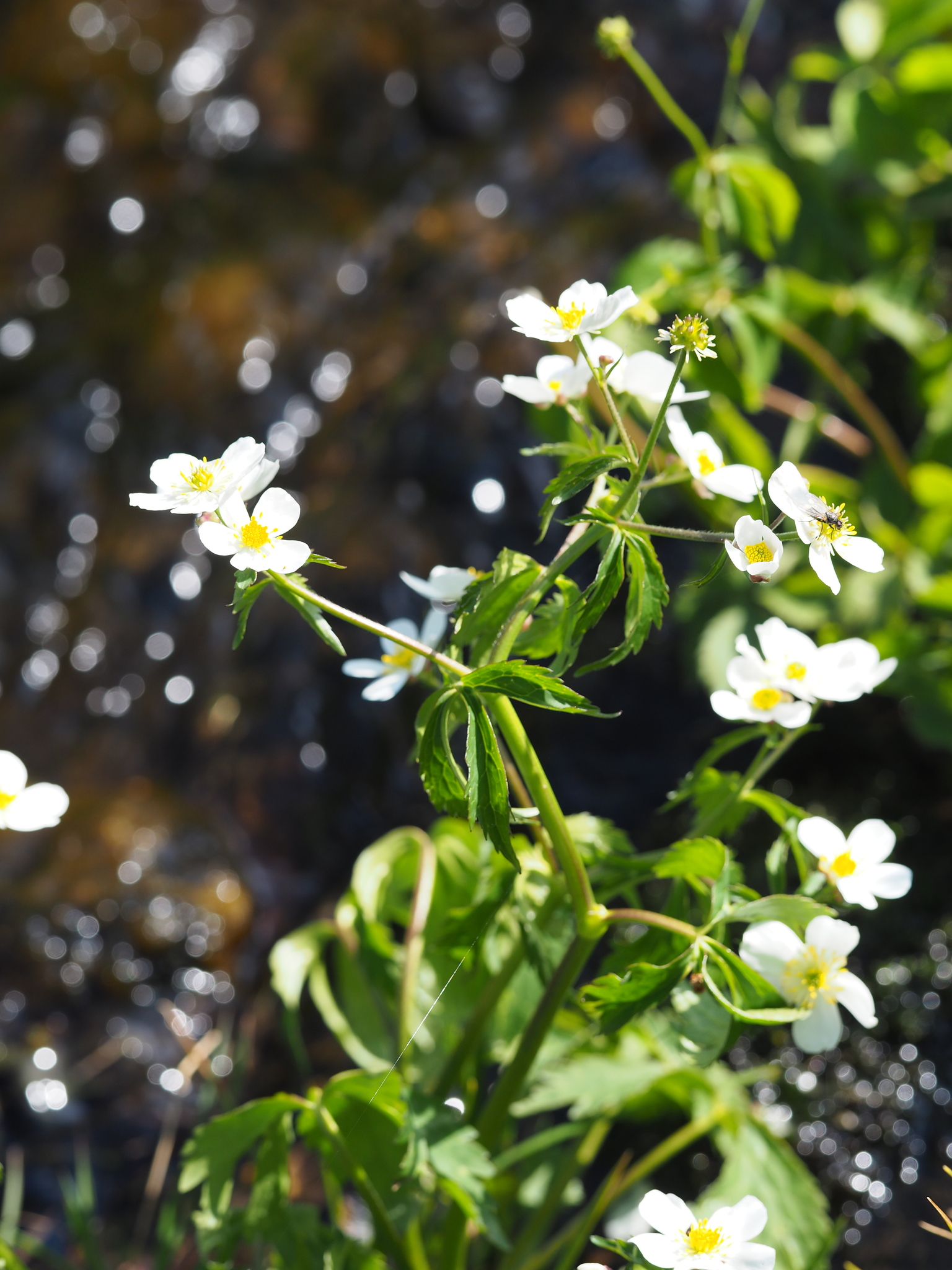
Littleleaf Buttercup (Ranunculus abortivus) is a small, herbaceous perennial with bright yellow flowers, common in moist meadows and woodlands across North America.
At-a-glance light, water, soil, and growing conditions from plant data
Partial shade to full sun
50% intensity
Prefers locations with morning sun and afternoon shade, especially in hotter climates.
Regular watering
50% intensity
Keep soil consistently moist but not waterlogged.
Prefers moist, well-drained soils. Tolerates a range of soil types including clay and loam.
50% intensity
Cool to moderate temperatures
50% intensity
Thrives in temperatures between 15-20°C. Can tolerate cooler conditions.
Light feeding
25% intensity
A balanced liquid fertilizer lightly applied in spring is usually sufficient.
Safety information from plant toxicity data
| Attribute | Value |
|---|---|
| Toxic for humans | Yes 2/5 intensity |
| Toxic for pets | Yes 2/5 intensity |
| Edible | No |
Contains protoanemonin, which can cause gastrointestinal irritation and skin blistering.
Key traits and growing stats from plant data
Watering, pruning, propagation, and repotting details from plant data
Keep the soil consistently moist, especially during the growing season. Allow the top inch of soil to dry slightly between waterings. Avoid waterlogged conditions, which can lead to root rot.
Reduce watering frequency during dormancy.
Deadhead spent flowers to encourage further blooming and maintain a tidy appearance. Remove any yellowing or diseased leaves as they appear.
Pruning is generally minimal for this species; focus on removing dead or damaged material.
Ranunculus abortivus can be propagated by division of established clumps in early spring or fall. Seeds can also be sown in the fall or early spring, but germination may be erratic and requires stratification.
This species rarely needs repotting unless grown in containers and outgrowing its space. If necessary, repot in early spring before new growth begins, using a well-draining potting mix. Handle the roots gently.
Identify plants like this with ePlant AI
Snap a photo to get care tips and match similar species on the go.
Monthly activity intensity for bloom and fruit across both hemispheres.
Flowering & fruiting calendar
Flowering & fruiting calendar
Photos of Littleleaf Buttercup (Ranunculus abortivus)
Where Littleleaf Buttercup (Ranunculus abortivus) is found

Density
Tap map to explore
Common names and botanical synonyms
Botanical classification
| Rank | Name |
|---|---|
| Kingdom | Plantae |
| Division | Tracheophyta |
| Class | Magnoliopsida |
| Order | Ranunculales |
| Family | Ranunculaceae |
| Genus | Ranunculus |
| Species | Ranunculus abortivus |
Similar in genus Ranunculus
Answers based on plant encyclopedia data