Hylotelephium Maximum (Hylotelephium maximum)

Hylotelephium maximum, a robust perennial succulent, features large, flat-topped clusters of pinkish-red flowers in summer and autumn.

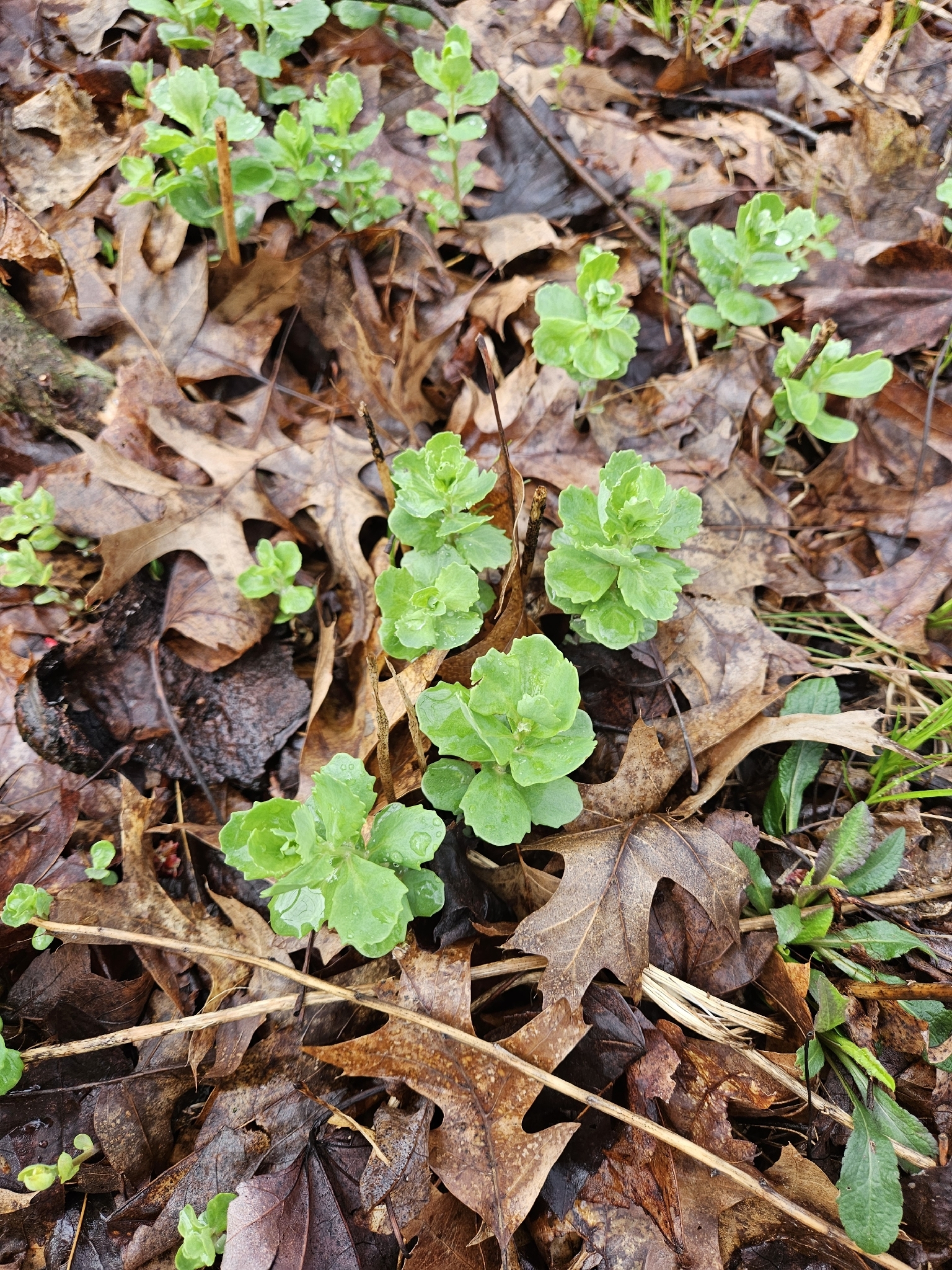
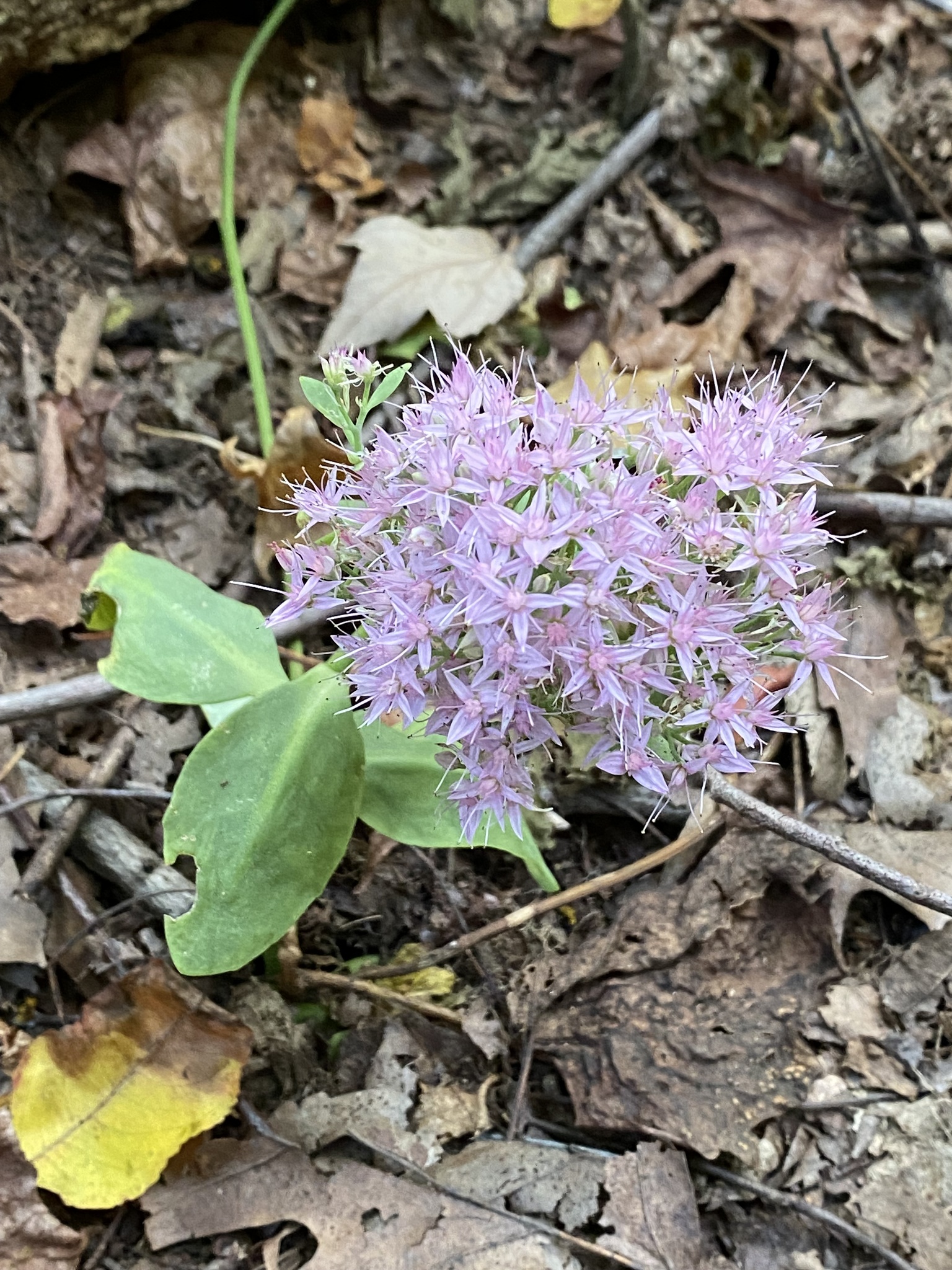
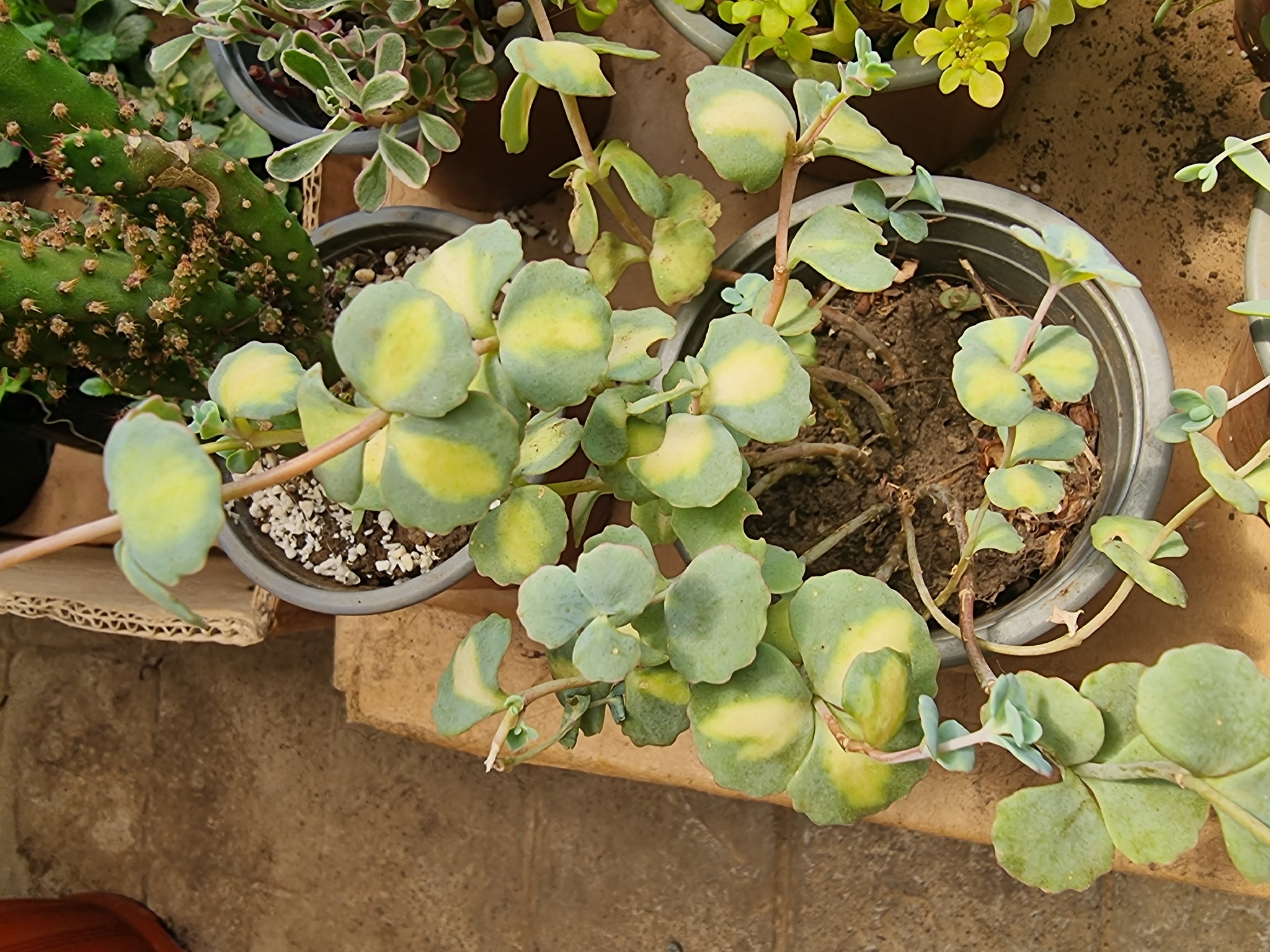
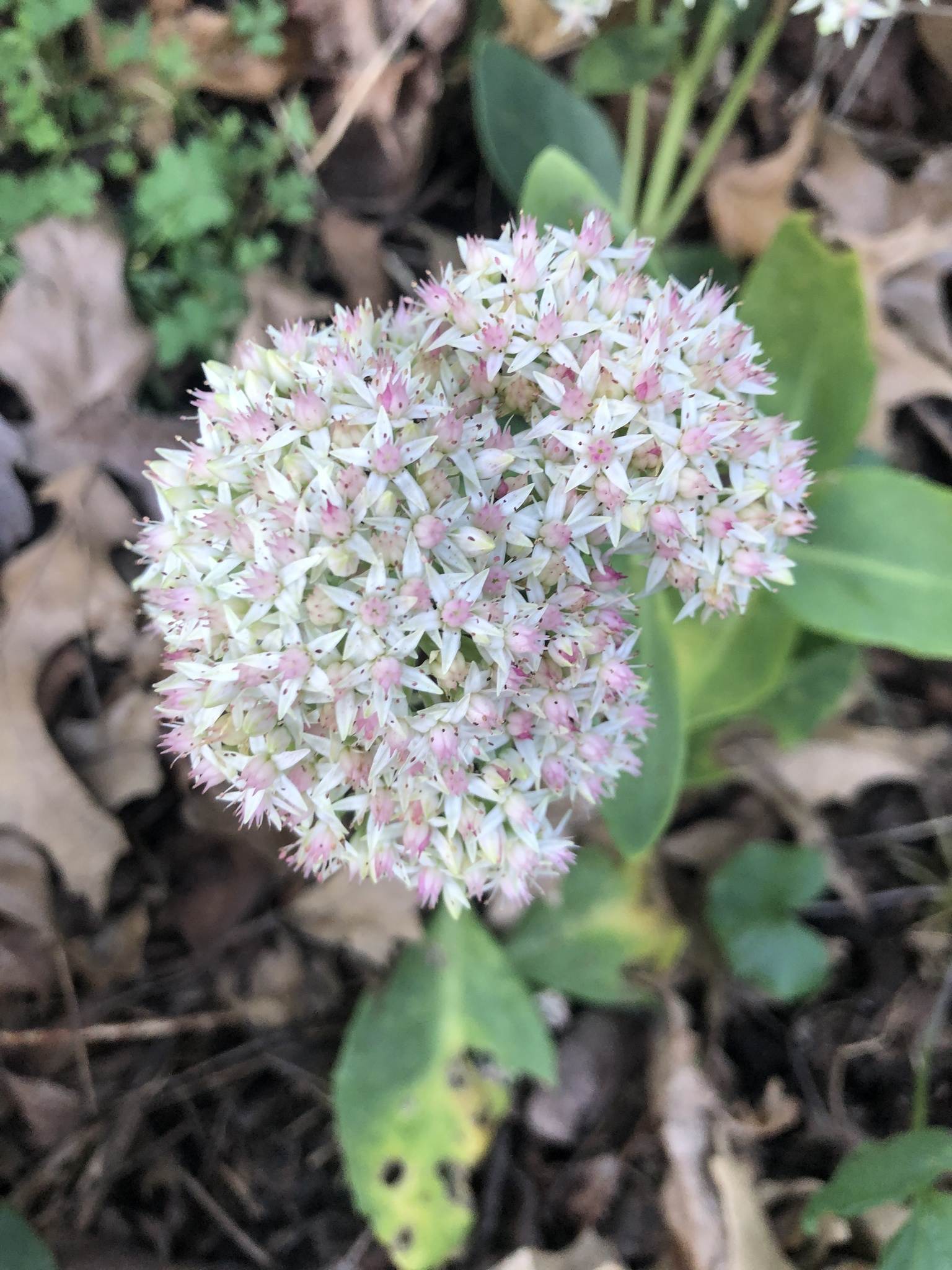
Hylotelephium maximum, a member of the Crassulaceae family, is a perennial herbaceous plant recognized for its robust growth and attractive floral displays. This species is a notable component of its native ecosystems and has garnered interest in horticultural settings for its ornamental qualities. Physically, Hylotelephium maximum typically presents as an upright, clump-forming perennial. It can reach a mature height of approximately 30 to 60 centimeters, with a similar spread. The stems are fleshy and succulent, often tinged with red, and they arise from a thickened rootstock. The leaves are arranged alternately along the stems. They are generally ovate to elliptical in shape, with a somewhat serrated or crenate margin, and possess a glaucous or bluish-green hue. The texture of the leaves is typically smooth and somewhat fleshy, characteristic of many Sedum relatives. The plant's most striking feature is its inflorescence, which typically appears in late summer and autumn. It bears large, flattened cymes composed of numerous small, star-shaped flowers. The flower color can vary, but is often a pale pink to rosy-red, maturing to a deeper reddish-brown as they age and dry. These dried flower heads can persist through winter, providing visual interest. The fruit is a small follicle, containing numerous tiny seeds. The native distribution of Hylotelephium maximum is primarily across Europe, extending into parts of Asia. It thrives in a range of natural habitats, often found in rocky areas, open woodlands, meadows, and along roadsides. It prefers well-drained soils and typically grows in full sun to partial shade. In cultivation, Hylotelephium maximum is adaptable to various soil types, provided they offer good drainage. It is drought-tolerant once established and generally requires minimal care. Full sun is ideal for promoting abundant flowering and maintaining a compact growth habit, though it can tolerate some light shade. Propagation is commonly achieved through division of the rootstock in spring or through stem cuttings. Hylotelephium maximum holds significance primarily as an ornamental plant in gardens. Its late-blooming habit makes it valuable for extending the season of color in perennial borders. The dried flower heads are also frequently used in floral arrangements and crafts. Ecologically, like other members of its family, it can provide a nectar source for pollinators during the late season. While not widely recognized for medicinal or culinary uses, its succulent nature and ability to store water are adaptations to its native environments, allowing it to survive periods of drought. The plant's resilience and relatively low maintenance requirements contribute to its popularity among gardeners seeking hardy and attractive perennials.

Above information is sourced from Wikipedia

Sunlight

Prefers full sun to partial shade.

Watering

Water when top inch of soil is dry.

Soil

Well-draining soil is essential. Sandy, loamy, or gritty soils are suitable. Tolerates poor soils.

Temperature

Ideal growing range is 15-25°C.

Habitat

Outdoor

Fertilizer

Fertilize sparingly in spring.

Care Requirements

Light

Prefers full sun to partial shade.

At least 6 hours of direct sun.

Water

Water when top inch of soil is dry.

Reduce in winter.

Soil

Well-draining soil is essential. Sandy, loamy, or gritty soils are suitable. Tolerates poor soils.

Temperature

Ideal growing range is 15-25°C.

Tolerates cooler temperatures.

Habitat

Outdoor

Fertilizer

Fertilize sparingly in spring.

Balanced liquid fertilizer.

Plant Overview

Plant Type

Herb, Succulent

Plant Category

Flowering, Ornamental

Plant Place Type

Ground, Garden, Pot

Plant Environment

Outdoor

Lifespan

Perennials

Plant Height

0.5-1 m

Spread

0.5-1 m

Growth Rate

Moderate

Dormancy

Deciduous

Leaf Color

Green

Leaf Type

Succulent

Flower Size

1-1.5 cm

Image Gallery

Flowering & Fruiting Cycles

Monthly activity intensity for bloom and fruit across both hemispheres.

Northern hemisphere

Flowering & fruiting calendar

Peak bloom · AugPeak fruit · Oct
FloweringFruiting
02468JanFebMarAprMayJunJulAugSepOctNovDecActivity intensityMonths87
Southern hemisphere

Flowering & fruiting calendar

Peak bloom · AprPeak fruit · Feb
FloweringFruiting
02468JanFebMarAprMayJunJulAugSepOctNovDecActivity intensityMonths87
Synonyms
Anacampseros maxima (L.) Haw.
Sedum maximum (L.) Hoffm.
Telephium maximum (L.) Eichw.
Taxonomy
  • kingdomPlantae
  • divisionTracheophyta
  • classMagnoliopsida
  • orderSaxifragales
  • familyCrassulaceae
  • genusHylotelephium
  • speciesHylotelephium maximum
Toxicity

Toxic for humans

No

Rating: 0/5

Toxic for pets

No

Rating: 0/5

None

Additional Care Tips

Water regularly during the growing season, allowing the soil to dry out slightly between waterings. Reduce watering significantly in winter to prevent root rot.

Cut back dead flower heads in autumn or leave them for winter interest. In spring, remove any dead or damaged stems. Pruning encourages bushier growth and better flowering.

Easily propagated from stem cuttings taken in summer or by division of clumps in spring. Seeds can be sown in spring, but cultivars may not come true.

Repot container-grown plants every 2-3 years in spring, or when they become root-bound. Use a well-draining potting mix. Ensure the new pot has adequate drainage holes.

FAQs

When is the best time to plant Hylotelephium maximum?

The best time to plant Hylotelephium maximum is in spring after the last frost, or in early autumn. Ensure the soil is well-draining.

How much water does great stonecrop need?

Great stonecrop prefers moderate watering. Water thoroughly when the top inch of soil feels dry, and reduce watering significantly during winter to prevent root rot.

Can Hylotelephium maximum be grown in containers?

Yes, Hylotelephium maximum can be grown successfully in containers, provided they have excellent drainage and are placed in a sunny location.

What pests or diseases affect Hylotelephium maximum?

This plant is generally pest and disease resistant. Occasionally, slugs, snails, or aphids may be a problem, but severe infestations are rare.

Why are the leaves of my Hylotelephium maximum turning yellow?

Yellowing leaves can indicate overwatering, poor drainage, or insufficient sunlight. Ensure the plant is in well-draining soil and receives adequate light.