Skip to plant details

Torenia CrustaceaTorenia crustacea

Also known as Brittle False Pimpernel · Malayan False Pimpernel · Malaysian False Pimpernel

  • Type: Herb
  • Sunlight: Prefers bright, indirect light
  • Water: Keep soil consistently moist
  • Temperature: Warm
  • Habitat: Outdoor

Torenia crustacea is a delicate annual or short-lived perennial herb native to tropical and subtropical regions, often cultivated for its small, attractive flowers.

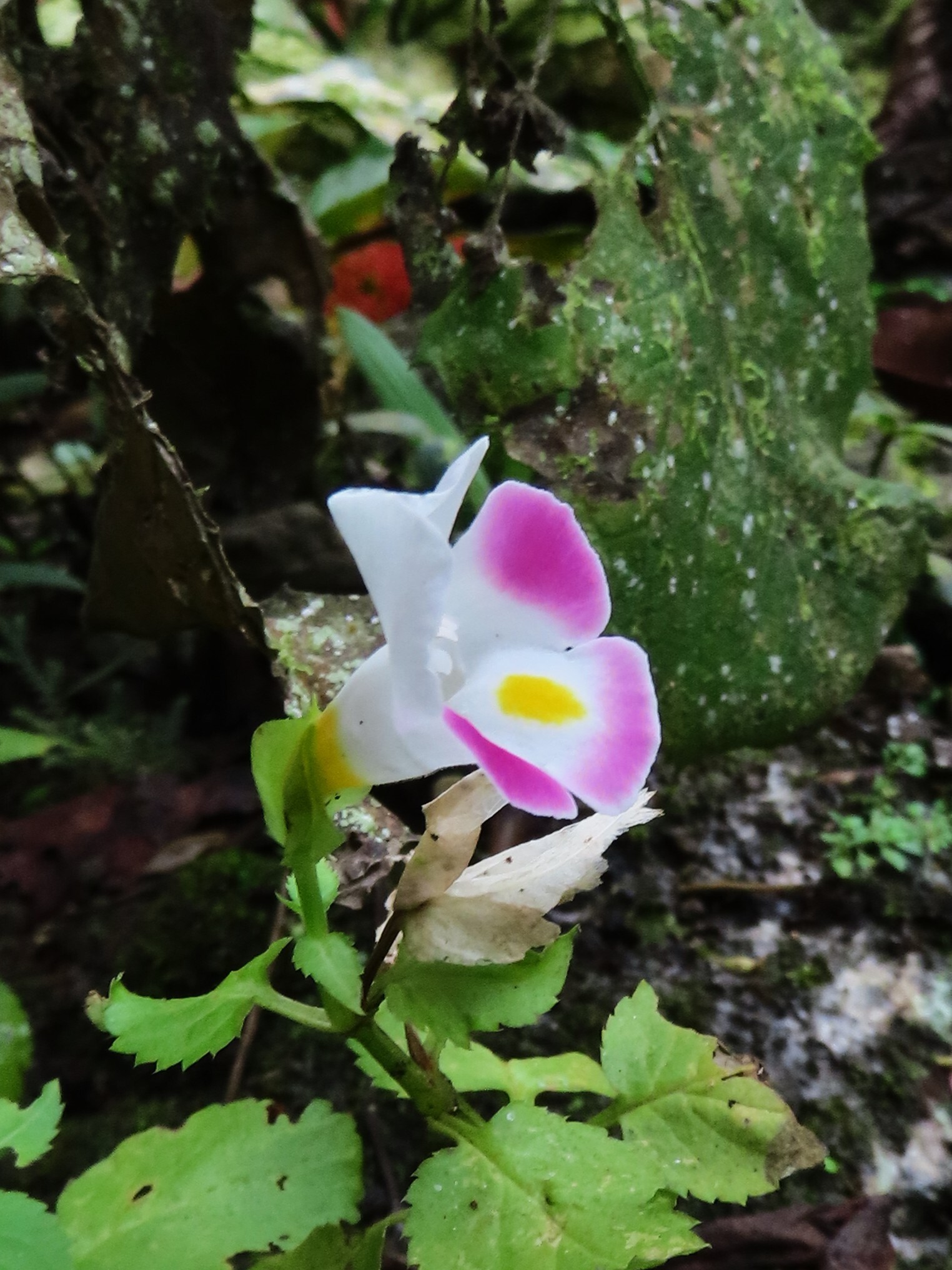
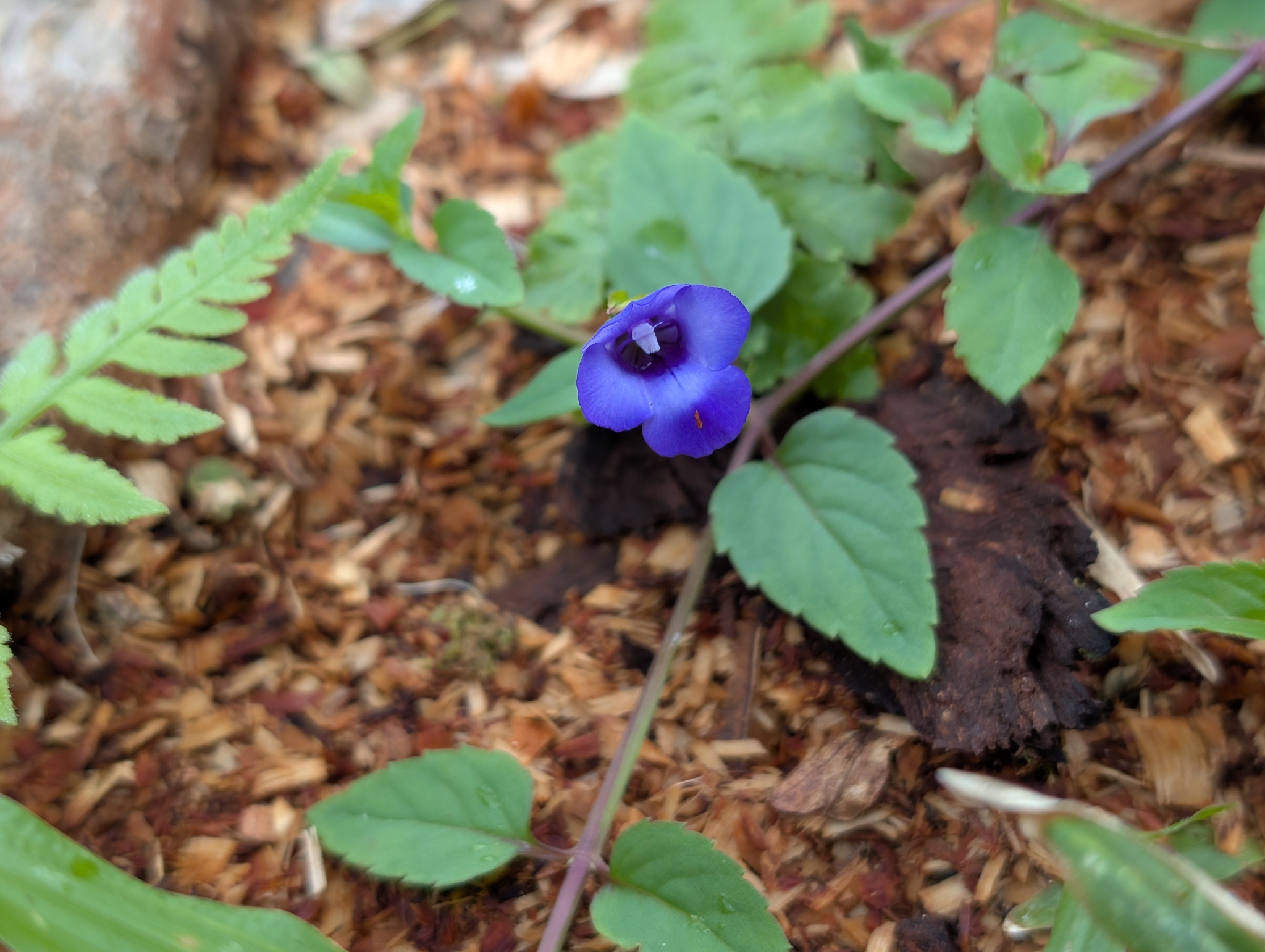
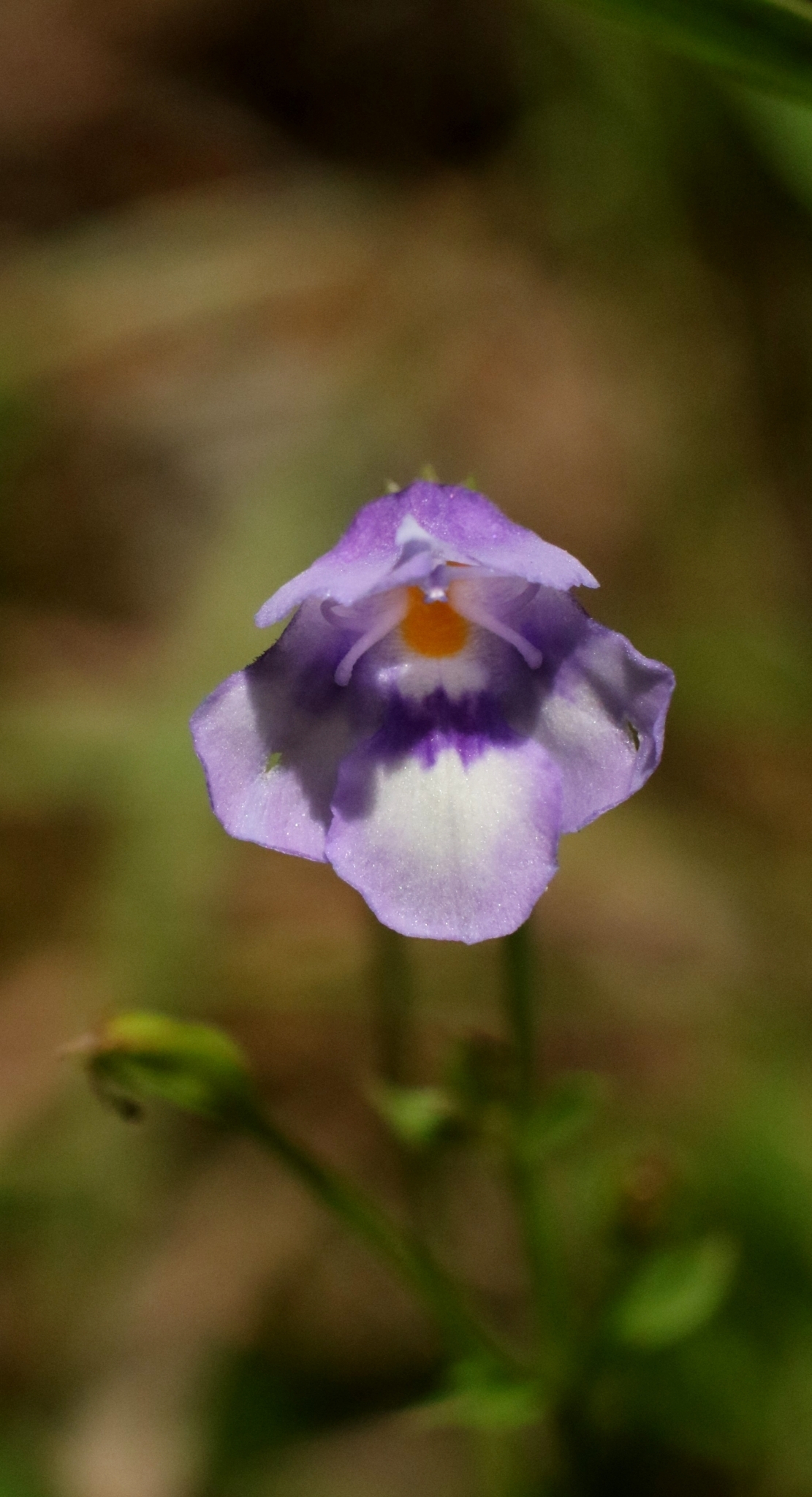
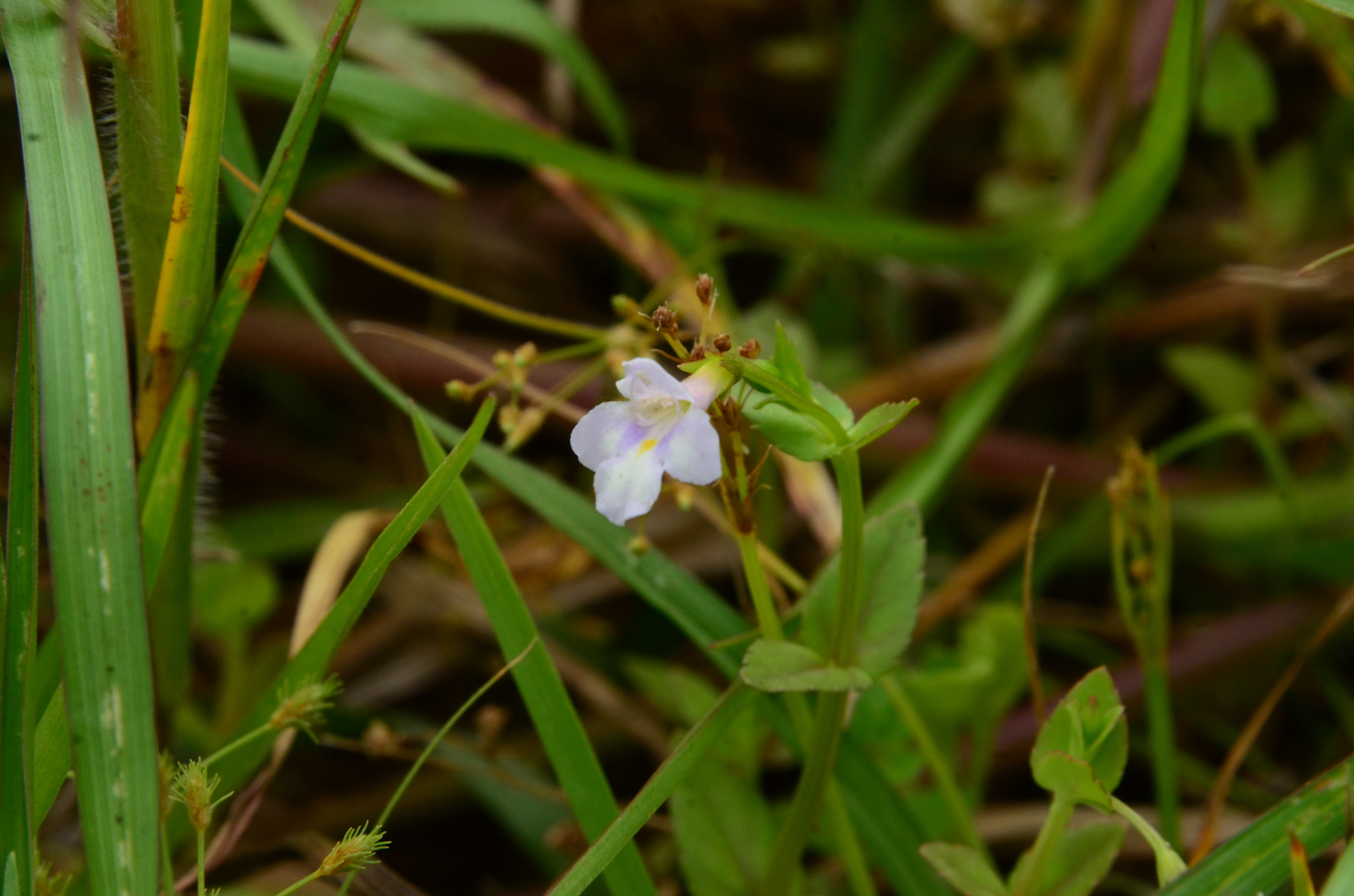
Torenia crustacea is a herbaceous annual plant recognized for its delicate beauty and specific ecological niche. While not widely cultivated for ornamental purposes compared to some of its congeners, it holds interest for botanists and those studying native flora. This species belongs to the family Linderniaceae, a group of plants often found in moist, disturbed habitats. Physically, Torenia crustacea typically presents as a low-growing, spreading annual. Its stems are slender and often decumbent, meaning they lie along the ground but may curve upwards at the tips. The plant generally reaches a modest height, usually not exceeding 15 to 20 centimeters. The leaves are simple, opposite, and ovate to broadly ovate in shape, with serrated or crenate margins. They are typically glabrous, meaning they lack hairs, and possess a somewhat fleshy texture. The most striking feature of Torenia crustacea is its flowers. These are zygomorphic, meaning they have bilateral symmetry, and are borne singly or in small clusters in the leaf axils. The corolla is typically two-lipped, with the upper lip often divided into two lobes and the lower lip into three. The color of the flowers can vary, but they are often described as pale violet, lilac, or sometimes white, frequently with darker markings or a yellow throat. The fruit is a capsule, which splits open to release numerous small seeds. The native distribution of Torenia crustacea is primarily in tropical and subtropical regions of Asia, extending to parts of Australia. It thrives in moist, open, and often disturbed environments. Natural habitats include damp grasslands, open woodlands, stream banks, and sometimes cultivated fields or roadsides where moisture is consistent. In terms of cultivation requirements, Torenia crustacea prefers moist, well-drained soils and partial to full shade. It is an annual, so it completes its life cycle within a single growing season. While it can be grown from seed, it is not a commonly featured plant in commercial horticulture, likely due to its ephemeral nature and less showy blooms compared to other Torenia species. Ecologically, Torenia crustacea plays a role in its native ecosystems as a groundcover and a food source for certain insects. Its ability to colonize disturbed areas suggests a degree of resilience and adaptability to changing environmental conditions. There is no widespread documented ornamental, agricultural, medicinal, culinary, or economic importance attributed to Torenia crustacea in scientific literature. Its significance lies more within its botanical classification and its contribution to the biodiversity of its native habitats. An interesting characteristic of Torenia crustacea, common to many species in the Linderniaceae family, is its adaptation to moist environments. The somewhat succulent nature of its leaves may aid in water retention, a useful trait in habitats that can experience periods of fluctuating moisture. The small, numerous seeds are easily dispersed by wind and water, facilitating its spread in suitable conditions. The specific pollination mechanisms and seed dispersal strategies are areas of ongoing botanical study for many such species.

Photograph © 葉子 · CC0

Torenia Crustacea Care Summary

At-a-glance light, water, soil, and growing conditions from plant data

Light

Prefers bright, indirect light

75% intensity

Can tolerate some morning sun, but avoid intense afternoon sun which can scorch leaves.

Watering

Keep soil consistently moist

75% intensity

Avoid waterlogged conditions; allow top inch of soil to dry slightly between waterings.

Soil

Well-drained

50% intensity

Temperature

Warm

75% intensity

Thrives in temperatures between 18-24°C. Protect from frost and avoid sudden temperature drops.

Habitat

Outdoor

50% intensity

Fertilizer

Regular feeding during growth

50% intensity

Use a balanced liquid fertilizer diluted by half every 2-4 weeks during the growing season.

Torenia Crustacea Toxicity

Safety information from plant toxicity data

Toxicity details for Torenia Crustacea
AttributeValue
Toxic for humansNo

0/5 intensity

Toxic for petsNo

0/5 intensity

EdibleNo

Non-toxic

Torenia Crustacea Quick Facts

Key traits and growing stats from plant data

Plant Type
Herb
Plant Place Type
Pot, Garden
Plant Environment
Outdoor
Lifespan
Annual
Plant Height
0.1-0.3 m
Spread
0.3-0.5 m
Growth Rate
Moderate
Dormancy
None
Leaf Color
Green
Leaf Type
Simple
Flower Size
2-3 cm
Optimal Sunlight Lux
1500

Care guide for Torenia Crustacea

Watering, pruning, propagation, and repotting details from plant data

Water

Torenia crustacea prefers consistently moist soil but dislikes waterlogged conditions. Water thoroughly when the top 2-3 cm of soil feels dry to the touch.

Reduce watering slightly during cooler months or when the plant is dormant. Ensure good drainage to prevent root rot, especially in containers.

Pruning

Pinch back the tips of young plants to encourage bushier growth and more flowering. Deadhead spent flowers regularly to promote continuous blooming and prevent the plant from expending energy on seed production.

Light pruning can be done in early spring to shape the plant.

Propagation

Torenia crustacea is easily propagated from seed sown indoors in late winter or early spring. Seeds can also be directly sown outdoors after the last frost.

Stem cuttings can be taken in late spring or early summer and rooted in moist potting mix or water.

Repotting

Repot Torenia crustacea annually or when it becomes root-bound, typically in early spring before new growth begins. Choose a pot that is only slightly larger than the current one, with adequate drainage holes.

Use a well-draining, good-quality potting mix.

Identify plants like this with ePlant

Snap a photo to get care tips and match similar species on the go.

Try for Free

Flowering & Fruiting Cycles

Monthly activity intensity for bloom and fruit across both hemispheres.

Northern hemisphere

Flowering & fruiting calendar

Peak bloom · JulPeak fruit · Aug
FloweringFruiting
02468JanFebMarAprMayJunJulAugSepOctNovDecActivity intensityMonths998
Southern hemisphere

Flowering & fruiting calendar

Peak bloom · JanPeak fruit · Jan
FloweringFruiting
02468JanFebMarAprMayJunJulAugSepOctNovDecActivity intensityMonths9977

Torenia Crustacea Names & Synonyms

Common names and botanical synonyms

Common Names

  • Brittle False Pimpernel
  • Malayan False Pimpernel
  • Malaysian False Pimpernel
  • Round-Fruited Lindernia

Synonyms

  • Antirrhinum hexandrum Forssk.
  • Antirrhinum hexandrum G.Forst.
  • Buchnera capillaris Desv.
  • Capraria crustacea L.
  • Gratiola aspera Roth
  • Gratiola lucida Willd.
  • Hornemannia ovata Link & Otto
  • Linaria hexandra F.Dietr.
  • Lindernia crustacea (L.) F.Muell.
  • Lindernia gracilis (Bonati) Bonati
  • Lindernia minuta (Blume) Koord.
  • Lindernia obtusa (Blume) Koord.
  • Lindernia racemosa Bonati
  • Mimulus javanicus Blume
  • Morgania aspera Spreng.
  • Morgania lucida Spreng.
  • Pentsteira paniculata Griff.
  • Pyxidaria crustacea (L.) Kuntze
  • Pyxidaria minuta (Blume) Kuntze
  • Pyxidaria obtusa (Blume) Kuntze
  • Tittmannia ovata Rchb.
  • Tittmannia scabra Spreng.
  • Torenia flaccida R.Br.
  • Torenia hexandra R.Br.
  • Torenia lucida Buch.-Ham. ex Wall.
  • Torenia minuta Blume
  • Torenia obtusa Blume
  • Torenia ovata Sweet
  • Torenia rubella Buch.-Ham.
  • Torenia scabra R.Br.
  • Torenia varians Roxb.
  • Vandellia alba Benth.
  • Vandellia bodinieri H.Lév.
  • Vandellia brownii Benth.
  • Vandellia crustacea (L.) Benth.
  • Vandellia gracilis Bonati
  • Vandellia minuta (Blume) Miq.
  • Vandellia obtusa (Blume) Miq.
  • Vandellia racemosa Spreng.
  • Vandellia varians G.Don

Torenia Crustacea Taxonomy

Botanical classification

Taxonomic classification of Torenia Crustacea
RankName
kingdomPlantae
divisionTracheophyta
classMagnoliopsida
orderLamiales
familyLinderniaceae
genusTorenia
speciesTorenia crustacea

Torenia Crustacea FAQs

Answers based on plant encyclopedia data

What are the typical growing conditions for Torenia crustacea?

Torenia crustacea prefers moist, well-drained soil and partial shade. It can tolerate some sun but may scorch in intense heat.

How often should Torenia crustacea be watered?

Water regularly to keep the soil consistently moist, especially during dry periods. Avoid letting the soil dry out completely.

Can Torenia crustacea be grown indoors?

Yes, Torenia crustacea can be grown indoors as a houseplant, provided it receives adequate light (bright, indirect sunlight) and consistent moisture.

When is the best time to plant Torenia crustacea seeds?

Seeds can be sown indoors about 6-8 weeks before the last expected frost, or directly outdoors after the danger of frost has passed.

Does Torenia crustacea attract any beneficial insects?

Torenia crustacea flowers can attract pollinators like bees and butterflies.