Skip to plant details

Wild SweetwilliamPhlox maculata

Also known as Marsh Phlox · Meadow Phlox · Northern Meadow Phlox

  • Category: Ornamental
  • Type: Herb
  • Sunlight: Full Sun to Part Shade
  • Water: Consistent Moisture
  • Temperature: Moderate

Wild Sweetwilliam (Phlox maculata) is a North American native perennial admired for its fragrant, pink to purple flowers borne on upright stems, attracting pollinators.

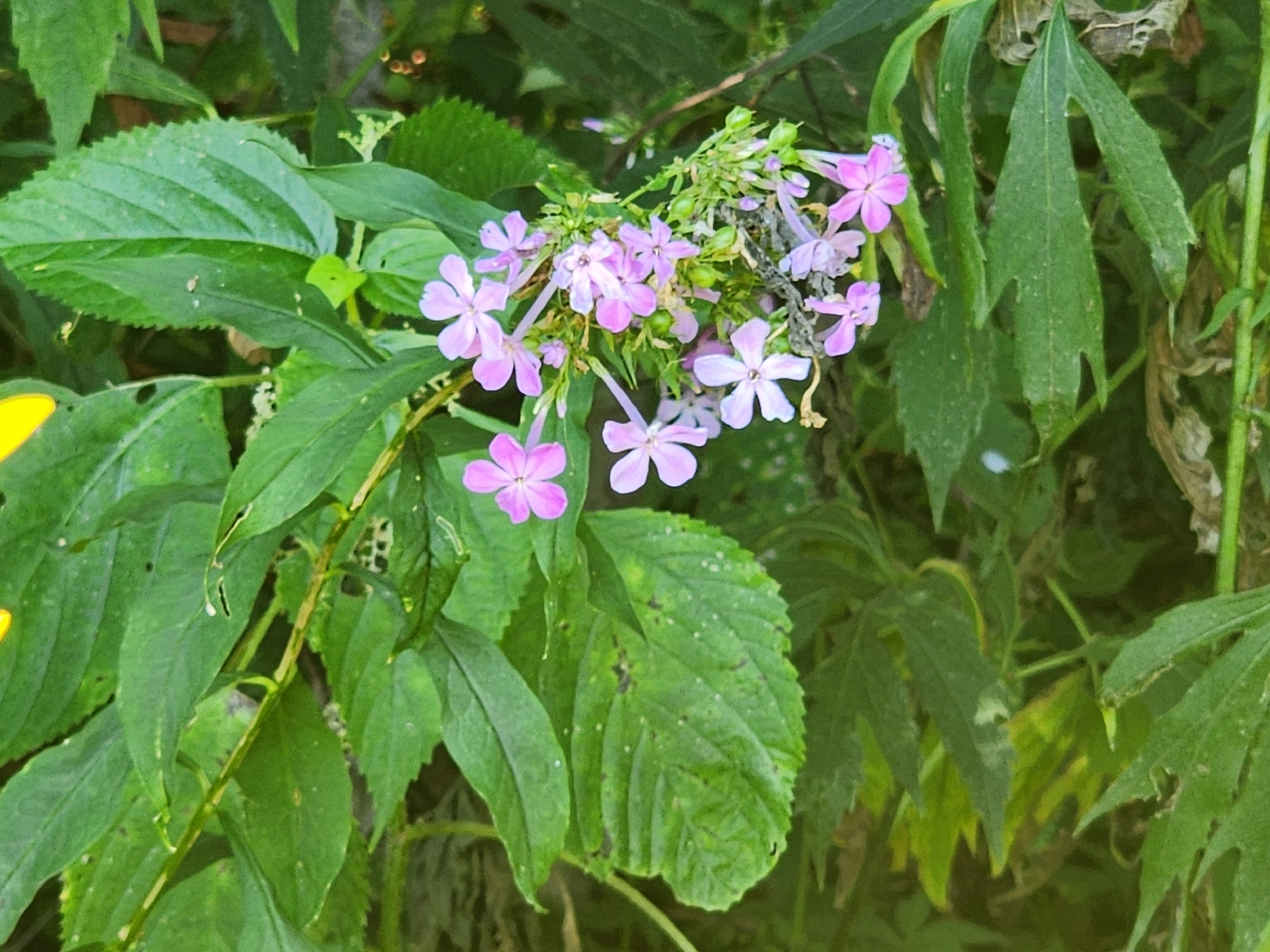
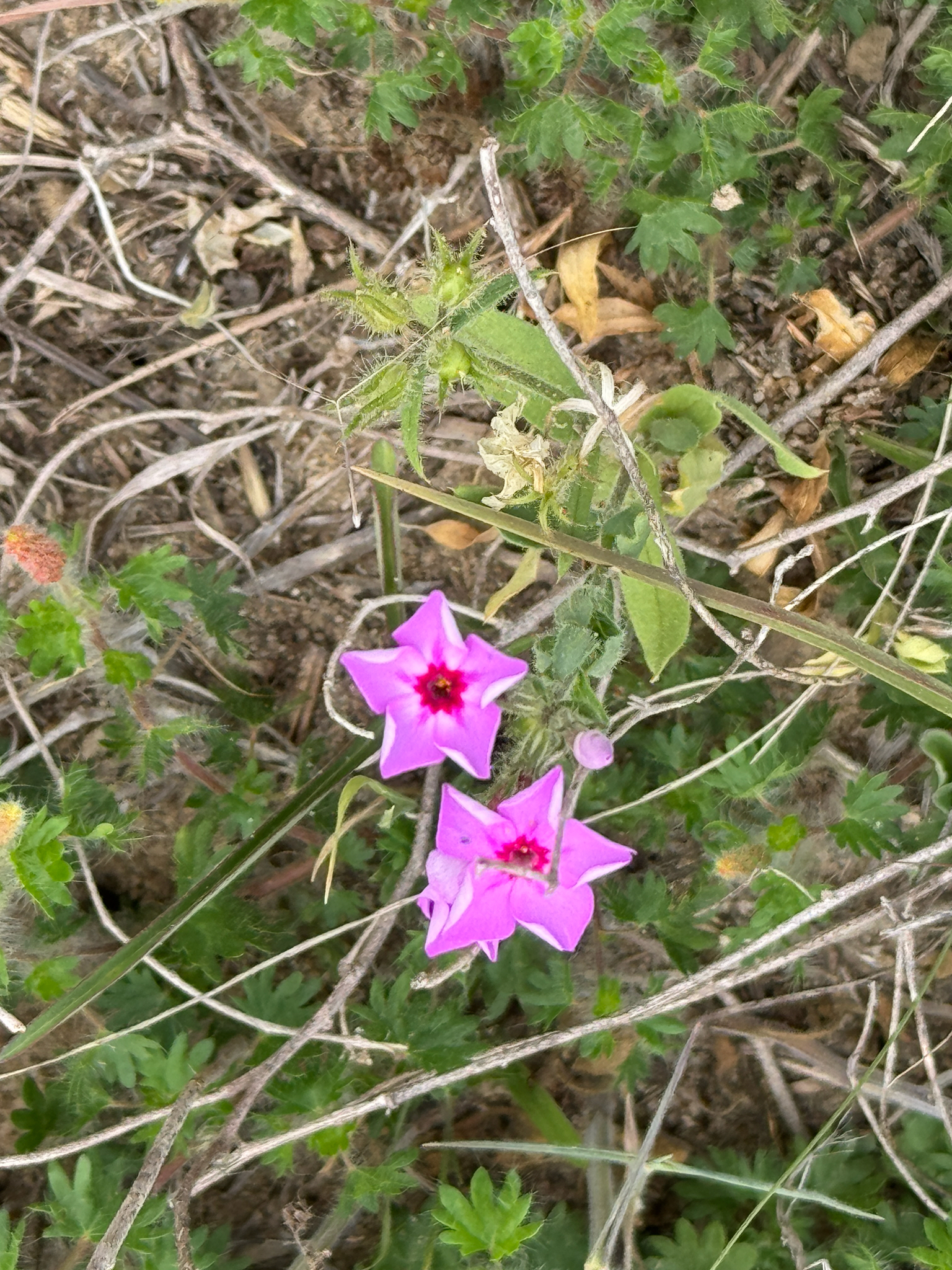
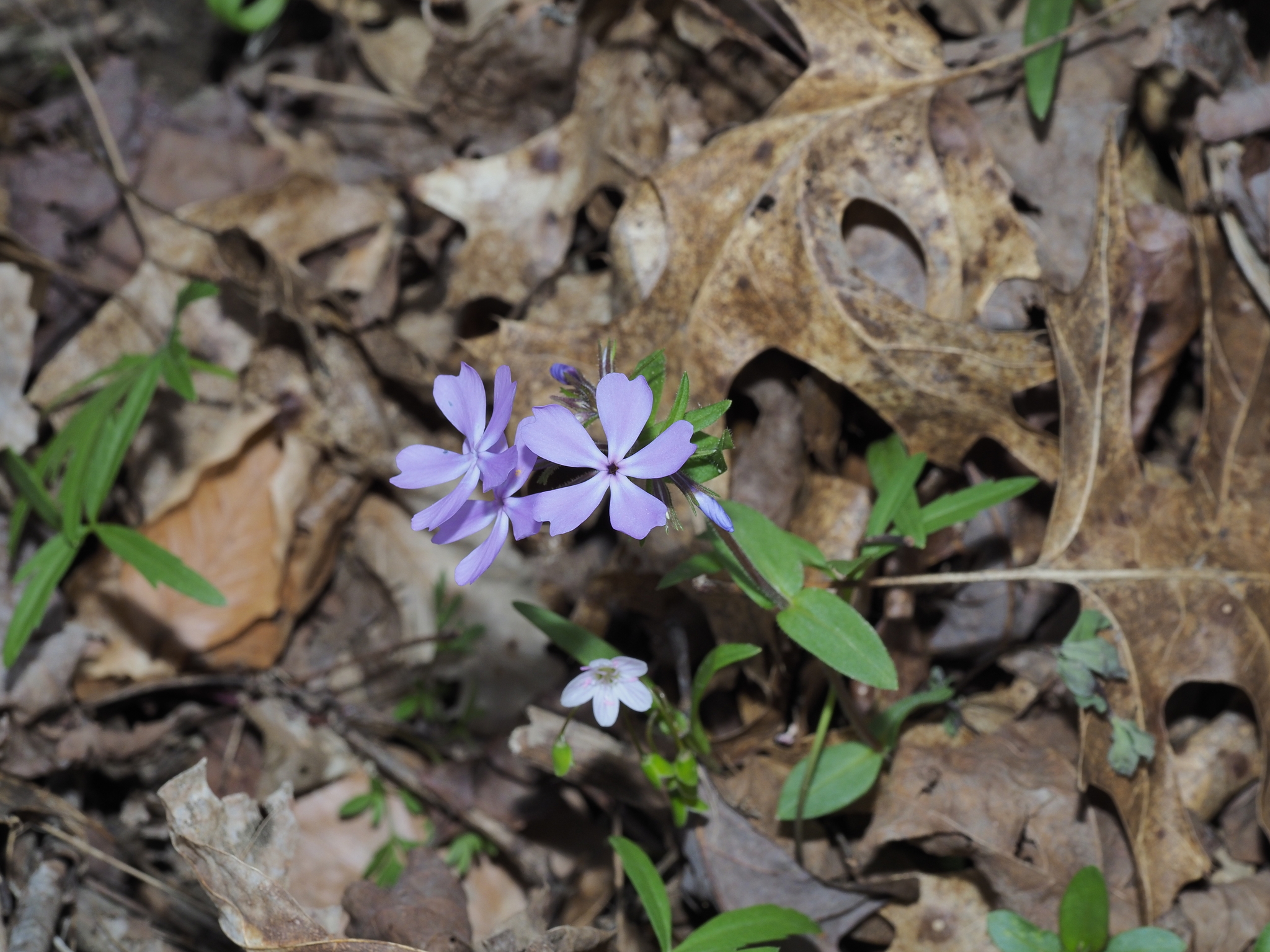
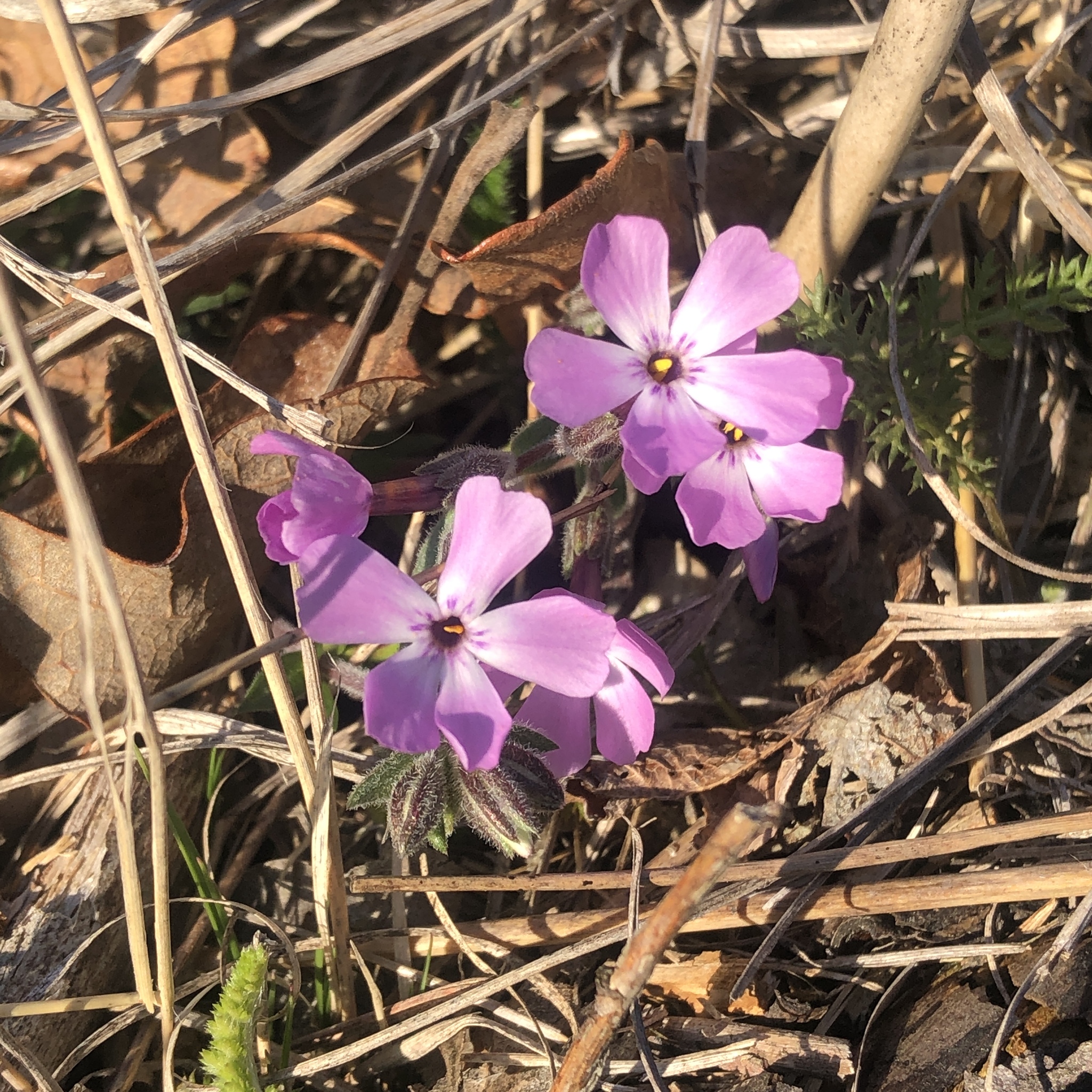
Phlox maculata, commonly known as Wild Sweetwilliam, is a perennial herbaceous plant native to eastern North America. It is a valued member of the Phlox genus, recognized for its attractive floral displays and its role within its native ecosystems. This species contributes to the biodiversity of woodland edges, meadows, and open forests where it naturally occurs. Physically, Phlox maculata typically grows to a height of 2 to 4 feet, forming upright clumps. Its stems are smooth and often exhibit purplish maculations, or spots, which give the species its scientific name. The leaves are opposite, lanceolate to ovate in shape, and arranged along the stem. They are typically smooth and can be sessile or have very short petioles. The most striking feature of Phlox maculata is its inflorescence, which is a terminal panicle or cyme bearing numerous fragrant flowers. The individual flowers are typically 1 to 1.5 inches in diameter, with five petals that are often notched at the apex. Flower colors can vary, commonly appearing in shades of pink, rose, or white, and sometimes with darker centers. The blooming period generally occurs from early to mid-summer. Following flowering, the plant produces small capsules containing seeds. The native range of Phlox maculata extends across a significant portion of eastern and central North America, including states in the northeastern, midwestern, and southeastern United States, as well as parts of Canada. It thrives in moist, well-drained soils and is often found in habitats such as open woodlands, woodland edges, prairies, meadows, and along stream banks. In cultivation, Phlox maculata prefers full sun to partial shade and consistently moist, fertile soil. It is generally hardy and adaptable to various garden conditions, provided its moisture needs are met. While not widely cultivated for agricultural or economic purposes, Phlox maculata holds ecological significance as a nectar source for pollinators, including butterflies and bees. Its ornamental value is considerable, making it a popular choice for native plant gardens, borders, and naturalistic landscapes where its vibrant flowers and pleasant fragrance can be appreciated. Its adaptation to moist environments makes it suitable for rain gardens or areas where consistent moisture is available. The plant's ability to naturalize in suitable conditions further enhances its appeal for ecological restoration projects and informal garden settings. Interesting adaptations include its upright growth habit, which allows its flowers to be easily accessed by pollinators, and its fragrant blooms, which serve as a strong attractant. The maculations on its stems are a distinctive characteristic that aids in its identification.

Photograph © Tom Potterfield · CC-BY-NC-SA

Wild Sweetwilliam Care Summary

At-a-glance light, water, soil, and growing conditions from plant data

Light

Full Sun to Part Shade

75% intensity

Thrives in 6+ hours of direct sunlight, tolerates some afternoon shade in hot climates.

Watering

Consistent Moisture

50% intensity

Prefers evenly moist soil, avoid waterlogged conditions.

Soil

Well-drained

50% intensity

Temperature

Moderate

50% intensity

Prefers average room or garden temperatures. Protect from extreme heat and frost.

Fertilizer

Light Feeding

25% intensity

Apply balanced fertilizer in spring; avoid over-fertilization.

Wild Sweetwilliam Toxicity

Safety information from plant toxicity data

Toxicity details for Wild Sweetwilliam
AttributeValue
Toxic for humansNo

0/5 intensity

Toxic for petsNo

0/5 intensity

EdibleNo

Wild Sweetwilliam Quick Facts

Key traits and growing stats from plant data

Plant Type
Herb
Plant Category
Ornamental
Plant Place Type
Garden, Pot
Lifespan
Perennial
Plant Height
0.6-1.2 m
Spread
0.3-0.6 m
Growth Rate
Moderate
Dormancy
Yes
Leaf Color
Green
Leaf Type
Opposite
Flower Size
2-3 cm
Optimal Sunlight Lux
60000

Care guide for Wild Sweetwilliam

Watering, pruning, propagation, and repotting details from plant data

Water

Water regularly, keeping the soil consistently moist but not waterlogged. During dry spells, provide supplemental watering. Good drainage is crucial to prevent root rot, especially in warmer months.

Reduce watering slightly in fall as the plant enters dormancy.

Pruning

Deadhead spent flowers regularly to encourage continuous blooming and improve the plant's appearance. In late fall or early spring, cut back dead or withered foliage to the ground.

This helps prevent disease and promotes vigorous new growth for the next season.

Propagation

Divide established clumps in early spring or fall. Carefully separate sections, ensuring each division has roots and shoots. Alternatively, sow fresh seeds in fall or early spring.

Stem cuttings can also be taken in early summer and rooted in moist soil.

Repotting

Established plants generally do not require frequent repotting. If division is necessary due to overcrowding or declining vigor, repot in early spring.

Choose a slightly larger container with fresh, well-draining potting mix. Ensure roots are not pot-bound.

Identify plants like this with ePlant

Snap a photo to get care tips and match similar species on the go.

Try for Free

Flowering & Fruiting Cycles

Monthly activity intensity for bloom and fruit across both hemispheres.

Northern hemisphere

Flowering & fruiting calendar

Peak bloom · JulPeak fruit · Sep
FloweringFruiting
02468JanFebMarAprMayJunJulAugSepOctNovDecActivity intensityMonths87
Southern hemisphere

Flowering & fruiting calendar

Peak bloom · JulPeak fruit · Aug
FloweringFruiting
02468JanFebMarAprMayJunJulAugSepOctNovDecActivity intensityMonths87

Wild Sweetwilliam Names & Synonyms

Common names and botanical synonyms

Common Names

  • Marsh Phlox
  • Meadow Phlox
  • Northern Meadow Phlox
  • Spotted Phlox
  • Wild Sweet-William
  • Wild Sweetwilliam

Synonyms

  • Phlox alba Moench
  • Phlox bimaculata Sweet
  • Phlox candida Pers.
  • Phlox excelsa Penny ex G.Don
  • Phlox odorata Sweet
  • Phlox penduliflora Sweet
  • Phlox reflexa Sweet
  • Phlox suaveolens Aiton

Wild Sweetwilliam Taxonomy

Botanical classification

Taxonomic classification of Wild Sweetwilliam
RankName
kingdomPlantae
divisionTracheophyta
classMagnoliopsida
orderEricales
familyPolemoniaceae
genusPhlox
speciesPhlox maculata

Wild Sweetwilliam FAQs

Answers based on plant encyclopedia data

What are the ideal growing conditions for Phlox maculata?

Phlox maculata thrives in full sun to partial shade and prefers moist, well-drained soil. It appreciates consistent moisture, especially during dry periods.

When does Wild Sweetwilliam typically bloom?

Wild Sweetwilliam usually blooms in early to mid-summer, often from June through August, depending on the specific cultivar and local climate.

How tall does Phlox maculata grow?

Phlox maculata typically reaches a height of 60 to 120 centimeters (2 to 4 feet), with flower clusters adding to its overall stature.

Is Phlox maculata attractive to wildlife?

Yes, the fragrant flowers of Phlox maculata are a great attractant for various pollinators, including bees, butterflies, and other beneficial insects.

How should Phlox maculata be propagated?

Phlox maculata can be propagated by division of established clumps in spring or fall, or from seed sown in fall or early spring.