Phagnalon Saxatile (Phagnalon saxatile) – Benefits, Growing Guide & Care | ePlant AI
Phagnalon Saxatile (Phagnalon saxatile)
Phagnalon saxatile is a perennial subshrub native to the Mediterranean region, featuring silvery foliage and small, daisy-like flowers.
Phagnalon saxatile is a perennial herbaceous plant belonging to the Asteraceae family, commonly known for its resilience and adaptation to arid environments. This species is a member of a genus that includes several Mediterranean and Macaronesian species, often found in rocky or disturbed habitats. Phagnalon saxatile, in particular, is recognized for its distinctive appearance and its role within its native ecosystems.
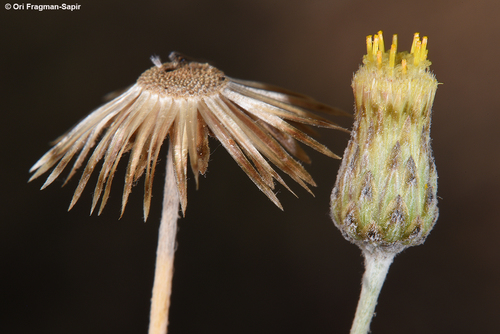
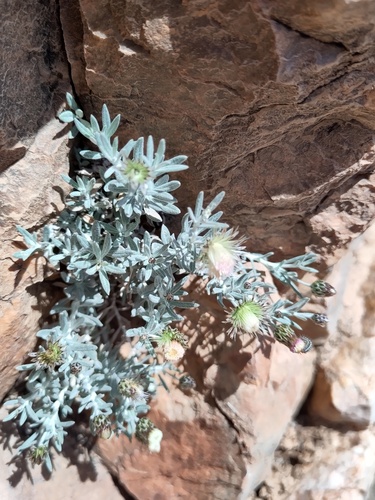
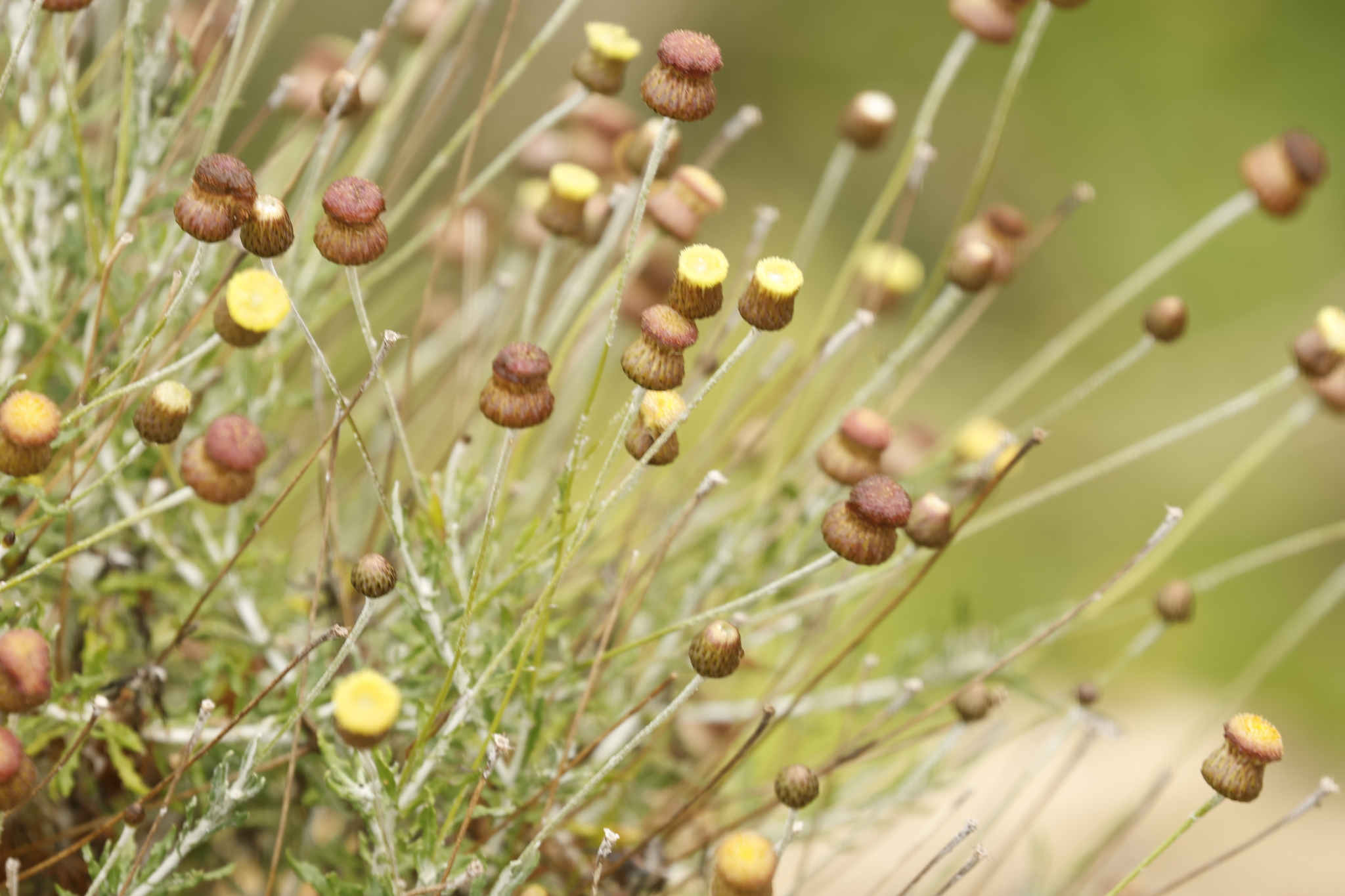
Physically, Phagnalon saxatile typically presents as a low-growing, spreading perennial, often forming dense mats or cushions. Its growth habit is generally compact, rarely exceeding 30 centimeters in height. The plant is characterized by its numerous, slender stems that bear small, linear to lanceolate leaves. These leaves are often covered in a dense layer of white, woolly hairs, which is a significant adaptation for reducing water loss and reflecting intense sunlight. This tomentose covering gives the foliage a silvery-grey appearance, a common trait among plants adapted to hot, dry conditions. The inflorescences are capitula, typical of the Asteraceae family, and are borne singly or in small clusters at the tips of the stems. The flower heads are relatively small and composed of numerous tiny florets, usually white or cream-colored, surrounded by imbricated phyllaries that are often tinged with brown or green. Following flowering, the plant produces small achenes, the characteristic dry fruits of the Asteraceae, which are typically dispersed by wind.
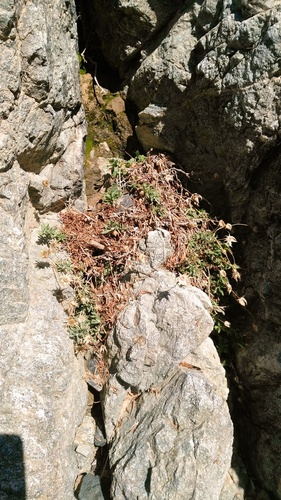
The native distribution of Phagnalon saxatile is primarily centered around the Mediterranean basin, extending into parts of North Africa and the Near East. It thrives in xeric environments, commonly found colonizing rocky outcrops, scree slopes, gravelly soils, and open, disturbed ground. Its preference for well-drained, often calcareous substrates makes it a characteristic plant of Mediterranean maquis and garrigue vegetation. In cultivation, Phagnalon saxatile is well-suited to rock gardens, alpine beds, and drought-tolerant plantings. It requires full sun and exceptionally good drainage, making it an excellent choice for Mediterranean or xeriscape garden designs. It is generally hardy in temperate climates, provided its drainage needs are met, and it is resistant to drought once established.
While Phagnalon saxatile is not widely cultivated for specific ornamental purposes on a large scale, its attractive silvery foliage and delicate white flowers contribute to its appeal in specialized gardens. Its ecological significance lies in its ability to colonize and stabilize disturbed, arid soils, providing a habitat and food source for various invertebrates. There is limited documented evidence regarding significant medicinal, culinary, or economic uses for this specific species, with its primary importance being ecological and horticultural within its native range and for enthusiasts of drought-tolerant plants. An interesting characteristic of Phagnalon saxatile is its remarkable ability to survive and flourish in nutrient-poor, exposed conditions, showcasing a high degree of adaptation to harsh environments through its specialized leaf morphology and growth habit.
Well-draining soil is crucial. Prefers sandy, loamy, or rocky soils. Tolerates poor, alkaline soils.
Temperature
Ideal growing range is 15-25°C.
Habitat
Outdoor, Greenhouse
Fertilizer
Fertilize sparingly in spring.
Care Requirements
Light
Prefers full sun.
Tolerates partial shade.
Water
Allow soil to dry between waterings.
Reduce in cooler months.
Soil
Well-draining soil is crucial. Prefers sandy, loamy, or rocky soils. Tolerates poor, alkaline soils.
Temperature
Ideal growing range is 15-25°C.
Can tolerate cooler temperatures if dry.
Habitat
Outdoor, Greenhouse
Fertilizer
Fertilize sparingly in spring.
Use a balanced, low-nitrogen formula.
Plant Overview
Plant Type
Shrub
Plant Category
Ornamental
Plant Place Type
Ground, Garden, Pot
Plant Environment
Outdoor, Greenhouse
Lifespan
Perennials
Plant Height
0.3-0.6 m
Spread
0.5-1 m
Growth Rate
Moderate
Dormancy
Semi-dormant in winter
Leaf Color
Silver, Gray
Leaf Type
Linear-lanceolate
Flower Size
0.5-1 cm
Optimal Sunlight Lux
75000
Image Gallery
Flowering & Fruiting Cycles
Monthly activity intensity for bloom and fruit across both hemispheres.
Northern hemisphere
Flowering & fruiting calendar
Peak bloom · JulPeak fruit · Jul
FloweringFruiting
Southern hemisphere
Flowering & fruiting calendar
Peak bloom · MayPeak fruit · Mar
FloweringFruiting
Synonyms
Conyza intermedia Lag.
Conyza saxatilis (L.) L.
Gnaphalium saxatile L.
Gnaphalium uniflorum Mill.
Gnaphalon saxatile (L.) Lowe
Phagnalon bennettii Lowe ex DC.
Phagnalon intermedium (Lag.) Pau
Phagnalon lepidotum Pomel
Phagnalon methanaeum Hausskn.
Phagnalon subdentatum Cass.
Phagnalon viride R.Uechtr.
Taxonomy
kingdomPlantae
divisionTracheophyta
classMagnoliopsida
orderAsterales
familyAsteraceae
genusPhagnalon
speciesPhagnalon saxatile
Toxicity
Toxic for humans
No
Rating: 0/5
Toxic for pets
No
Rating: 0/5
Edible
No
Additional Care Tips
Water regularly during the growing season, allowing the soil to dry out slightly between waterings. Reduce watering significantly in cooler months.
Prune lightly after flowering to maintain shape and encourage bushier growth. Remove dead or damaged stems anytime. Avoid heavy pruning into old wood.
Easily propagated from seeds sown in spring or from semi-ripe cuttings taken in summer. Cuttings root well in well-draining compost.
Repot container-grown plants every 2-3 years in spring, using a well-draining potting mix. Choose a pot that is only slightly larger than the previous one.
FAQs
What kind of soil does Phagnalon saxatile prefer?
Phagnalon saxatile thrives in well-draining soil, including sandy, loamy, or rocky types. It tolerates poor and alkaline conditions, but good drainage is essential.
How often should I water Phagnalon saxatile?
Water moderately when the top inch of soil is dry during the growing season. Reduce watering significantly in winter to prevent root rot, especially if grown outdoors in cooler climates.
When is the best time to prune Phagnalon saxatile?
Prune lightly after the main flowering period to maintain its shape and encourage a bushier habit. Remove any dead or damaged stems as needed throughout the year.
Can Phagnalon saxatile be grown in a pot?
Yes, Phagnalon saxatile is well-suited for container gardening. Ensure the pot has drainage holes and use a well-draining potting mix.
Does Phagnalon saxatile attract pollinators?
Yes, the small, daisy-like flowers of Phagnalon saxatile are attractive to bees and other beneficial pollinators.