Water
Keep the soil consistently moist but not waterlogged. Water when the top centimeter of soil feels dry to the touch. Avoid letting the plant sit in standing water, which can lead to root rot.
Reduced watering is needed in cooler months.
Also known as Mexican Violet
Persian Violet (Exacum affine) is a charming annual or short-lived perennial, prized for its abundant, fragrant, star-shaped violet-blue flowers.
At-a-glance light, water, soil, and growing conditions from plant data
Bright, indirect light
75% intensity
Prefers several hours of bright, indirect sunlight daily. Avoid intense, direct sun which can scorch leaves.
Regular watering
75% intensity
Maintain consistently moist soil, avoid waterlogging.
Well-draining potting mix
50% intensity
Moderate temperatures
50% intensity
Thrives in temperatures between 18-24°C (65-75°F). Avoid extreme temperature fluctuations and drafts.
Indoor
50% intensity
Regular feeding during growing season
50% intensity
Use a balanced liquid fertilizer diluted to half strength every 2-4 weeks in spring and summer.
Safety information from plant toxicity data
| Attribute | Value |
|---|---|
| Toxic for humans | No 0/5 intensity |
| Toxic for pets | No 0/5 intensity |
None
Key traits and growing stats from plant data
Watering, pruning, propagation, and repotting details from plant data
Keep the soil consistently moist but not waterlogged. Water when the top centimeter of soil feels dry to the touch. Avoid letting the plant sit in standing water, which can lead to root rot.
Reduced watering is needed in cooler months.
Pinch back the tips of young plants to encourage bushier growth. Remove spent flowers regularly to prolong blooming. Light pruning can also be done after flowering to maintain shape and remove any leggy or damaged stems.
Persian Violets are typically grown from seeds. Sow seeds in a well-draining seed-starting mix in spring or early summer. Keep the soil consistently moist and warm. Germination usually occurs within 2-3 weeks.
Young plants can be transplanted when they have several true leaves.
Repot young plants annually into slightly larger pots. Mature plants can be repotted every 1-2 years, preferably in spring. Use a well-draining potting mix.
Choose a pot that is only slightly larger than the current root ball to avoid overwatering issues.
Identify plants like this with ePlant AI
Snap a photo to get care tips and match similar species on the go.
Monthly activity intensity for bloom and fruit across both hemispheres.
Flowering & fruiting calendar
Flowering & fruiting calendar
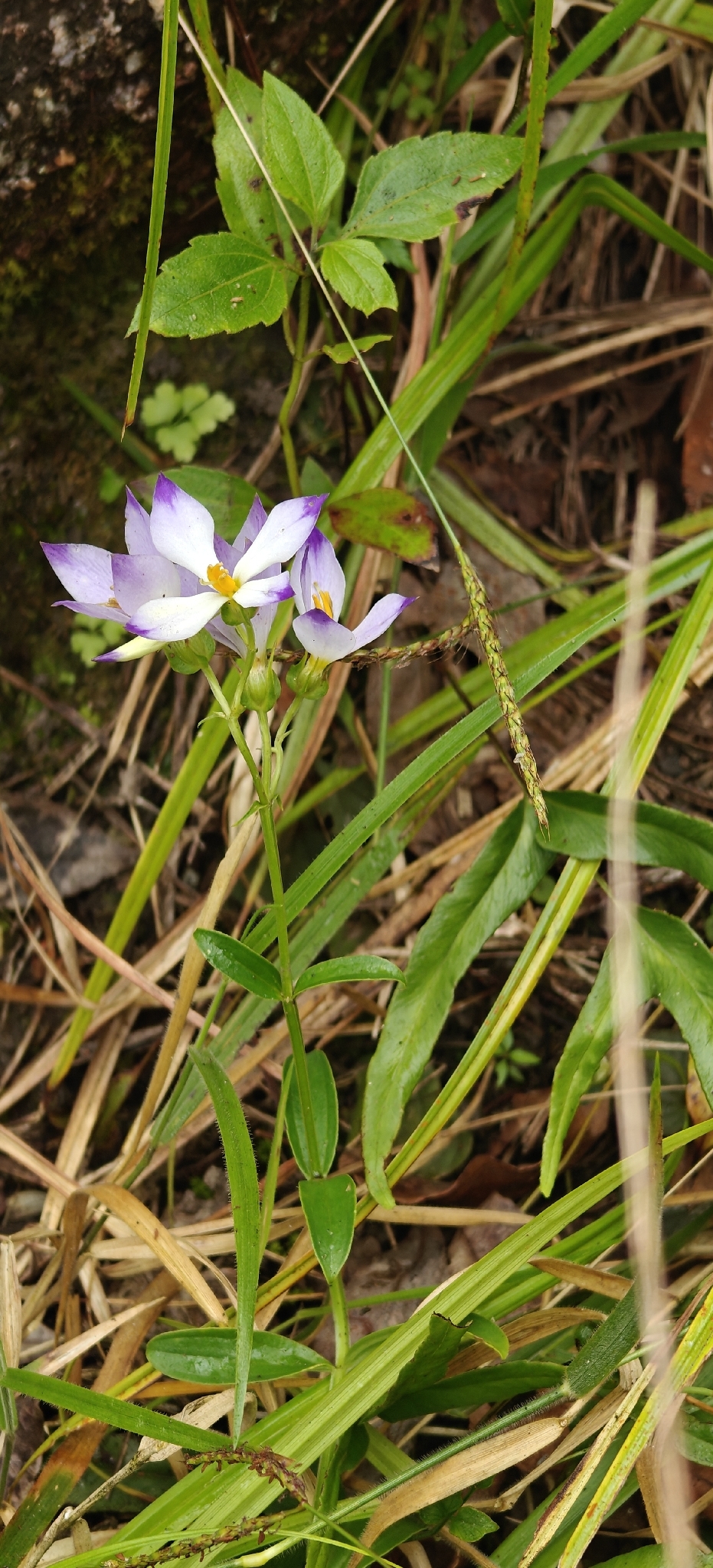
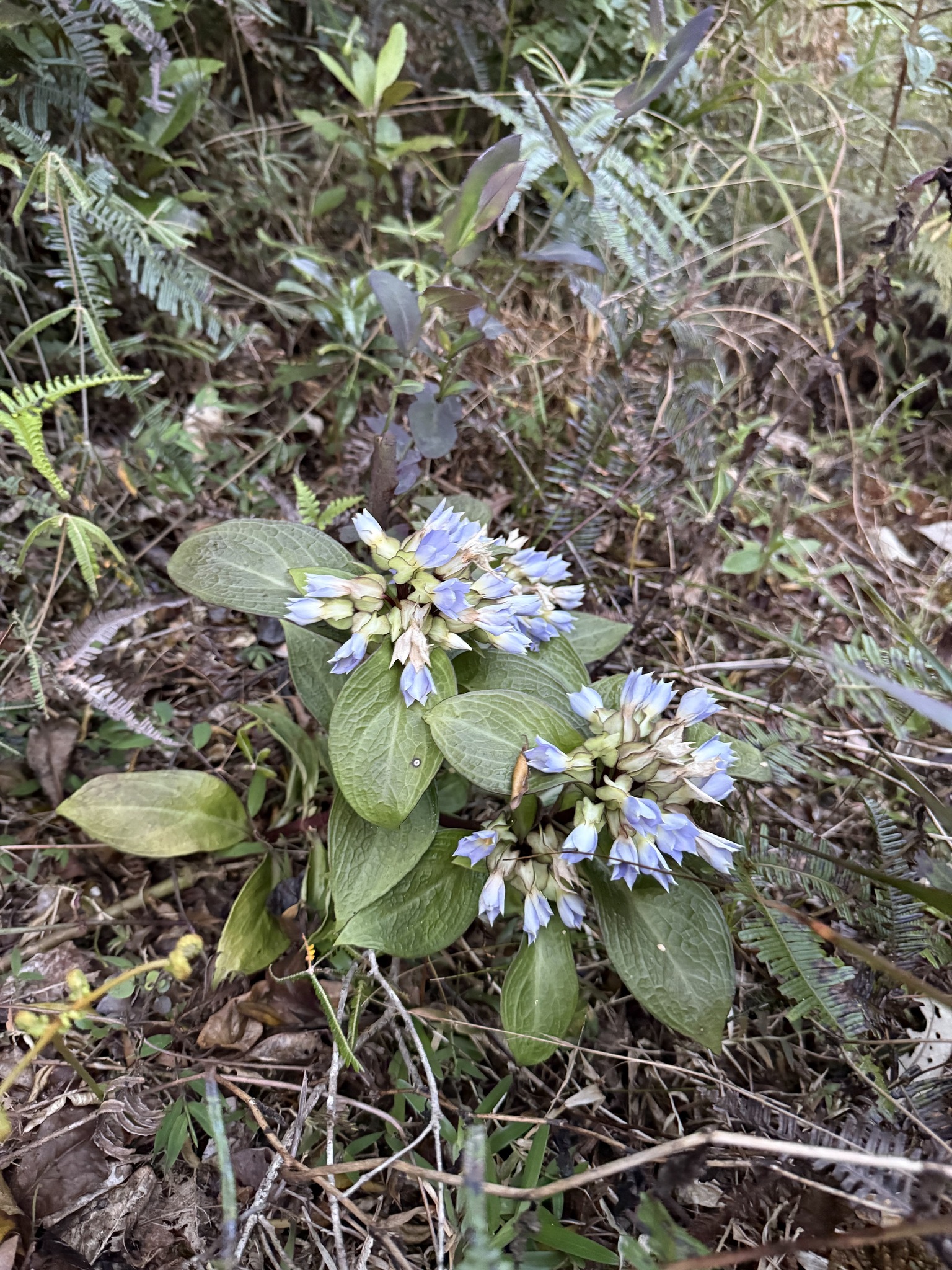
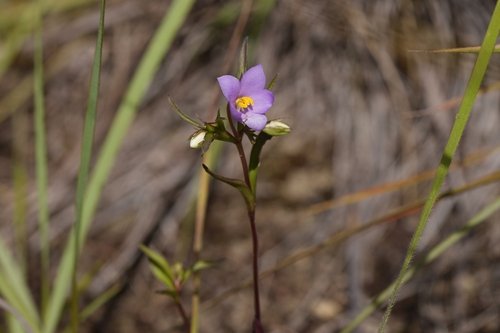
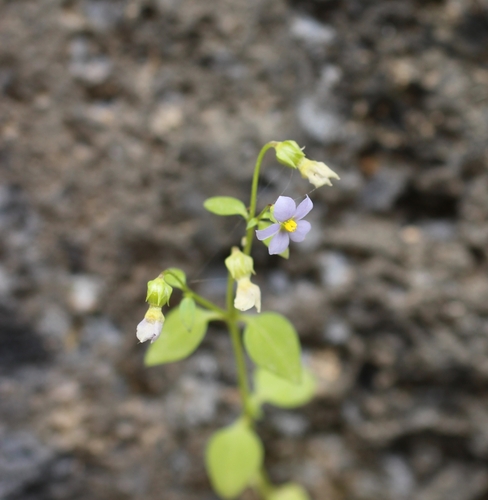
Photos of Persian Violet (Exacum affine)
Where Persian Violet (Exacum affine) is found

Density
Tap map to explore
8 known issues from plant disease data

Botrytis blight on Persian Violet causes soft brown flower and leaf rot, with gray fuzzy mold that quickly spoils blooms and tender growth.

Pythium root rot in Persian Violet causes roots to rot away, leaving plants wilted, weak, and yellow with a collapsing crown.

Rhizoctonia root and crown rot in Persian Violet causes brown sunken rot at the crown and roots, leading to sudden wilt and collapse.

Phytophthora blight on Persian Violet causes dark water-soaked rot on roots and lower stems, followed by rapid wilt and plant collapse.

Nectria canker on Persian Violet causes sunken stem lesions and dieback, weakening shoots and leaving parts of the plant dried out.

Fusarium root and crown rot in Persian Violet causes browning at the crown and roots, with yellowing leaves, wilt, and decline.
Common names and botanical synonyms
Botanical classification
| Rank | Name |
|---|---|
| Kingdom | Plantae |
| Division | Tracheophyta |
| Class | Magnoliopsida |
| Order | Gentianales |
| Family | Gentianaceae |
| Genus | Exacum |
| Species | Exacum affine |
Similar in genus Exacum
Answers based on plant encyclopedia data