Water
Water consistently when the top 2-3 cm of soil feel dry to the touch. Avoid overwatering, as this can lead to root rot.
Ensure good drainage to prevent waterlogged conditions, especially during cooler months when growth slows.
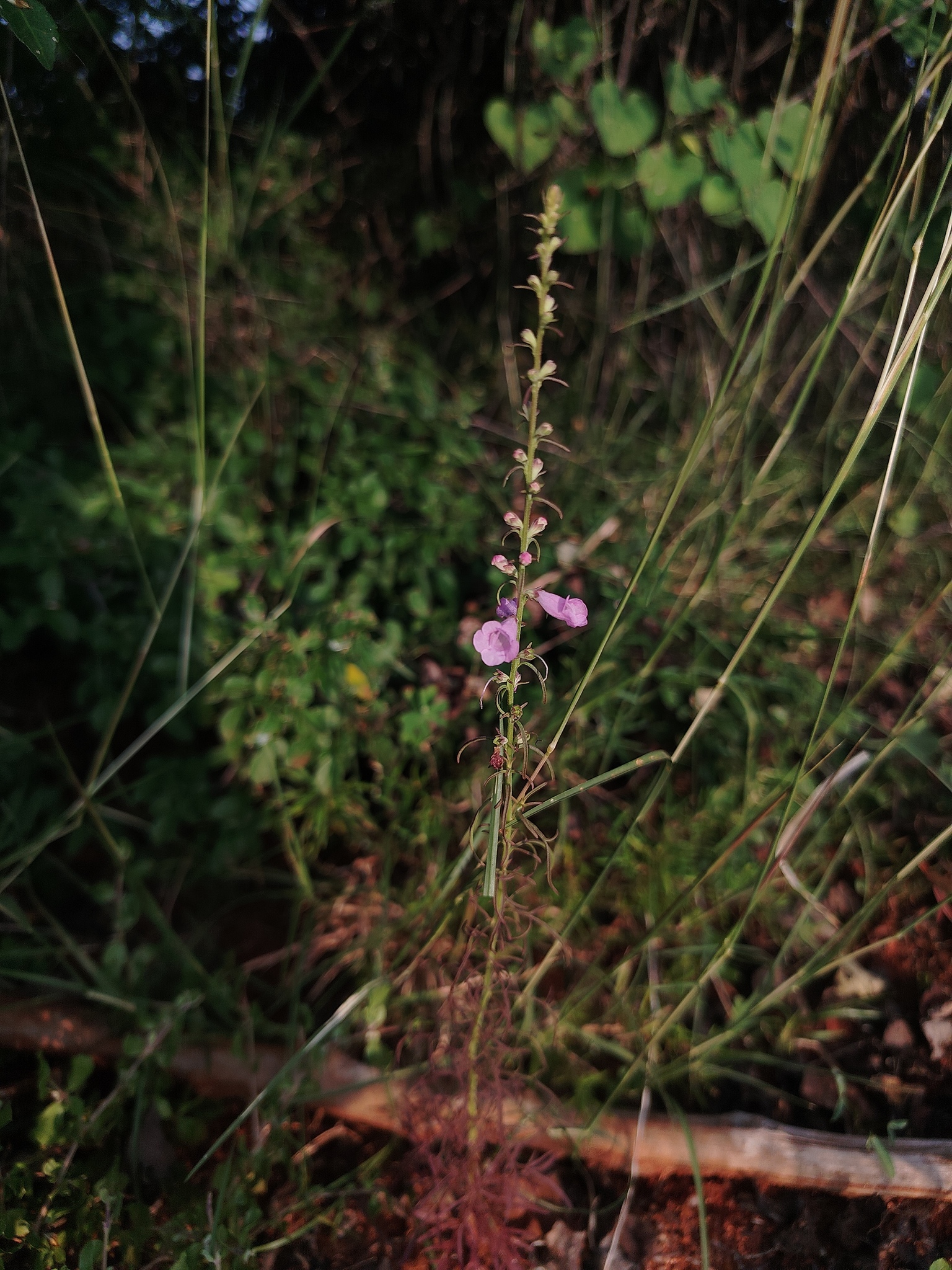
Micrargeria filiformis is a delicate flowering plant known for its fine, thread-like stems and small, often inconspicuous flowers. It thrives in specific habitats.
At-a-glance light, water, soil, and growing conditions from plant data
Moderate
50% intensity
Prefers bright, indirect light. Can tolerate some direct morning sun but avoid intense afternoon sun.
Moderate
50% intensity
Allow soil to dry slightly between waterings. Ensure good drainage.
Well-draining soil is essential. Sandy or gritty mixes are ideal.
50% intensity
Moderate
50% intensity
Thrives in average room temperatures between 18-24°C. Avoid sudden temperature fluctuations and cold drafts.
Low
25% intensity
Feed sparingly during the growing season with a diluted balanced fertilizer.
Key traits and growing stats from plant data
Watering, pruning, propagation, and repotting details from plant data
Water consistently when the top 2-3 cm of soil feel dry to the touch. Avoid overwatering, as this can lead to root rot.
Ensure good drainage to prevent waterlogged conditions, especially during cooler months when growth slows.
Prune to maintain desired shape and size, and to remove any dead or leggy stems. Light pinching back of new growth can encourage bushier development.
Pruning is best done in spring before new growth begins or after flowering if applicable.
Propagate by stem cuttings taken in spring or early summer. Dip the cut end in rooting hormone and plant in a well-draining potting mix. Keep the cuttings moist and in a warm, bright location until roots develop.
Repot every 2-3 years or when the plant becomes root-bound. Use a slightly larger pot with fresh, well-draining potting soil. Repotting is best done in spring before the active growing season commences.
Identify plants like this with ePlant AI
Snap a photo to get care tips and match similar species on the go.
Monthly activity intensity for bloom and fruit across both hemispheres.
Flowering & fruiting calendar
Flowering & fruiting calendar
Photos of Micrargeria Filiformis (Micrargeria filiformis)
Where Micrargeria Filiformis (Micrargeria filiformis) is found

Density
Tap map to explore
Common names and botanical synonyms
Botanical classification
| Rank | Name |
|---|---|
| Kingdom | Plantae |
| Division | Tracheophyta |
| Class | Magnoliopsida |
| Order | Lamiales |
| Family | Orobanchaceae |
| Genus | Micrargeria |
| Species | Micrargeria filiformis |
Similar in genus Micrargeria
Answers based on plant encyclopedia data