Water
Datura stramonium needs regular watering, especially during dry periods and when flowering, to maintain consistently moist soil. Ensure good drainage to prevent root rot.
Reduce watering as temperatures cool in late autumn.
Also known as Apple Of Peru · Common Thorn-Apple · Common Thornapple
Safety note: This plant may be toxic to humans and pets. See toxicity details.
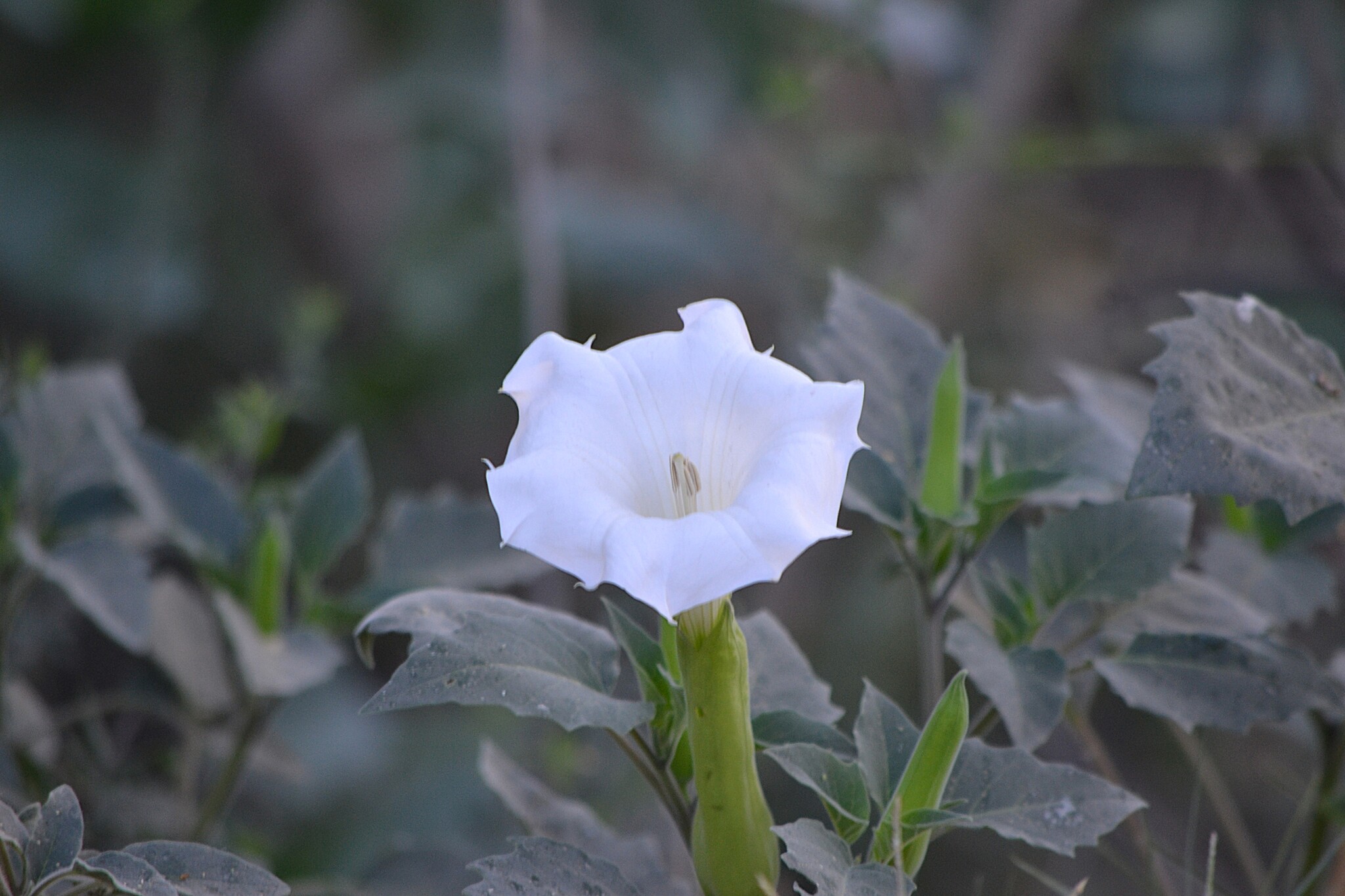
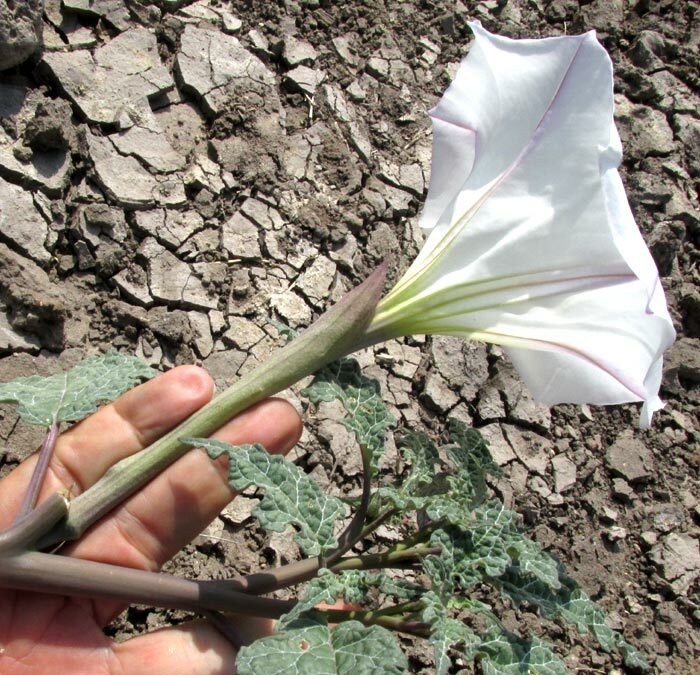
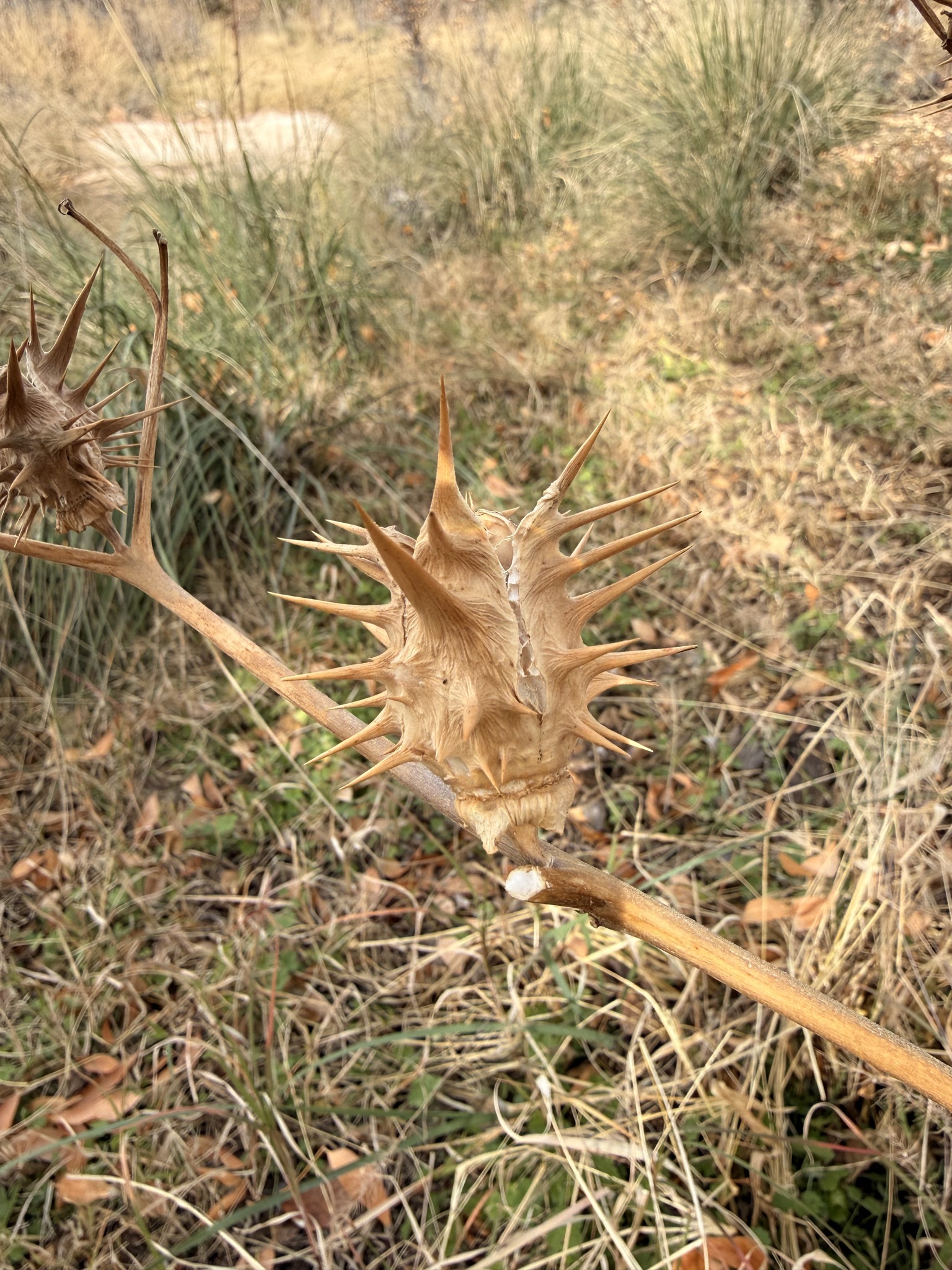
Jimsonweed (Datura stramonium) is a fast-growing annual herb known for its large, trumpet-shaped white or pale purple flowers and spiny fruit capsules. All parts of this
At-a-glance light, water, soil, and growing conditions from plant data
Thrives in full sun, requiring at least 6-8 hours of direct sunlight daily.
90% intensity
Requires consistent moisture, especially in hot weather, but avoid waterlogging.
70% intensity
Prefers fertile, well-drained loam with a neutral to slightly acidic pH.
50% intensity
Prefers warm conditions; sensitive to frost.
80% intensity
Outdoor
50% intensity
Benefits from regular feeding during the growing season.
60% intensity
Safety information from plant toxicity data
| Attribute | Value |
|---|---|
| Toxic for humans | Yes 5/5 intensity |
| Toxic for pets | Yes 5/5 intensity |
| Edible | No |
All parts of Datura stramonium contain highly toxic tropane alkaloids, including atropine, scopolamine, and hyoscyamine. Ingestion can cause severe anticholinergic poisoning, leading to hallucinations, delirium, tachycardia, hyperthermia, and potentially
Key traits and growing stats from plant data
Watering, pruning, propagation, and repotting details from plant data
Datura stramonium needs regular watering, especially during dry periods and when flowering, to maintain consistently moist soil. Ensure good drainage to prevent root rot.
Reduce watering as temperatures cool in late autumn.
Pruning for Datura stramonium is generally minimal as it's an annual. Deadheading spent flowers is recommended to promote continuous blooming and prevent unwanted self-seeding.
Pinching back young plants can encourage a bushier, more compact growth habit. Always wear protective gloves when handling this plant due to its high toxicity.
Datura stramonium is most commonly propagated from seeds. Seeds can be directly sown outdoors after the last frost, or started indoors 6-8 weeks prior to the anticipated transplant date.
Light scarification or a period of cold stratification can significantly improve germination rates. Ensure seedlings are hardened off before transplanting outside.
As an annual plant, Datura stramonium typically does not require repotting in the traditional sense. It is usually grown from seed each year.
If started indoors in small containers, seedlings should be transplanted to their final outdoor location in the garden or a larger pot once they have developed a few true leaves and all danger of frost has passed.
Identify plants like this with ePlant AI
Snap a photo to get care tips and match similar species on the go.
Monthly activity intensity for bloom and fruit across both hemispheres.
Flowering & fruiting calendar
Flowering & fruiting calendar
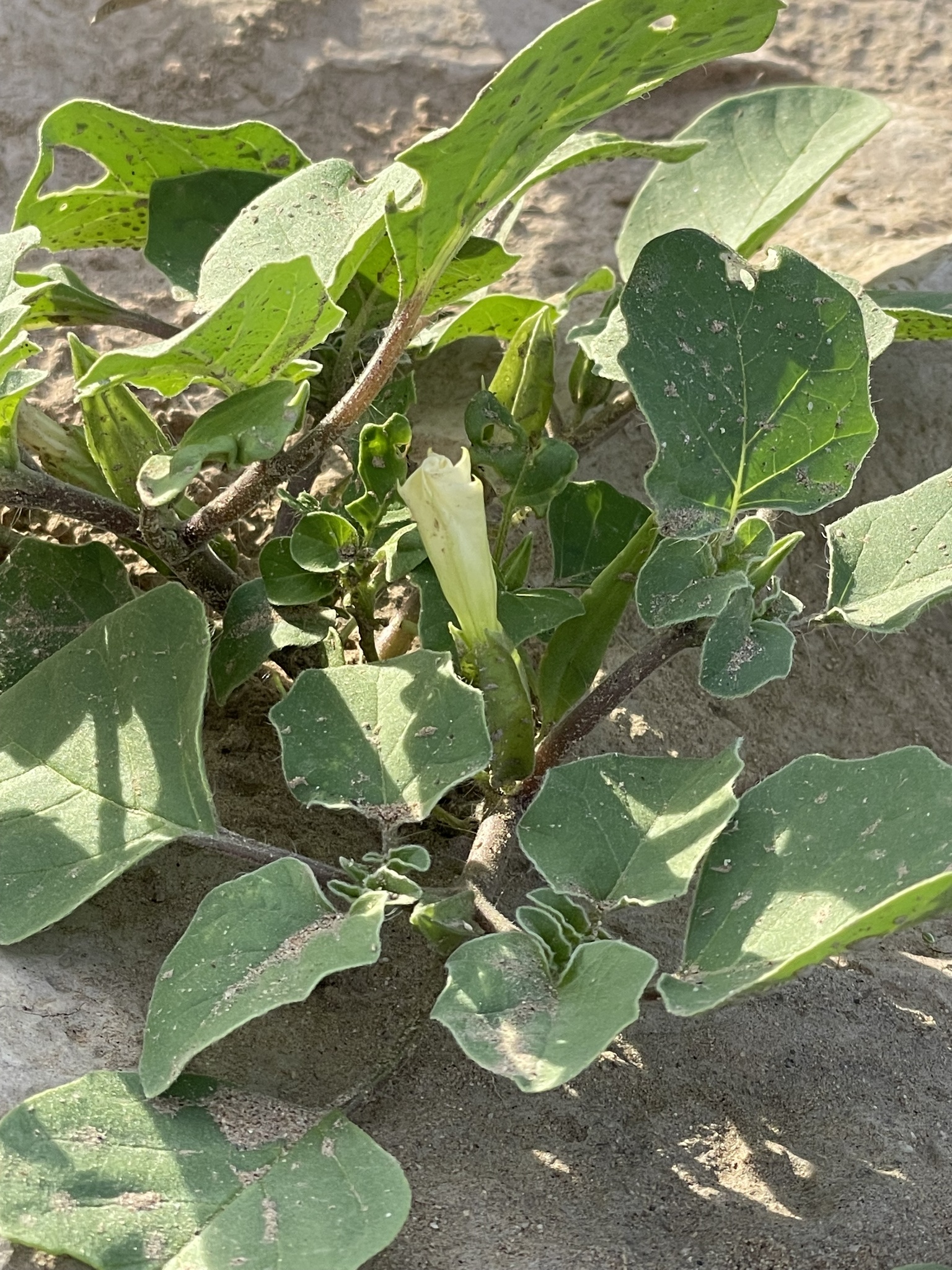
Photos of Jimsonweed (Datura stramonium)
Common names and botanical synonyms
Botanical classification
| Rank | Name |
|---|---|
| Kingdom | Plantae |
| Division | Tracheophyta |
| Class | Magnoliopsida |
| Order | Solanales |
| Family | Solanaceae |
| Genus | Datura |
| Species | Datura stramonium |
Similar in genus Datura
Answers based on plant encyclopedia data