Water
Water moderately when the top 2-3 cm of soil feels dry. Ensure good drainage to prevent waterlogging, as Crotalaria pallida is somewhat drought-tolerant once established.
Reduce watering during cooler, dormant periods in winter.
Also known as Broad-Leaved Rattlepod · Crotalaria · Ding Ding
Safety note: This plant may be toxic to humans and pets. See toxicity details.
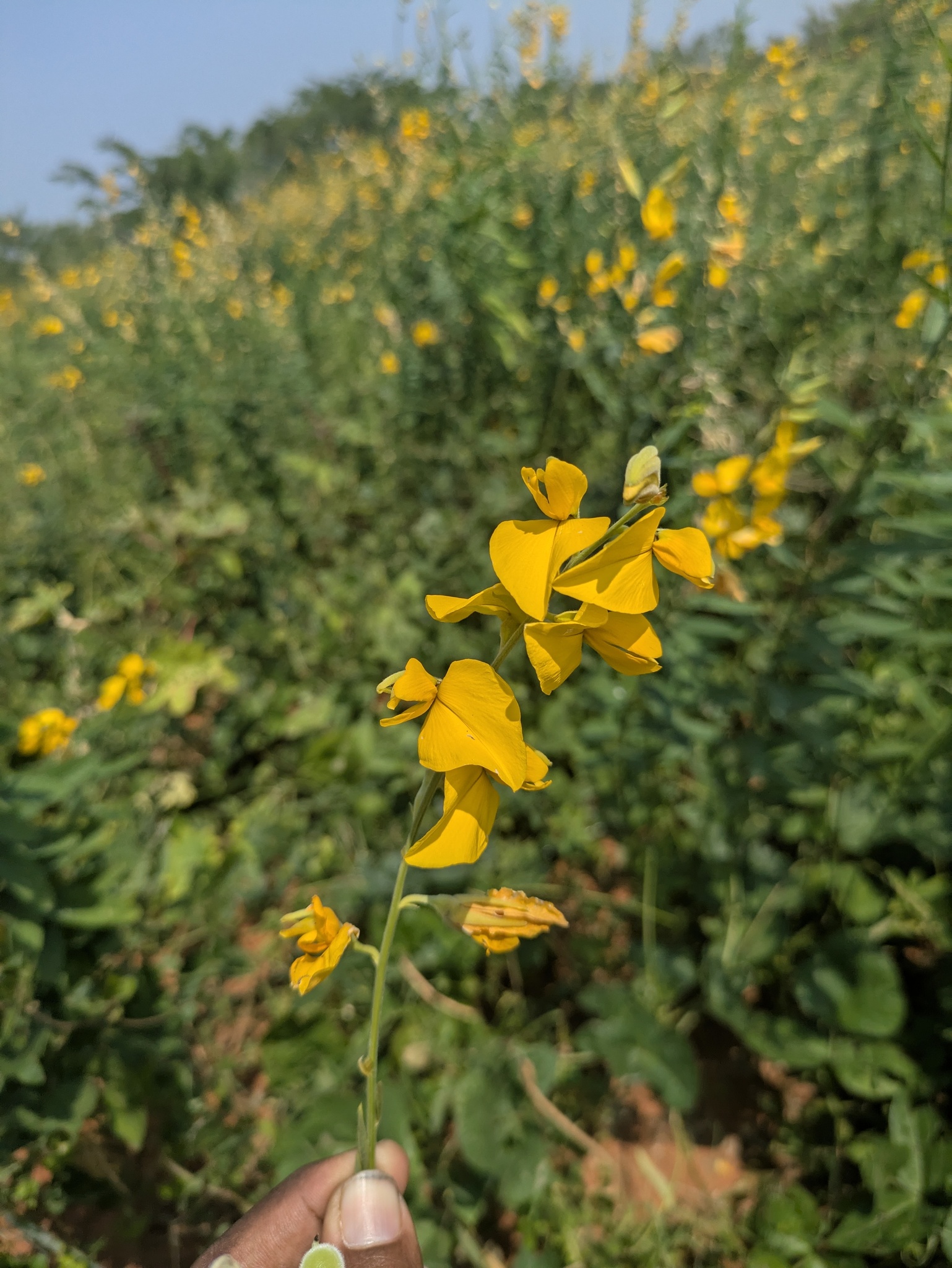
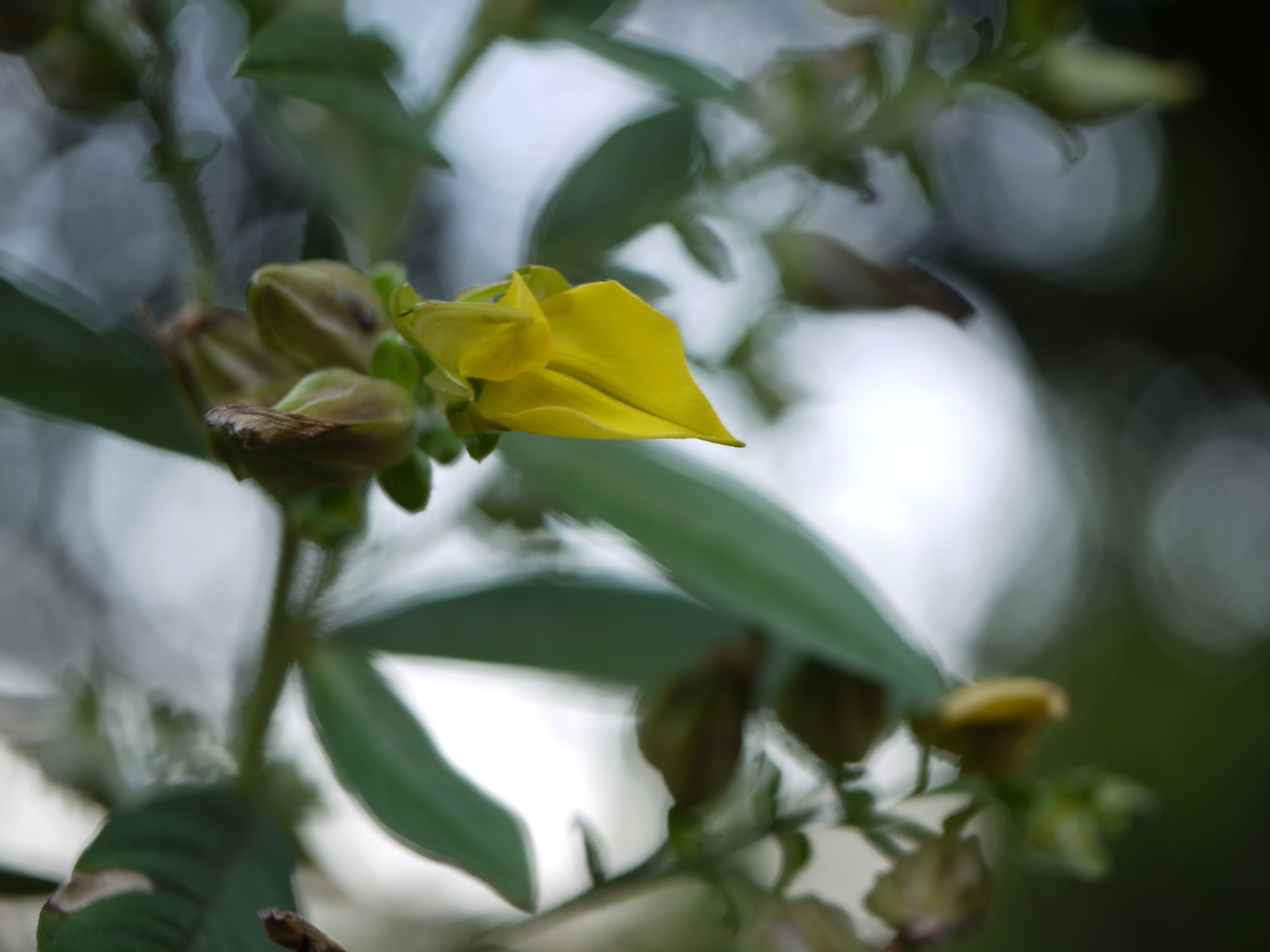
Streaked Rattlepod (Crotalaria pallida) is a fast-growing shrubby plant with yellow flowers and distinctive rattle-like seed pods, often used as green manure.
At-a-glance light, water, soil, and growing conditions from plant data
Full Sun
100% intensity
Prefers at least 6-8 hours of direct sunlight daily.
Moderate
50% intensity
Allow soil to dry slightly between waterings.
Well-draining, sandy loam, or clay.
50% intensity
Warm
75% intensity
Prefers temperatures between 20-28°C. Protect from frost.
Light
25% intensity
Feed during the growing season with diluted balanced fertilizer.
Safety information from plant toxicity data
| Attribute | Value |
|---|---|
| Toxic for humans | Yes 5/5 intensity |
| Toxic for pets | Yes 5/5 intensity |
| Edible | No |
Contains toxic alkaloids, particularly in seeds and pods. Ingestion can cause nausea, vomiting, diarrhea, and neurological symptoms.
Key traits and growing stats from plant data
Watering, pruning, propagation, and repotting details from plant data
Water moderately when the top 2-3 cm of soil feels dry. Ensure good drainage to prevent waterlogging, as Crotalaria pallida is somewhat drought-tolerant once established.
Reduce watering during cooler, dormant periods in winter.
Prune in late winter or early spring to shape the plant and remove any dead or overgrown branches. Pinch back young plants to encourage bushier growth. Pruning can help maintain a more compact and attractive form.
Propagate from seeds sown in spring or summer, either directly outdoors after the last frost or indoors in pots. Seeds may benefit from scarification or soaking in warm water to improve germination rates.
Cuttings can also be taken from healthy stems.
Repot young plants annually in spring, moving them to a slightly larger container. Mature plants can be repotted every 2-3 years or when root-bound.
Use a well-draining potting mix and ensure the new pot has drainage holes.
Identify plants like this with ePlant AI
Snap a photo to get care tips and match similar species on the go.
Monthly activity intensity for bloom and fruit across both hemispheres.
Flowering & fruiting calendar
Flowering & fruiting calendar
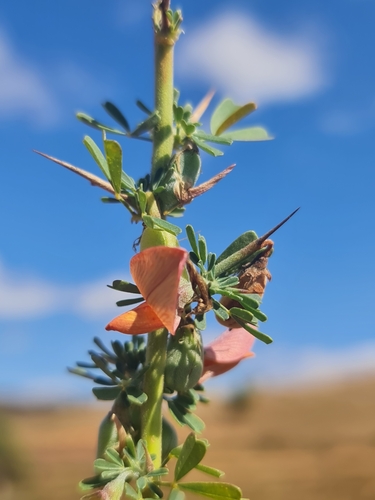
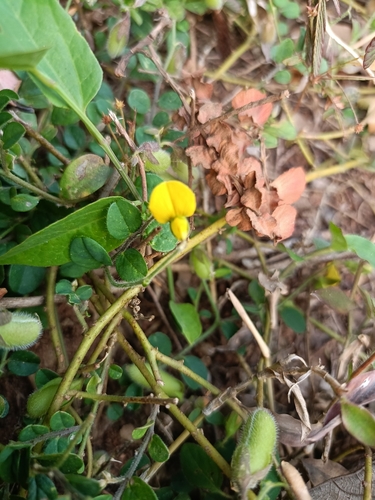
Photos of Streaked Rattlepod (Crotalaria pallida)
Common names and botanical synonyms
Botanical classification
| Rank | Name |
|---|---|
| Kingdom | Plantae |
| Division | Tracheophyta |
| Class | Magnoliopsida |
| Order | Fabales |
| Family | Fabaceae |
| Genus | Crotalaria |
| Species | Crotalaria pallida |
Similar in genus Crotalaria
Answers based on plant encyclopedia data