Horseradishtree (Moringa oleifera)

Horseradishtree (Moringa oleifera) is a fast-growing, drought-resistant tree known for its highly nutritious leaves, pods, and seeds, valued for food and medicinal purpos

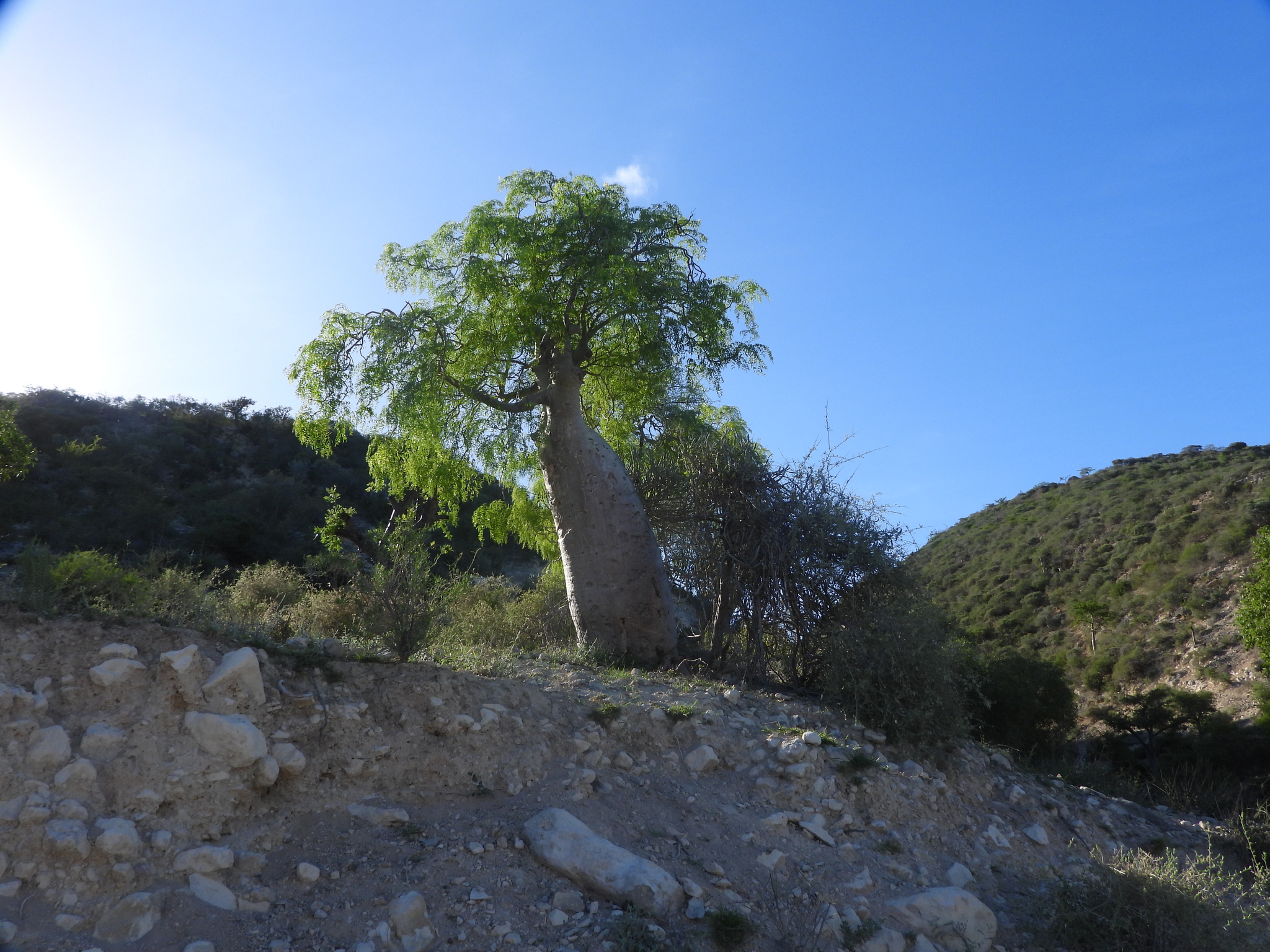
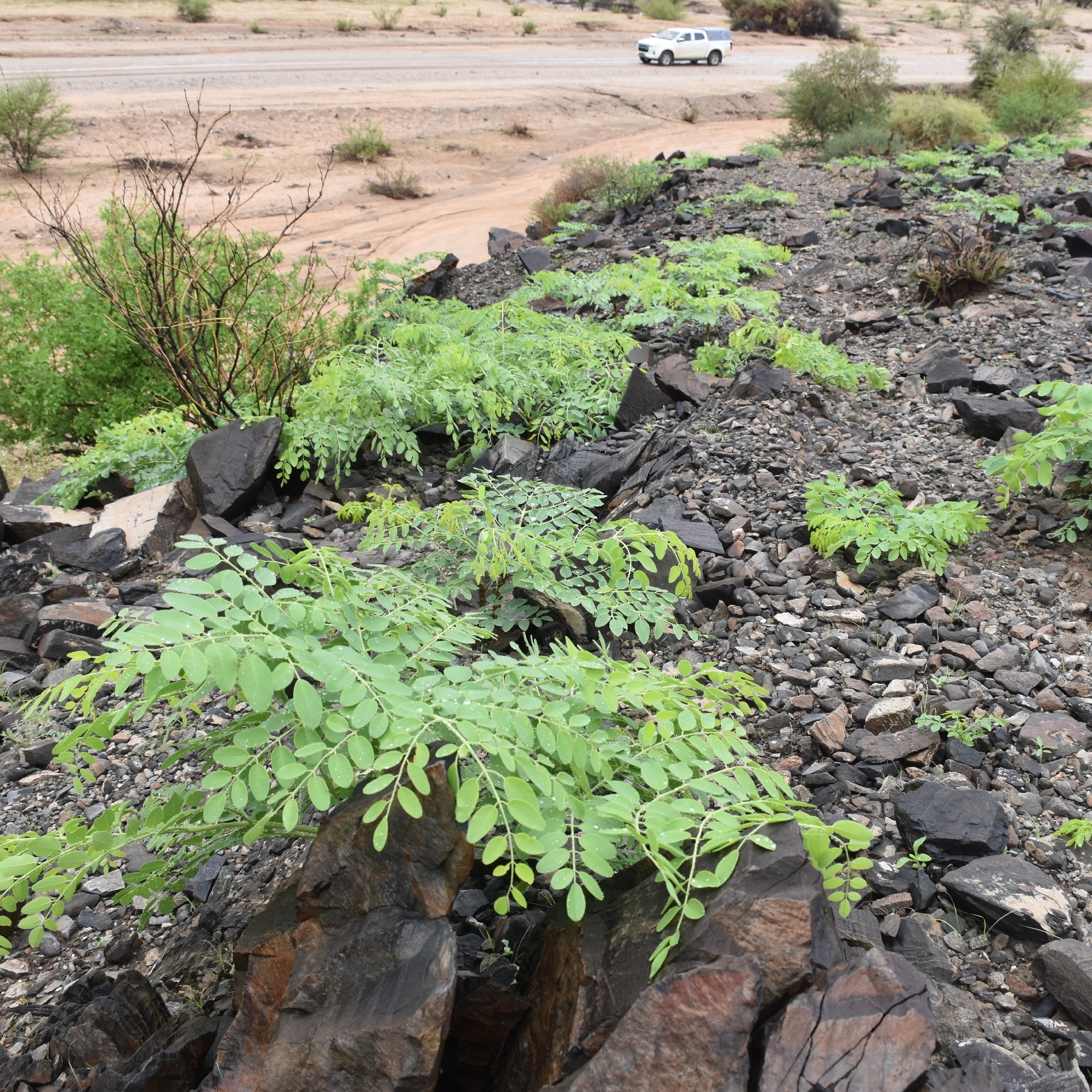
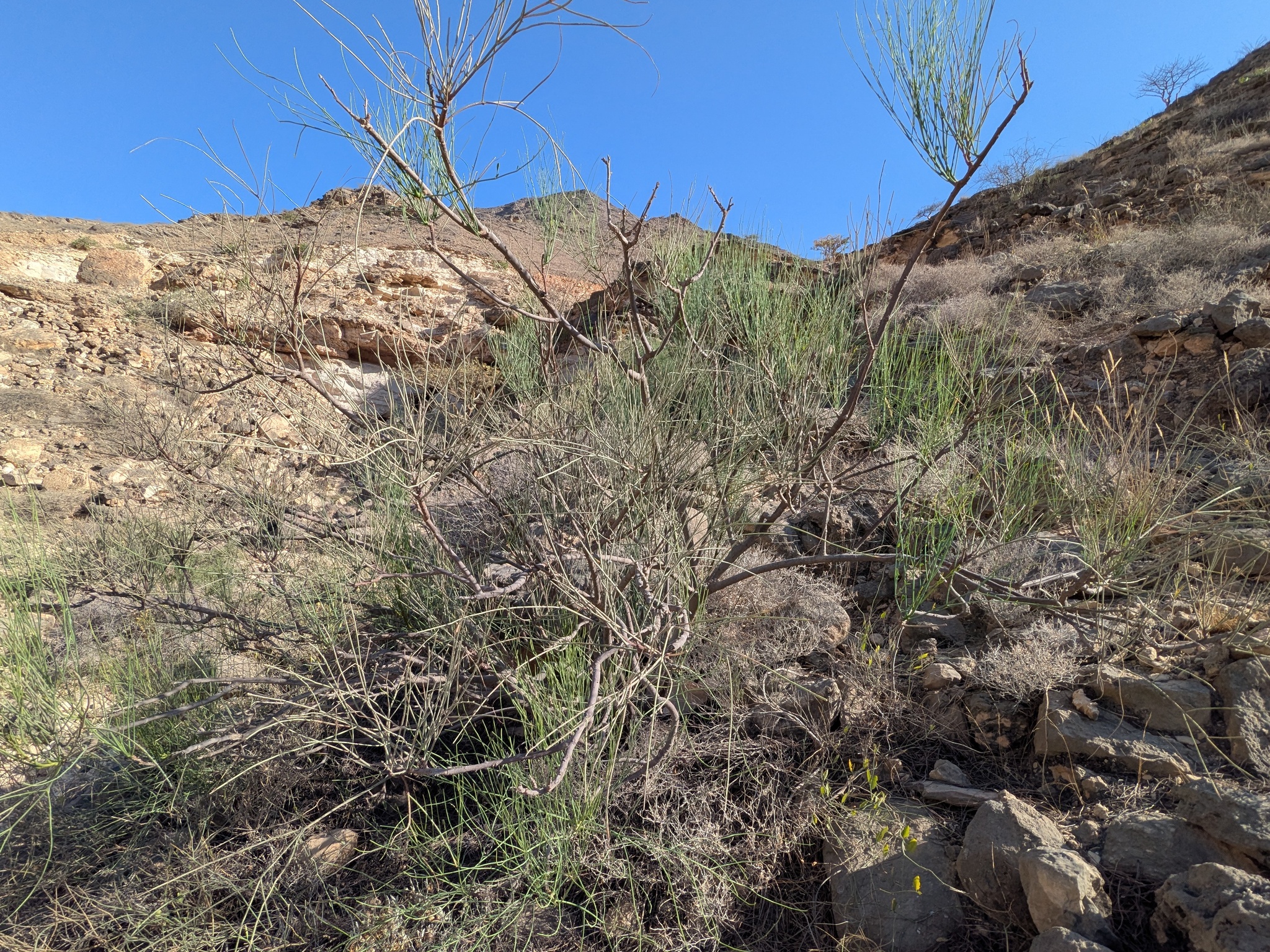
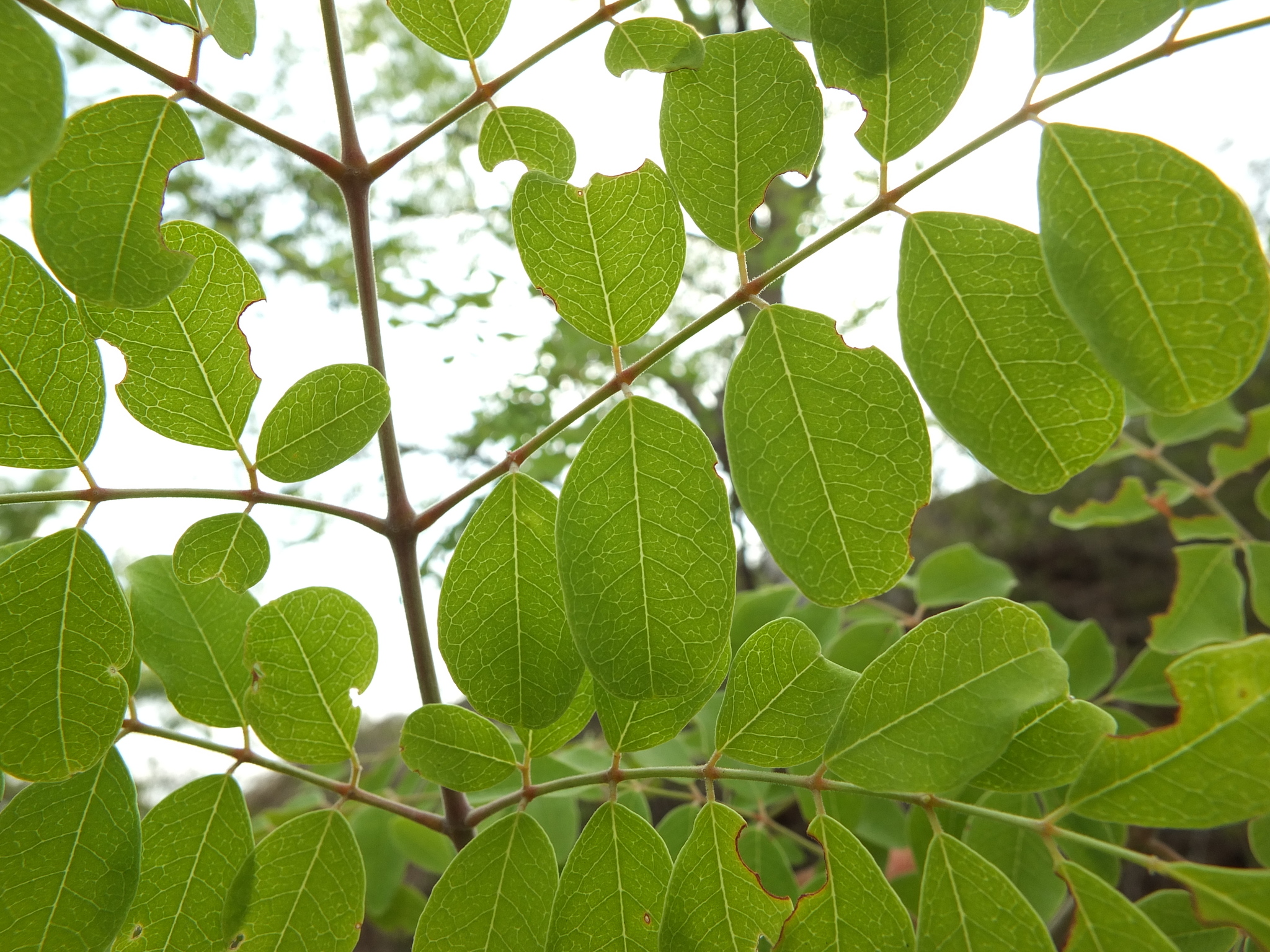
Moringa oleifera, commonly known as the horseradish tree, is a remarkable species of flowering plant in the family Moringaceae. It is a fast-growing, deciduous tree native to the sub-Himalayan tracts of India, Pakistan, Bangladesh, and Sri Lanka. This tree holds significant importance across various cultures and disciplines due to its multifaceted utility. Physically, Moringa oleifera is characterized by its slender, erect trunk, often with a somewhat gnarled appearance as it matures. It typically reaches heights of 5 to 10 meters, though it can occasionally grow taller. The bark is smooth and grayish-white when young, becoming rougher and darker with age. The leaves are compound, pinnately divided, and feathery in appearance, typically measuring 20 to 40 centimeters in length. Each leaflet is small, oval to elliptical, and pale green. The flowers are fragrant, borne in drooping panicles, and are typically white or cream-colored with five unequal petals. They are often produced profusely, especially after periods of drought. The fruit is a long, slender, triangular pod, often referred to as a drumstick, which can grow up to 50 centimeters in length. The pods are green when immature and turn brown and split open when mature, releasing numerous small, winged seeds. The natural habitat of Moringa oleifera includes arid and semi-arid regions, often found on sandy or gravelly soils. It thrives in tropical and subtropical climates with distinct dry seasons. While native to the Indian subcontinent, it has been widely cultivated and naturalized in many tropical and subtropical regions worldwide, including parts of Africa, Southeast Asia, the Caribbean, and South America. It is a highly adaptable species, tolerating a wide range of soil types and conditions, provided there is good drainage. It prefers full sun and is drought-tolerant once established. Moringa oleifera is renowned for its nutritional and medicinal properties. All parts of the plant—leaves, pods, seeds, flowers, and roots—are utilized. The leaves are a rich source of vitamins, minerals, and protein, often consumed as a vegetable or dried and powdered. The immature pods are a popular culinary ingredient, particularly in South Asian cuisine, where they are used in curries and stews. The seeds yield a valuable oil, known as ben oil, which is used in cooking, cosmetics, and lubrication due to its stability and pleasant aroma. Historically and in traditional medicine, various parts of the plant have been employed for a range of ailments, though scientific validation for many of these uses is ongoing. Its rapid growth and adaptability also make it a valuable species for reforestation and agroforestry projects. An interesting characteristic of Moringa oleifera is its ability to regenerate from cuttings, making propagation straightforward. The tree's resilience and its dense foliage also contribute to its role in providing shade and improving soil quality.

Above information is sourced from Wikipedia

Sunlight

High

Watering

Moderate

Soil

Well-drained

Temperature

High

Fertilizer

Moderate

Care Requirements

Light

High

Prefers full sun, at least 6-8 hours of direct sunlight daily.

Watering

Moderate

Allow soil to dry slightly between waterings. Avoid waterlogged conditions.

Soil

Well-drained

Temperature

High

Thrives in warm temperatures, ideally between 20-30°C. Protect from frost.

Fertilizer

Moderate

Feed during growing season, reduce in cooler months.

Plant Overview

Plant Type

Tree

Plant Category

Fruit

Plant Place Type

Garden, Pot

Lifespan

Perennial

Plant Height

3-12 m

Spread

2-5 m

Growth Rate

Fast

Dormancy

None

Leaf Color

Green

Leaf Type

Compound

Flower Size

1-2 cm

Optimal Sunlight Lux

90000

Image Gallery

Flowering & Fruiting Cycles

Monthly activity intensity for bloom and fruit across both hemispheres.

Northern hemisphere

Flowering & fruiting calendar

Peak bloom · JunPeak fruit · Jul
FloweringFruiting
02468JanFebMarAprMayJunJulAugSepOctNovDecActivity intensityMonths88
Southern hemisphere

Flowering & fruiting calendar

Peak bloom · JulPeak fruit · Aug
FloweringFruiting
02468JanFebMarAprMayJunJulAugSepOctNovDecActivity intensityMonths88
Synonyms
Anoma moringa (L.) Lour.
Guilandina moringa L.
Hyperanthera decandra Willd.
Hyperanthera moringa (L.) Vahl
Moringa amara Durin
Moringa domestica Buch.-Ham.
Moringa edulis Medik.
Moringa erecta Salisb.
Moringa nux-eben Desf.
Moringa octogona Stokes
Moringa polygona DC.
Moringa robusta Bojer
Moringa sylvestris Buch.-Ham.
Moringa zeylanica Pers.
Taxonomy
  • kingdomPlantae
  • divisionTracheophyta
  • classMagnoliopsida
  • orderBrassicales
  • familyMoringaceae
  • genusMoringa
  • speciesMoringa oleifera
Toxicity

Toxic for humans

No

Rating: 0/5

Toxic for pets

No

Rating: 0/5

Edible

Yes

None

Additional Care Tips

Water Moringa oleifera deeply when the top 5-10 cm of soil feels dry. Allow soil to dry out slightly between waterings, especially during cooler months. Overwatering can lead to root rot. Reduce watering frequency in winter when growth slows down.

Prune Moringa oleifera regularly to maintain shape, encourage branching, and manage size. Remove any dead, damaged, or crossing branches. Heavy pruning in late winter or early spring stimulates vigorous new growth and fruit production.

Moringa oleifera can be propagated from seeds sown in spring or from stem cuttings taken in spring or summer. Seeds germinate readily in warm, moist conditions. Cuttings root best in well-draining soil with bottom heat.

Repot young Moringa oleifera plants annually or when root-bound, typically in spring. Mature plants may only need repotting every 2-3 years. Use a well-draining potting mix and a slightly larger pot to accommodate root growth.

FAQs

How fast does Moringa oleifera grow?

Moringa oleifera is a very fast-growing tree, often reaching several meters in its first year, especially under favorable conditions.

What are the nutritional benefits of Moringa leaves?

Moringa leaves are exceptionally rich in vitamins (A, C, E, K, B vitamins), minerals (calcium, potassium, iron), protein, and antioxidants. They are considered a potent superfood.

Can Moringa be grown in pots?

Yes, Moringa oleifera can be grown in pots, especially in regions with cold winters, allowing them to be brought indoors during colder months.

How often should Moringa be watered?

Moringa is drought-tolerant once established. Water deeply but infrequently, allowing the soil to dry out between waterings to prevent root rot.

What is the ideal climate for growing Moringa?

Moringa oleifera thrives in tropical and subtropical climates with full sun and well-draining soil. It prefers warm temperatures and is sensitive to frost.