Water
Allow the soil to dry out completely between waterings. Water thoroughly until it drains from the pot. Overwatering can lead to root rot, especially in cooler months.
Reduce watering significantly during winter dormancy to prevent issues.
Also known as Devil's Backbone · Lucky Bells · Maternity Plant
Safety note: This plant may be toxic to humans and pets. See toxicity details.
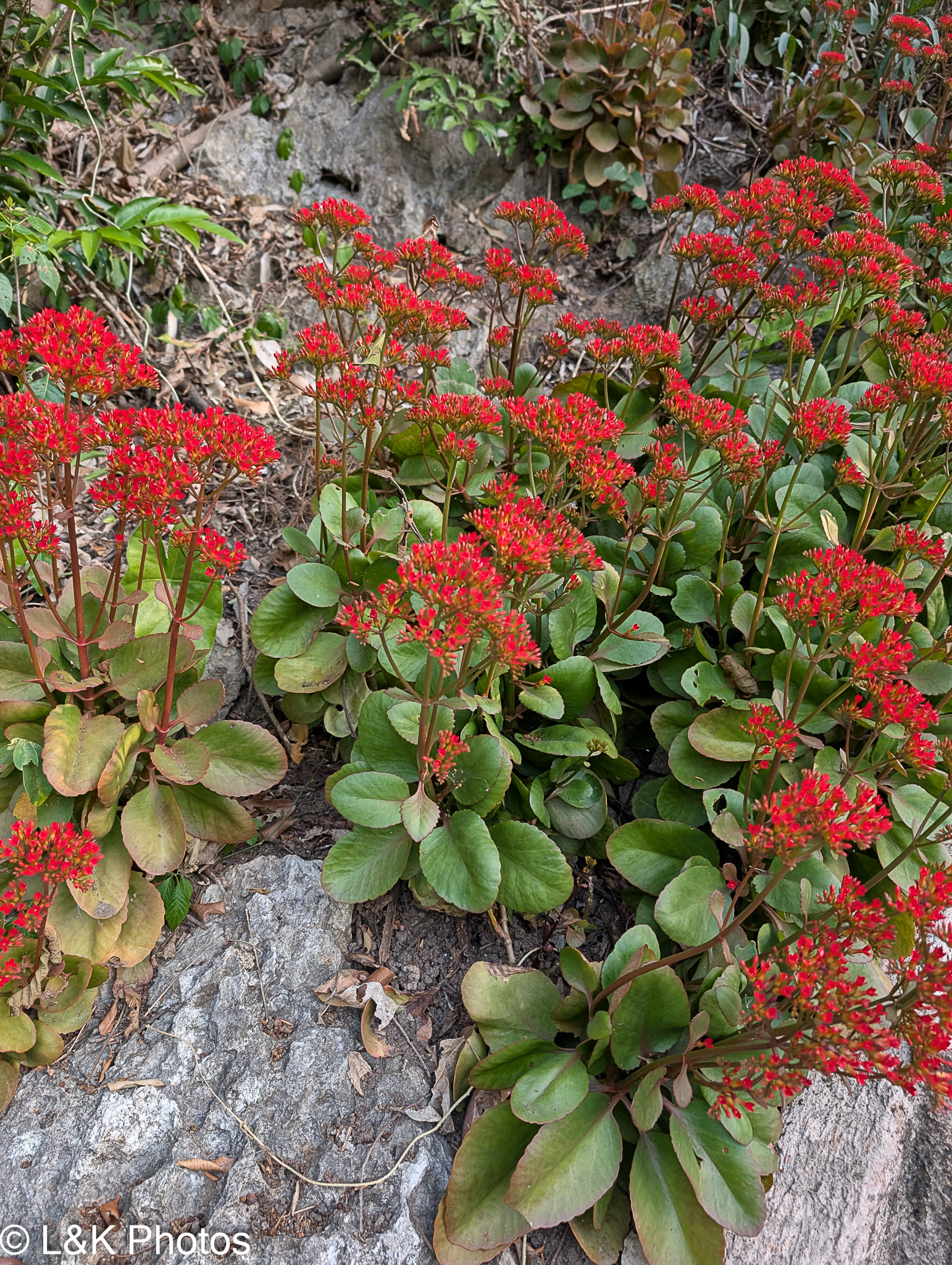
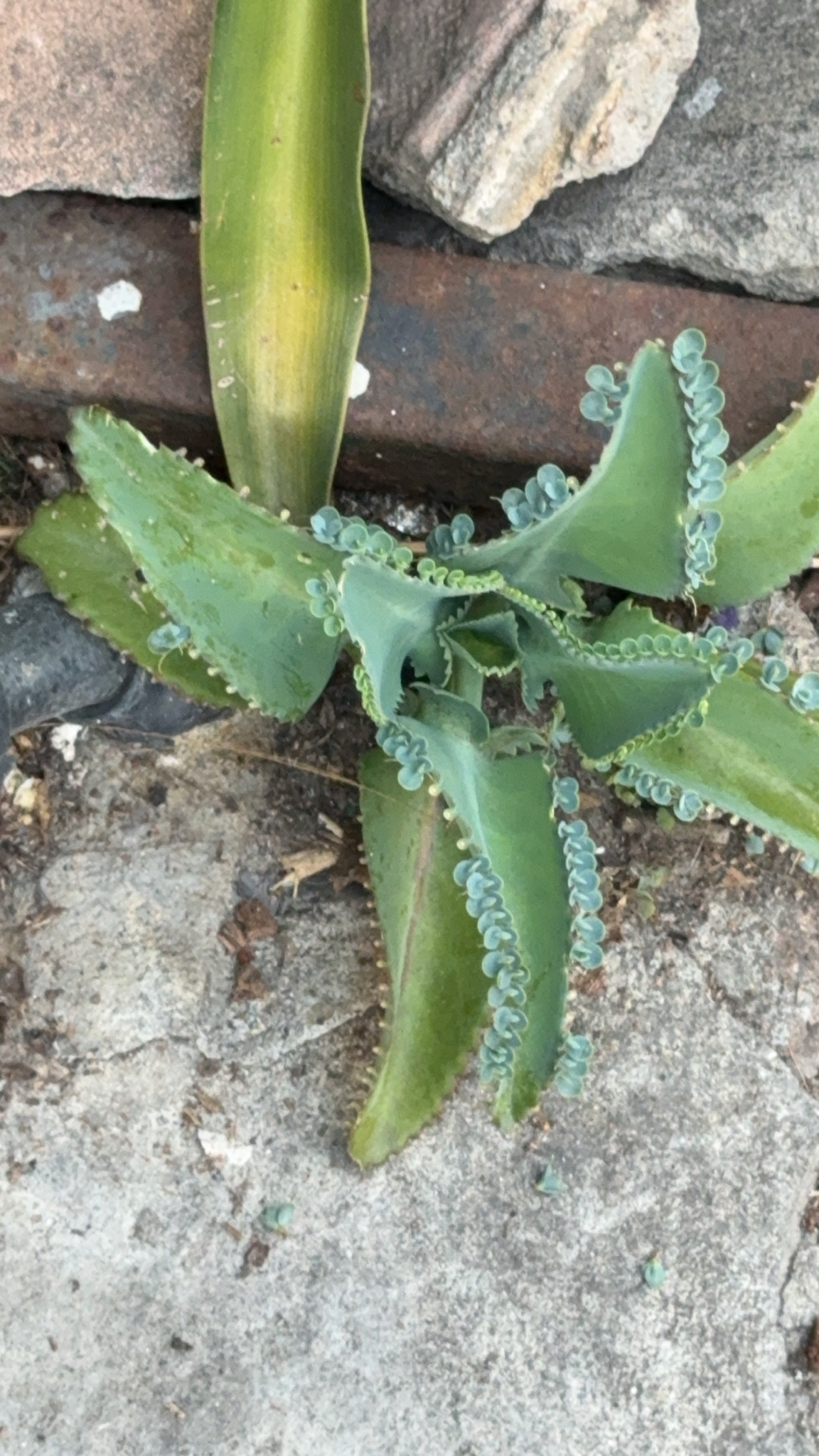
Alligator Plant (Kalanchoe daigremontiana) is a succulent known for its prolific production of plantlets along its leaf margins, making it an easy-to-propagate houseplant
At-a-glance light, water, soil, and growing conditions from plant data
Bright, indirect light
75% intensity
Can tolerate some direct sun, but avoid harsh afternoon sun.
Allow soil to dry between waterings
25% intensity
Water thoroughly when dry, less in winter.
Well-draining succulent or cactus mix.
50% intensity
Average to warm
50% intensity
Prefers temperatures between 18-24°C. Can tolerate slightly cooler in winter.
Indoor, Outdoor
50% intensity
Light feeding
25% intensity
Fertilize sparingly during the growing season only.
Safety information from plant toxicity data
| Attribute | Value |
|---|---|
| Toxic for humans | Yes 3/5 intensity |
| Toxic for pets | Yes 3/5 intensity |
| Edible | No |
Contains bufadienolides, which can cause cardiac glycoside poisoning.
Key traits and growing stats from plant data
Watering, pruning, propagation, and repotting details from plant data
Allow the soil to dry out completely between waterings. Water thoroughly until it drains from the pot. Overwatering can lead to root rot, especially in cooler months.
Reduce watering significantly during winter dormancy to prevent issues.
Prune to maintain shape, remove dead or damaged leaves, and control size. Use clean, sharp shears. Propagation can be done from cuttings or plantlets removed during pruning. Pruning also encourages bushier growth.
Easily propagated from the numerous plantlets (pups) that form along the leaf margins. Simply detach these plantlets and let them callous for a day or two before planting in well-draining soil. They root readily.
Repot every 2-3 years or when the plant becomes root-bound, preferably in spring. Use a cactus or succulent potting mix. Choose a pot that is only slightly larger than the current one to avoid overwatering issues.
Identify plants like this with ePlant AI
Snap a photo to get care tips and match similar species on the go.
Monthly activity intensity for bloom and fruit across both hemispheres.
Flowering & fruiting calendar
Flowering & fruiting calendar
Photos of Alligator Plant (Kalanchoe daigremontiana)
Where Alligator Plant (Kalanchoe daigremontiana) is found

Density
Tap map to explore
Common names and botanical synonyms
Botanical classification
| Rank | Name |
|---|---|
| Kingdom | Plantae |
| Division | Tracheophyta |
| Class | Magnoliopsida |
| Order | Saxifragales |
| Family | Crassulaceae |
| Genus | Kalanchoe |
| Species | Kalanchoe daigremontiana |
Similar in genus Kalanchoe
Answers based on plant encyclopedia data