Water
Muscadines are relatively drought-tolerant once established. Water deeply and consistently, especially during dry spells and fruit development. Aim for moist, but not waterlogged, soil.
Reduce watering in late fall to encourage dormancy.
Also known as American Muscadine · Ampelopsis · Bullace Grape
Muscadine (Vitis rotundifolia) is a vigorous native grape species from the southeastern United States, known for its disease resistance and unique flavor.
At-a-glance light, water, soil, and growing conditions from plant data
Full Sun
100% intensity
Requires at least 6-8 hours of direct sunlight daily for optimal growth and fruit production.
Moderate
50% intensity
Water deeply and consistently, especially during fruiting. Allow soil to dry slightly between waterings.
Well-drained
50% intensity
Moderate to High
75% intensity
Prefers warm to hot temperatures for growth and fruiting. Tolerant of heat but requires winter dormancy.
Moderate
50% intensity
Fertilize in early spring with a balanced fertilizer. Avoid excessive nitrogen.
Safety information from plant toxicity data
| Attribute | Value |
|---|---|
| Toxic for humans | No 0/5 intensity |
| Toxic for pets | No 0/5 intensity |
| Edible | Yes |
Non-toxic
Key traits and growing stats from plant data
Watering, pruning, propagation, and repotting details from plant data
Muscadines are relatively drought-tolerant once established. Water deeply and consistently, especially during dry spells and fruit development. Aim for moist, but not waterlogged, soil.
Reduce watering in late fall to encourage dormancy.
Prune heavily in late winter while dormant. Remove old, unproductive wood, thinning out canes to allow sunlight penetration and air circulation. Aim to retain the strongest, most vigorous one-year-old canes for fruiting.
Muscadines are typically propagated by cuttings taken from semi-hardwood in summer or hardwood cuttings in winter. Layering is also effective. Grafting is used for specific cultivars or rootstock.
Repotting is generally not applicable to Vitis rotundifolia as it is a perennial vine typically grown in the ground or large containers. For container-grown plants, repotting might be needed every 2-3 years into a larger container with fresh potting mix.
Identify plants like this with ePlant AI
Snap a photo to get care tips and match similar species on the go.
Monthly activity intensity for bloom and fruit across both hemispheres.
Flowering & fruiting calendar
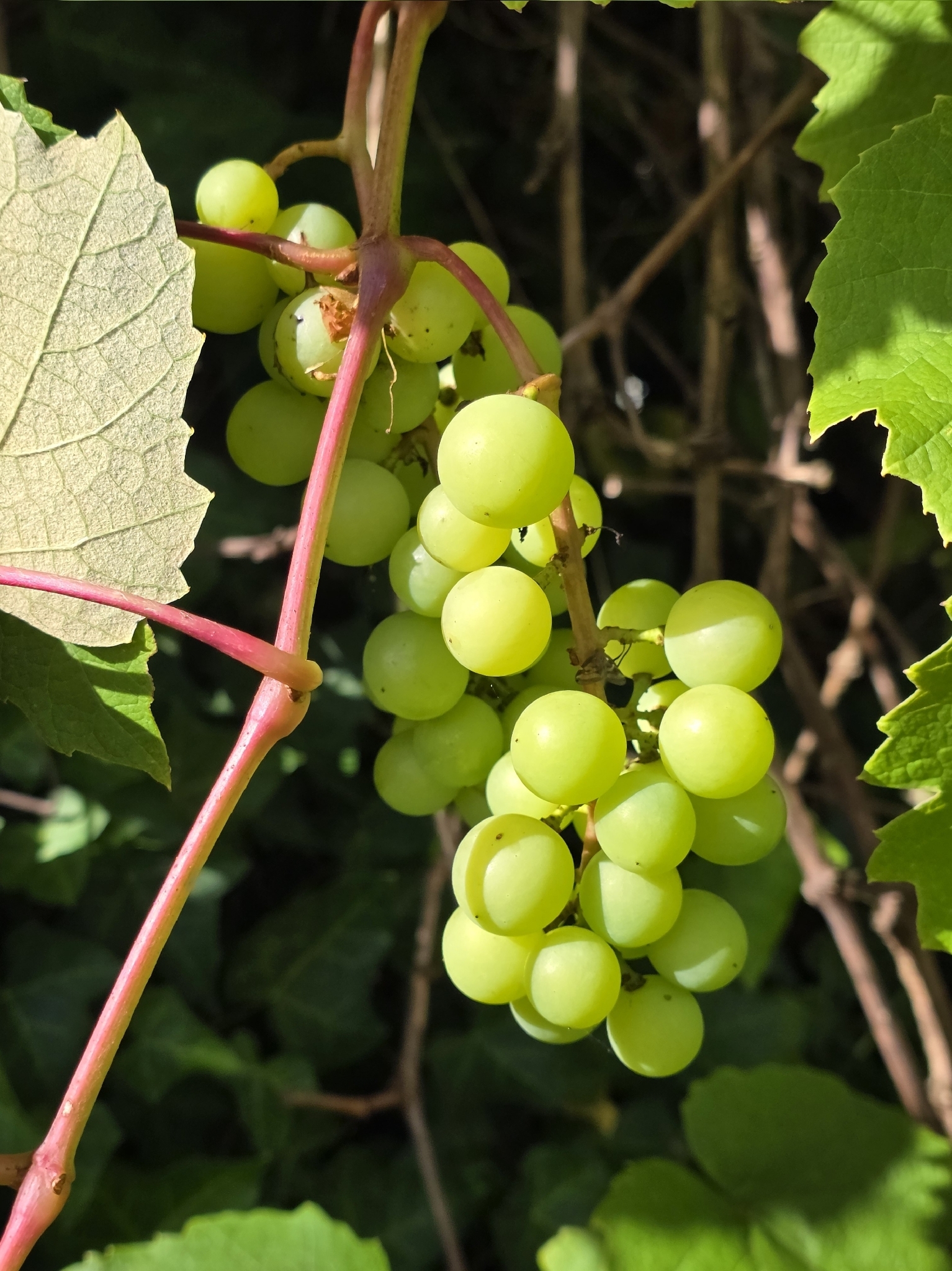
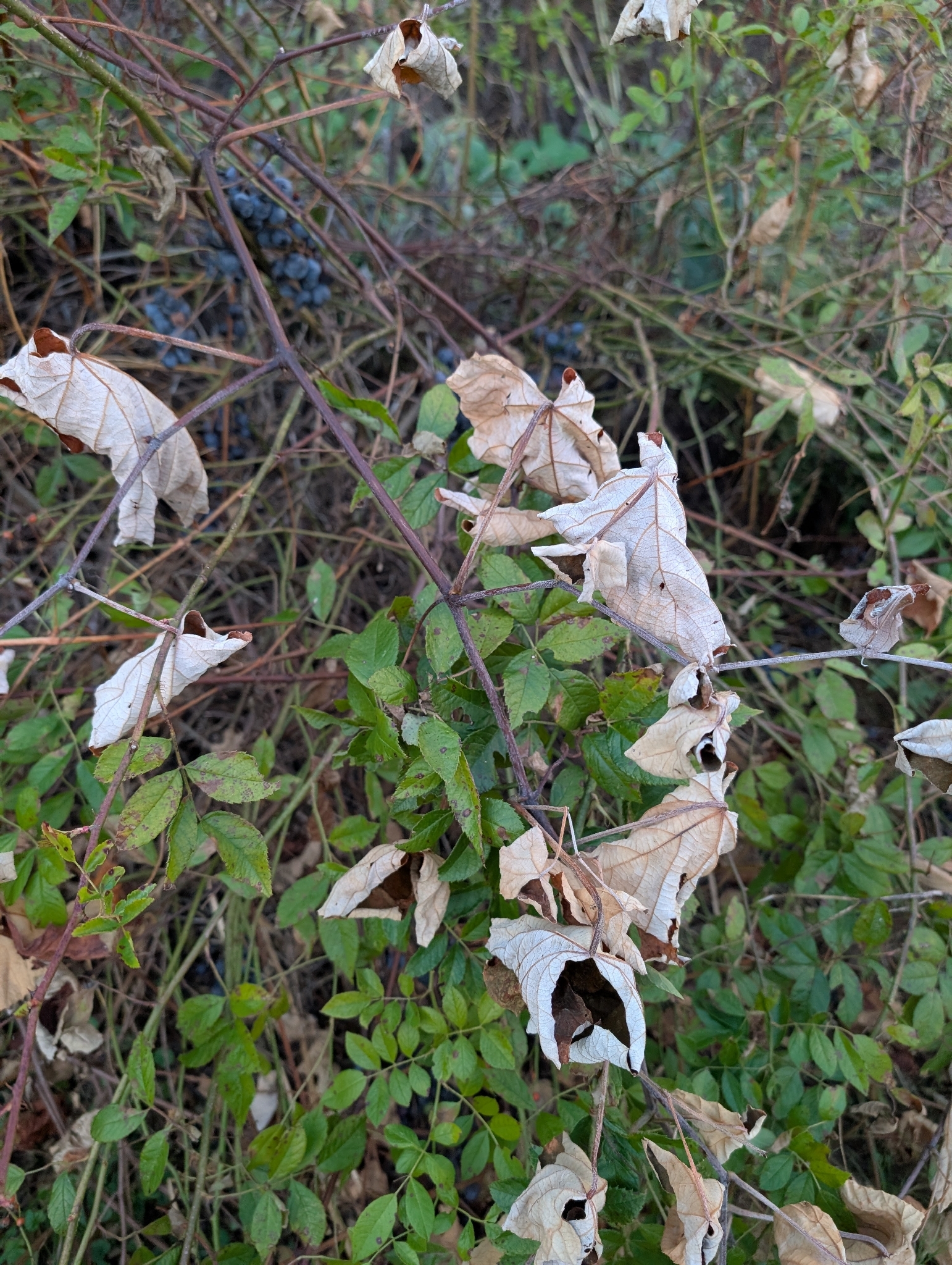
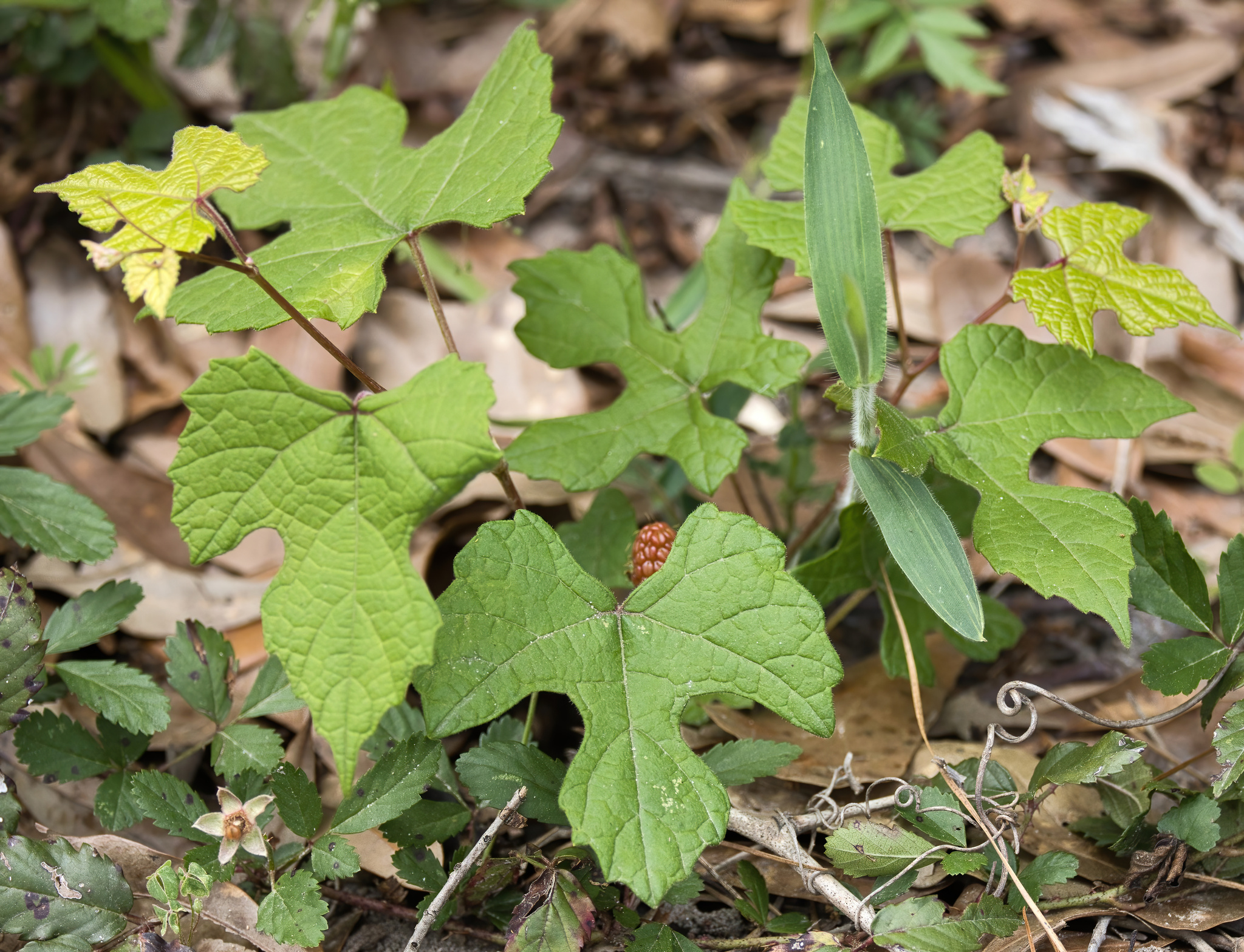
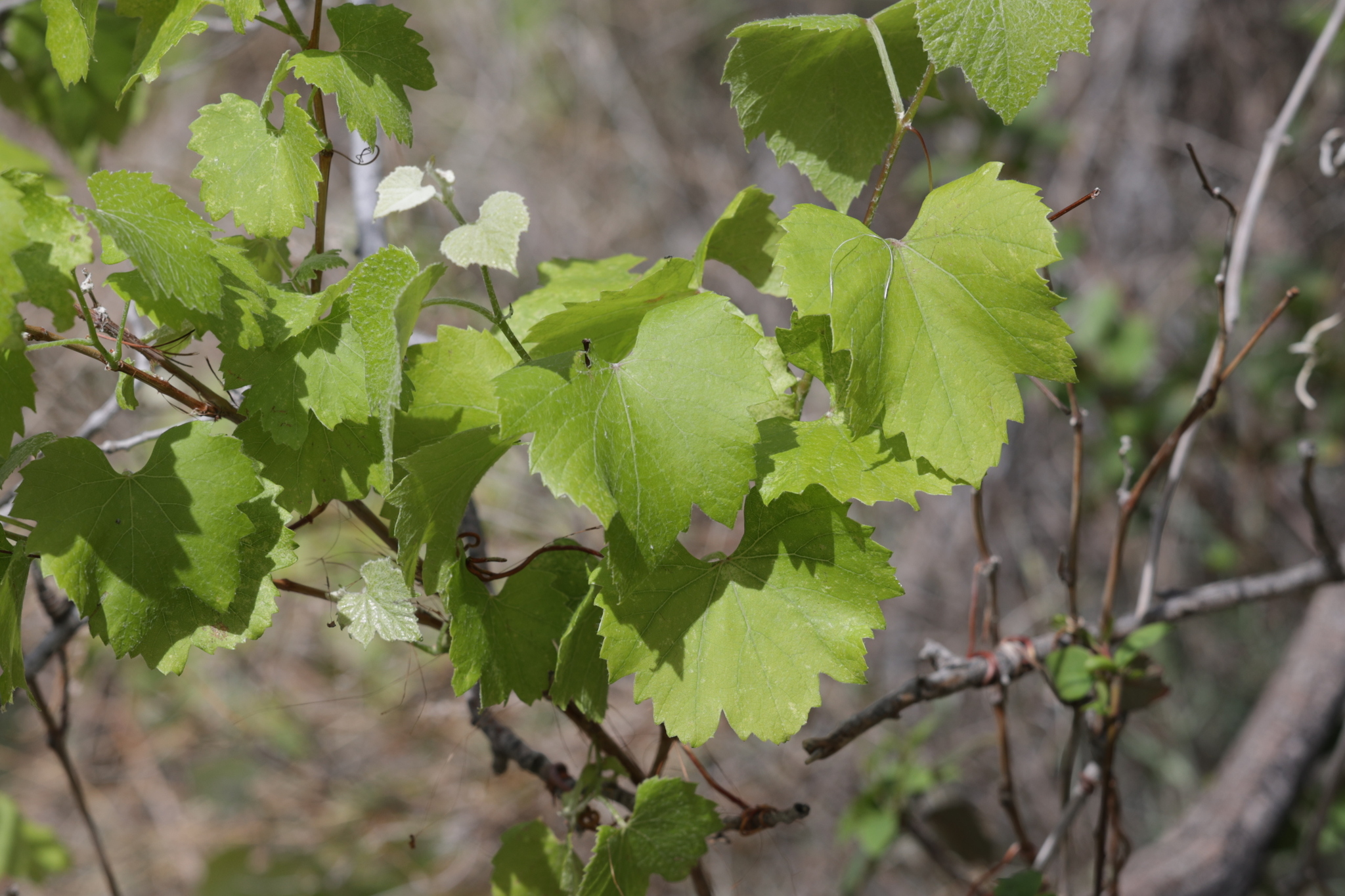
Photos of Muscadine (Vitis rotundifolia)
Where Muscadine (Vitis rotundifolia) is found

Density
Tap map to explore
Common names and botanical synonyms
Botanical classification
| Rank | Name |
|---|---|
| Kingdom | Plantae |
| Division | Tracheophyta |
| Class | Magnoliopsida |
| Order | Vitales |
| Family | Vitaceae |
| Genus | Vitis |
| Species | Vitis rotundifolia |
Similar in genus Vitis
Answers based on plant encyclopedia data