Water
Water regularly during the growing season, especially when the soil is dry to the touch. Reduce watering significantly after flowering and during dormancy to prevent bulb rot.
Ensure good drainage to avoid waterlogged conditions.
Safety note: This plant may be toxic to humans and pets. See toxicity details.
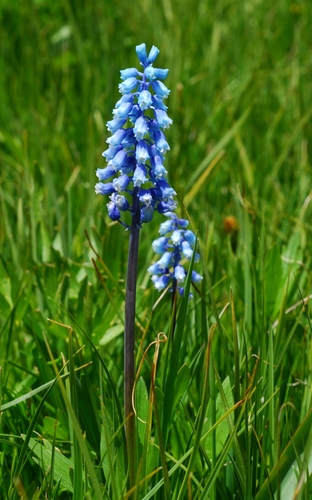
Muscari pulchellum, a charming bulbous perennial, showcases spikes of small, bell-shaped, vibrant blue flowers, ideal for early spring gardens.
At-a-glance light, water, soil, and growing conditions from plant data
Full Sun to Partial Shade
75% intensity
Prefers full sun for best flowering but tolerates partial shade, especially in hotter climates.
Moderate
50% intensity
Water well during active growth, but allow soil to dry slightly between waterings. Reduce watering during dormancy.
Well-drained
50% intensity
Moderate
50% intensity
Prefers cool to moderate temperatures during the growing season. Requires a cold dormancy period for reliable reblooming.
Outdoor
50% intensity
Low
25% intensity
Light feeding in early spring is sufficient. Over-fertilizing can be detrimental.
Safety information from plant toxicity data
| Attribute | Value |
|---|---|
| Toxic for humans | Yes 2/5 intensity |
| Toxic for pets | Yes 2/5 intensity |
| Edible | No |
Bulbs are toxic if ingested.
Key traits and growing stats from plant data
Watering, pruning, propagation, and repotting details from plant data
Water regularly during the growing season, especially when the soil is dry to the touch. Reduce watering significantly after flowering and during dormancy to prevent bulb rot.
Ensure good drainage to avoid waterlogged conditions.
Remove spent flower stalks after blooming to prevent seed formation and direct energy back into the bulb. Allow the foliage to die back naturally; do not cut it until it has turned yellow and withered, as it nourishes the bulb for the next season.
Propagate by dividing overcrowded clumps of bulbs in late summer or early autumn when dormant. Offsets can be carefully separated and replanted. Seeds can be sown in autumn, but flowering may take several years.
Repotting is generally not required annually for established clumps. If bulbs become overcrowded or flowering diminishes, consider dividing and repotting in late summer or early autumn. Use a well-draining potting mix.
Identify plants like this with ePlant AI
Snap a photo to get care tips and match similar species on the go.
Monthly activity intensity for bloom and fruit across both hemispheres.
Flowering & fruiting calendar
Flowering & fruiting calendar
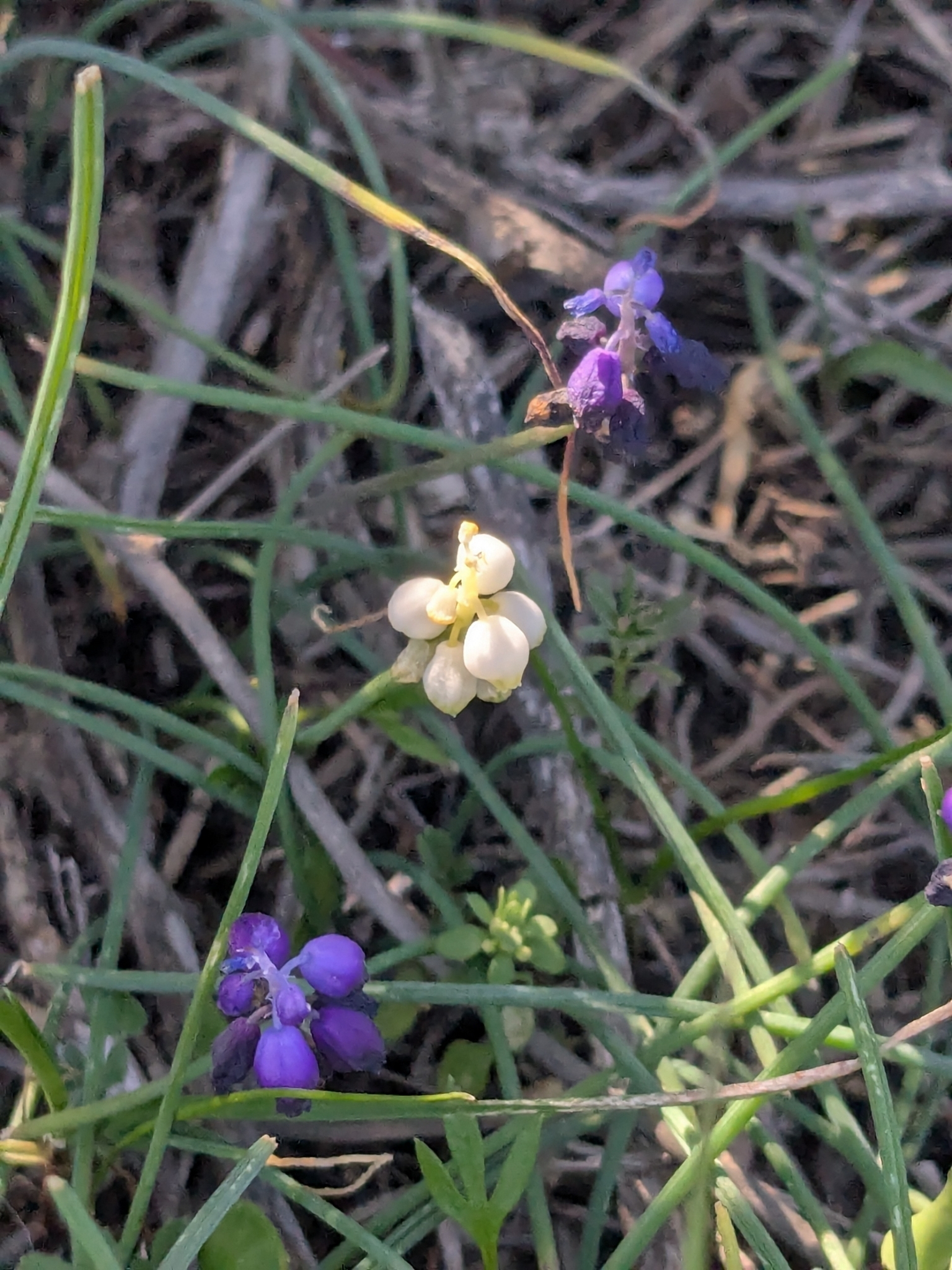
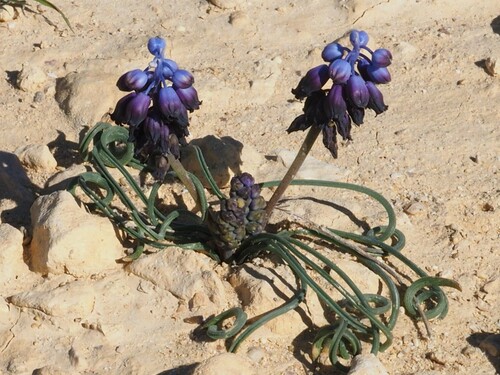
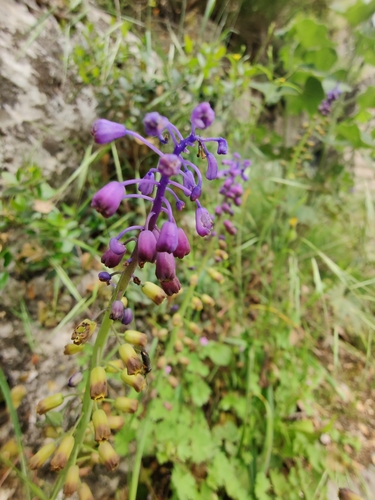
Photos of Muscari Pulchellum (Muscari pulchellum)
Common names and botanical synonyms
Botanical classification
| Rank | Name |
|---|---|
| Kingdom | Plantae |
| Division | Tracheophyta |
| Class | Liliopsida |
| Order | Asparagales |
| Family | Asparagaceae |
| Genus | Muscari |
| Species | Muscari pulchellum |
Similar in genus Muscari
Answers based on plant encyclopedia data