Water
Keep the soil consistently moist, especially during the active growing season. Allow the top inch of soil to dry out slightly between waterings.
Reduce watering in the fall and winter as the plant enters dormancy to prevent root rot.
Also known as Bastard Toadflax · Blue-Eyed Grass · Blue-Eyed-Grass
Narrowleaf Blue-Eyed Grass (Sisyrinchium angustifolium) offers delicate starry blue to purple flowers on grassy foliage. It's a low-maintenance perennial ideal for border
At-a-glance light, water, soil, and growing conditions from plant data
Full Sun to Partial Shade
75% intensity
Thrives in full sun but will also perform well in partial shade, especially in hotter climates.
Moderate
50% intensity
Prefers consistently moist soil but can tolerate brief dry periods.
Well-drained, moist
50% intensity
Hardy
25% intensity
Tolerates a wide range of temperatures, generally hardy in USDA zones 3-8.
Outdoor
50% intensity
Low
25% intensity
Does not require heavy feeding; a light feed in spring is often sufficient.
Safety information from plant toxicity data
| Attribute | Value |
|---|---|
| Toxic for humans | No 0/5 intensity |
| Toxic for pets | No 0/5 intensity |
Non-toxic
Key traits and growing stats from plant data
Watering, pruning, propagation, and repotting details from plant data
Keep the soil consistently moist, especially during the active growing season. Allow the top inch of soil to dry out slightly between waterings.
Reduce watering in the fall and winter as the plant enters dormancy to prevent root rot.
Deadhead spent flowers to encourage more blooms and maintain a tidy appearance. After flowering, you can cut back the foliage to about 2-3 inches from the ground to promote new growth and improve overwintering.
Remove any dead or damaged leaves as needed.
Propagate by dividing established clumps in early spring or fall. Sow seeds indoors in late winter or sow directly outdoors in fall or early spring. Division is the most common and reliable method for home gardeners.
Repotting is typically done when the plant becomes overcrowded, usually every 2-3 years. The best time is in early spring before new growth begins or in early fall.
Use well-draining potting mix and a pot that is only slightly larger than the current root ball.
Identify plants like this with ePlant AI
Snap a photo to get care tips and match similar species on the go.
Monthly activity intensity for bloom and fruit across both hemispheres.
Flowering & fruiting calendar
Flowering & fruiting calendar
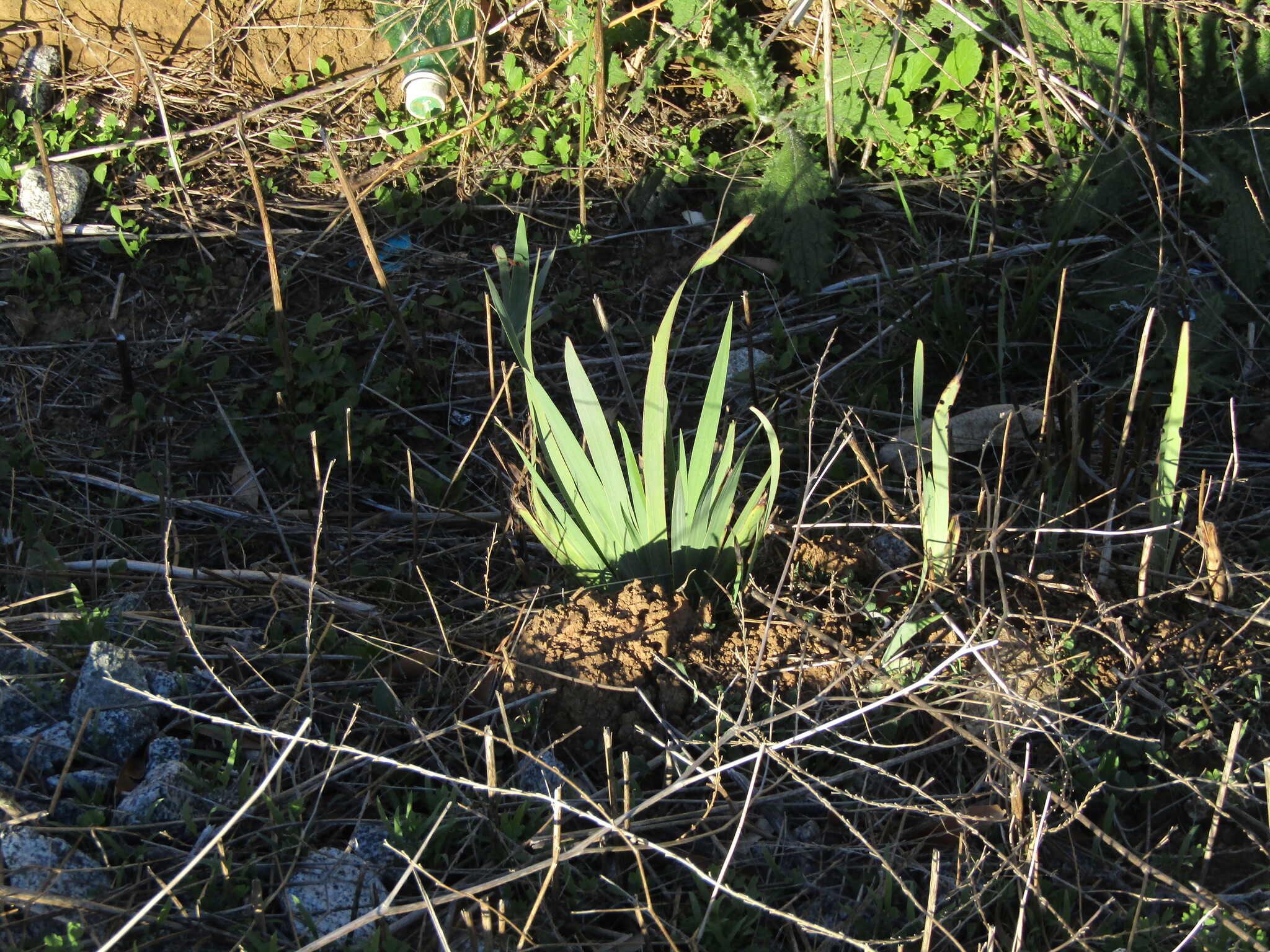
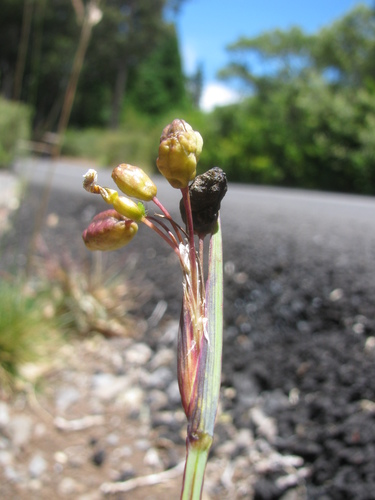
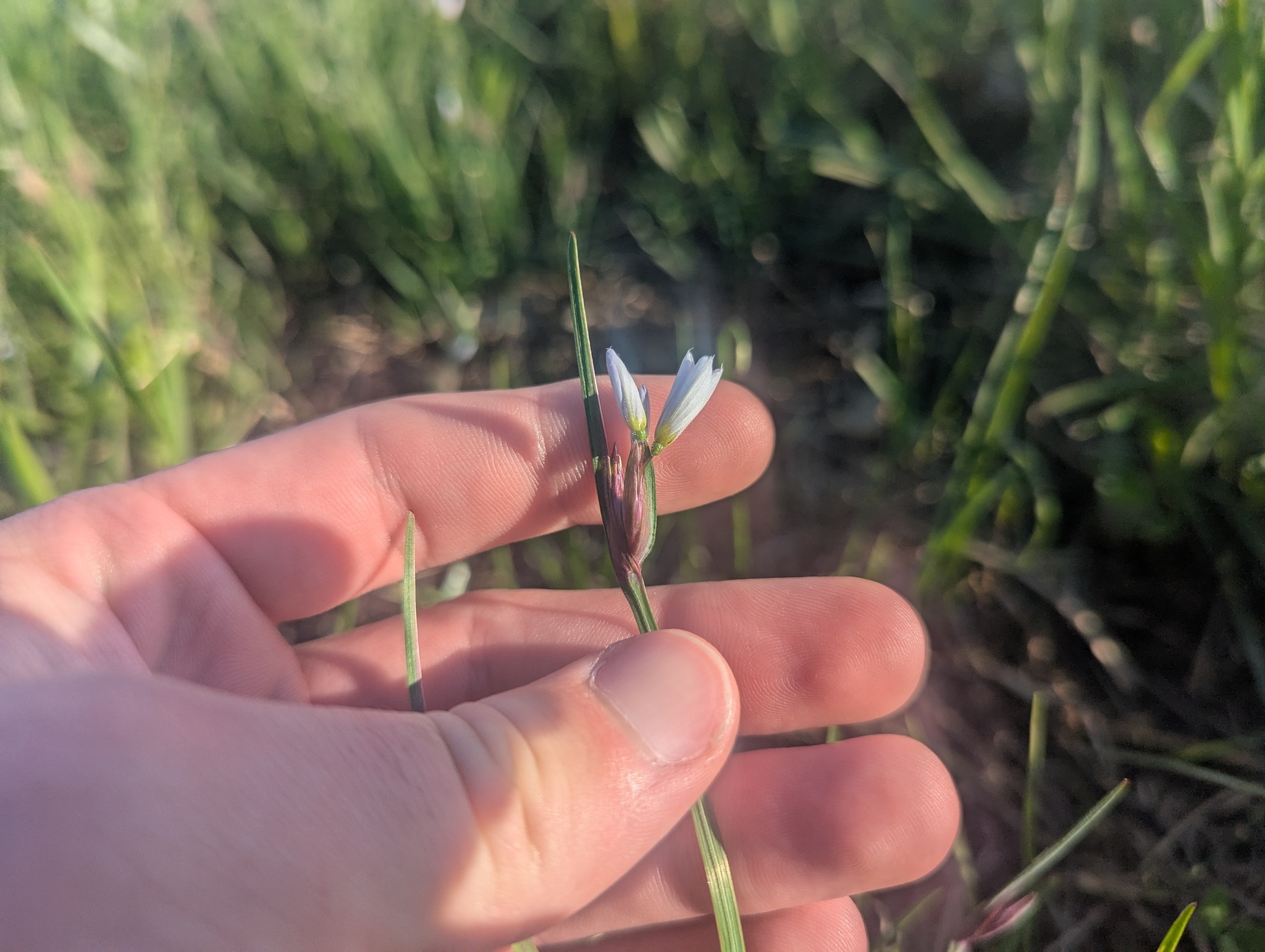
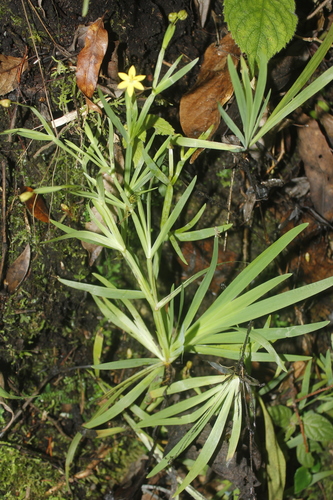
Photos of Narrowleaf Blue-Eyed Grass (Sisyrinchium angustifolium)
Where Narrowleaf Blue-Eyed Grass (Sisyrinchium angustifolium) is found

Density
Tap map to explore
Common names and botanical synonyms
Botanical classification
| Rank | Name |
|---|---|
| Kingdom | Plantae |
| Division | Tracheophyta |
| Class | Liliopsida |
| Order | Asparagales |
| Family | Iridaceae |
| Genus | Sisyrinchium |
| Species | Sisyrinchium angustifolium |
Similar in genus Sisyrinchium
Answers based on plant encyclopedia data