Water
Water thoroughly when the top 2-3 cm of soil feels dry. Reduce watering significantly during the dormant period in winter, allowing the soil to dry out more between waterings.
Avoid waterlogging, which can lead to bulb rot.
Also known as Netted Veined Amaryllis · Netted-Veined Amaryllis
Safety note: This plant may be toxic to humans and pets. See toxicity details.
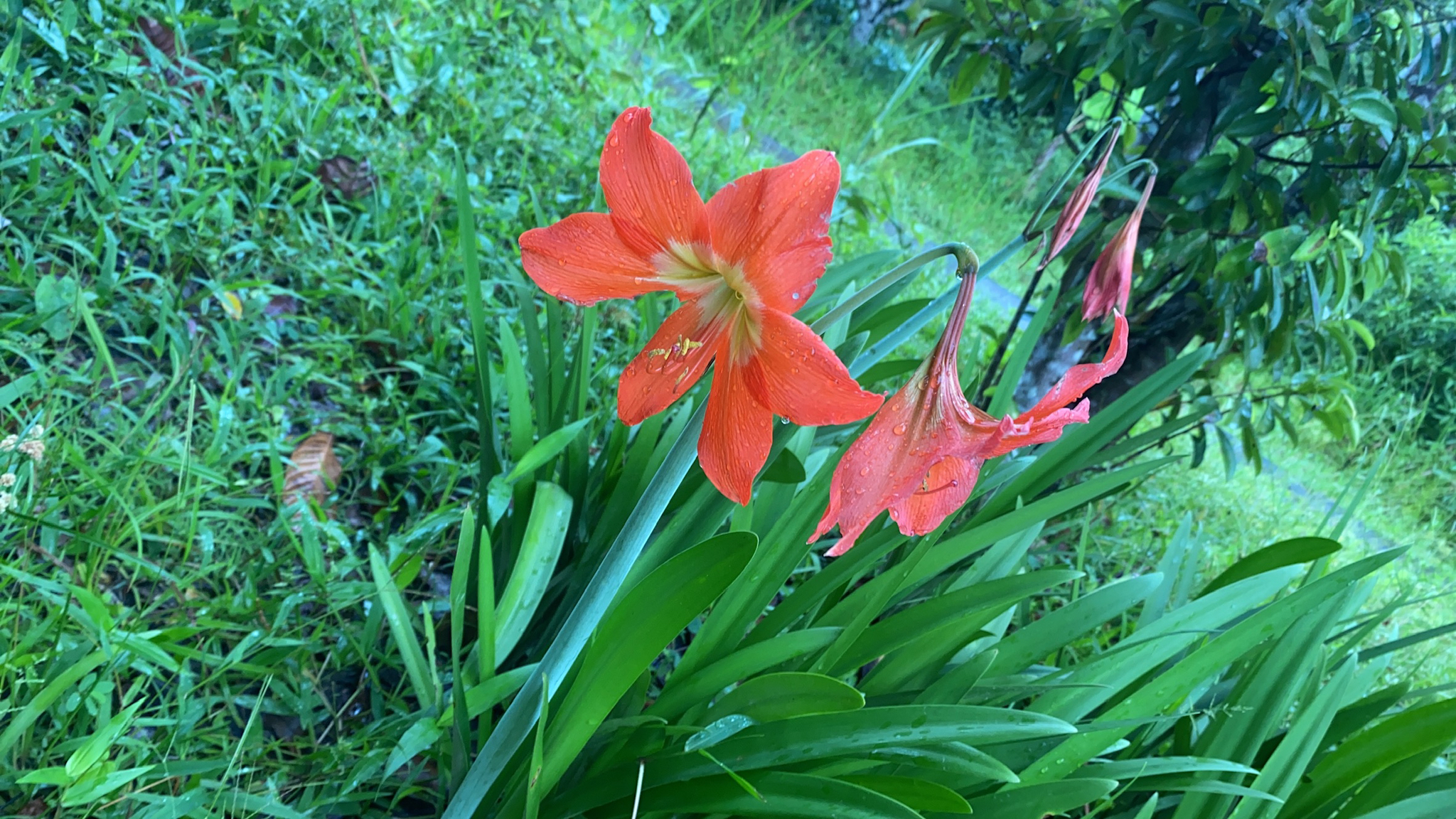
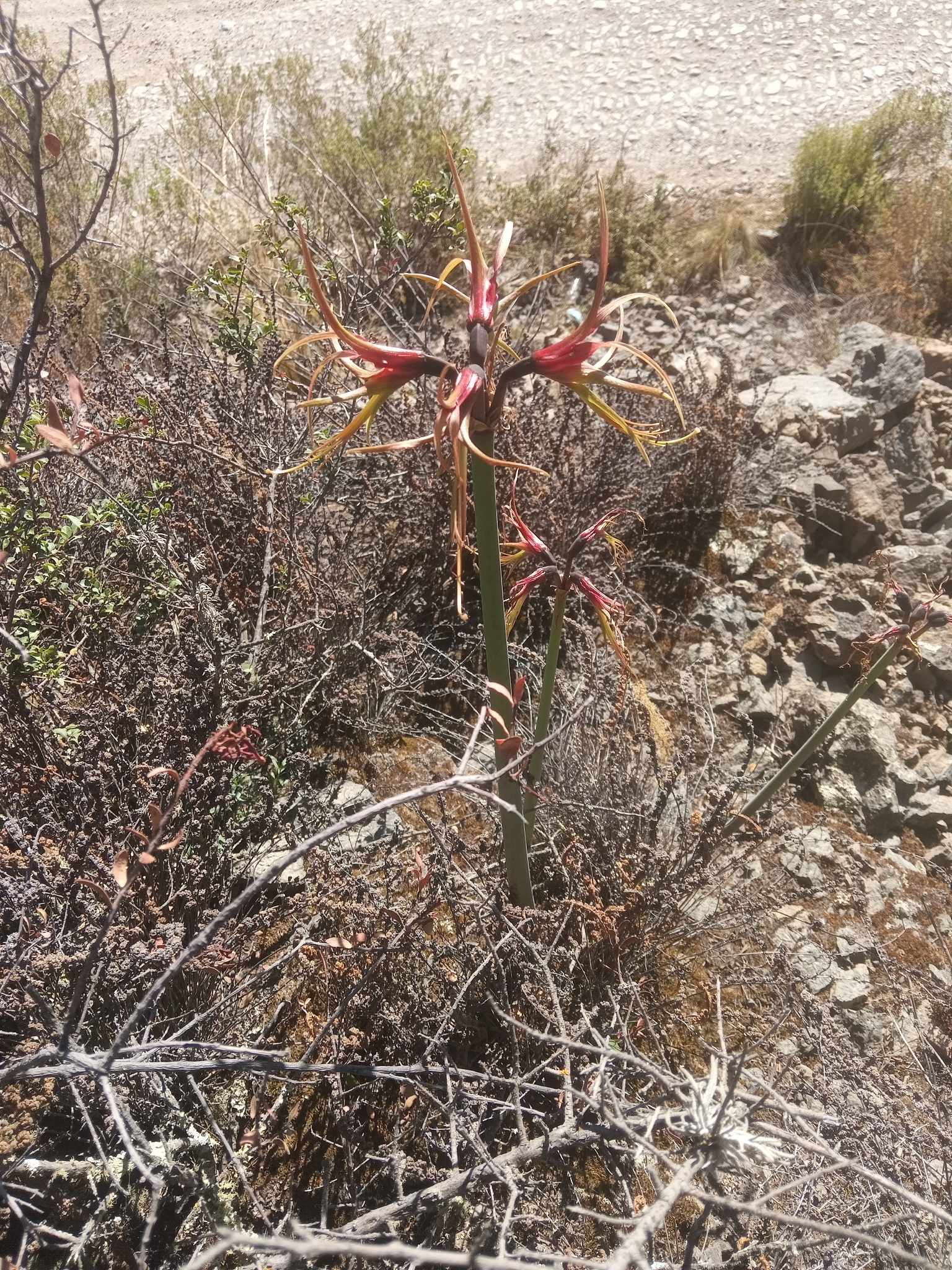
Hippeastrum reticulatum is a South American amaryllis species known for its elegant flowers with striking reticulated patterns.
At-a-glance light, water, soil, and growing conditions from plant data
Bright
75% intensity
Prefers bright, indirect light. Direct sun can scorch leaves.
Moderate
50% intensity
Allow soil to dry slightly between waterings. Reduce significantly during dormancy.
Well-draining potting mix
50% intensity
Moderate
50% intensity
Ideal temperatures are 18-24°C during growth, with cooler (10-15°C) conditions needed for dormancy.
Indoor, Outdoor
50% intensity
Moderate
50% intensity
Fertilize during the growing season with a balanced liquid feed.
Safety information from plant toxicity data
| Attribute | Value |
|---|---|
| Toxic for humans | Yes 3/5 intensity |
| Toxic for pets | Yes 3/5 intensity |
| Edible | No |
Bulbs are toxic
Key traits and growing stats from plant data
Watering, pruning, propagation, and repotting details from plant data
Water thoroughly when the top 2-3 cm of soil feels dry. Reduce watering significantly during the dormant period in winter, allowing the soil to dry out more between waterings.
Avoid waterlogging, which can lead to bulb rot.
Remove spent flower stalks at the base to direct energy back into the bulb. Trim any yellow or dead foliage once it naturally dies back after flowering.
This promotes bulb health and preparation for the next blooming cycle.
Propagate by separating offsets or bulbils that grow around the mother bulb during repotting. Plant these smaller bulbs in well-draining soil and treat them as mature plants, though they may take a year or two to flower.
Repot every 2-3 years or when the bulb outgrows its container, typically after flowering. Use a well-draining potting mix. Plant the bulb so that the top 1/3 to 1/2 is exposed above the soil surface.
Identify plants like this with ePlant AI
Snap a photo to get care tips and match similar species on the go.
Monthly activity intensity for bloom and fruit across both hemispheres.
Flowering & fruiting calendar
Flowering & fruiting calendar
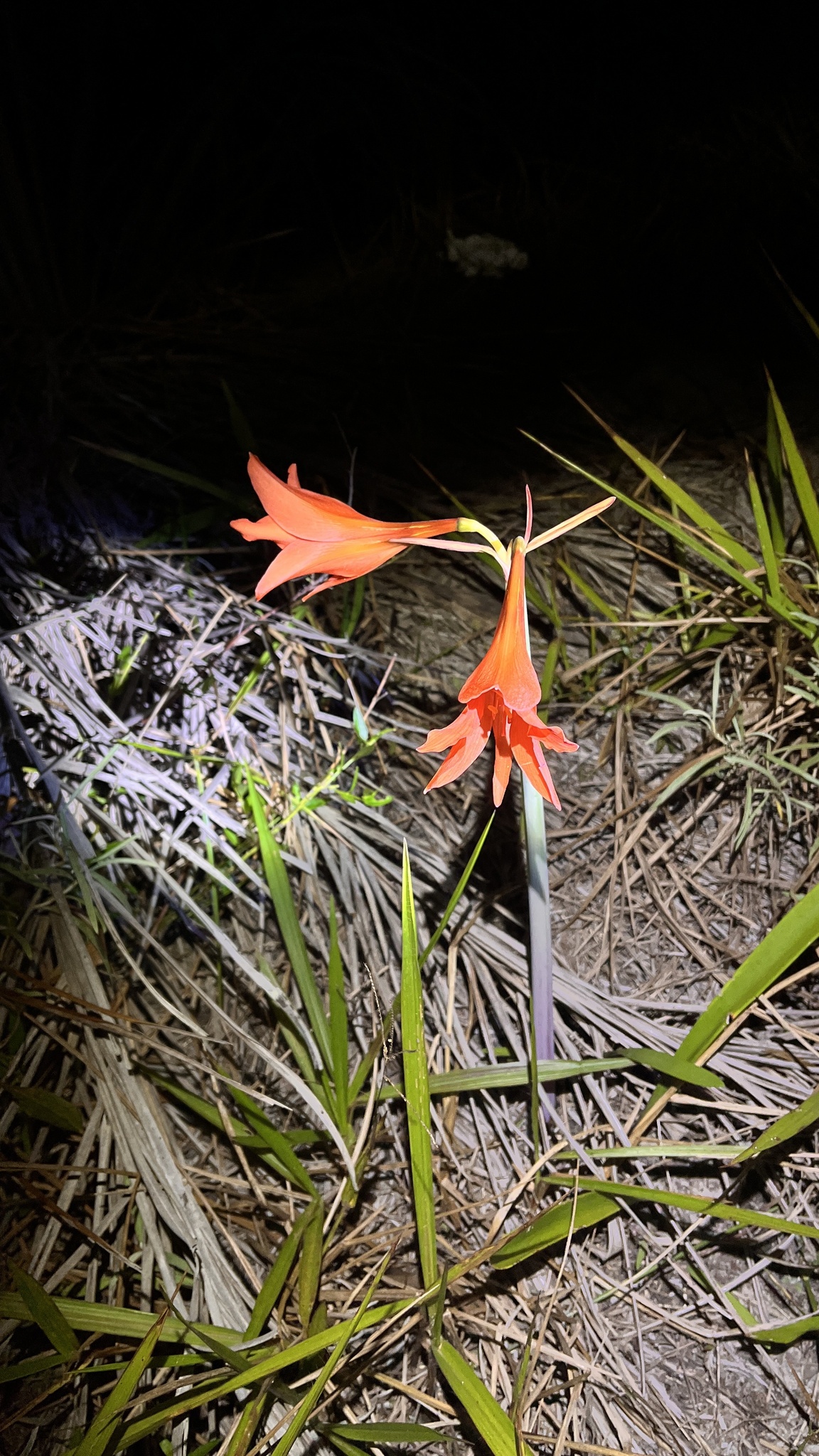
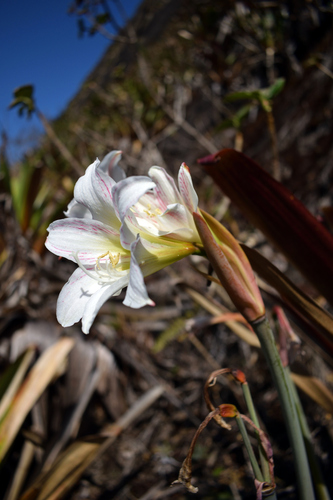
Photos of Hippeastrum Reticulatum (Hippeastrum reticulatum)
Where Hippeastrum Reticulatum (Hippeastrum reticulatum) is found

Density
Tap map to explore
Common names and botanical synonyms
Botanical classification
| Rank | Name |
|---|---|
| Kingdom | Plantae |
| Division | Tracheophyta |
| Class | Liliopsida |
| Order | Asparagales |
| Family | Amaryllidaceae |
| Genus | Hippeastrum |
| Species | Hippeastrum reticulatum |
Similar in genus Hippeastrum
Answers based on plant encyclopedia data