Skip to plant details

Squarestem ButterflybushBuddleja saligna

Also known as False Olive · Olive Buddleja · Square-Stem Butterfly-Bush

  • Category: Ornamental
  • Type: Shrub, Tree
  • Sunlight: Full Sun
  • Water: Moderate
  • Temperature: Moderate

Buddleja saligna is a fast-growing, ornamental shrub or small tree native to southern Africa, known for its fragrant, cream-colored flowers and adaptability.

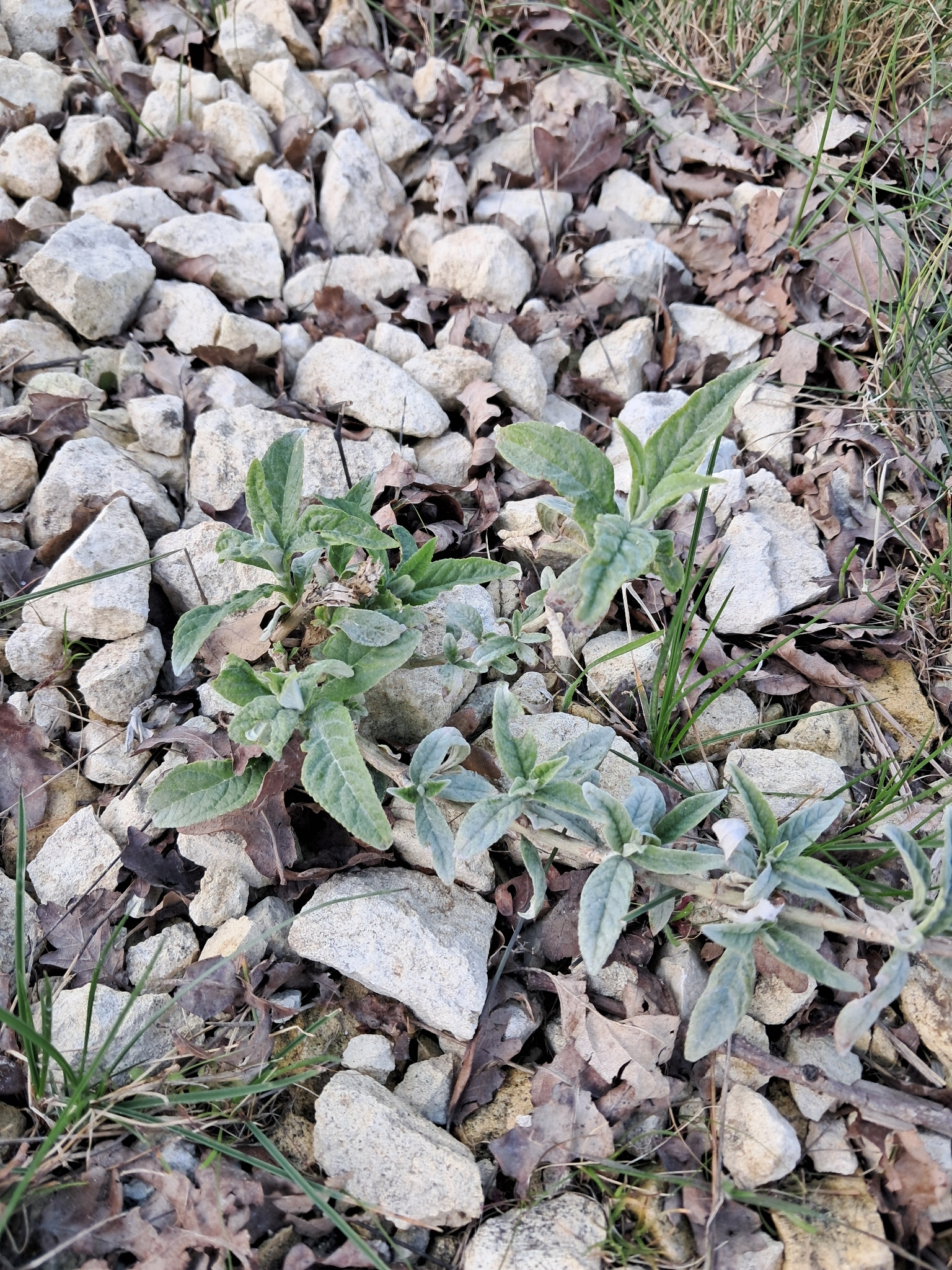
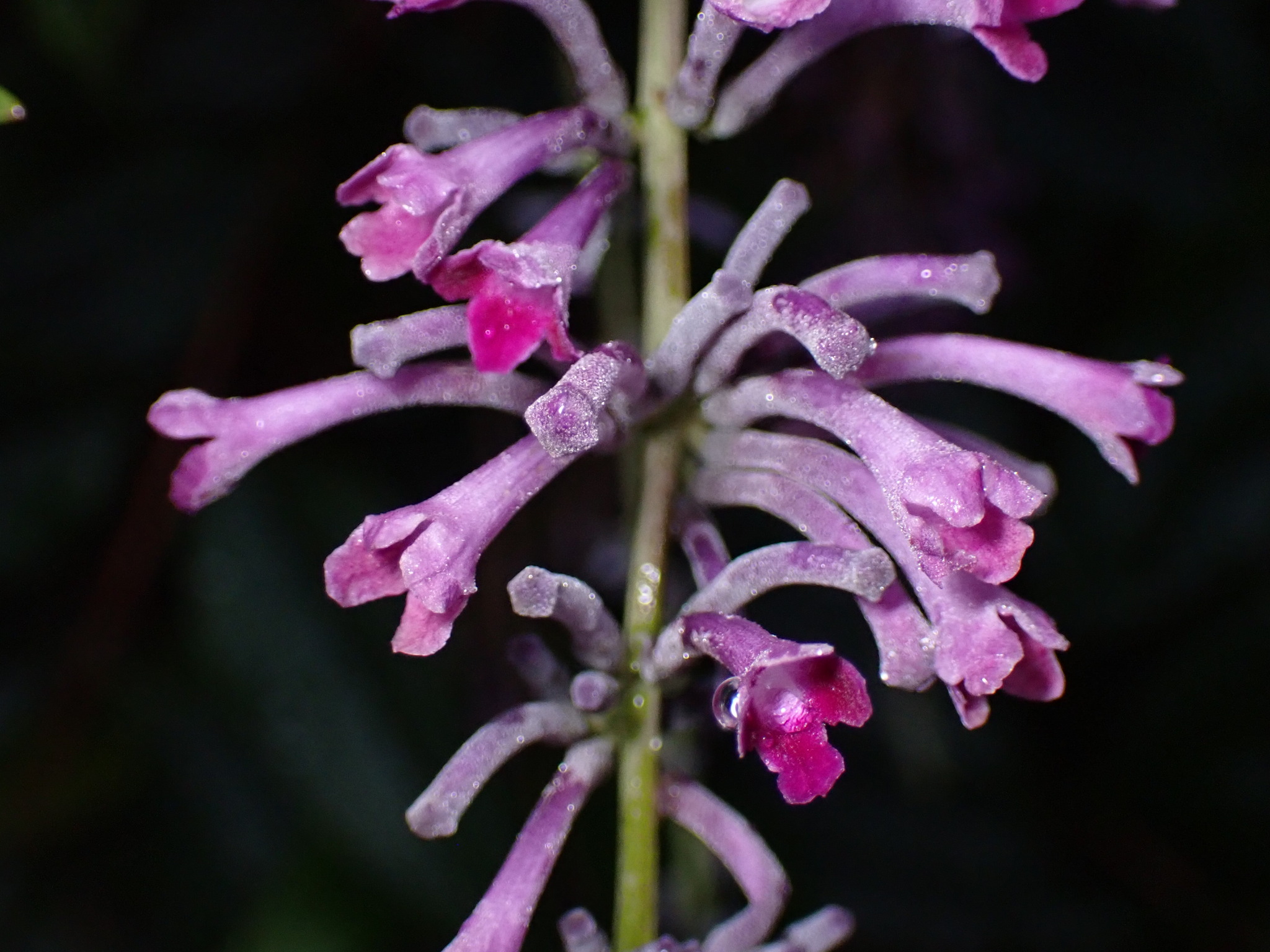
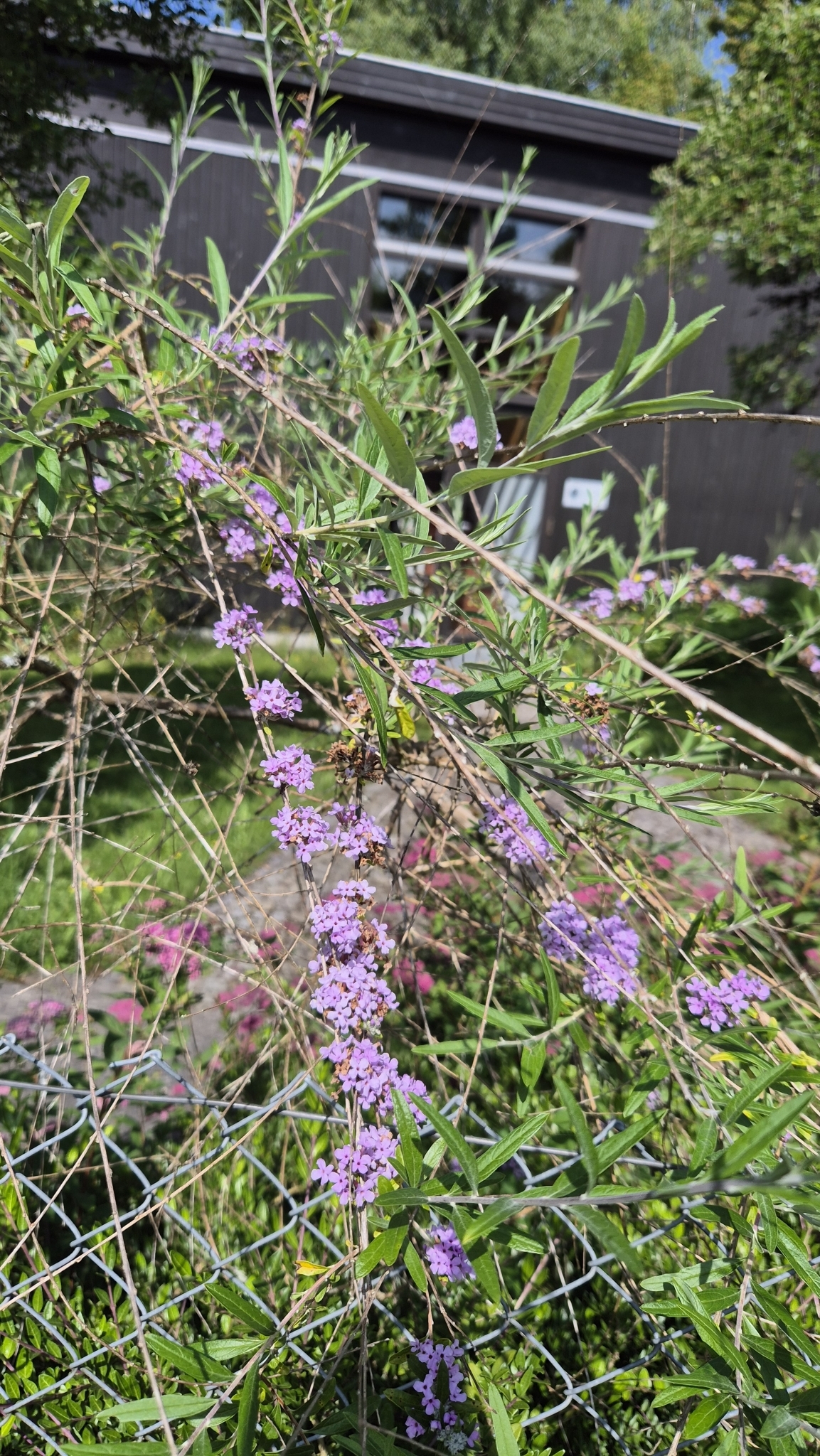
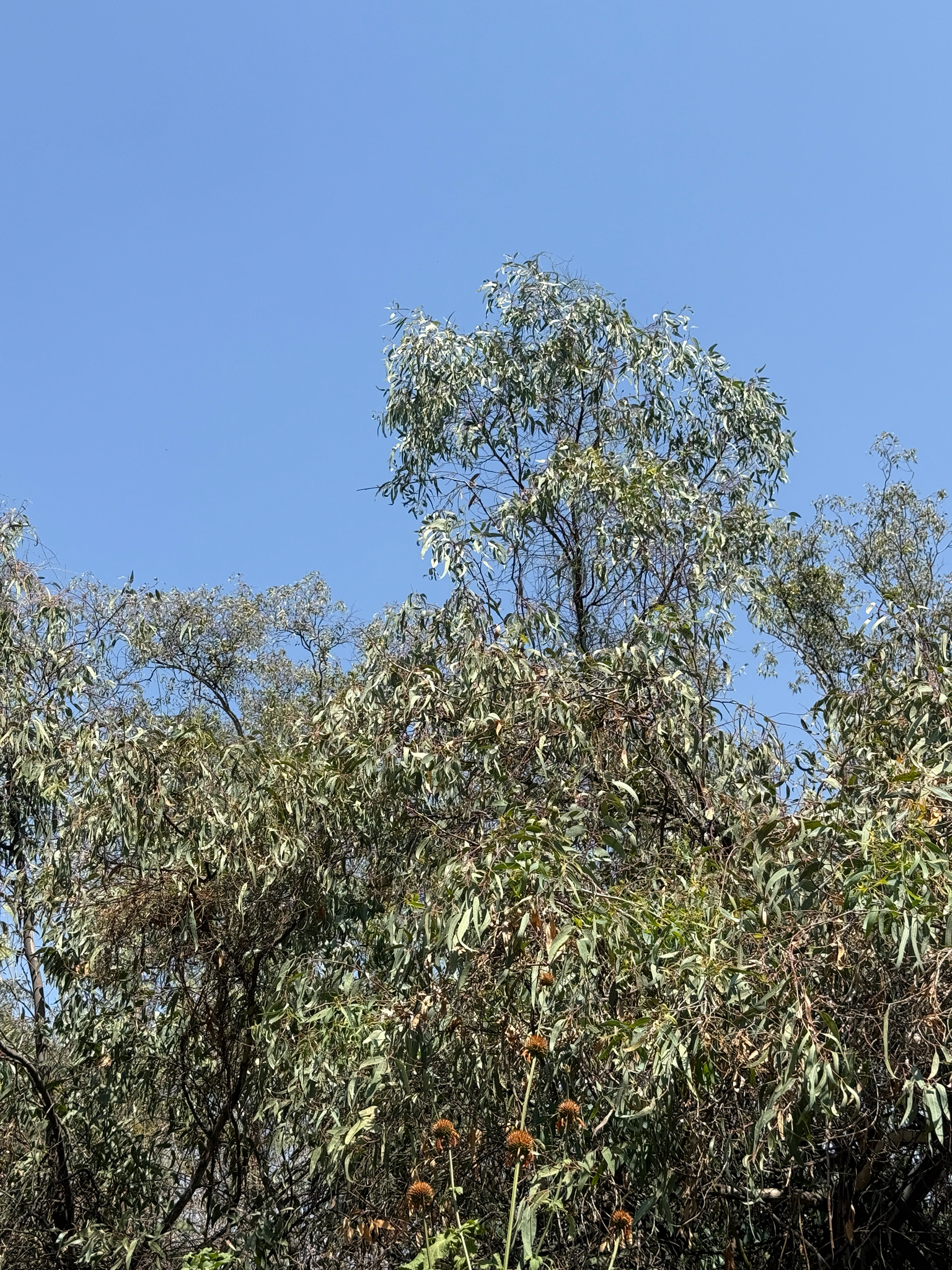
Buddleja saligna, commonly known as Squarestem Butterflybush, is a species of flowering plant in the family Scrophulariaceae. This evergreen shrub or small tree is recognized for its distinctive growth habit and its appeal to pollinators, making it a valuable component of its native ecosystems and a plant of horticultural interest. Physically, Buddleja saligna typically presents as a multi-stemmed shrub or a small tree, often reaching heights of 3 to 6 meters, though it can occasionally grow taller. Its most striking characteristic, and the origin of its common name, is its square or four-angled stems, a feature that distinguishes it from many other woody plants. The leaves are arranged oppositely along these stems, are lanceolate to ovate in shape, and measure approximately 5 to 15 centimeters in length. Their texture is generally smooth, and their color is a deep green on the upper surface, often with a paler underside. During its flowering season, Buddleja saligna produces abundant clusters of small, fragrant flowers. These inflorescences are typically conical or cylindrical in shape and bear numerous tubular florets. The color of the flowers can vary, but they are commonly white, cream, or pale yellow, with a sweet scent that is particularly attractive to butterflies and other beneficial insects. Following flowering, small, ovoid capsules develop, containing numerous tiny seeds. The bark of mature specimens is usually greyish and can become somewhat fissured with age. The native distribution of Buddleja saligna is primarily within South Africa, where it is found in a variety of habitats. It thrives in rocky outcrops, along streambanks, and in open woodlands, often in areas with well-drained soil. Its natural range extends across several provinces, indicating a degree of adaptability to different microclimates within its native region. In cultivation, Buddleja saligna is relatively adaptable but generally prefers full sun to partial shade. It is known to be drought-tolerant once established and performs best in well-drained soils, tolerating a range of soil types from sandy to loamy. Its hardiness allows it to be grown in temperate to subtropical climates. Buddleja saligna holds ecological significance as a nectar source for a wide array of insects, particularly butterflies, which are drawn to its abundant blooms. This makes it a valuable plant for supporting local biodiversity and creating pollinator-friendly gardens. While not widely cultivated for agricultural or medicinal purposes, its ornamental value is considerable due to its attractive foliage, fragrant flowers, and unique square stems. Its ability to attract pollinators also contributes to its ecological importance. An interesting characteristic of Buddleja saligna is its rapid growth rate, allowing it to quickly establish itself in suitable conditions. The fragrance of its flowers is a key adaptation, serving to attract pollinators over a distance, ensuring successful reproduction. The plant's tolerance to drought and its ability to grow in challenging sites, such as rocky areas, highlight its resilience and adaptation to its native environment.

Photograph © magdastlucia · CC-BY-NC

Squarestem Butterflybush Care Summary

At-a-glance light, water, soil, and growing conditions from plant data

Light

Full Sun

100% intensity

Prefers at least 6 hours of direct sunlight daily for best flowering.

Watering

Moderate

50% intensity

Allow soil to dry slightly between waterings once established.

Soil

Well-drained

50% intensity

Temperature

Moderate

50% intensity

Prefers temperatures between 15-24°C, but can tolerate cooler conditions.

Fertilizer

Low

25% intensity

Fertilize sparingly in spring with a balanced fertilizer.

Squarestem Butterflybush Toxicity

Safety information from plant toxicity data

Toxicity details for Squarestem Butterflybush
AttributeValue
Toxic for humansNo

0/5 intensity

Toxic for petsNo

0/5 intensity

Squarestem Butterflybush Quick Facts

Key traits and growing stats from plant data

Plant Type
Shrub, Tree
Plant Category
Ornamental
Plant Place Type
Garden, Pot
Lifespan
Perennial
Plant Height
3-6 m
Spread
2-4 m
Growth Rate
Moderate
Dormancy
Semi-evergreen
Leaf Color
Green
Leaf Type
Opposite
Flower Size
1-2 cm
Optimal Sunlight Lux
150000

Care guide for Squarestem Butterflybush

Watering, pruning, propagation, and repotting details from plant data

Water

Water regularly, especially during establishment and dry periods. Allow the soil to dry out slightly between waterings once mature. Overwatering can lead to root rot, so ensure good drainage.

Pruning

Prune after flowering to maintain shape and encourage bushier growth. Remove dead or diseased branches at any time. Light pruning can also be done in late winter to shape the plant.

Propagation

Propagate from semi-hardwood cuttings taken in summer or autumn. Dip the cuttings in rooting hormone and plant in a well-draining medium. Keep moist and humid until roots form.

Repotting

Repot young plants annually or when root-bound. Mature plants can be left in their pots for several years. Use a good quality, well-draining potting mix and a slightly larger pot.

Identify plants like this with ePlant

Snap a photo to get care tips and match similar species on the go.

Try for Free

Flowering & Fruiting Cycles

Monthly activity intensity for bloom and fruit across both hemispheres.

Northern hemisphere

Flowering & fruiting calendar

Peak bloom · AugPeak fruit · Jul
FloweringFruiting
02468JanFebMarAprMayJunJulAugSepOctNovDecActivity intensityMonths910
Southern hemisphere

Flowering & fruiting calendar

Peak bloom · FebPeak fruit · Jan
FloweringFruiting
02468JanFebMarAprMayJunJulAugSepOctNovDecActivity intensityMonths910

Squarestem Butterflybush Names & Synonyms

Common names and botanical synonyms

Common Names

  • False Olive
  • Olive Buddleja
  • Square-Stem Butterfly-Bush
  • Squarestem Butterflybush

Synonyms

  • Callicarpa paniculata Lam.
  • Chilianthus arboreus (L.f.) Benth.
  • Chilianthus oleaceus Burch.
  • Nuxia saligna (Willd.) Benth.
  • Scoparia arborea L.f.
  • Semnos paniculata Raf.

Squarestem Butterflybush Taxonomy

Botanical classification

Taxonomic classification of Squarestem Butterflybush
RankName
kingdomPlantae
divisionTracheophyta
classMagnoliopsida
orderLamiales
familyScrophulariaceae
genusBuddleja
speciesBuddleja saligna

Squarestem Butterflybush FAQs

Answers based on plant encyclopedia data

What are the growing conditions for Buddleja saligna?

Buddleja saligna prefers full sun to partial shade and well-drained soil. It is drought-tolerant once established and adaptable to various soil types.

How tall does Squarestem Butterflybush get?

Squarestem Butterflybush can grow to a height of 3 to 5 meters, occasionally reaching up to 7 meters in ideal conditions.

When does Buddleja saligna flower?

Flowering typically occurs from spring through summer, with blooms appearing predominantly from September to January in its native habitat.

Is Buddleja saligna invasive?

While adaptable, Buddleja saligna is not widely recognized as invasive in most regions. However, it's always advisable to check local regulations.

How should I prune Buddleja saligna?

Pruning can be done after flowering to maintain shape and size, or for rejuvenation. Deadheading spent flowers can encourage further blooming.