Water
Keep the soil consistently moist, especially during the bulbing stage. Avoid waterlogging, which can lead to root rot.
Reduce watering as the tops begin to yellow and fall over, signaling maturity and readiness for harvest.
Also known as Bulb Onion · Commercial Onion · Culinary Onion
Safety note: This plant may be toxic to pets. See toxicity details.
Allium cepa, the common onion, is a widely cultivated bulbous perennial grown for its edible bulbs, used globally in culinary applications for its pungent flavor.
At-a-glance light, water, soil, and growing conditions from plant data
Full Sun
100% intensity
Requires at least 6-8 hours of direct sunlight per day for optimal growth and bulb development.
Moderate to High
75% intensity
Provide consistent moisture, especially during bulb formation. Reduce watering as tops yellow.
Well-drained, fertile, sandy loam
50% intensity
Cool to Moderate
75% intensity
Grows best in temperatures between 13-24°C. Can tolerate light frost.
Outdoor
50% intensity
Moderate
50% intensity
Requires balanced nutrition, with a focus on nitrogen during leaf growth and phosphorus for bulb development.
Safety information from plant toxicity data
| Attribute | Value |
|---|---|
| Toxic for humans | No 0/5 intensity |
| Toxic for pets | Yes 5/5 intensity |
| Edible | Yes |
Leaves and bulbs are toxic to pets. Contains N-propyl disulfide which can cause hemolytic anemia.
Key traits and growing stats from plant data
Watering, pruning, propagation, and repotting details from plant data
Keep the soil consistently moist, especially during the bulbing stage. Avoid waterlogging, which can lead to root rot.
Reduce watering as the tops begin to yellow and fall over, signaling maturity and readiness for harvest.
Pruning is generally not required for common onions. Remove any dead or yellowing foliage at the base of the plant to improve air circulation and reduce the risk of disease.
Focus on keeping the area around the plants weed-free.
Common onions (Allium cepa) are typically propagated by seed. Sow seeds indoors 6-8 weeks before the last frost date or directly outdoors after the danger of frost has passed.
Transplants should be spaced appropriately for bulb development.
Repotting is not applicable to common onions as they are typically grown as annuals or biennials in the ground or in large containers, and are harvested at maturity. If growing in containers, ensure the container is large enough for bulb expansion.
Identify plants like this with ePlant AI
Snap a photo to get care tips and match similar species on the go.
Monthly activity intensity for bloom and fruit across both hemispheres.
Flowering & fruiting calendar
Flowering & fruiting calendar
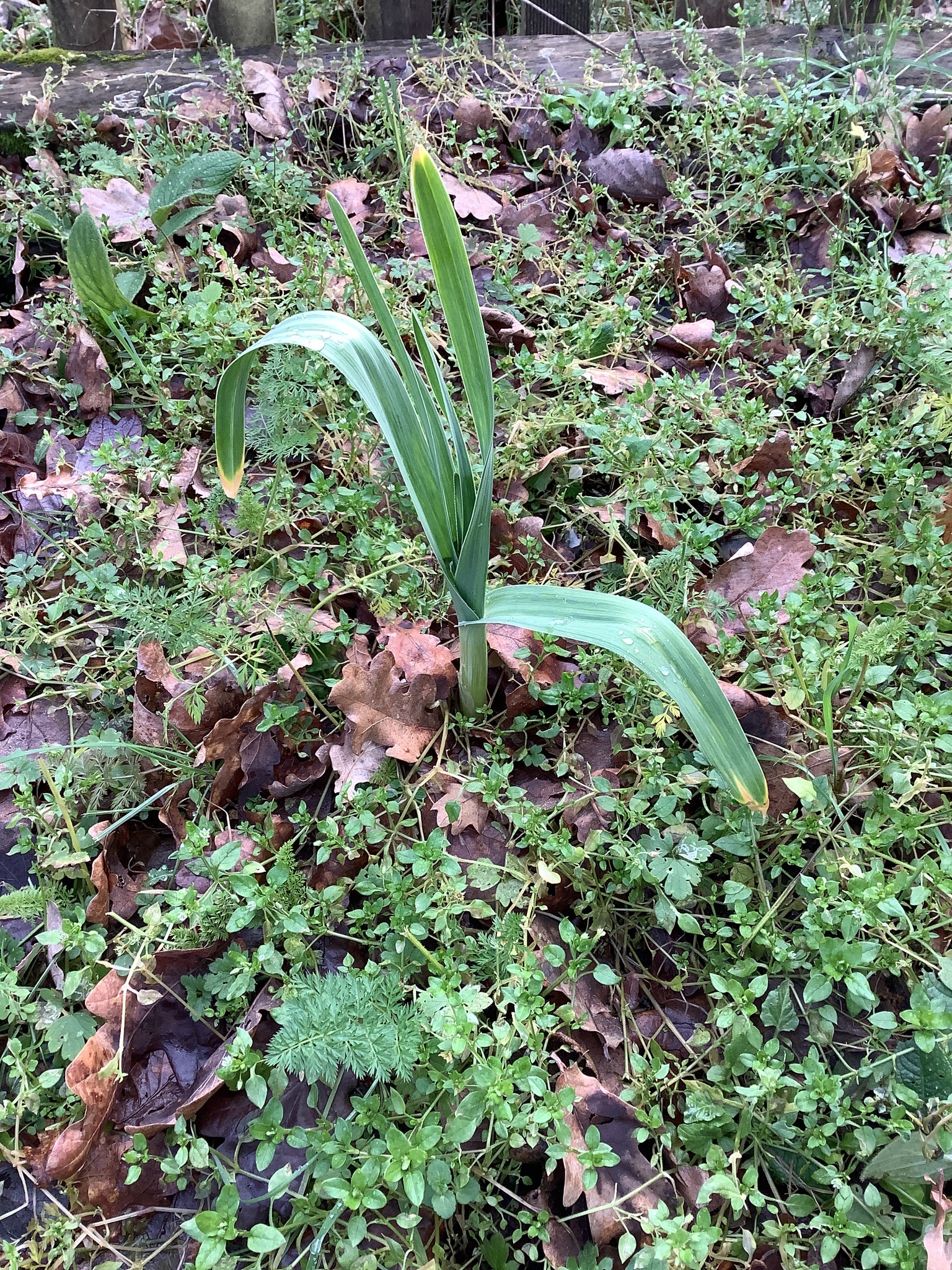
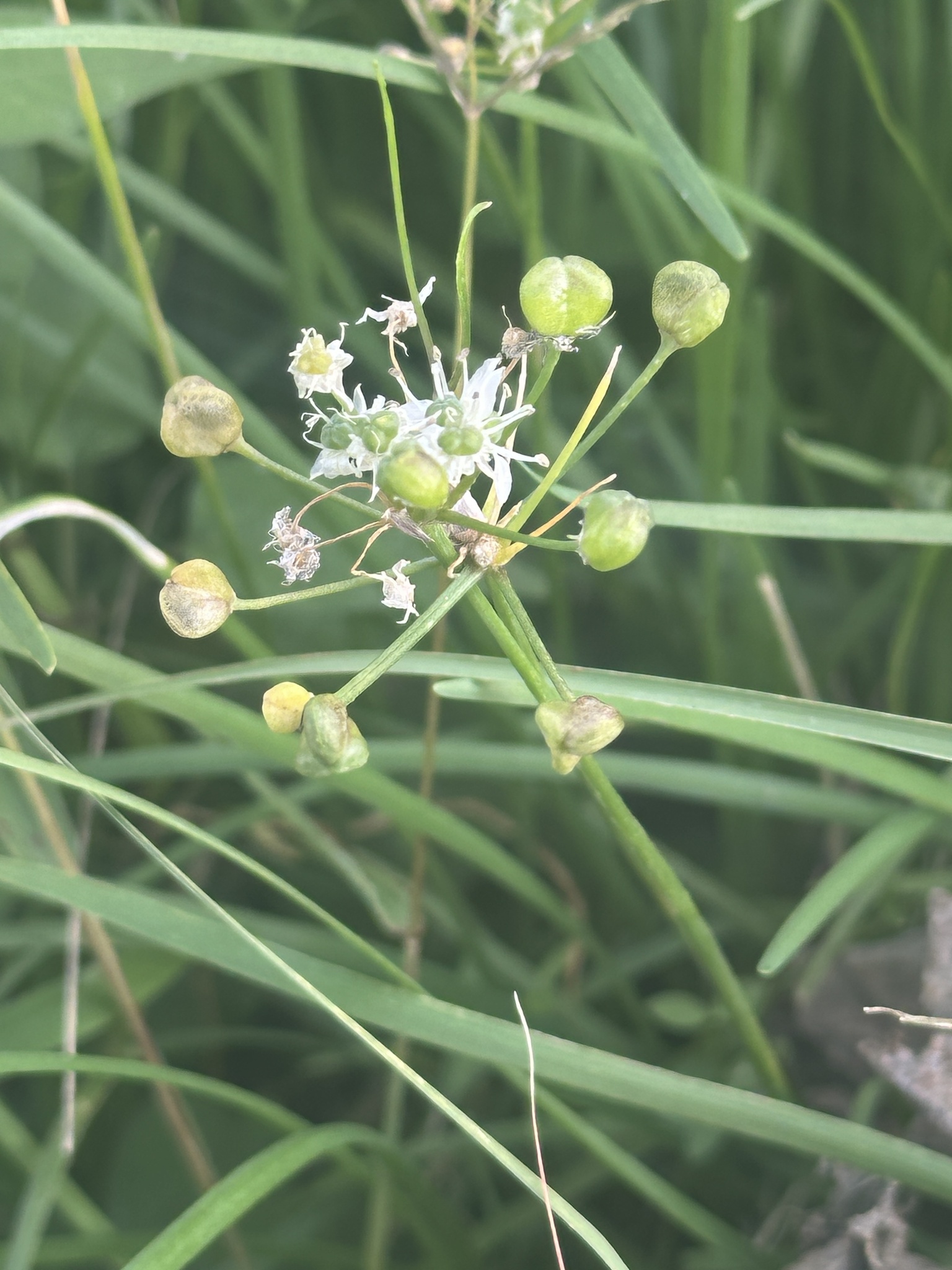
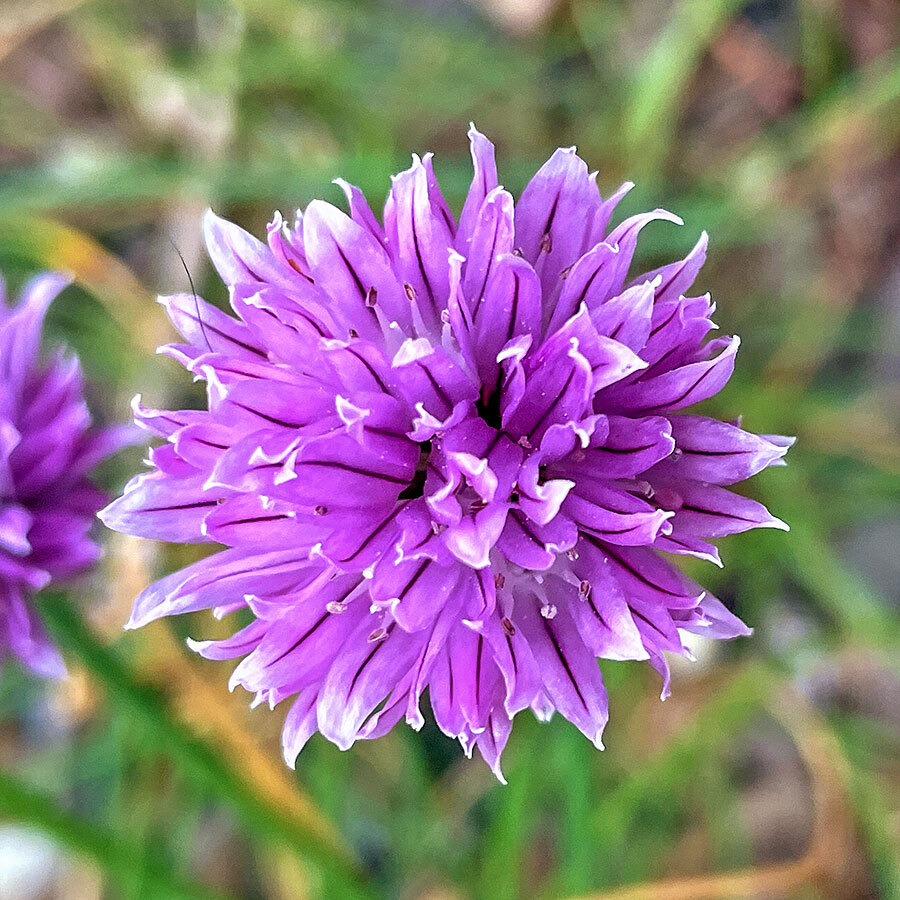
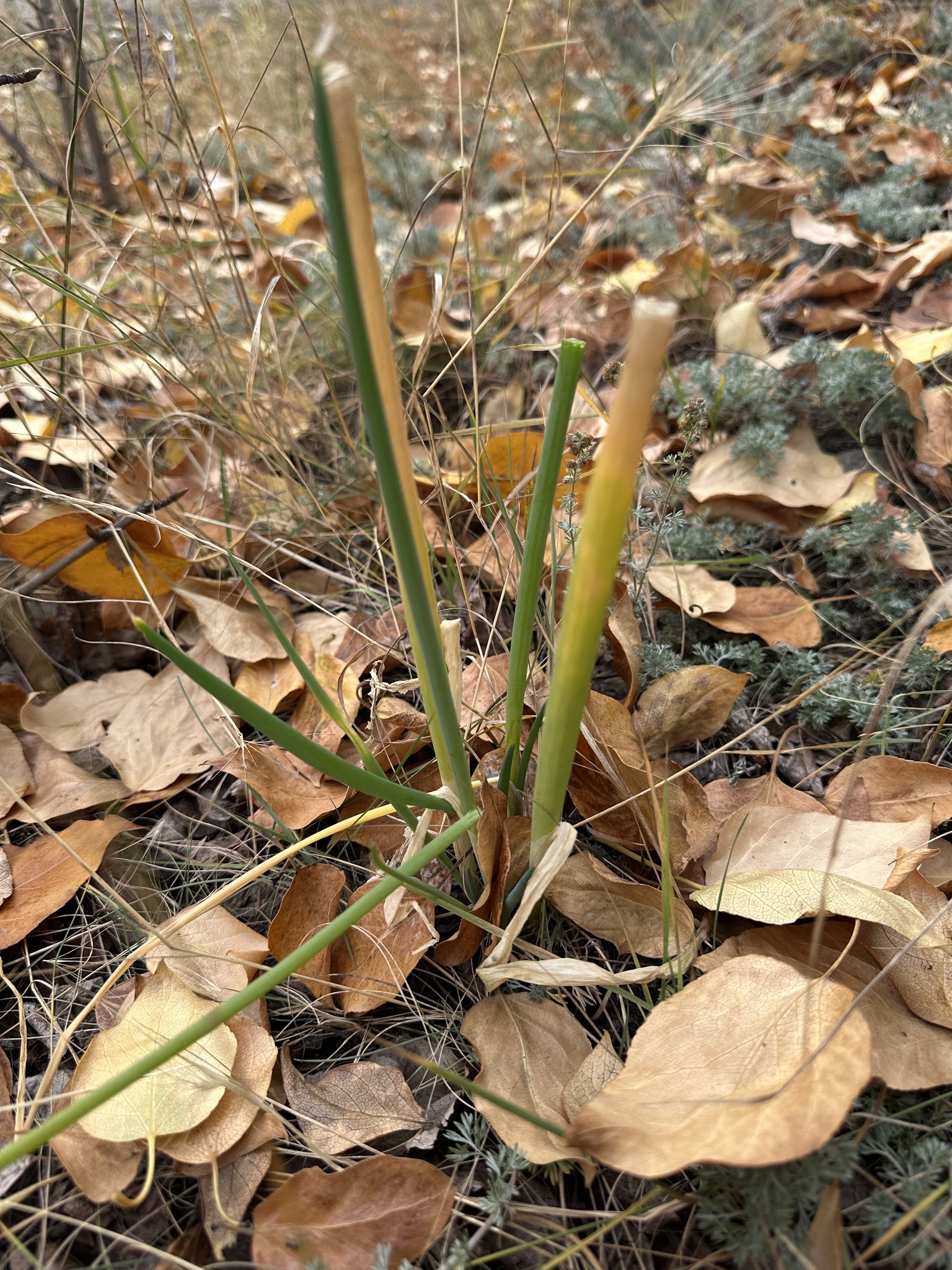
Photos of Common Onion (Allium cepa)
9 known issues from plant disease data

Black Mold in Onion and Garlic causes black powdery growth between bulb scales, shriveling cloves and reducing bulb quality.

Blue Mold in Onion and Garlic causes soft watery decay and blue-green mold on bulbs or cloves, especially after injury.

Onion Yellow Dwarf in Onion and Garlic causes yellow striping, leaf flattening, stunting, and poor bulb growth in infected plants.
Common names and botanical synonyms
Botanical classification
| Rank | Name |
|---|---|
| Kingdom | Plantae |
| Division | Tracheophyta |
| Class | Liliopsida |
| Order | Asparagales |
| Family | Amaryllidaceae |
| Genus | Allium |
| Species | Allium cepa |
Similar in genus Allium
Answers based on plant encyclopedia data