Water
Water regularly, especially during dry periods. Aim for consistently moist soil, but avoid waterlogging. Deep watering encourages a strong root system. Reduce watering in autumn as the plant enters dormancy.
Also known as Common Day-Lily · Common Orange Daylily · Corn Lily
Safety note: This plant may be toxic to pets. See toxicity details.
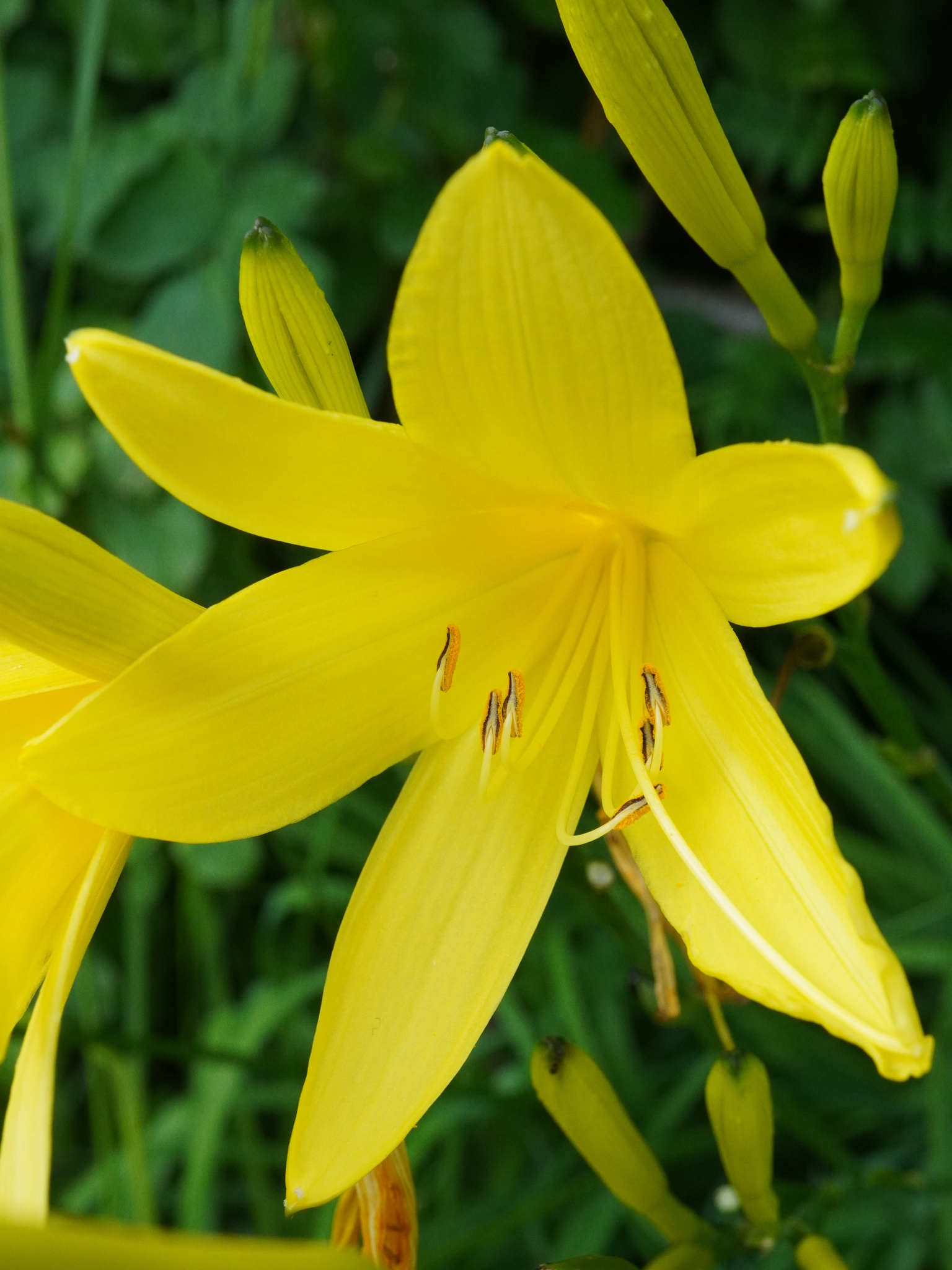
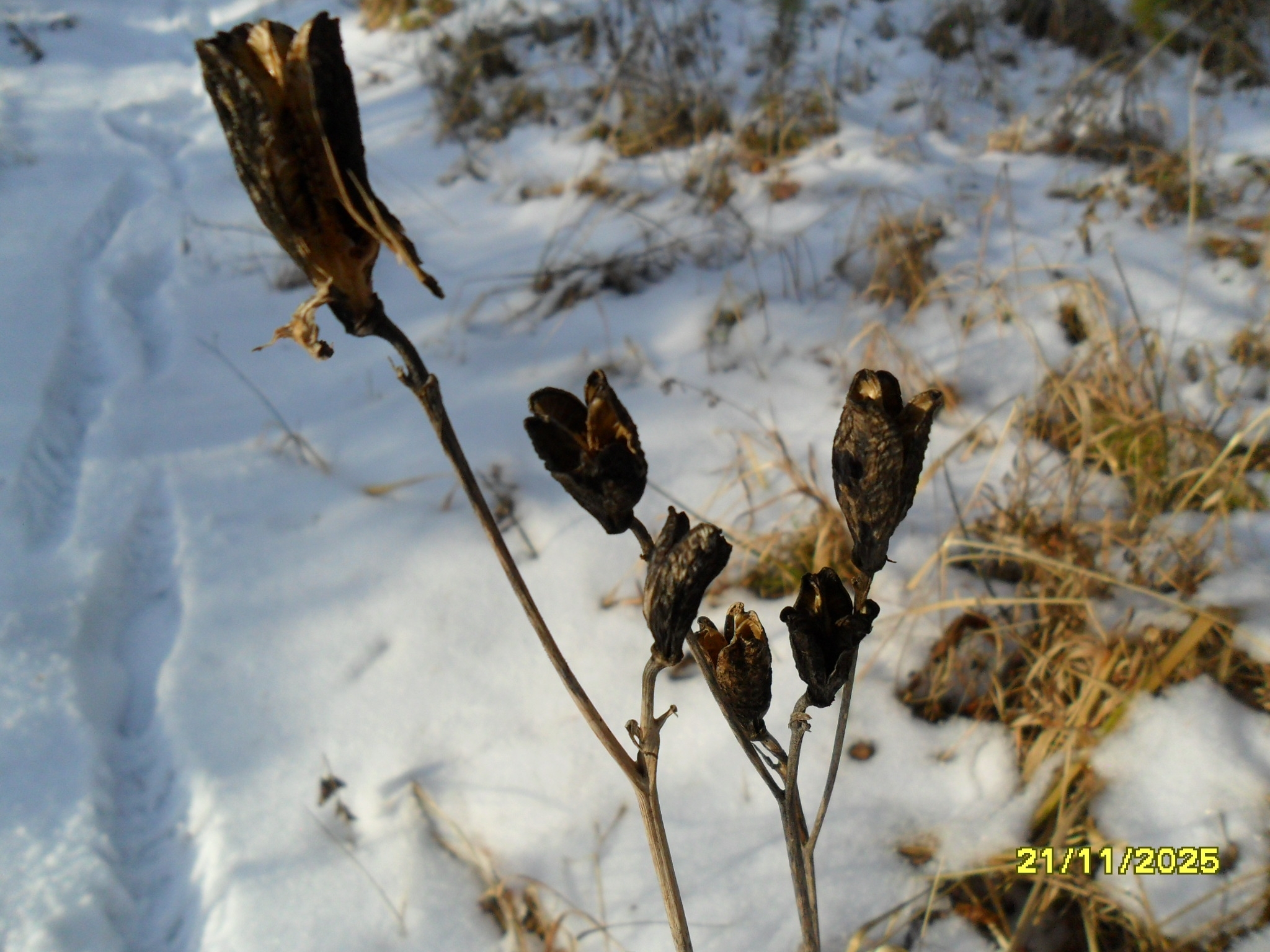
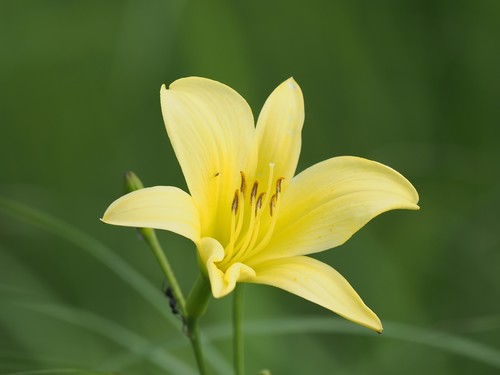
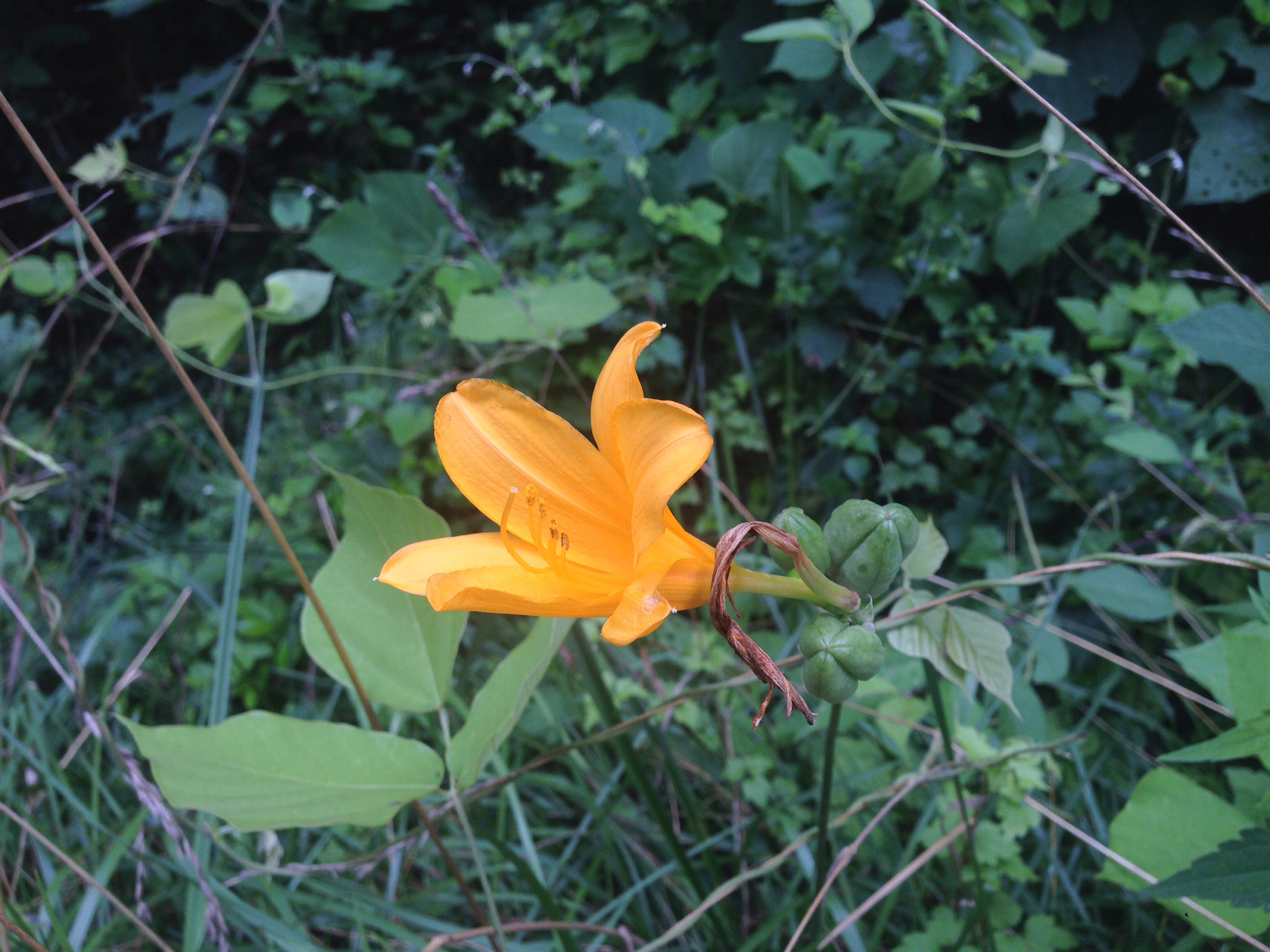
Orange day-lily (Hemerocallis fulva) is a hardy perennial with trumpet-shaped orange flowers. It's a vigorous grower, often used for naturalizing landscapes.
At-a-glance light, water, soil, and growing conditions from plant data
Full Sun to Partial Shade
75% intensity
Prefers at least 6 hours of direct sunlight daily for best flowering. Tolerates some shade, but may flower less profusely.
Moderate
50% intensity
Keep soil consistently moist, especially during bloom and dry spells. Avoid waterlogging.
Well-drained soil, adaptable to various soil types.
50% intensity
Moderate
50% intensity
Hardy in USDA zones 3-9. Tolerates heat and humidity well once established.
Outdoor
50% intensity
Moderate
50% intensity
Fertilize in spring and early summer. Avoid excessive nitrogen.
Safety information from plant toxicity data
| Attribute | Value |
|---|---|
| Toxic for humans | No 0/5 intensity |
| Toxic for pets | Yes 2/5 intensity |
| Edible | No |
Mildly toxic to pets, causing gastrointestinal upset. All parts of the plant are considered toxic.
Key traits and growing stats from plant data
Watering, pruning, propagation, and repotting details from plant data
Water regularly, especially during dry periods. Aim for consistently moist soil, but avoid waterlogging. Deep watering encourages a strong root system. Reduce watering in autumn as the plant enters dormancy.
Deadhead spent flowers regularly to encourage more blooms and prevent seed formation. In late autumn or early spring, cut back faded foliage to about 10-15 cm from the ground to tidy the plant and prepare it for new growth.
Divide mature clumps every 3-5 years in early spring or autumn. Carefully dig up the plant, separate sections with healthy roots and shoots, and replant them immediately.
This rejuvenates the plant and controls its spread.
Daylilies are generally not fussy about repotting unless they are severely overcrowded or being moved to a new location. If dividing, repot the separated divisions into suitable garden soil or containers at the same depth they were previously growing.
Identify plants like this with ePlant AI
Snap a photo to get care tips and match similar species on the go.
Monthly activity intensity for bloom and fruit across both hemispheres.
Flowering & fruiting calendar
Flowering & fruiting calendar
Photos of Orange Day-Lily (Hemerocallis fulva)
Common names and botanical synonyms
Botanical classification
| Rank | Name |
|---|---|
| Kingdom | Plantae |
| Division | Tracheophyta |
| Class | Liliopsida |
| Order | Asparagales |
| Family | Asphodelaceae |
| Genus | Hemerocallis |
| Species | Hemerocallis fulva |
Similar in genus Hemerocallis
Answers based on plant encyclopedia data