Water
Keep the soil consistently moist but not waterlogged during the growing season. Reduce watering in autumn as the foliage begins to yellow and die back.
Ensure good drainage to prevent bulb rot, especially during winter dormancy.
Also known as Asiatic Lily · Bergilge · Orange Lily
Safety note: This plant may be toxic to humans and pets. See toxicity details.
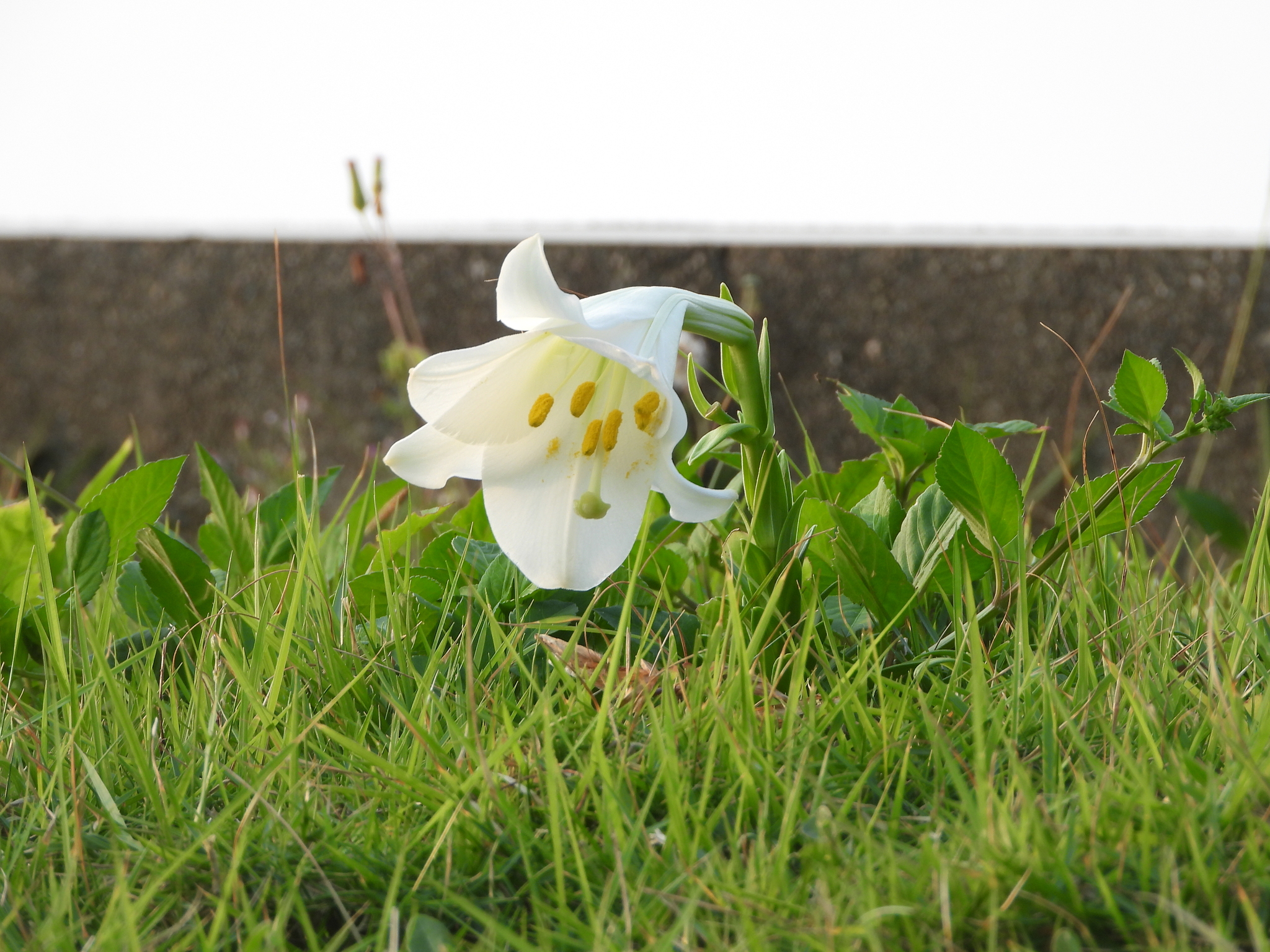
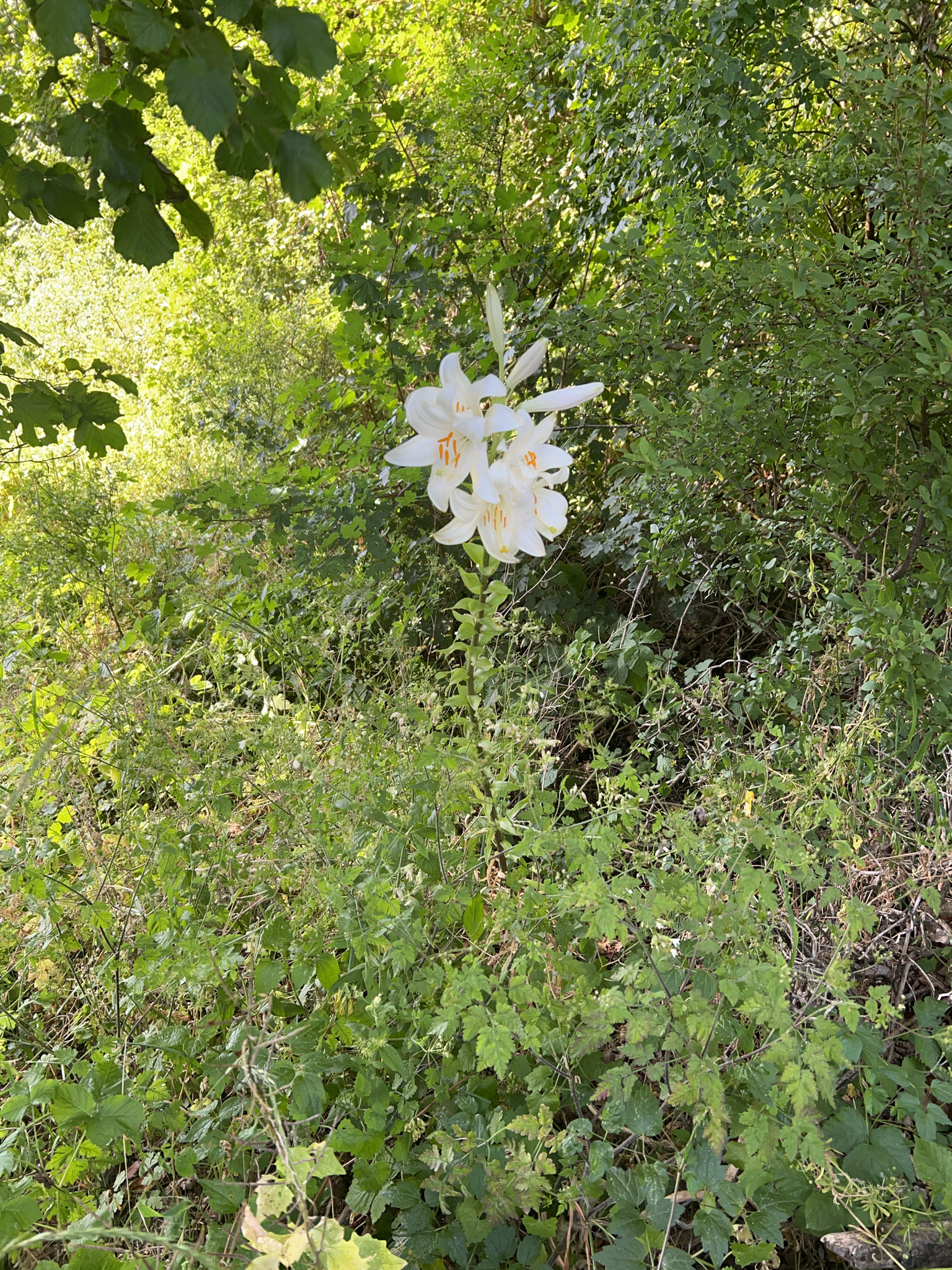
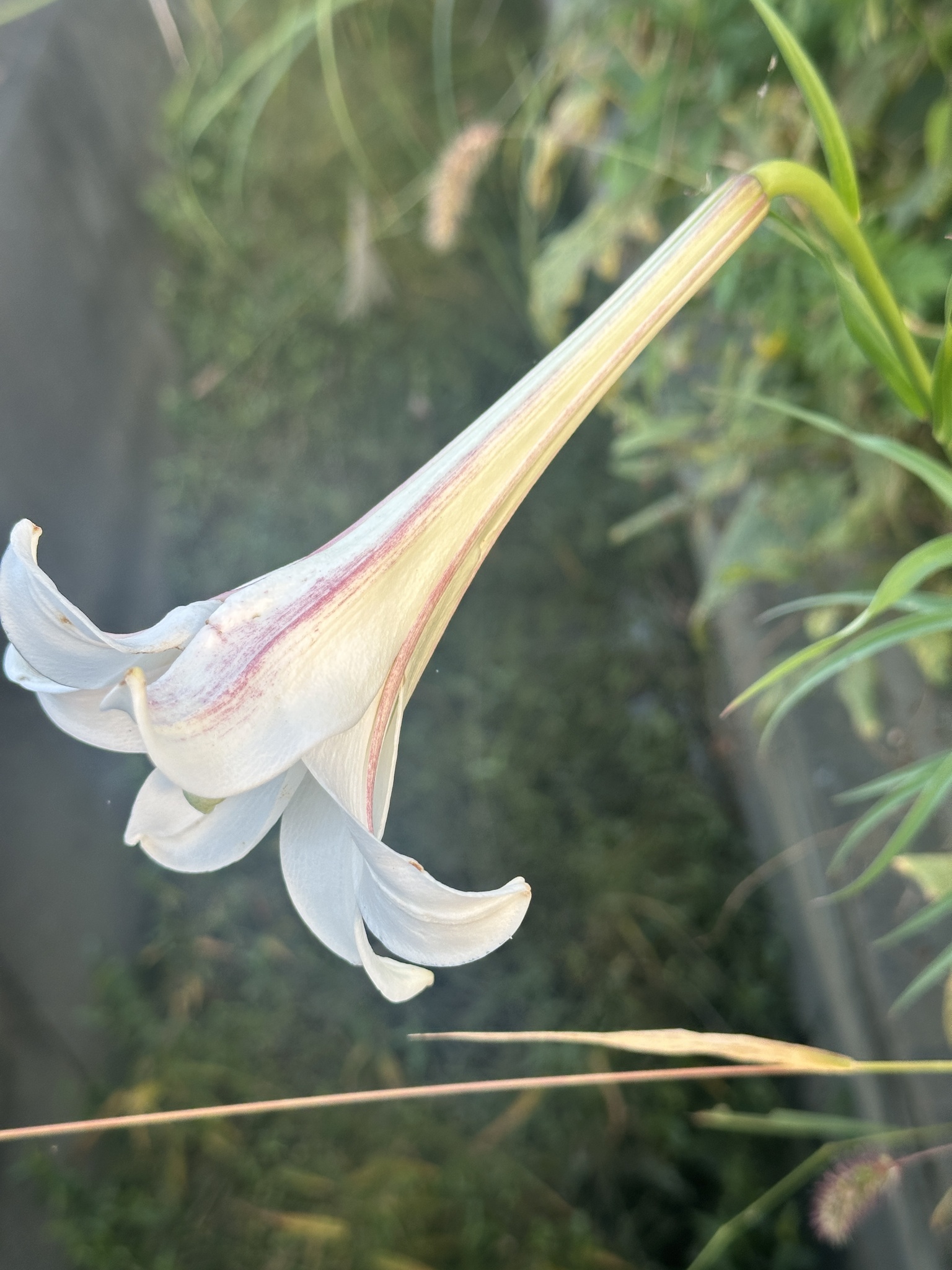
Lilium bulbiferum, the fire lily, is a striking lily species native to Europe, known for its vibrant orange-red flowers and bulbils. It thrives in sunny meadows and rocky
At-a-glance light, water, soil, and growing conditions from plant data
Full sun to partial shade
75% intensity
Prefers at least 6 hours of direct sunlight daily.
Regular watering
75% intensity
Keep soil moist during active growth, reduce in fall.
Well-drained, fertile soil
50% intensity
Moderate
50% intensity
Prefers cooler temperatures for bulbs; thrives in 15-25°C during growth.
Outdoor
50% intensity
Moderate feeding
50% intensity
Feed with balanced fertilizer during growing season.
Safety information from plant toxicity data
| Attribute | Value |
|---|---|
| Toxic for humans | Yes 5/5 intensity |
| Toxic for pets | Yes 5/5 intensity |
| Edible | No |
Toxic to pets and humans
Key traits and growing stats from plant data
Watering, pruning, propagation, and repotting details from plant data
Keep the soil consistently moist but not waterlogged during the growing season. Reduce watering in autumn as the foliage begins to yellow and die back.
Ensure good drainage to prevent bulb rot, especially during winter dormancy.
Deadhead spent flowers to prevent seed formation and direct energy into the bulb. Cut back the foliage once it has yellowed and died back completely in late summer or early autumn.
This helps protect the bulb and allows it to store energy for the next season.
Lilium bulbiferum primarily propagates through offsets or bulbils (small aerial bulbs that form in the leaf axils). These bulbils can be carefully detached and planted in well-draining soil.
Seed propagation is also possible but is slower and less common for home gardeners.
Repot lilies every 3-5 years, or when they become crowded, preferably in autumn after the foliage has died back. Choose a pot that allows ample room for root growth and for the bulb to develop.
Use a well-draining potting mix.
Identify plants like this with ePlant AI
Snap a photo to get care tips and match similar species on the go.
Monthly activity intensity for bloom and fruit across both hemispheres.
Flowering & fruiting calendar
Flowering & fruiting calendar
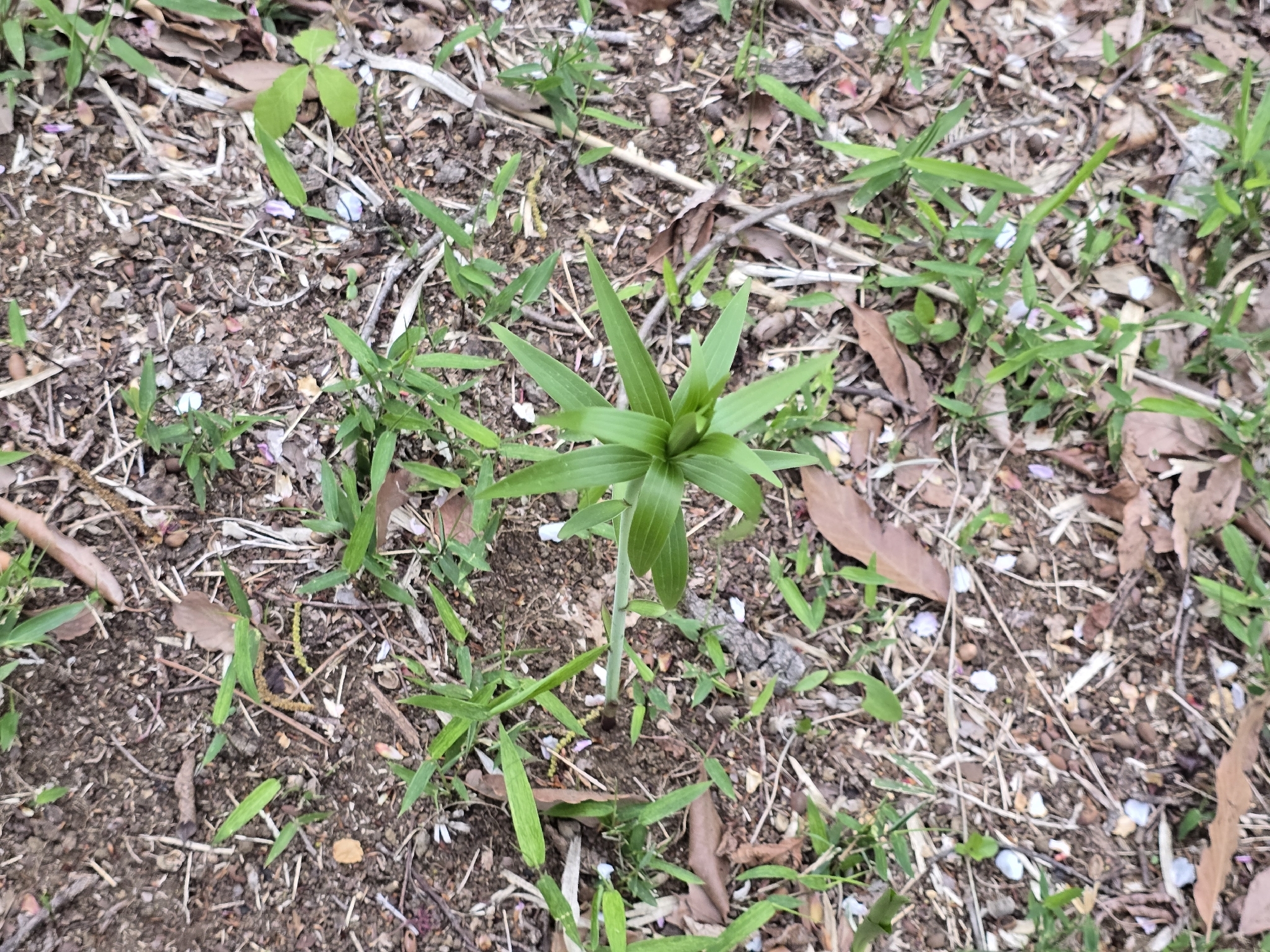
Photos of Fire Lily (Lilium bulbiferum)
Where Fire Lily (Lilium bulbiferum) is found

Density
Tap map to explore
Common names and botanical synonyms
Botanical classification
| Rank | Name |
|---|---|
| Kingdom | Plantae |
| Division | Tracheophyta |
| Class | Liliopsida |
| Order | Liliales |
| Family | Liliaceae |
| Genus | Lilium |
| Species | Lilium bulbiferum |
Similar in genus Lilium
Answers based on plant encyclopedia data