Water
Water when the potting medium is dry to the touch, typically every 7-14 days. Allow excess water to drain completely to prevent root rot. Submerging the pot for a few minutes is an effective method for thorough watering.
Also known as Butterfly Orchid · Moth Orchid · Orchid
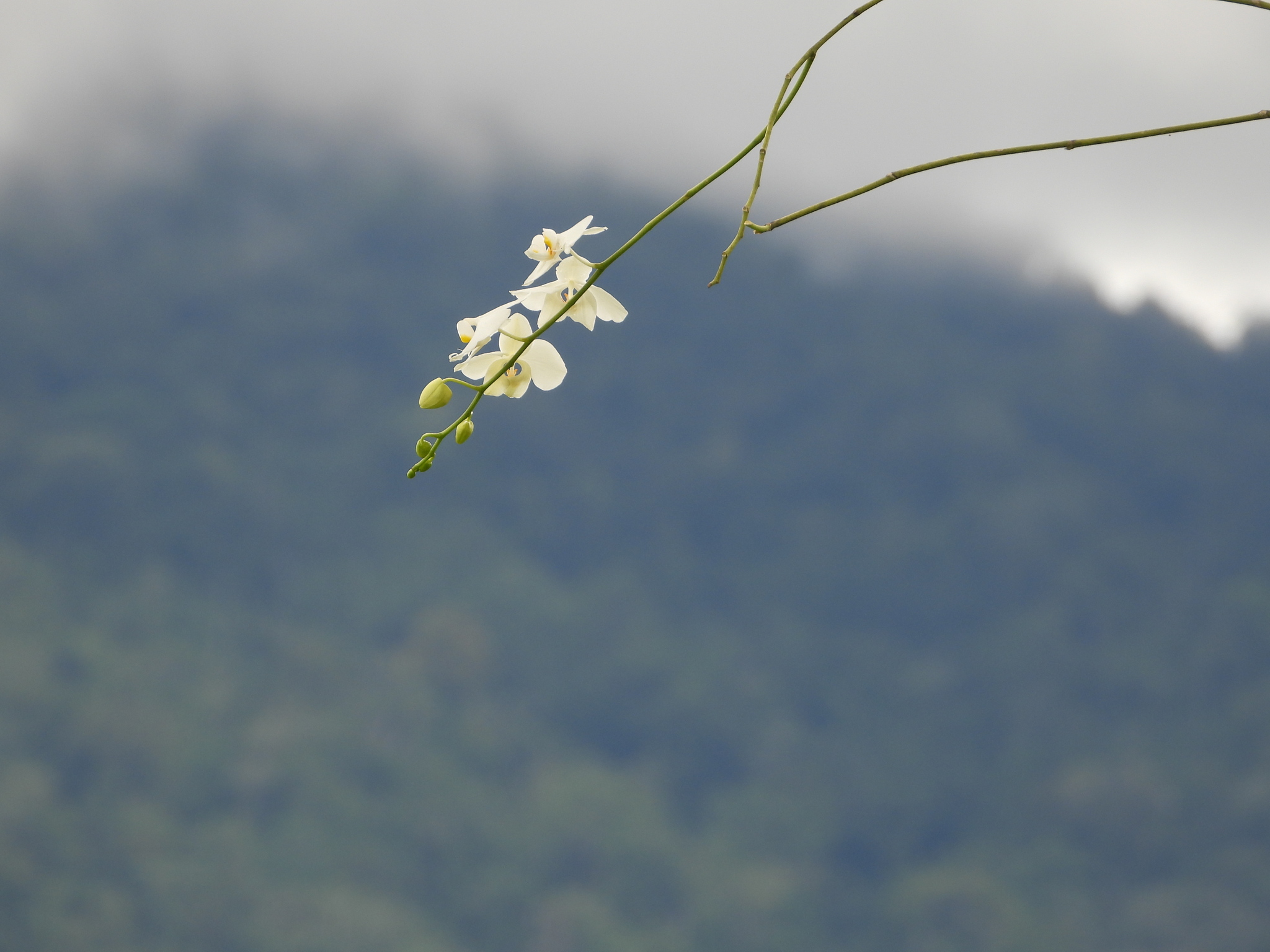
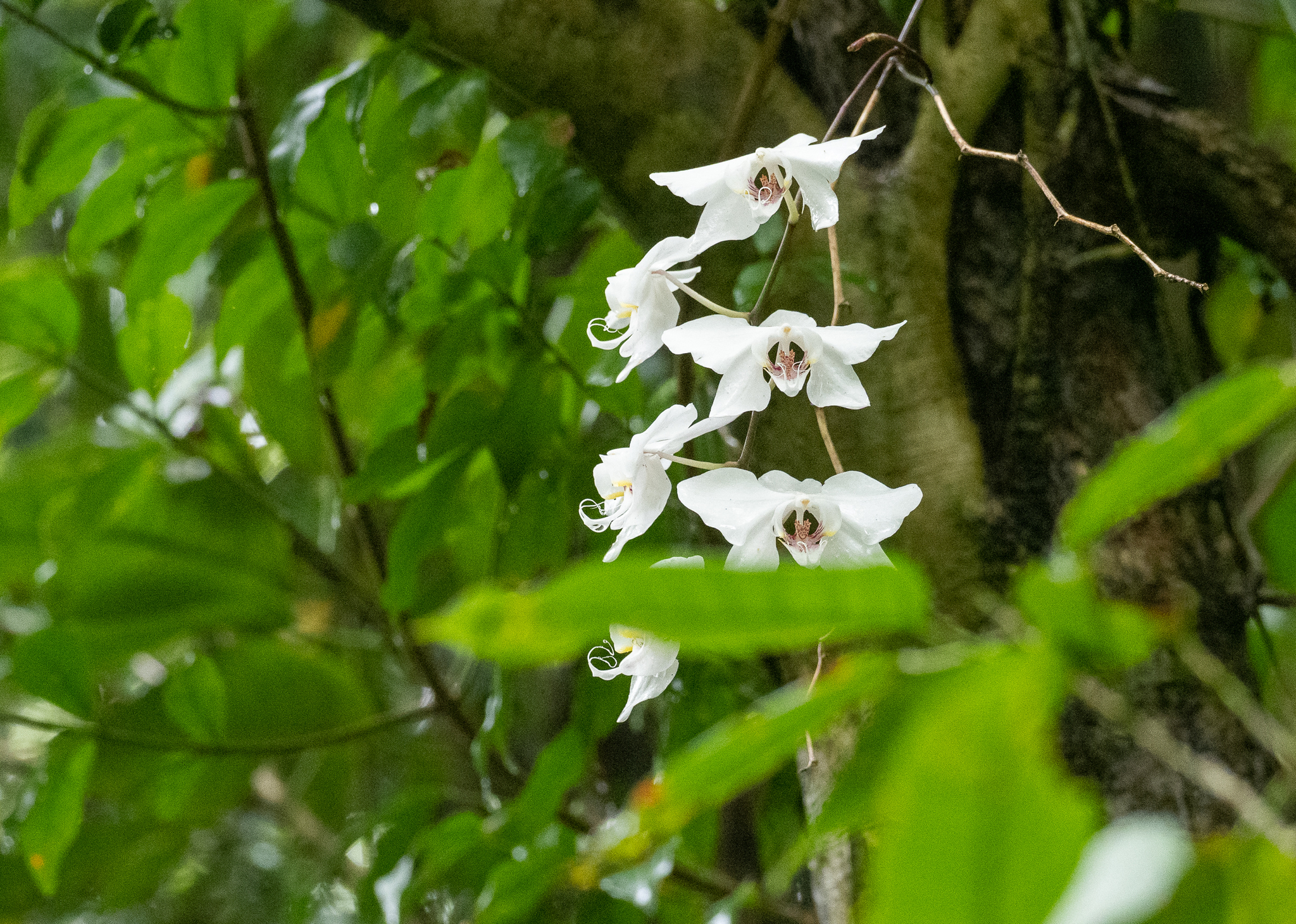
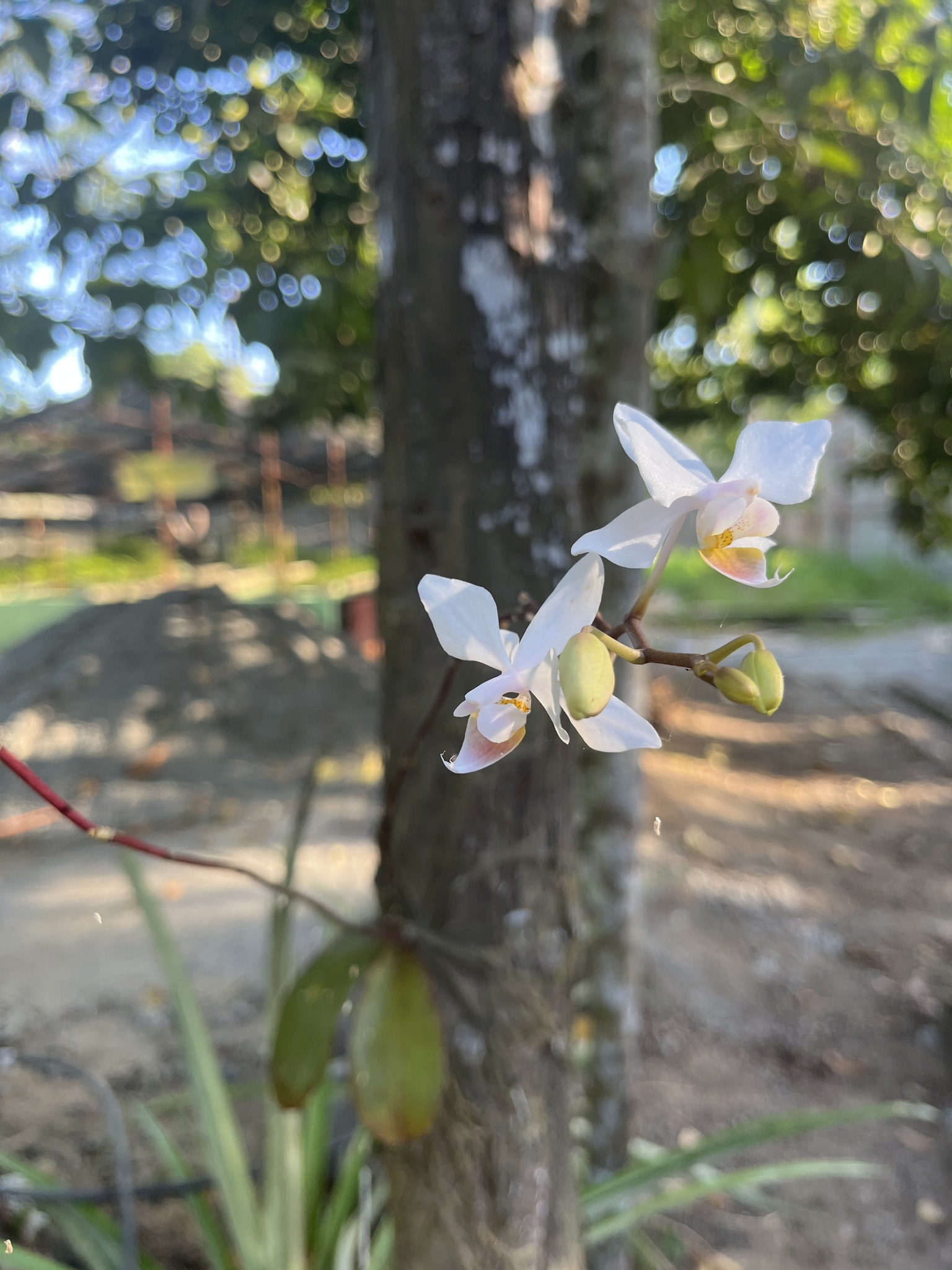
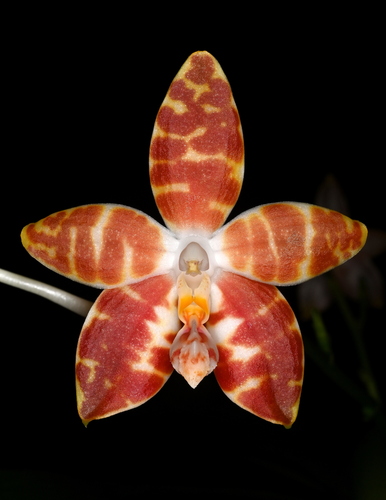
Phalaenopsis spp., commonly known as Moth Orchids, are popular epiphytic orchids prized for their long-lasting, elegant blooms in a wide range of colors and patterns.
At-a-glance light, water, soil, and growing conditions from plant data
Bright, indirect light
75% intensity
Avoid direct sunlight, which can scorch leaves. East-facing windows are often ideal.
Allow to dry slightly between waterings
50% intensity
Avoid waterlogged conditions; ensure good drainage.
Orchid bark mix
50% intensity
Moderate
50% intensity
Daytime: 20-29°C. Nighttime: 13-18°C. A slight temperature drop at night encourages blooming.
Lightly fertilize during growth
50% intensity
Use diluted orchid fertilizer during the growing season, less in winter.
Safety information from plant toxicity data
| Attribute | Value |
|---|---|
| Toxic for humans | No 0/5 intensity |
| Toxic for pets | No 0/5 intensity |
| Edible | No |
Key traits and growing stats from plant data
Watering, pruning, propagation, and repotting details from plant data
Water when the potting medium is dry to the touch, typically every 7-14 days. Allow excess water to drain completely to prevent root rot. Submerging the pot for a few minutes is an effective method for thorough watering.
Prune spent flower spikes at the base of the plant using sterile tools. Occasionally, remove any yellowing or dead leaves to maintain plant health and aesthetics.
Do not prune healthy green leaves as they are vital for photosynthesis.
Propagation is typically done through division during repotting. Separate plantlets with at least three healthy pseudobulbs and roots.
Alternatively, keikis (baby plants) that have developed their own roots can be carefully detached and potted.
Repot every 1-2 years after flowering, or when the potting medium has broken down. Use a well-draining orchid mix, typically bark-based.
Ensure the new pot is only slightly larger than the previous one to avoid water retention issues.
Identify plants like this with ePlant AI
Snap a photo to get care tips and match similar species on the go.
Monthly activity intensity for bloom and fruit across both hemispheres.
Flowering & fruiting calendar
Flowering & fruiting calendar
Photos of Phalaenopsis Spp. (Phalaenopsis spp.)
Common names and botanical synonyms
Botanical classification
| Rank | Name |
|---|---|
| Family | Orchidaceae |
| Genus | Phalaenopsis |
| Species | Phalaenopsis spp. |
Similar in genus Phalaenopsis
Answers based on plant encyclopedia data