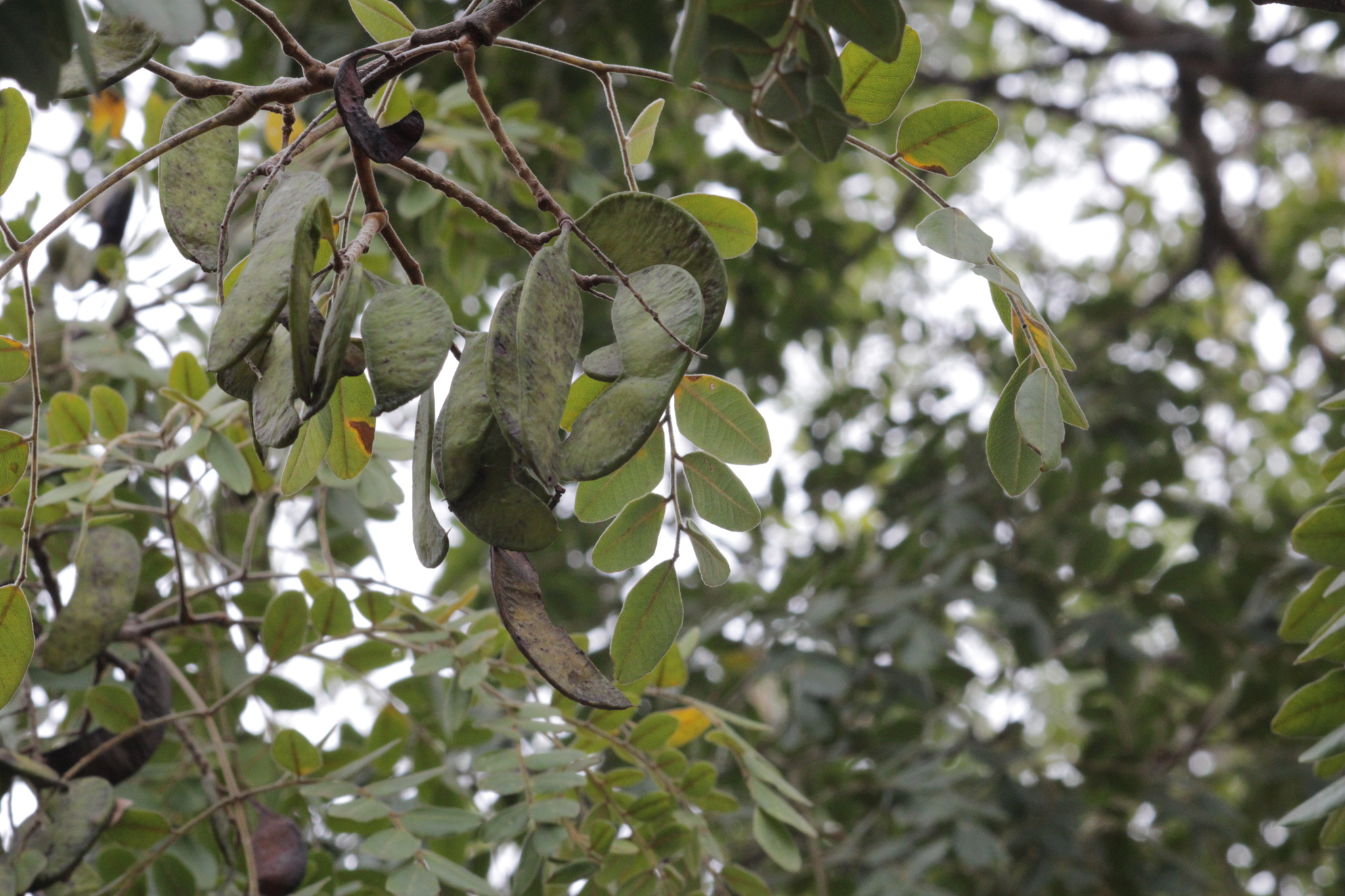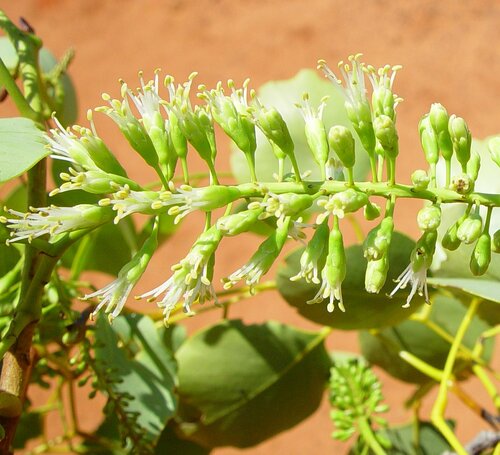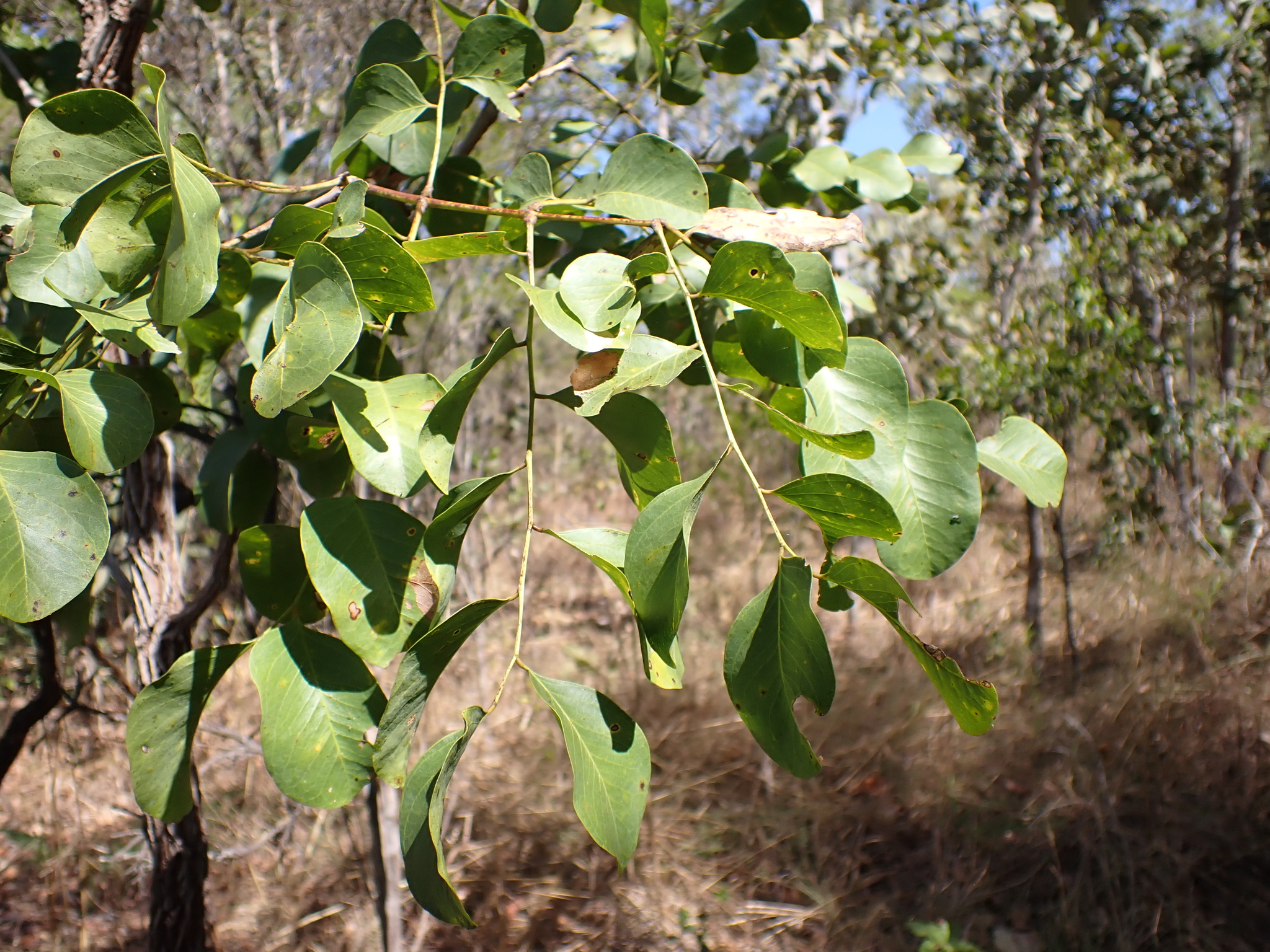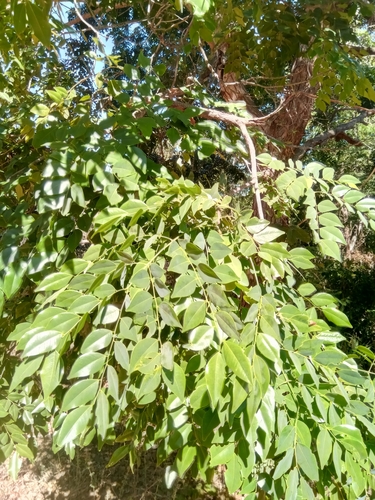
Sasswood (Erythrophleum suaveolens) is a large tropical tree native to Africa, known for its hard wood and medicinal uses. It produces small flowers and pods, and its bark contains toxic compounds.
Above information is sourced from Wikipedia
Sunlight
Prefers full sun but can tolerate partial shade. Adequate light is crucial for healthy growth.
Watering
Water regularly during the growing season, allowing the soil to dry slightly between waterings. Reduce watering in cooler months.
Soil
Well-draining soil, adaptable to various soil types but prefers loamy or sandy conditions.
Temperature
Requires warm temperatures, ideally between 20-30 °C. Sensitive to frost.
Habitat
Outdoor
Fertilizer
Fertilize sparingly in spring with a balanced fertilizer. Avoid over-fertilization.
Prefers full sun but can tolerate partial shade. Adequate light is crucial for healthy growth.
Water regularly during the growing season, allowing the soil to dry slightly between waterings. Reduce watering in cooler months.
Well-draining soil, adaptable to various soil types but prefers loamy or sandy conditions.
Requires warm temperatures, ideally between 20-30 °C. Sensitive to frost.
Outdoor
Fertilize sparingly in spring with a balanced fertilizer. Avoid over-fertilization.
Plant Type
Tree
Plant Category
Medicinal
Plant Place Type
Ground
Plant Environment
Outdoor
Lifespan
Perennials
Plant Height
15-30 m
Spread
10-20 m
Growth Rate
Moderate
Dormancy
None
Leaf Color
Green
Leaf Type
Compound
Flower Size
0.5 cm
Toxic for humans
Yes
Rating: 8/5
Toxic for pets
Yes
Rating: 8/5
Edible
No
All parts of the plant are toxic, particularly the bark and seeds, containing alkaloids that can be harmful if ingested or handled improperly.