Water
Water regularly once established, allowing the soil to dry out slightly between waterings. In containers, ensure good drainage and water when the top 2-3 cm of soil feels dry.
Reduce watering during winter dormancy to prevent root rot.
Also known as Dwarf Milkweed · Low Milkweed · Oval-Leaf Milkweed
Safety note: This plant may be toxic to humans and pets. See toxicity details.
Asclepias ovalifolia, the oval-leaved milkweed, is a perennial wildflower native to eastern North America, known for its oval leaves and clusters of white to pinkish flow
At-a-glance light, water, soil, and growing conditions from plant data
Full Sun
100% intensity
Prefers at least 6 hours of direct sunlight daily for optimal growth and flowering.
Moderate
50% intensity
Allow soil to dry slightly between waterings once established.
Well-drained soil
50% intensity
Moderate
50% intensity
Prefers average room temperatures, but can tolerate a range. Protect from extreme heat or cold.
Low
25% intensity
Generally does not require frequent fertilization; compost is often sufficient.
Safety information from plant toxicity data
| Attribute | Value |
|---|---|
| Toxic for humans | Yes 3/5 intensity |
| Toxic for pets | Yes 3/5 intensity |
| Edible | No |
All parts of the plant are toxic, especially the milky sap, containing cardiac glycosides.
Key traits and growing stats from plant data
Watering, pruning, propagation, and repotting details from plant data
Water regularly once established, allowing the soil to dry out slightly between waterings. In containers, ensure good drainage and water when the top 2-3 cm of soil feels dry.
Reduce watering during winter dormancy to prevent root rot.
Prune back dead or damaged stems in late winter or early spring before new growth appears. Remove spent flower stalks to encourage reblooming and prevent self-seeding if desired.
Cut back to the ground in fall after the plant has finished blooming and seeds have dispersed.
Seeds can be sown in fall outdoors or stratified indoors in a cold, moist environment for 30-60 days before spring sowing. Division of established clumps can be done in early spring.
Sow seeds outdoors in fall for best germination results.
Container-grown Asclepias ovalifolia typically benefits from repotting every 2-3 years. Repot in early spring before new growth starts.
Choose a pot that is slightly larger than the current one and use well-draining potting mix. Avoid disturbing the roots excessively.
Identify plants like this with ePlant AI
Snap a photo to get care tips and match similar species on the go.
Monthly activity intensity for bloom and fruit across both hemispheres.
Flowering & fruiting calendar
Flowering & fruiting calendar
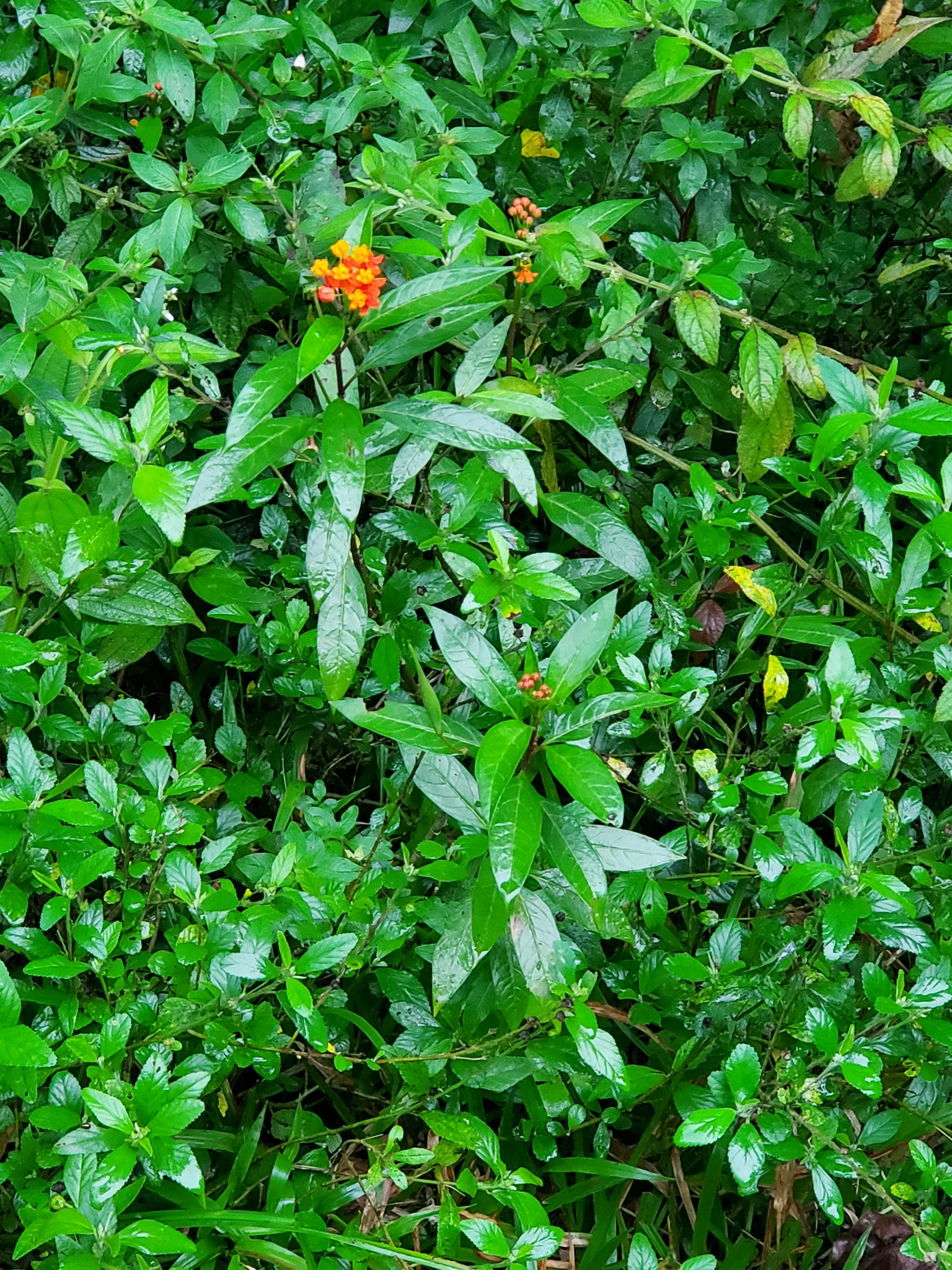
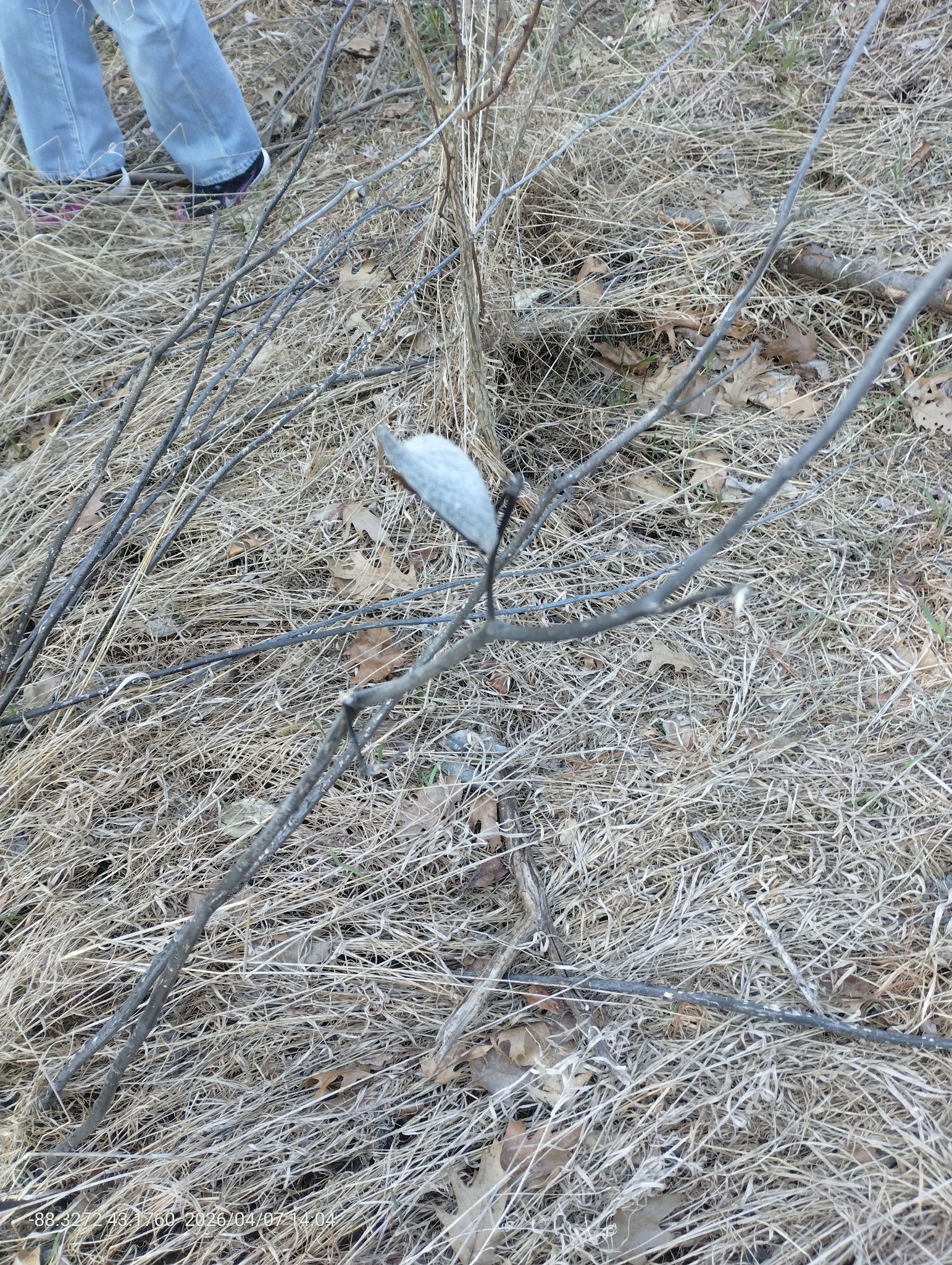
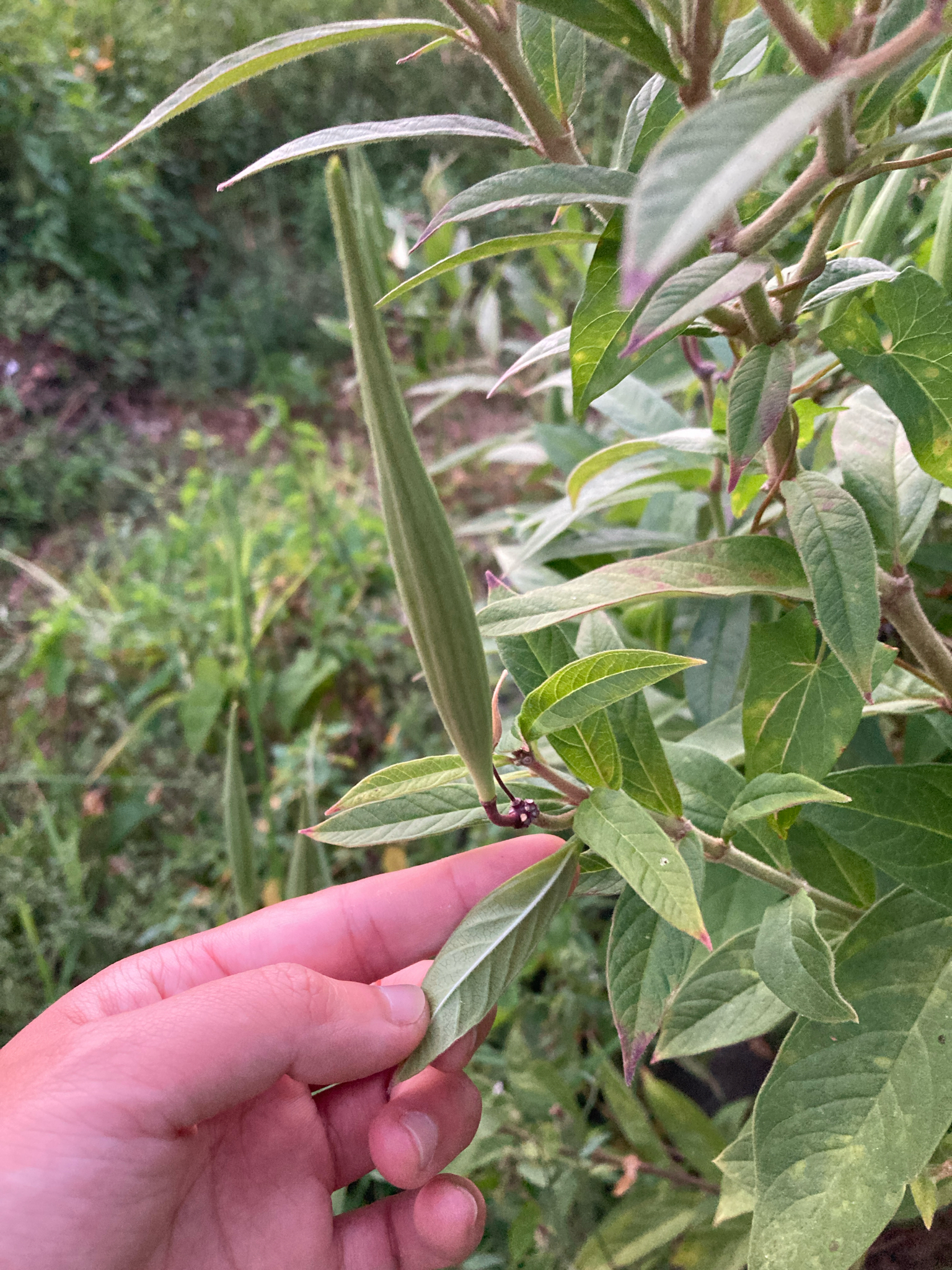
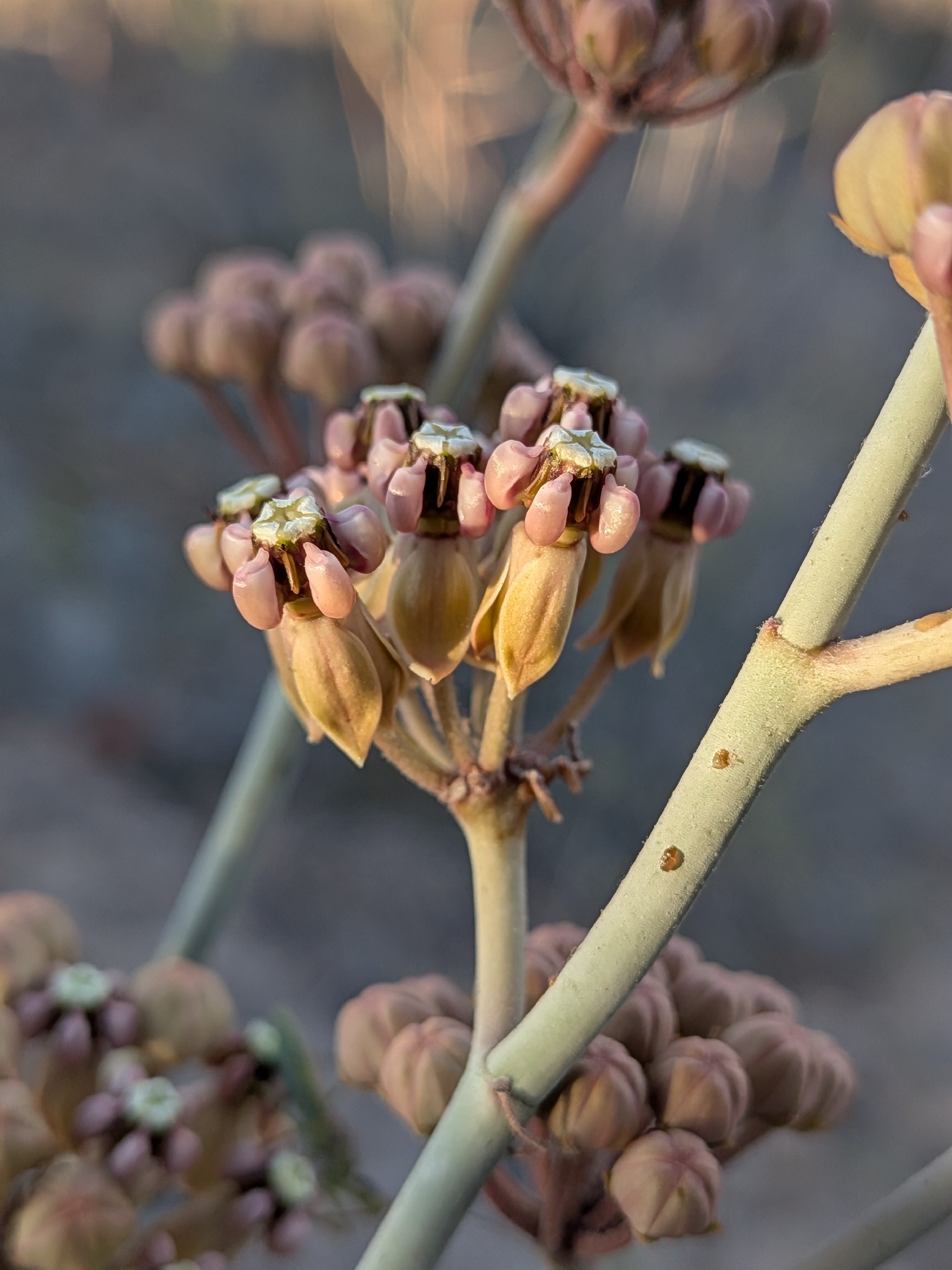
Photos of Oval-Leaved Milkweed (Asclepias ovalifolia)
Where Oval-Leaved Milkweed (Asclepias ovalifolia) is found

Density
Tap map to explore
Common names and botanical synonyms
Botanical classification
| Rank | Name |
|---|---|
| Kingdom | Plantae |
| Division | Tracheophyta |
| Class | Magnoliopsida |
| Order | Gentianales |
| Family | Apocynaceae |
| Genus | Asclepias |
| Species | Asclepias ovalifolia |
Similar in genus Asclepias
Answers based on plant encyclopedia data