Water
Pearl millet is drought-tolerant once established. Water deeply and infrequently, allowing the soil to dry out between waterings. Reduce watering during cooler periods.
Overwatering can lead to root rot, so ensure good drainage.
Also known as Bulrush Millet · Cat-Tail Millet · Ornamental Millet
Pearl Millet (Cenchrus americanus) is a drought-tolerant cereal grain widely cultivated for food and forage, known for its nutritional value and adaptability to arid regi
At-a-glance light, water, soil, and growing conditions from plant data
Full sun
100% intensity
Requires at least 6-8 hours of direct sunlight daily.
Moderate, drought-tolerant once established
50% intensity
Allow soil to dry between waterings.
Loamy, Sandy, Clay
50% intensity
Warm to hot
75% intensity
Thrives in temperatures between 25-35°C. Sensitive to frost.
Moderate
50% intensity
Benefits from balanced fertilizer at planting and supplemental nitrogen.
Safety information from plant toxicity data
| Attribute | Value |
|---|---|
| Toxic for humans | No 0/5 intensity |
| Toxic for pets | No 0/5 intensity |
| Edible | Yes |
None
Key traits and growing stats from plant data
Watering, pruning, propagation, and repotting details from plant data
Pearl millet is drought-tolerant once established. Water deeply and infrequently, allowing the soil to dry out between waterings. Reduce watering during cooler periods.
Overwatering can lead to root rot, so ensure good drainage.
Pruning is generally not required for pearl millet as it is grown as an annual grain crop. If desired for seed harvesting or biomass reduction, cut stems near the base after maturity.
Remove any dead or diseased foliage if it appears.
Pearl millet is typically propagated by seed. Sow seeds directly into the ground after the last frost when soil temperatures have warmed. Seeds germinate best in warm conditions.
Spacing depends on the desired plant density and variety.
Repotting is not applicable to pearl millet as it is cultivated as an annual field crop and is not grown in containers for horticultural purposes. It is sown directly into the soil and matures within a single growing season.
Identify plants like this with ePlant AI
Snap a photo to get care tips and match similar species on the go.
Monthly activity intensity for bloom and fruit across both hemispheres.
Flowering & fruiting calendar
Flowering & fruiting calendar
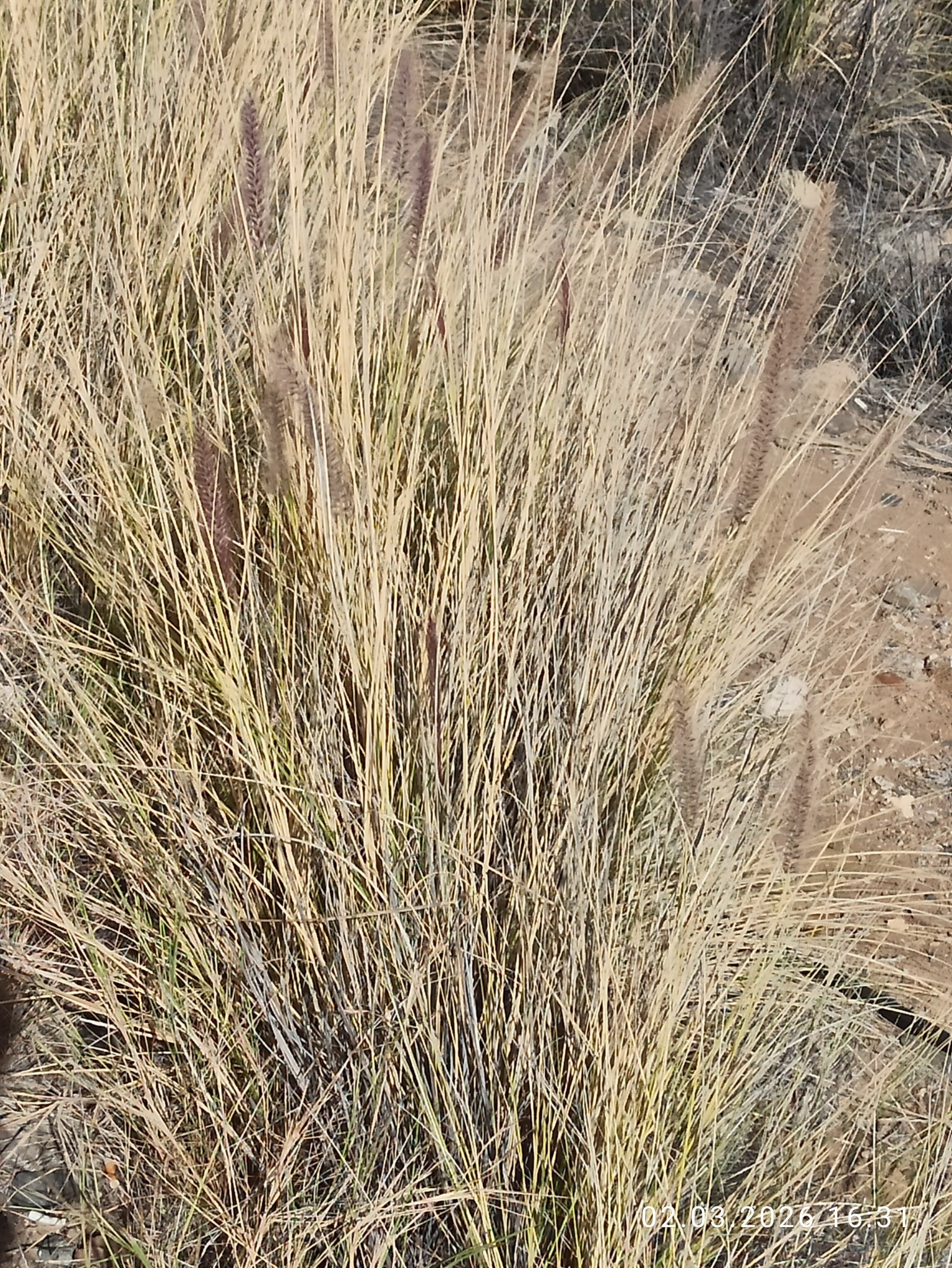
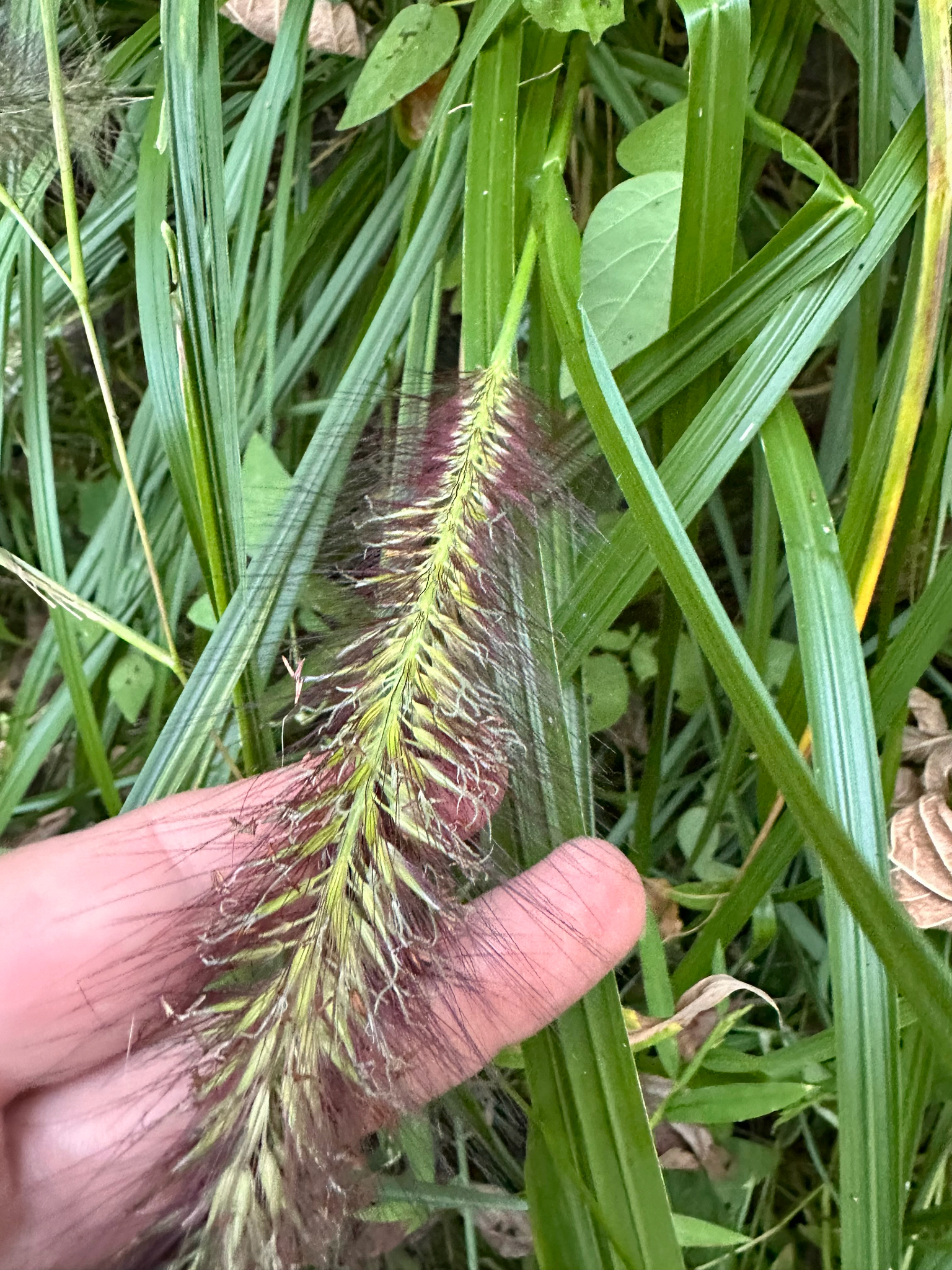
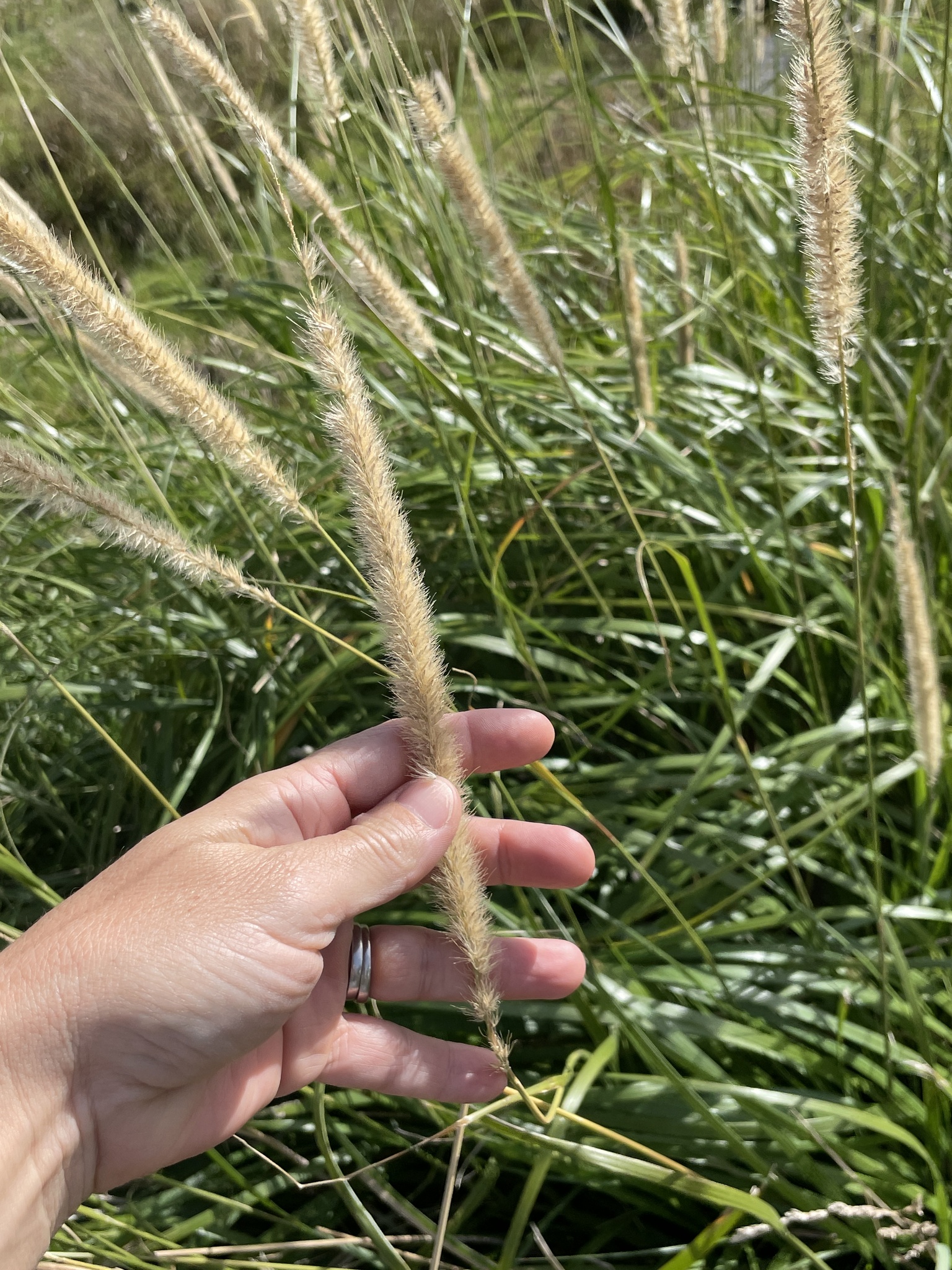
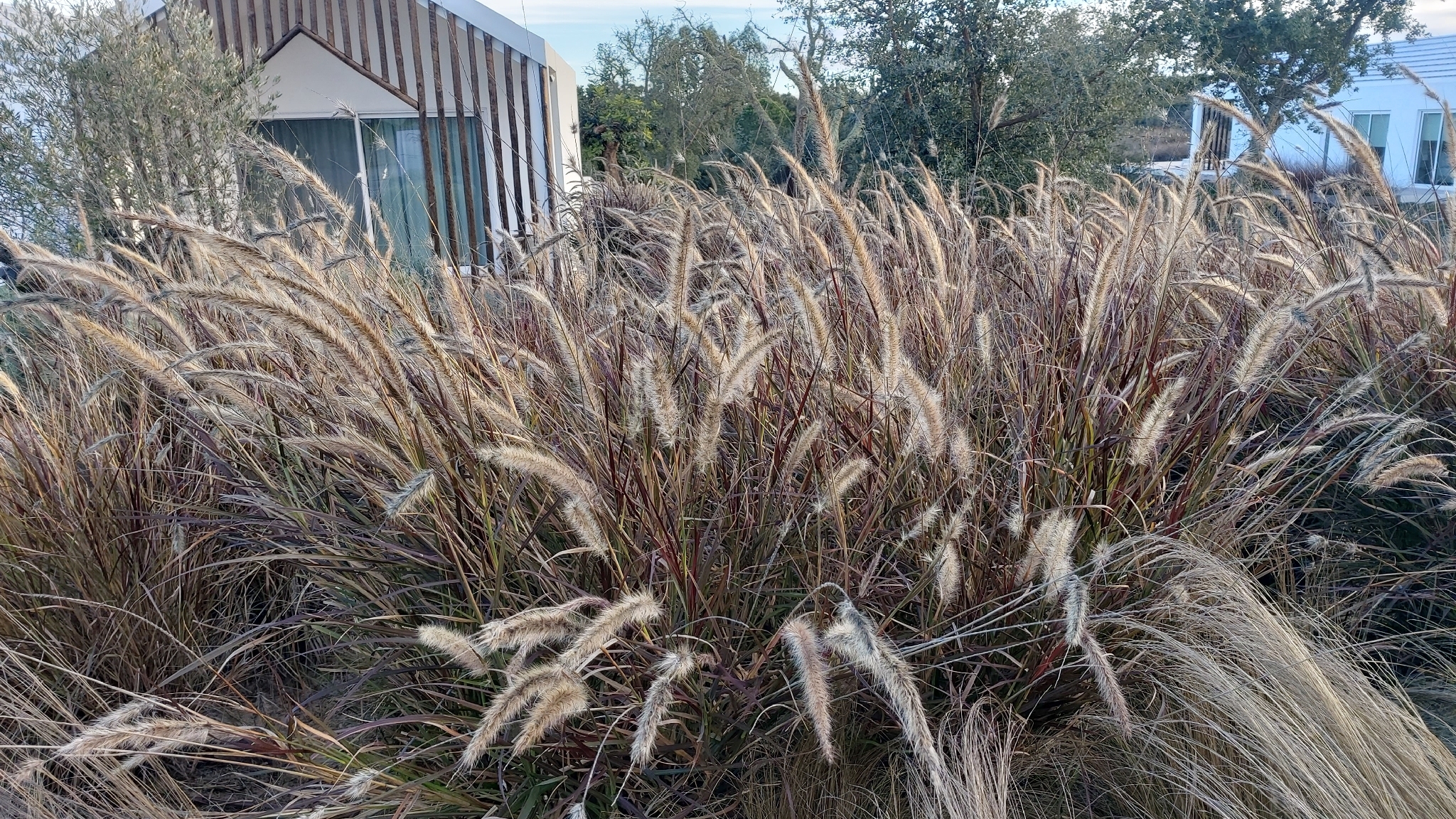
Photos of Pearl Millet (Cenchrus americanus)
5 known issues from plant disease data

Downy Mildew in Pearl Millet causes pale striped leaves, stunted plants, and malformed green heads that fail to fill grain properly.

Blast in Pearl Millet causes gray leaf spots and damaged heads, with blighting that dries florets and reduces grain set.

Ergot in Pearl Millet replaces developing grains with sticky droplets and dark bodies, leaving heads dirty, distorted, and partly empty.

Smut in Pearl Millet turns grains into black powdery masses, leaving affected heads partly destroyed and heavily contaminated.

Rust in Pearl Millet causes small brown pustules on leaves that spread quickly, leading to drying, weakening, and reduced vigor.
Common names and botanical synonyms
Botanical classification
| Rank | Name |
|---|---|
| Kingdom | Plantae |
| Division | Tracheophyta |
| Class | Liliopsida |
| Order | Poales |
| Family | Poaceae |
| Genus | Cenchrus |
| Species | Cenchrus americanus |
Similar in genus Cenchrus
Answers based on plant encyclopedia data