Water
Water moderately when the soil begins to dry out during the growing season. Reduce watering significantly once the foliage starts to yellow and die back, allowing the bulbs to enter dormancy.
Ensure good drainage to prevent bulb rot.
Also known as Persian Fritillary · Sand Fritillary
Safety note: This plant may be toxic to humans and pets. See toxicity details.
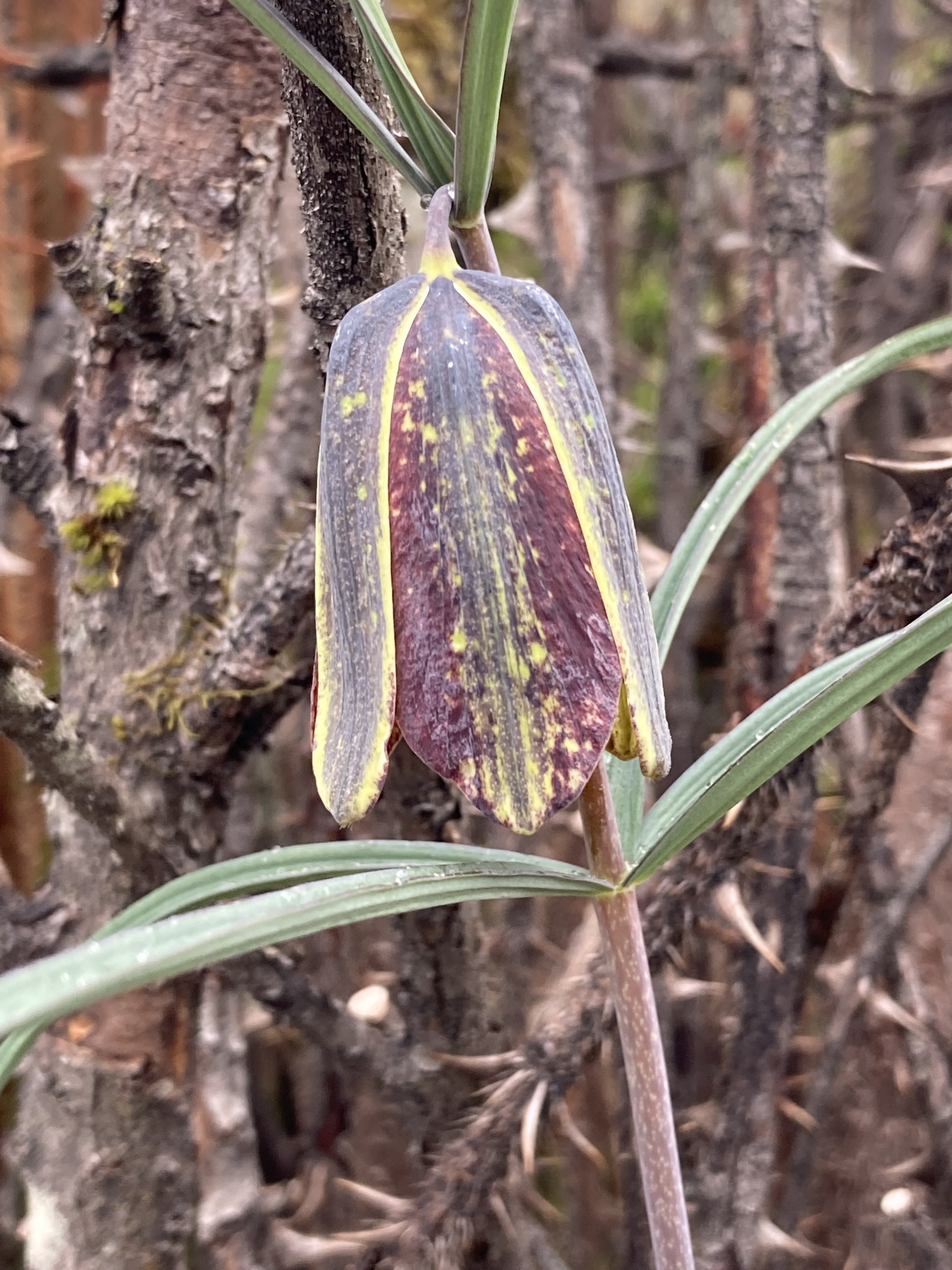
Persian Lily (Fritillaria persica) boasts tall stems with nodding, bell-shaped flowers in shades of purple and green, blooming in spring.
At-a-glance light, water, soil, and growing conditions from plant data
Full sun.
100% intensity
Prefers a location that receives at least six hours of direct sunlight daily for optimal flowering and bulb development.
Moderate, but allow to dry between waterings.
50% intensity
Water thoroughly when soil is dry to the touch during active growth, then reduce significantly during dormancy.
Well-drained, fertile soil
50% intensity
Adaptable, prefers cool winters.
50% intensity
Requires a period of winter chilling for successful blooming. Protect from extreme heat.
Outdoor
50% intensity
Light feeding during growth.
25% intensity
Fertilize monthly with diluted balanced liquid feed during the growing season; cease when foliage dies back.
Safety information from plant toxicity data
| Attribute | Value |
|---|---|
| Toxic for humans | Yes 5/5 intensity |
| Toxic for pets | Yes 5/5 intensity |
| Edible | No |
Bulbs are toxic if ingested.
Key traits and growing stats from plant data
Watering, pruning, propagation, and repotting details from plant data
Water moderately when the soil begins to dry out during the growing season. Reduce watering significantly once the foliage starts to yellow and die back, allowing the bulbs to enter dormancy.
Ensure good drainage to prevent bulb rot.
Remove spent flower stalks immediately after blooming to prevent seed formation, which can deplete the bulb's energy. Cut back yellowing or dead foliage to the ground in late spring or early summer once it has naturally withered, signaling the end of its active growth phase.
Propagate primarily through offsets produced by established bulbs. Carefully separate offsets during repotting in late summer or early autumn and replant them.
Seed propagation is possible but takes considerably longer to reach flowering size.
Repot every 2-3 years in late summer or early autumn, just as new roots begin to form. Use a well-draining potting mix and a pot that allows ample space for the bulbs.
Ensure bulbs are planted at the correct depth, about twice their height.
Identify plants like this with ePlant AI
Snap a photo to get care tips and match similar species on the go.
Monthly activity intensity for bloom and fruit across both hemispheres.
Flowering & fruiting calendar
Flowering & fruiting calendar
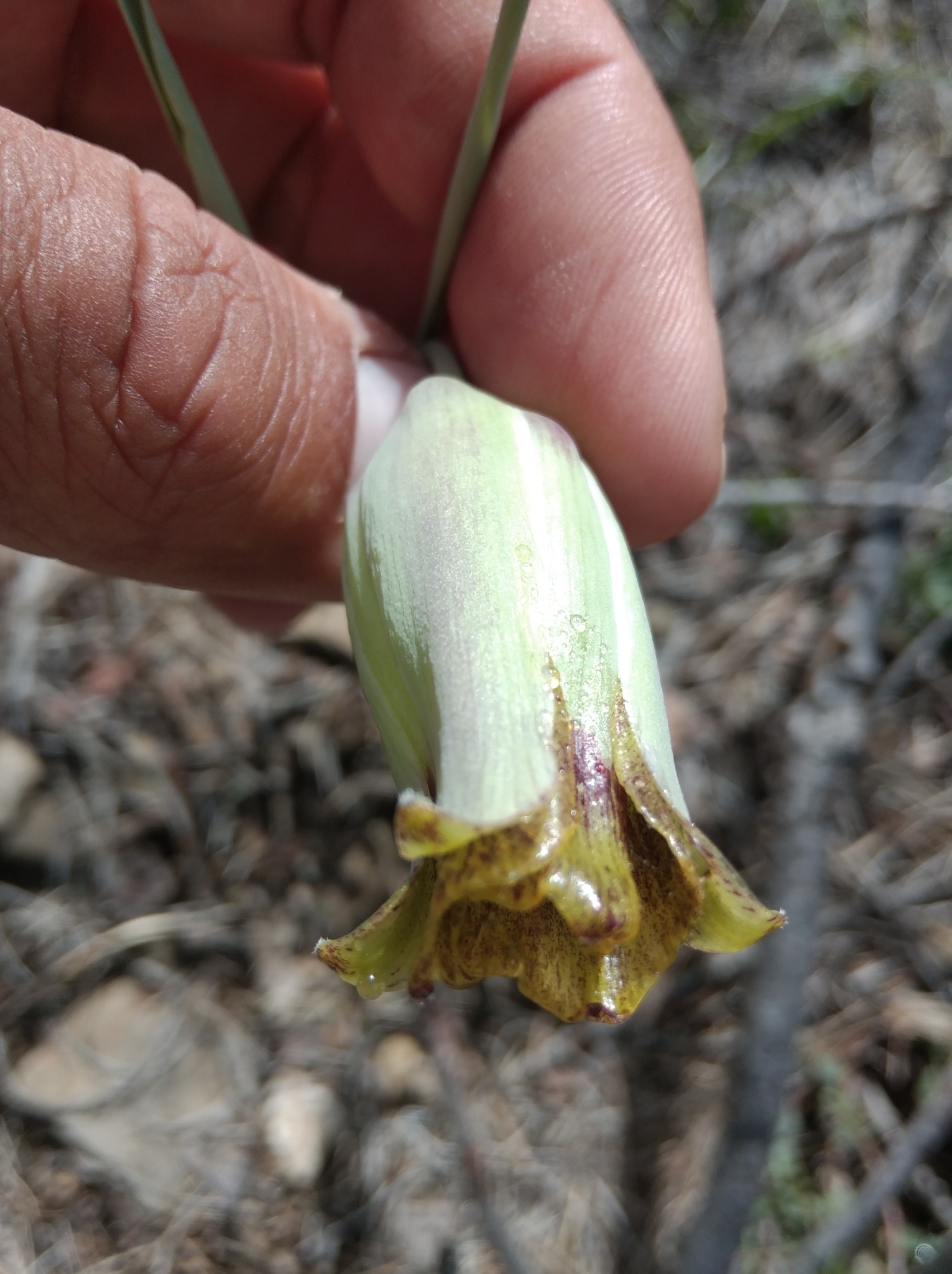
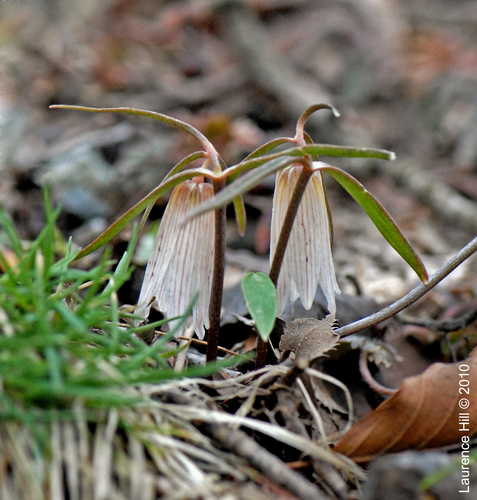
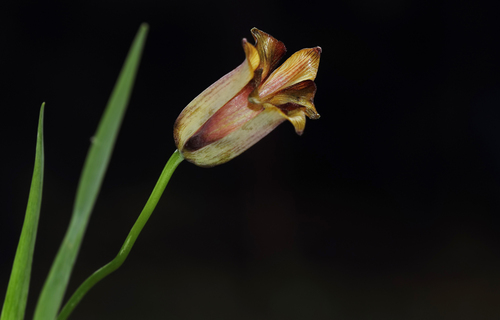
Photos of Persian Lily (Fritillaria persica)
Where Persian Lily (Fritillaria persica) is found

Density
Tap map to explore
Common names and botanical synonyms
Botanical classification
| Rank | Name |
|---|---|
| Kingdom | Plantae |
| Division | Tracheophyta |
| Class | Liliopsida |
| Order | Liliales |
| Family | Liliaceae |
| Genus | Fritillaria |
| Species | Fritillaria persica |
Similar in genus Fritillaria
Answers based on plant encyclopedia data