Water
Water regularly to keep the soil consistently moist but not waterlogged, especially during the growing season. Reduce watering in winter when the plant is less active. Ensure good drainage to prevent root rot.
Overwatering is a common issue.
Also known as Alstroemeria · Alstroemeria Colorita Red · Alstromelia
Safety note: This plant may be toxic to humans and pets. See toxicity details.
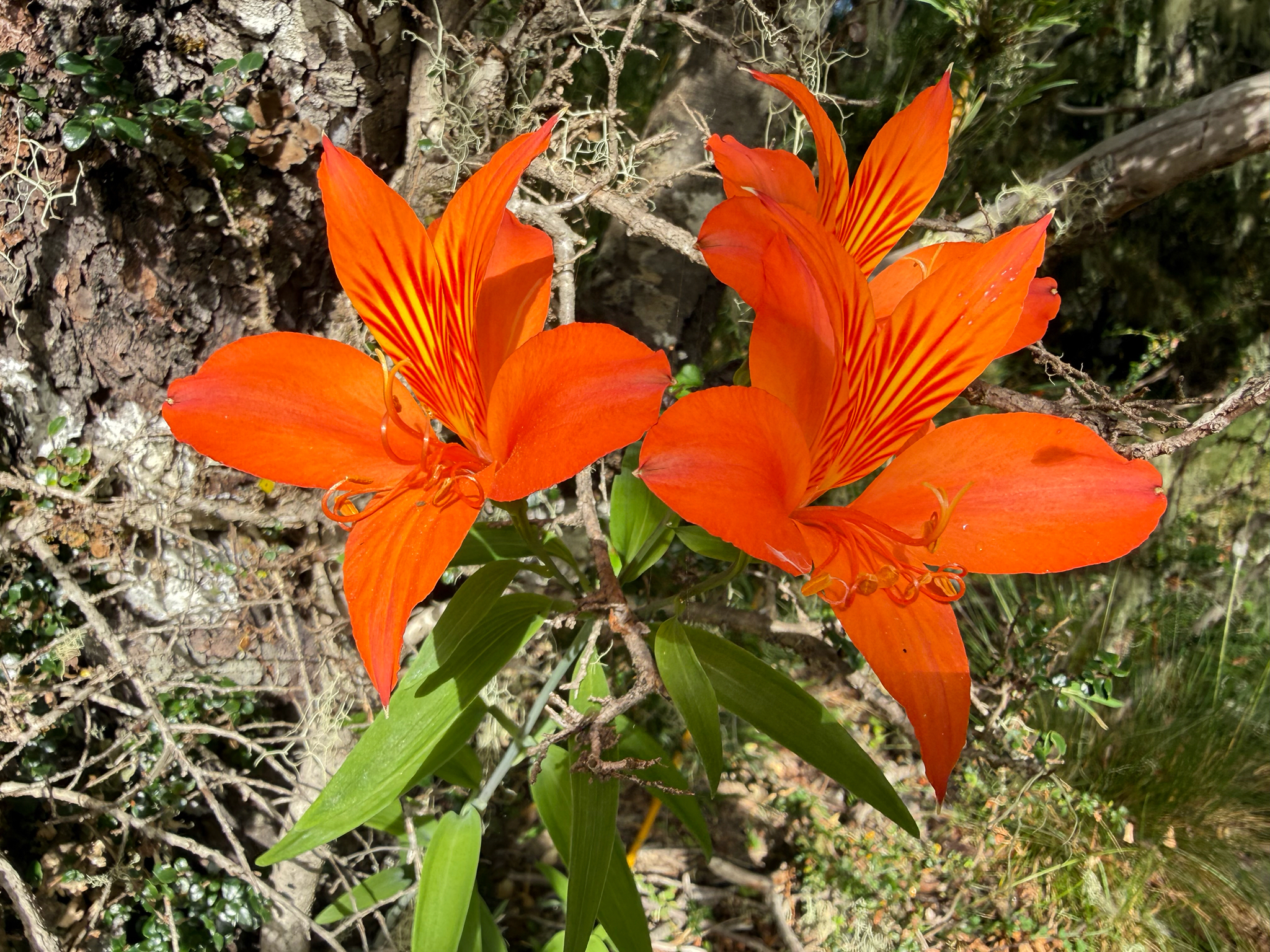
Alstroemeria aurea, the Peruvian Lily, is a vibrant South American native, prized for its long-lasting, lily-like flowers in warm hues.
At-a-glance light, water, soil, and growing conditions from plant data
Full sun to partial shade
75% intensity
Prefers at least 6 hours of direct sunlight daily for best flowering, but can tolerate some afternoon shade in hotter climates.
Moderate
50% intensity
Keep soil consistently moist during the growing season; reduce in winter. Ensure good drainage.
Well-drained, fertile loam
50% intensity
Moderate
50% intensity
Thrives in temperatures between 15-24°C during the day and cooler at night. Protect from frost.
Outdoor
50% intensity
Moderate
50% intensity
Feed with a balanced liquid fertilizer every 4-6 weeks during the growing season (spring/summer).
Safety information from plant toxicity data
| Attribute | Value |
|---|---|
| Toxic for humans | Yes 5/5 intensity |
| Toxic for pets | Yes 5/5 intensity |
| Edible | No |
Mildly toxic. Contains protoanemonin, which can cause skin irritation and gastrointestinal upset if ingested.
Key traits and growing stats from plant data
Watering, pruning, propagation, and repotting details from plant data
Water regularly to keep the soil consistently moist but not waterlogged, especially during the growing season. Reduce watering in winter when the plant is less active. Ensure good drainage to prevent root rot.
Overwatering is a common issue.
Deadhead spent blooms regularly to encourage more flowering and maintain a tidy appearance. Cut back dead or yellowing foliage at the end of the growing season, typically in late autumn.
This helps the plant conserve energy for the next blooming period.
Propagate Alstroemeria aurea by dividing established clumps in early spring or autumn. You can also sow fresh seeds in autumn or spring, though seedlings may take a year or two to flower.
Division is generally more straightforward for home gardeners.
Repot Alstroemeria aurea every 2-3 years, or when the plant becomes root-bound. The best time to repot is in early spring before new growth begins.
Use a well-draining potting mix and choose a container slightly larger than the previous one.
Identify plants like this with ePlant AI
Snap a photo to get care tips and match similar species on the go.
Monthly activity intensity for bloom and fruit across both hemispheres.
Flowering & fruiting calendar
Flowering & fruiting calendar
Photos of Peruvian Lily (Alstroemeria aurea)
Common names and botanical synonyms
Botanical classification
| Rank | Name |
|---|---|
| Kingdom | Plantae |
| Division | Tracheophyta |
| Class | Liliopsida |
| Order | Liliales |
| Family | Alstroemeriaceae |
| Genus | Alstroemeria |
| Species | Alstroemeria aurea |
Similar in genus Alstroemeria
Answers based on plant encyclopedia data