Water
Water moderately when the top 2-3 cm of soil feels dry. Allow soil to dry out between waterings, especially in cooler months. Ensure good drainage to prevent root rot.
Overwatering is the most common cause of problems for Phoenician Junipers.
Also known as Phoe Juniper · Phoenicean Juniper
Phoenician Juniper (Juniperus phoenicea) — benefits, care & growing guide for this Juniperus species. Find watering, sunlight, soil, and growing tips to keep Phoenician Juniper healthy, plus identification notes and plant profile details from ePlant AI.
At-a-glance light, water, soil, and growing conditions from plant data
Full Sun
100% intensity
Prefers full sun for best growth and cone production. Can tolerate partial shade.
Moderate
50% intensity
Allow soil to dry slightly between waterings. Drought tolerant once established.
Well-drained, Sandy, Loamy, Chalky
50% intensity
Adaptable
50% intensity
Tolerates a wide range of temperatures, from hot summers to moderate frosts. Hardy in USDA zones 8-11.
Low
25% intensity
Fertilize sparingly in spring with a balanced evergreen fertilizer.
Safety information from plant toxicity data
| Attribute | Value |
|---|---|
| Toxic for humans | No 0/5 intensity |
| Toxic for pets | No 0/5 intensity |
Non-toxic
Key traits and growing stats from plant data
Watering, pruning, propagation, and repotting details from plant data
Water moderately when the top 2-3 cm of soil feels dry. Allow soil to dry out between waterings, especially in cooler months. Ensure good drainage to prevent root rot.
Overwatering is the most common cause of problems for Phoenician Junipers.
Prune in late winter or early spring before new growth begins to shape the plant and remove dead or damaged branches. Avoid heavy pruning into old wood as it may not regrow.
Light shaping can be done throughout the growing season.
Propagation is typically done by semi-hardwood cuttings taken in late summer or early autumn. Use a rooting hormone and plant in a well-draining medium.
Keep consistently moist and in a warm, humid environment until roots form.
Repot young plants every 2-3 years, or when root-bound, in early spring. Use a well-draining, sandy potting mix. Mature plants require less frequent repotting.
Ensure the new pot has adequate drainage holes to prevent waterlogging.
Identify plants like this with ePlant AI
Snap a photo to get care tips and match similar species on the go.
Monthly activity intensity for bloom and fruit across both hemispheres.
Flowering & fruiting calendar
Flowering & fruiting calendar
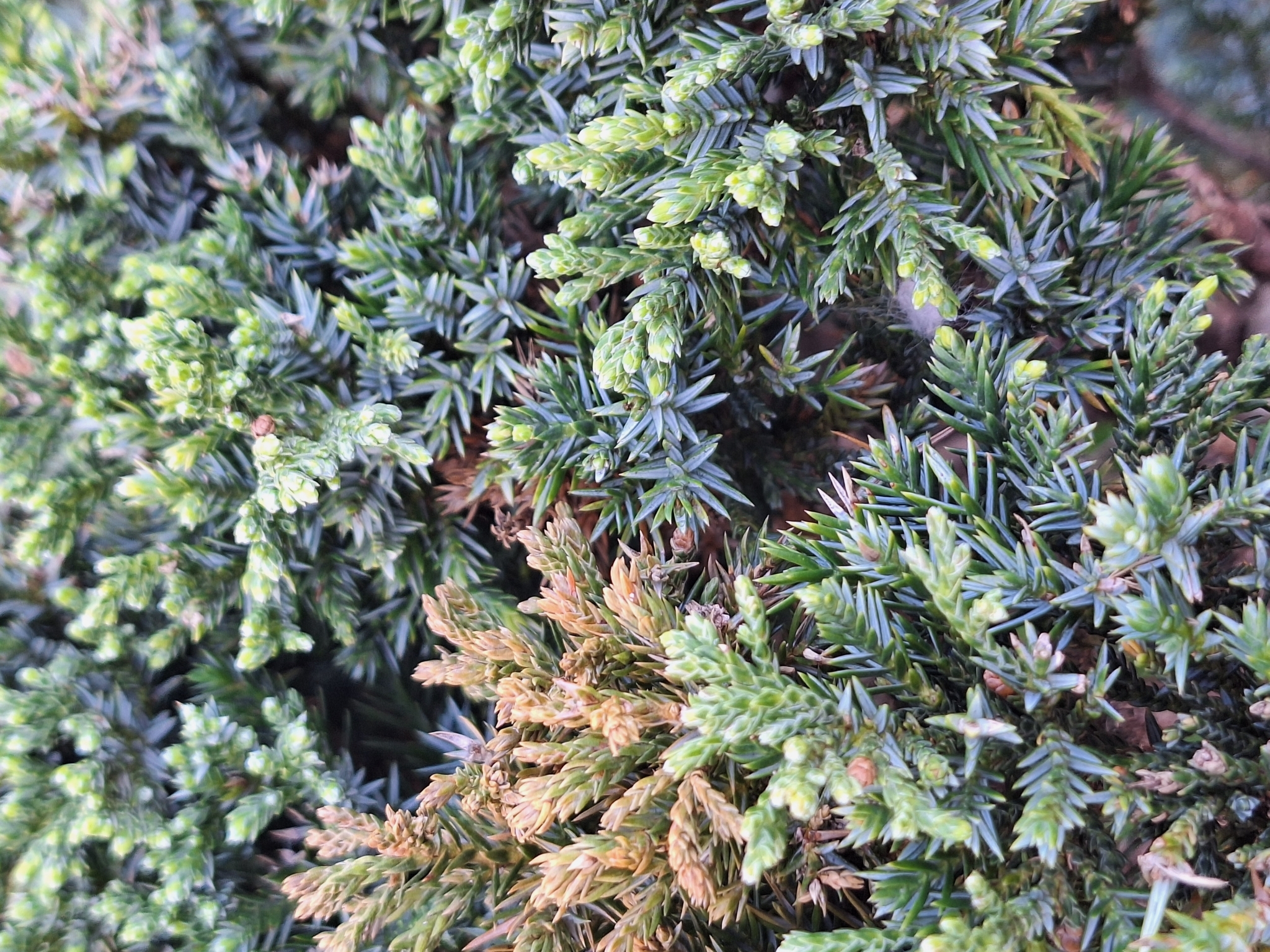
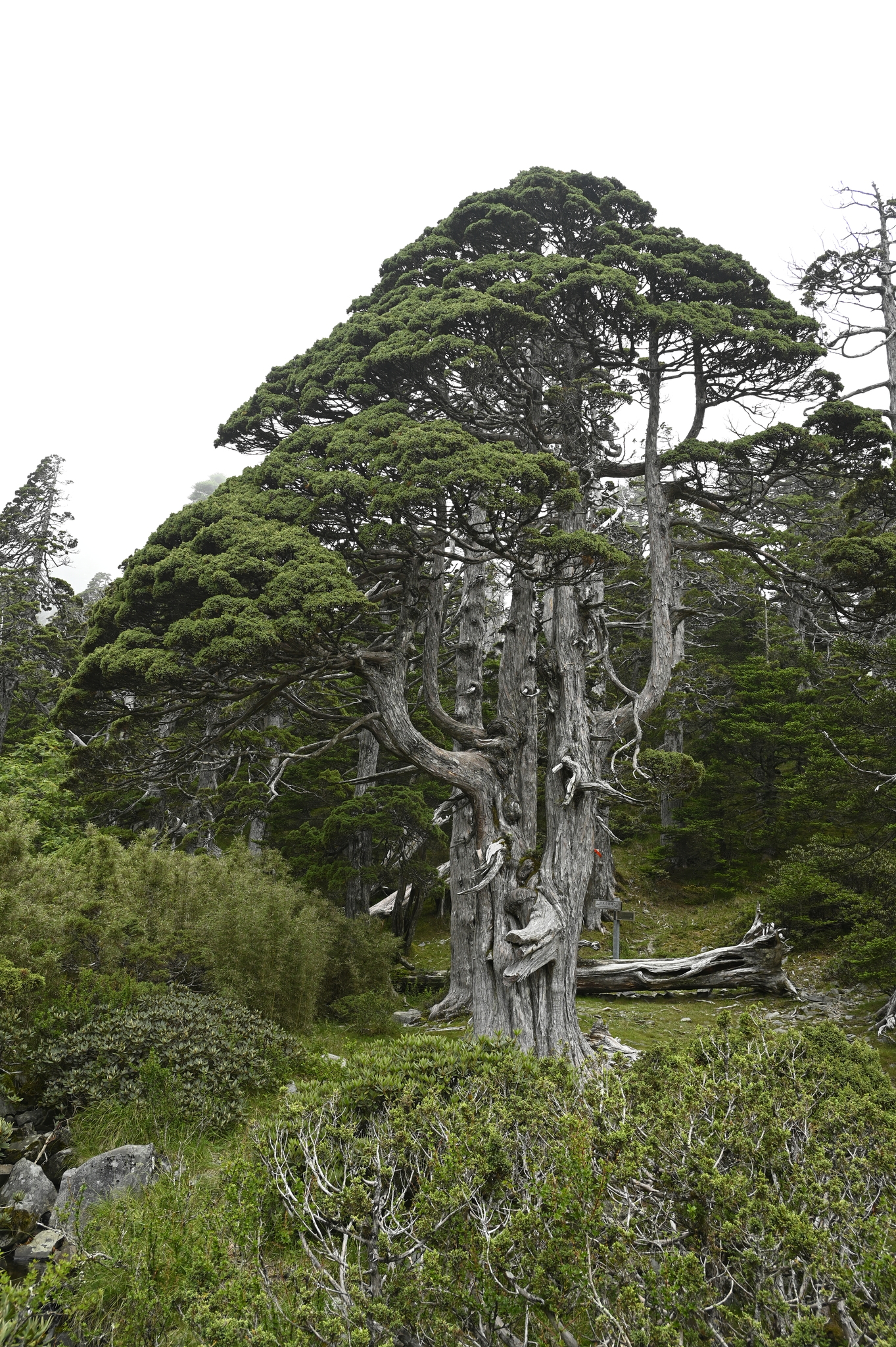
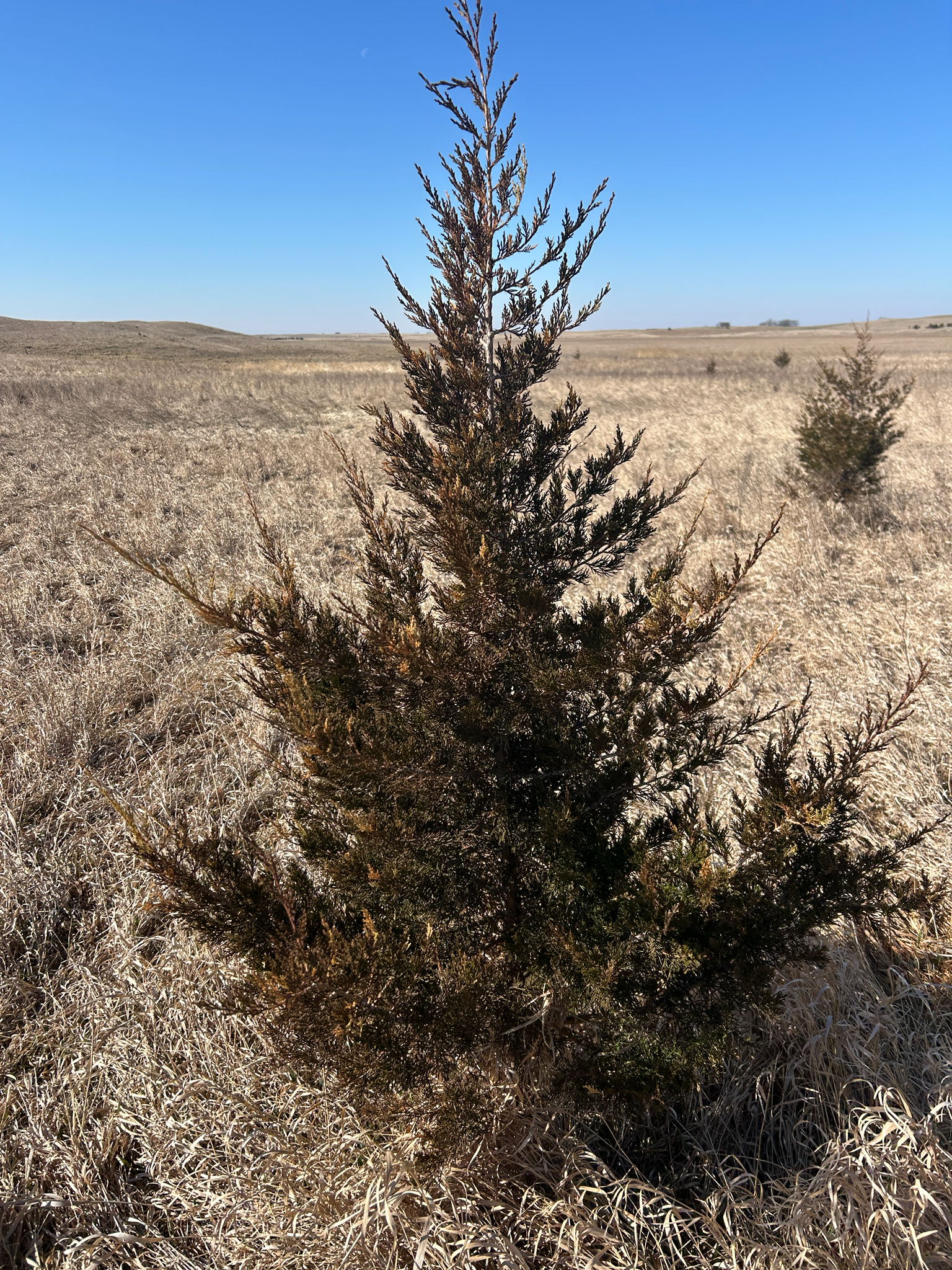
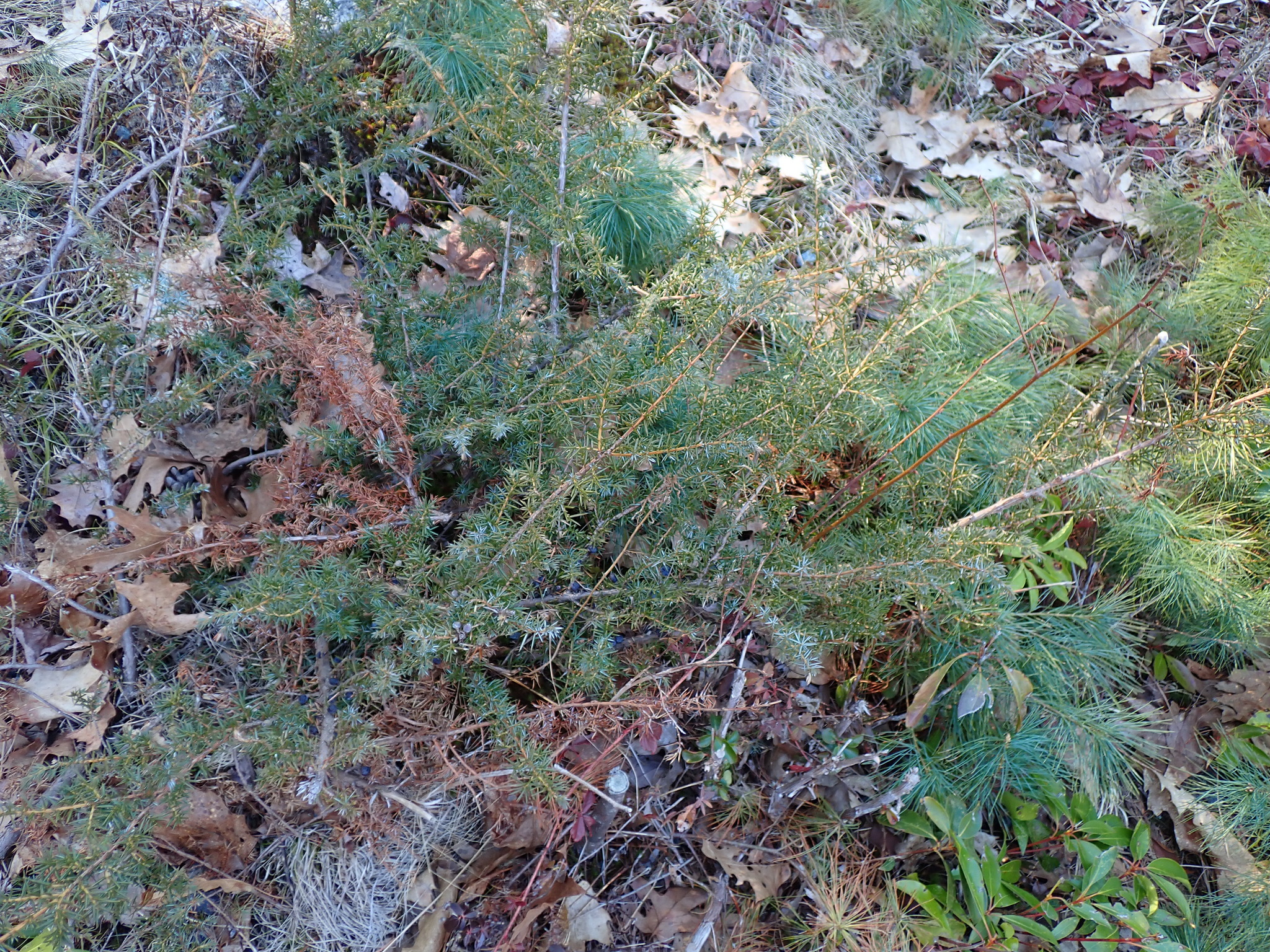
Photos of Phoenician Juniper (Juniperus phoenicea)
Where Phoenician Juniper (Juniperus phoenicea) is found

Density
Tap map to explore
Common names and botanical synonyms
Botanical classification
| Rank | Name |
|---|---|
| Kingdom | Plantae |
| Division | Tracheophyta |
| Class | Pinopsida |
| Order | Pinales |
| Family | Cupressaceae |
| Genus | Juniperus |
| Species | Juniperus phoenicea |
Similar in genus Juniperus
Answers based on plant encyclopedia data