Water
Keep the soil consistently moist but not waterlogged. Water thoroughly when the top 2-3 cm of soil feels dry. Reduce watering during cooler, dormant periods to prevent root rot.
Ensure good drainage to avoid standing water around the roots.
Also known as Piassaba · Piassava
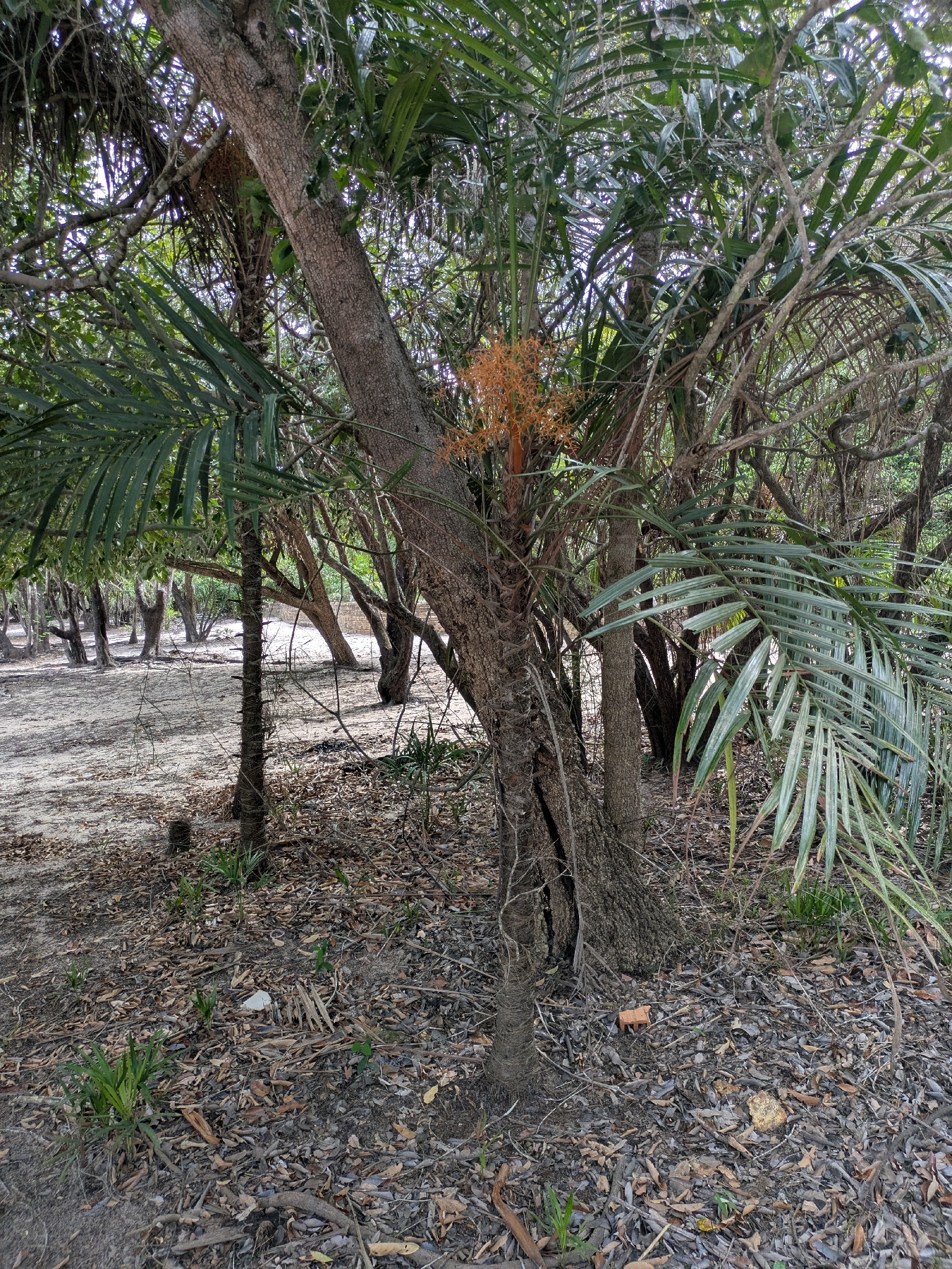
Leopoldinia piassaba, or Para Piassava, is a palm native to the Amazon basin, primarily known for its strong, fibrous fronds used in brush making and thatching.
At-a-glance light, water, soil, and growing conditions from plant data
Moderate
50% intensity
Prefers bright, indirect light. Can tolerate some shade but may grow less vigorously. Avoid direct, harsh sunlight.
Moderate
50% intensity
Keep soil consistently moist but allow the top layer to dry slightly between waterings.
Well-draining, sandy loam
50% intensity
Moderate
50% intensity
Thrives in warm temperatures between 18-27°C. Protect from frost and cold drafts; avoid temperatures below 10°C.
Moderate
50% intensity
Feed with a balanced liquid fertilizer diluted to half strength during the growing season.
Safety information from plant toxicity data
| Attribute | Value |
|---|---|
| Toxic for humans | No 0/5 intensity |
| Toxic for pets | No 0/5 intensity |
Key traits and growing stats from plant data
Watering, pruning, propagation, and repotting details from plant data
Keep the soil consistently moist but not waterlogged. Water thoroughly when the top 2-3 cm of soil feels dry. Reduce watering during cooler, dormant periods to prevent root rot.
Ensure good drainage to avoid standing water around the roots.
Pruning is minimal, mainly focused on removing dead or damaged fronds at their base. This helps maintain the plant's aesthetic appeal and health. Avoid cutting into the trunk. Pruning is best done in spring.
Para Piassava is primarily propagated by seeds. Sow seeds in a well-draining, moist seed-starting mix. Germination can be slow and erratic. Optimal conditions involve warmth and consistent moisture.
Division of established clumps is rarely successful.
Repot young plants every 2-3 years or when root-bound, typically in spring. Use a well-draining potting mix. Mature plants rarely need repotting; focus on top-dressing with fresh soil if necessary.
Choose a pot slightly larger than the current one.
Identify plants like this with ePlant AI
Snap a photo to get care tips and match similar species on the go.
Monthly activity intensity for bloom and fruit across both hemispheres.
Flowering & fruiting calendar
Flowering & fruiting calendar
Photos of Para Piassava (Leopoldinia piassaba)
Where Para Piassava (Leopoldinia piassaba) is found

Density
Tap map to explore
Common names and botanical synonyms
Botanical classification
| Rank | Name |
|---|---|
| Kingdom | Plantae |
| Division | Tracheophyta |
| Class | Liliopsida |
| Order | Arecales |
| Family | Arecaceae |
| Genus | Leopoldinia |
| Species | Leopoldinia piassaba |
Similar in genus Leopoldinia
Answers based on plant encyclopedia data