Water
Chrysopogon aciculatus prefers a moderately moist soil. Water thoroughly when the top 2-3 cm of soil feels dry. Avoid waterlogging, especially during cooler months, as this can lead to root rot.
Reduce watering frequency in winter.
Also known as Bajang-Bajang · Chore Kata · Golden Beardgrass
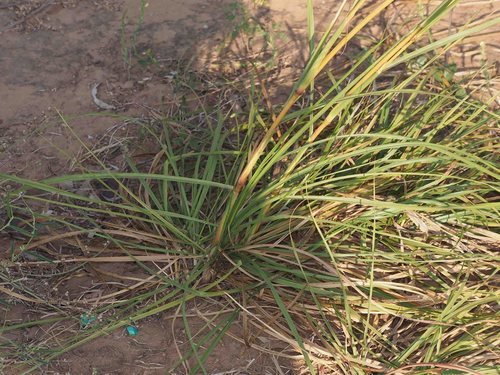
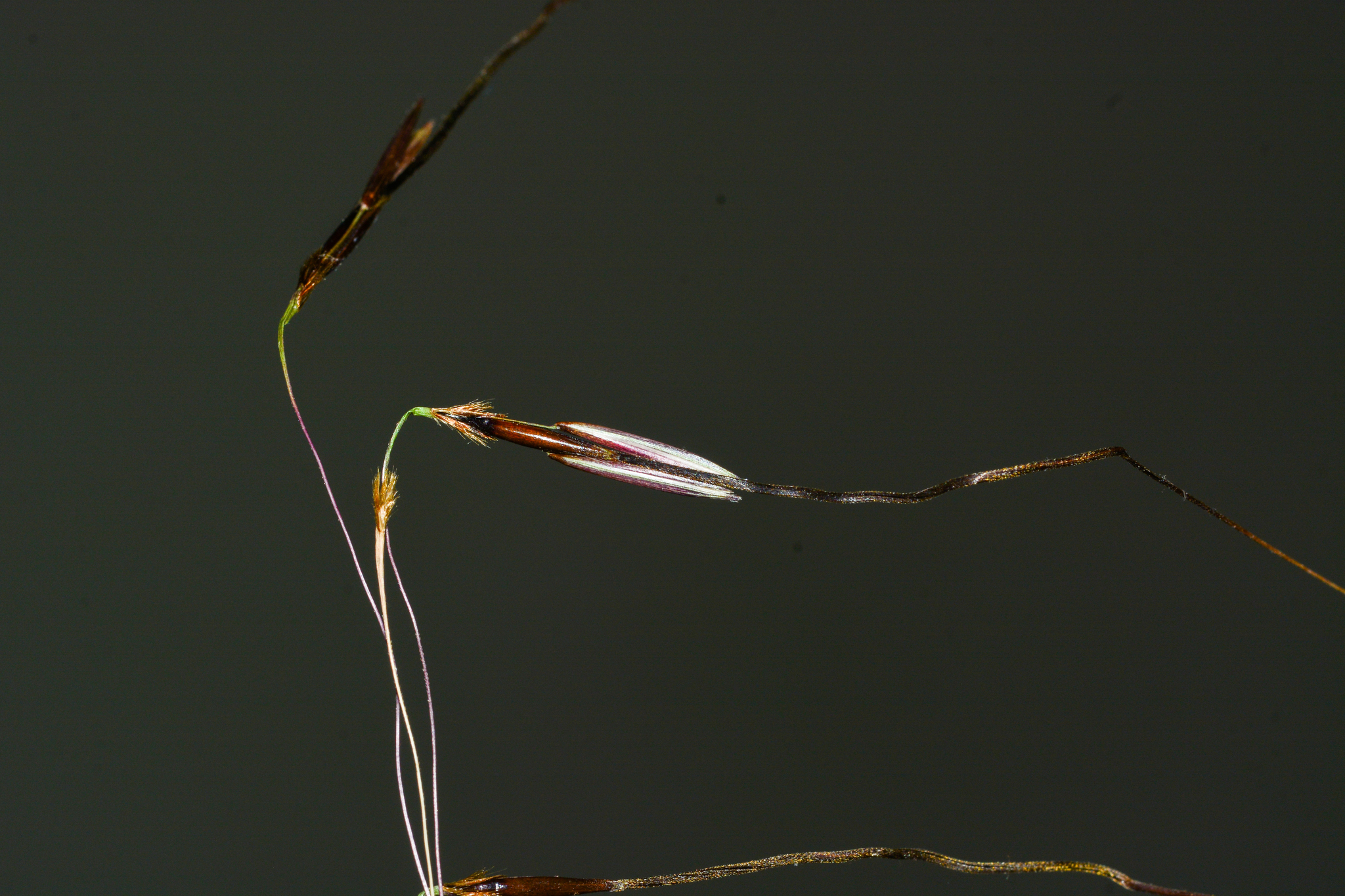
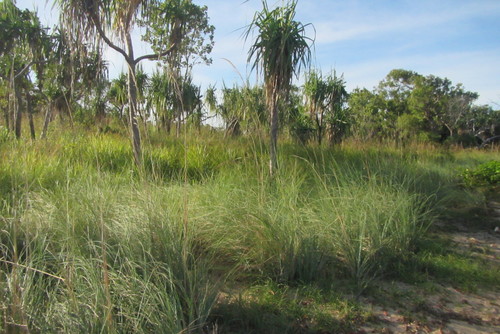
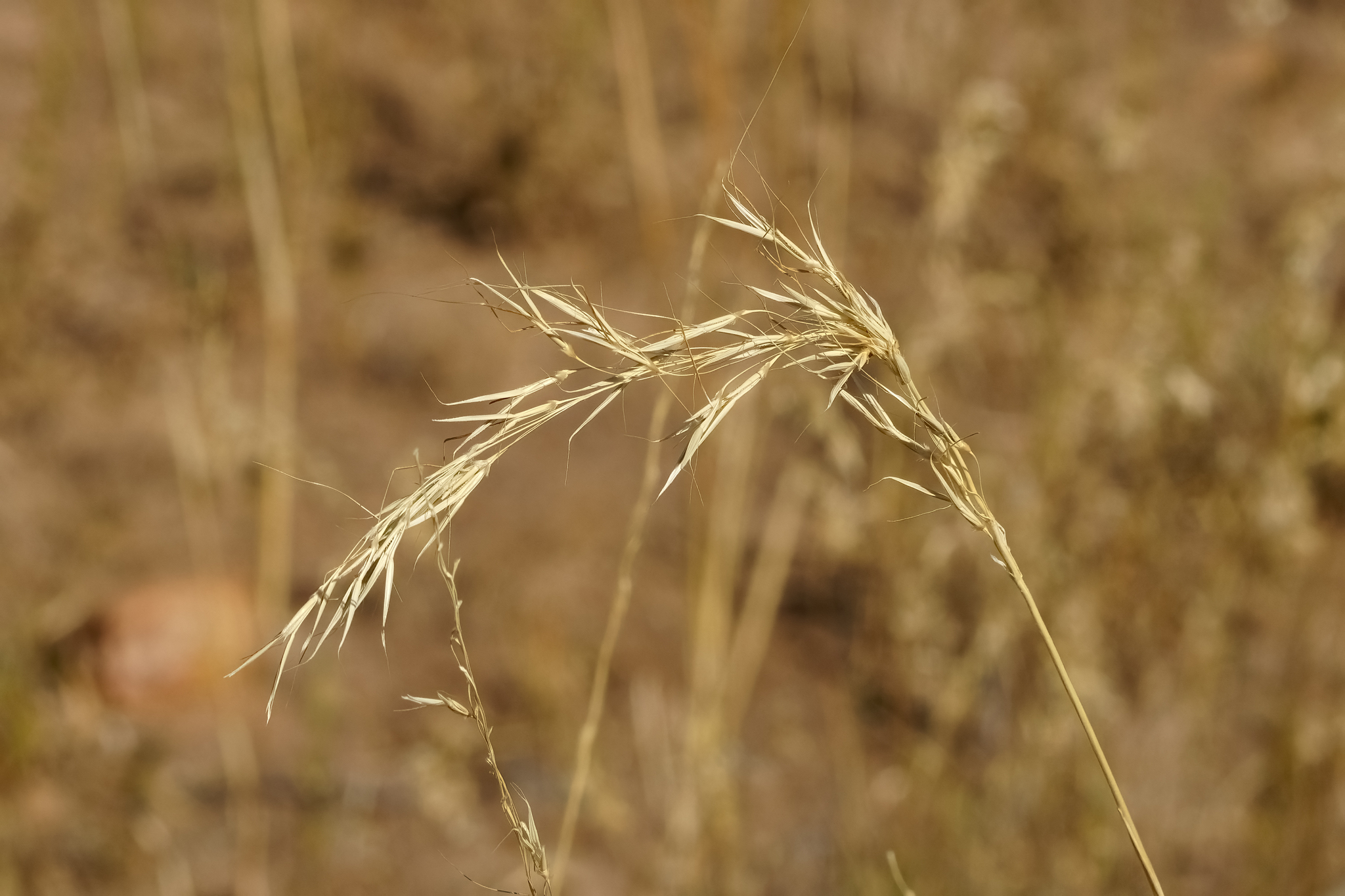
Mackie's Pest (Chrysopogon aciculatus) is a tufted perennial grass known for its sharp, barbed seeds that readily attach to fur and clothing, making it a troublesome weed
At-a-glance light, water, soil, and growing conditions from plant data
Full Sun
100% intensity
Prefers full sun to thrive and produce optimal growth and flowering.
Moderate
50% intensity
Allow the topsoil to dry out slightly between waterings. Avoid soggy conditions.
Loam, Sand, Clay, Acidic, Neutral, Alkaline
50% intensity
Moderate to High
75% intensity
Prefers warm temperatures; thrives in tropical and subtropical climates. Protect from frost.
Low
25% intensity
Light feeding in spring is generally sufficient. Avoid over-fertilization.
Safety information from plant toxicity data
| Attribute | Value |
|---|---|
| Toxic for humans | No 0/5 intensity |
| Toxic for pets | No 0/5 intensity |
| Edible | No |
None
Key traits and growing stats from plant data
Watering, pruning, propagation, and repotting details from plant data
Chrysopogon aciculatus prefers a moderately moist soil. Water thoroughly when the top 2-3 cm of soil feels dry. Avoid waterlogging, especially during cooler months, as this can lead to root rot.
Reduce watering frequency in winter.
Prune back dead or damaged foliage at any time. For aesthetic purposes and to encourage new growth, cut back the entire plant by about one-third in late winter or early spring before new shoots emerge.
Remove spent flower stalks as needed.
Chrysopogon aciculatus is typically propagated by seed or by division. Sow seeds in spring in well-draining soil. Divisions can be made in spring or early autumn.
Ensure the divisions have sufficient roots and foliage for successful establishment.
Repotting is rarely necessary for this grass, as it is often grown in the ground. If grown in a container, repot only when the plant becomes pot-bound, typically every 2-3 years. Use a well-draining potting mix.
Repot in spring.
Identify plants like this with ePlant AI
Snap a photo to get care tips and match similar species on the go.
Monthly activity intensity for bloom and fruit across both hemispheres.
Flowering & fruiting calendar
Flowering & fruiting calendar
Photos of Mackie's Pest (Chrysopogon aciculatus)
Where Mackie's Pest (Chrysopogon aciculatus) is found

Density
Tap map to explore
Common names and botanical synonyms
Botanical classification
| Rank | Name |
|---|---|
| Kingdom | Plantae |
| Division | Tracheophyta |
| Class | Liliopsida |
| Order | Poales |
| Family | Poaceae |
| Genus | Chrysopogon |
| Species | Chrysopogon aciculatus |
Similar in genus Chrysopogon
Answers based on plant encyclopedia data