Water
Keep the soil consistently moist, but avoid waterlogging. Use distilled, rainwater, or reverse osmosis water as tap water can harm them.
Also known as Pitcherplant
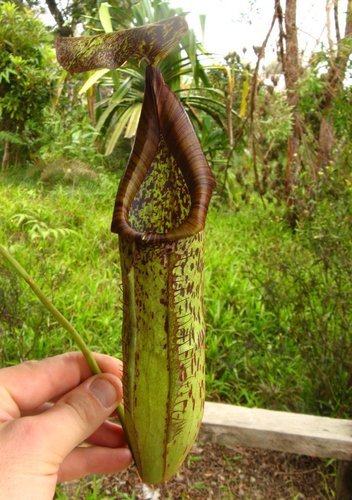
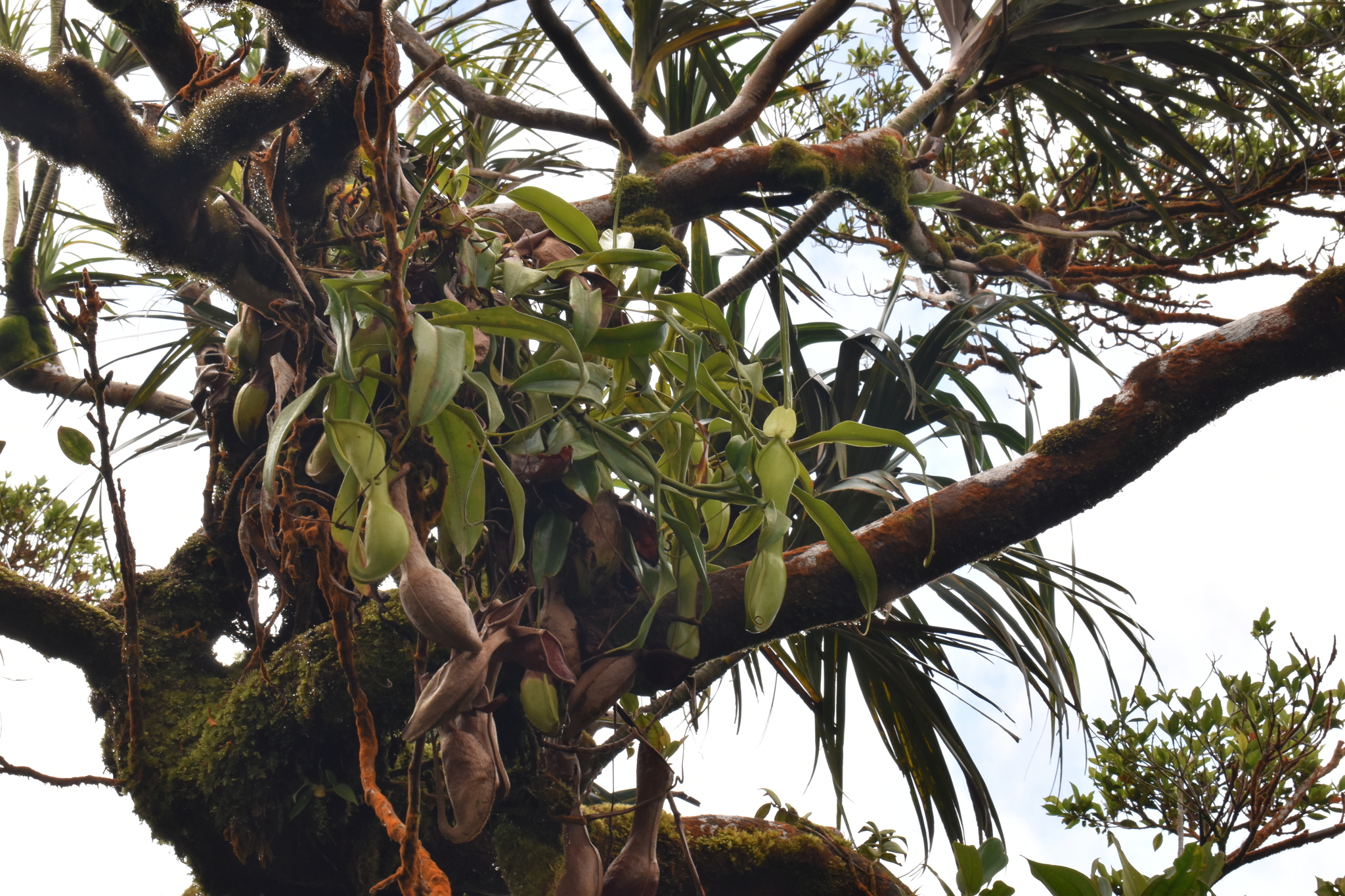
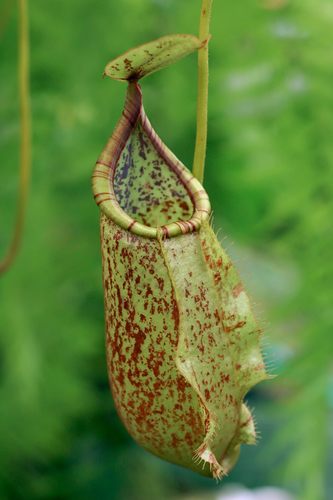
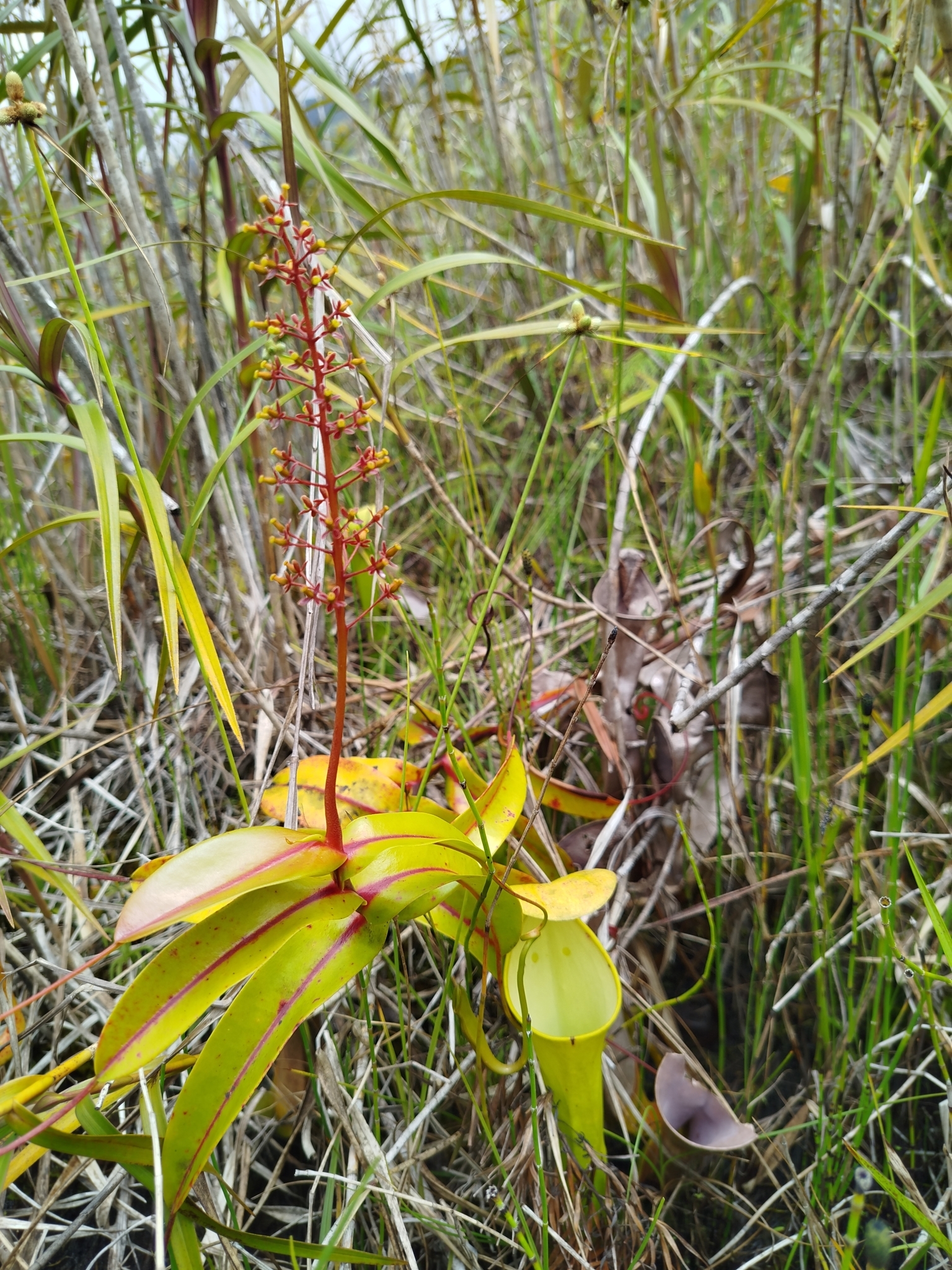
Nepenthes spp. are carnivorous plants known for their unique pitcher-shaped traps that capture insects, adding exotic appeal.
At-a-glance light, water, soil, and growing conditions from plant data
Provide bright, indirect light.
100% intensity
Protect from direct sun.
Keep soil consistently moist, use pure water.
100% intensity
Avoid waterlogging and tap water.
Acidic, well-draining mix, typically peat moss and perlite or sand.
50% intensity
Warm temperatures are preferred.
100% intensity
Avoid cold drafts.
Greenhouse, Indoor, House Plant
50% intensity
Feed sparingly or rely on insect prey.
100% intensity
Low-nitrogen fertilizer is best.
Safety information from plant toxicity data
| Attribute | Value |
|---|---|
| Toxic for humans | No 0/5 intensity |
| Toxic for pets | No 0/5 intensity |
| Edible | No |
Key traits and growing stats from plant data
Watering, pruning, propagation, and repotting details from plant data
Keep the soil consistently moist, but avoid waterlogging. Use distilled, rainwater, or reverse osmosis water as tap water can harm them.
Prune to maintain shape and remove dead or damaged pitchers. Pinch back leggy growth to encourage bushier development.
Easily propagated from stem cuttings or by division of mature plants. Seeds are difficult to germinate and require specific conditions.
Repot every 1-2 years into a slightly larger pot when the plant becomes root-bound, typically in spring.
Identify plants like this with ePlant AI
Snap a photo to get care tips and match similar species on the go.
Monthly activity intensity for bloom and fruit across both hemispheres.
Flowering & fruiting calendar
Flowering & fruiting calendar
Photos of Nepenthes Spp. (Nepenthes spp.)
Common names and botanical synonyms
Botanical classification
| Rank | Name |
|---|---|
| Family | Nepenthaceae |
| Genus | Nepenthes |
| Species | Nepenthes spp. |
Similar in genus Nepenthes
Answers based on plant encyclopedia data