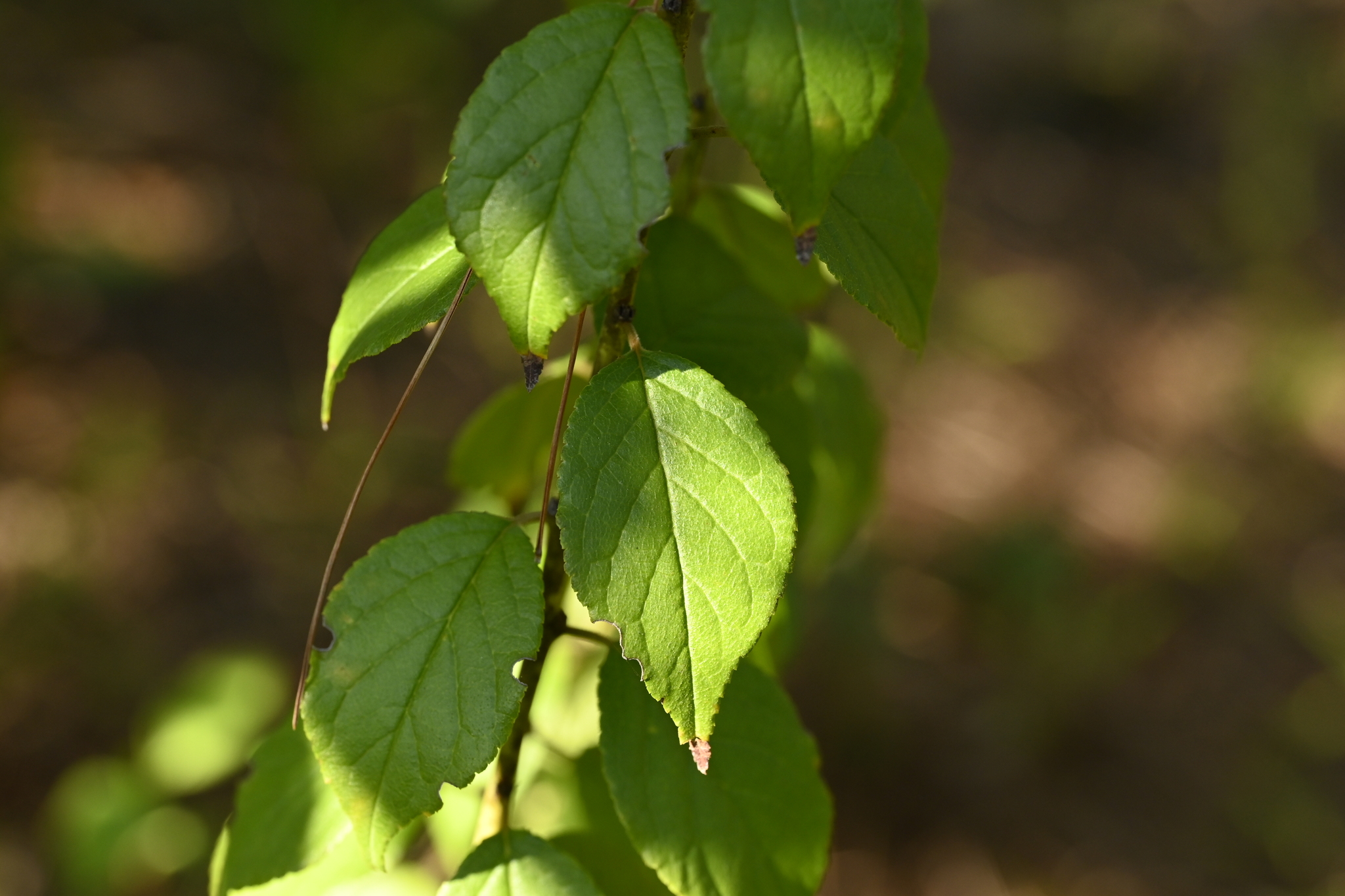
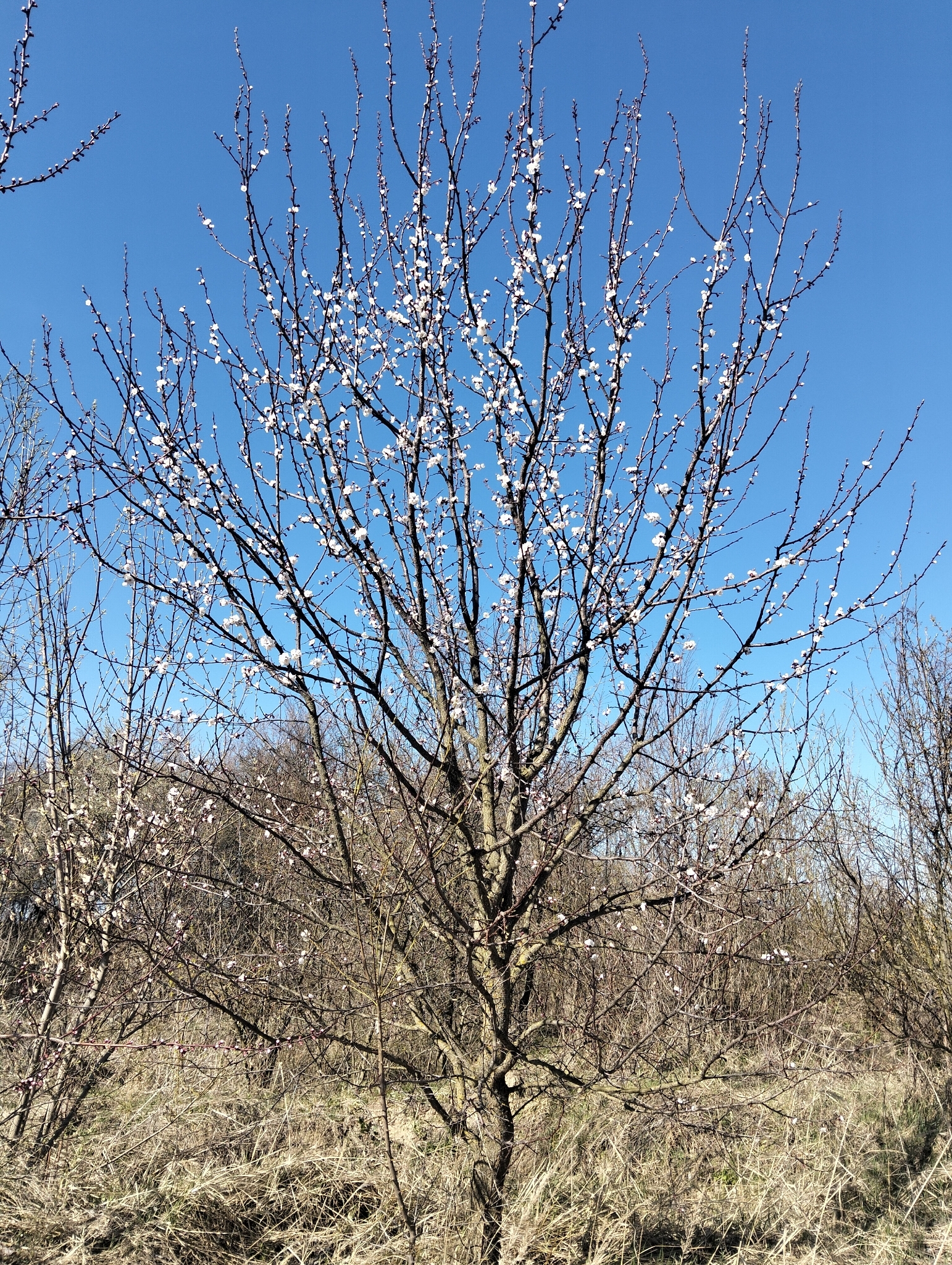
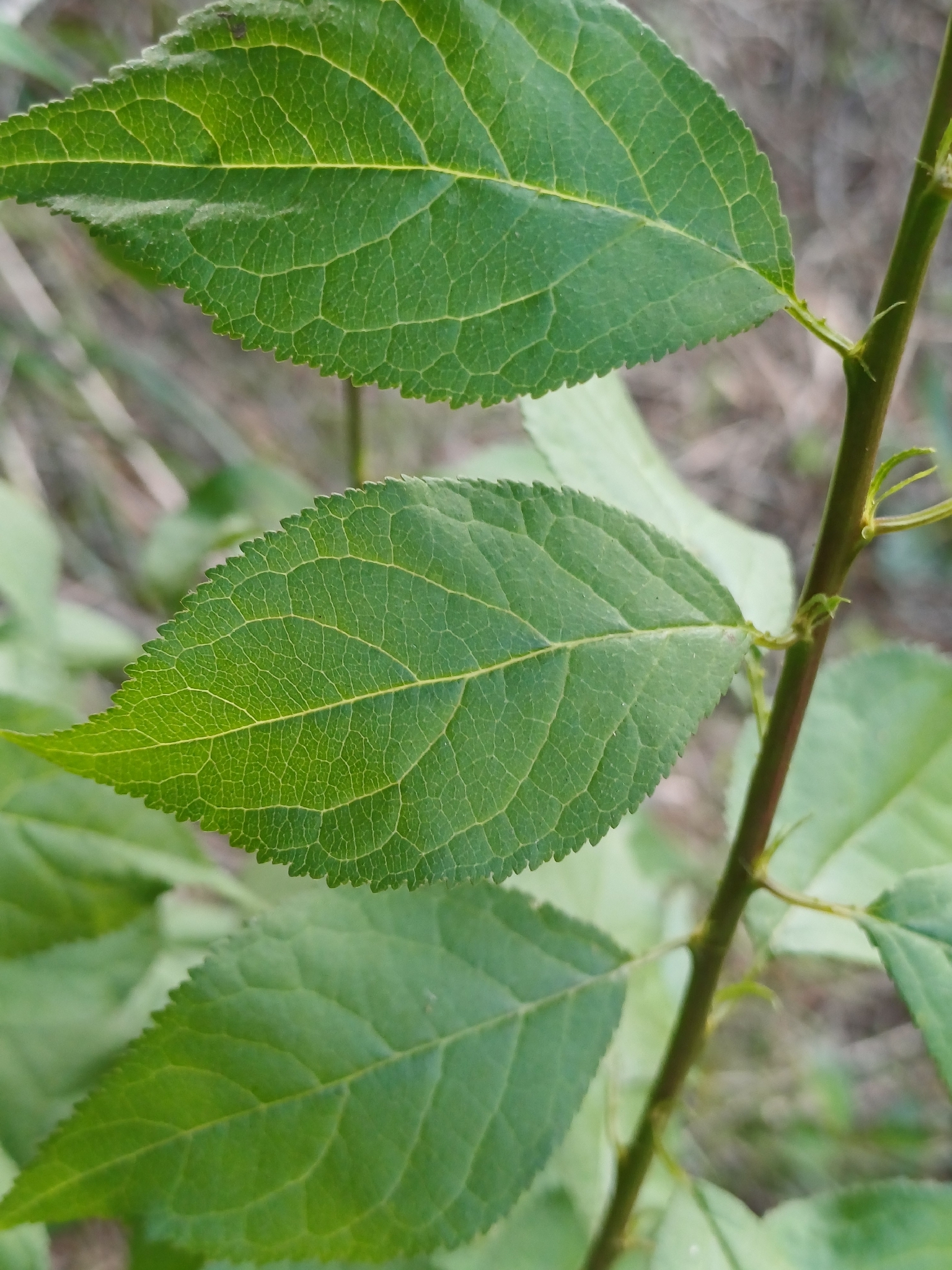
Prunus salicina, commonly known as Japanese Plum, is a deciduous tree cultivated for its delicious fruit and attractive spring blossoms. It is widely grown for its edible stone fruit.
Above information is sourced from Wikipedia
Sunlight
Prefers full sun for optimal growth and fruit yield.
Watering
Water regularly, especially during fruit development. Allow soil to dry slightly between waterings.
Soil
Well-drained, fertile loam with a slightly acidic to neutral pH.
Temperature
Thrives in moderate temperatures during the growing season and requires winter chill for dormancy.
Habitat
Outdoor
Fertilizer
Feed in early spring and after fruiting with a balanced fertilizer. Avoid excessive nitrogen.
Prefers full sun for optimal growth and fruit yield.
At least 6-8 hours of direct sunlight daily.
Water regularly, especially during fruit development. Allow soil to dry slightly between waterings.
Consistent moisture is key for fruit production.
Well-drained, fertile loam with a slightly acidic to neutral pH.
Thrives in moderate temperatures during the growing season and requires winter chill for dormancy.
Ideal growing range 15-25°C; requires cold period.
Outdoor
Feed in early spring and after fruiting with a balanced fertilizer. Avoid excessive nitrogen.
Plant Type
Tree
Plant Category
Fruit, Ornamental
Plant Place Type
Ground, Garden, Pot
Plant Environment
Outdoor
Lifespan
Perennials
Plant Height
4-6 m
Spread
3-5 m
Growth Rate
Moderate
Dormancy
Deciduous, requires winter chill
Leaf Color
Green
Leaf Type
Simple, ovate to elliptic
Flower Size
2-3 cm
Toxic for humans
No
Rating: 0/5
Toxic for pets
No
Rating: 0/5
Edible
Yes